
Why Saving While in Debt Is Worth the Tension
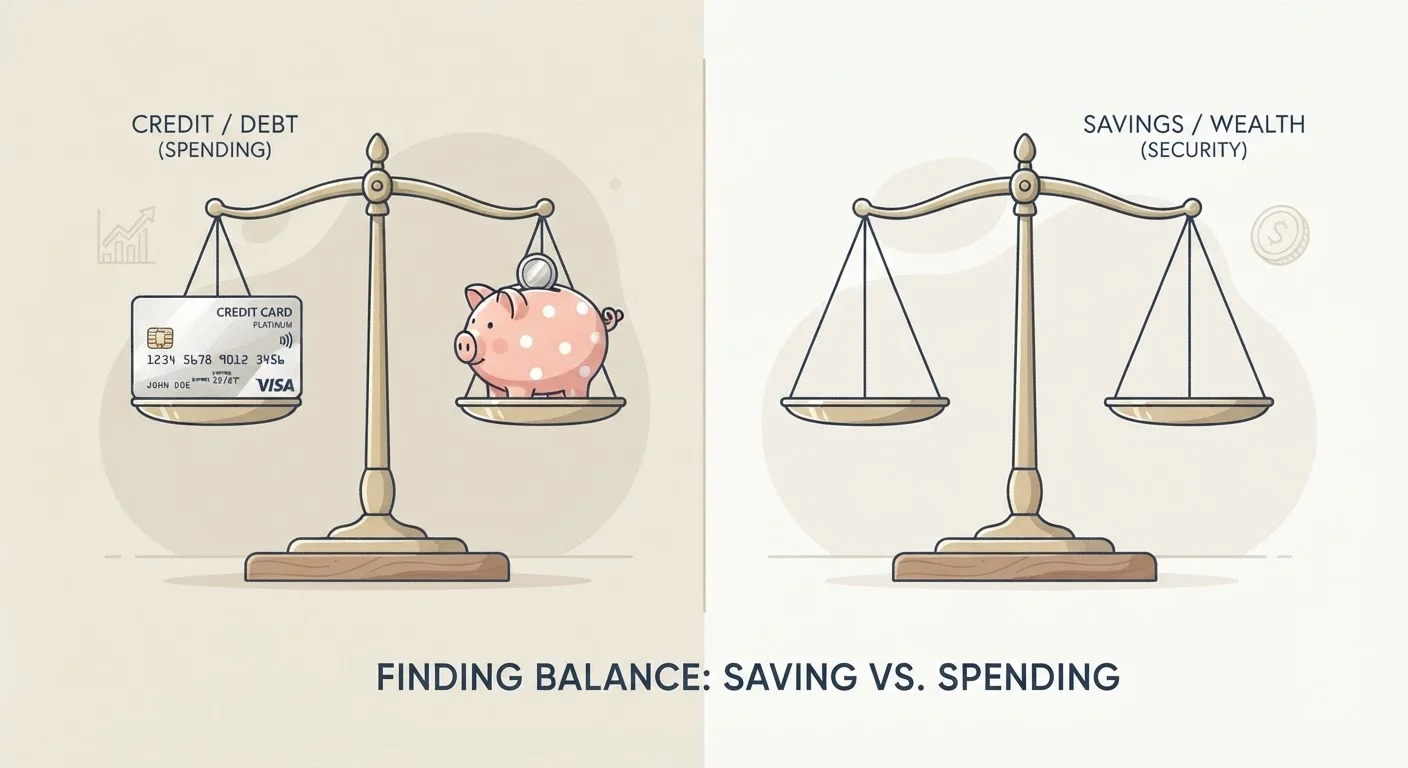
Carrying debt and trying to save at the same time can feel contradictory. After all, if you owe money at a high interest rate, every dollar sitting in a savings account earning a lower rate is technically costing you. The math often favors paying down high-interest debt first — and our article on the interest rate trade-off between debt and savings walks through exactly why.
But math isn't the whole picture. Without any savings buffer, a single unexpected expense — a car repair, a medical bill — can push you right back into new debt. Most personal finance educators recommend maintaining at least a small emergency fund, often $500 to $1,000, even while aggressively paying down debt. The framework you use to budget determines how well you can do both at once.
See the Budgeting Basics hub for foundational strategies if you're just getting started.
Four Frameworks, Four Approaches to Debt and Savings
Each major budgeting method handles the debt-versus-savings tension differently. Here's how the four most widely used frameworks stack up.
| 50/30/20 Rule | Zero-Based Budgeting | Pay Yourself First | Envelope Method | |
|---|---|---|---|---|
| Ease of setup | Simple, minimal tracking | Time-intensive, detailed | Very simple | Moderate setup effort |
| Handles debt payments | Debt shares the 20% bucket | Debt is an explicit line item | Minimums only; extras vary | Debt envelope must be set manually |
| Handles savings | Shares 20% with debt | Savings is a named line item | Savings happens first | Savings envelope set manually |
| Best income type | Stable monthly income | Any income type | Stable or predictable income | Variable or cash-based income |
| Risk of overspending | Moderate — wants get 30% | Low — every dollar assigned | Moderate — remaining dollars untracked | Low — spending physically capped |
| Flexibility when debt is high | Moderate — adjust 20% split | High — rework line items anytime | Low — savings comes first always | Moderate — resize envelopes |
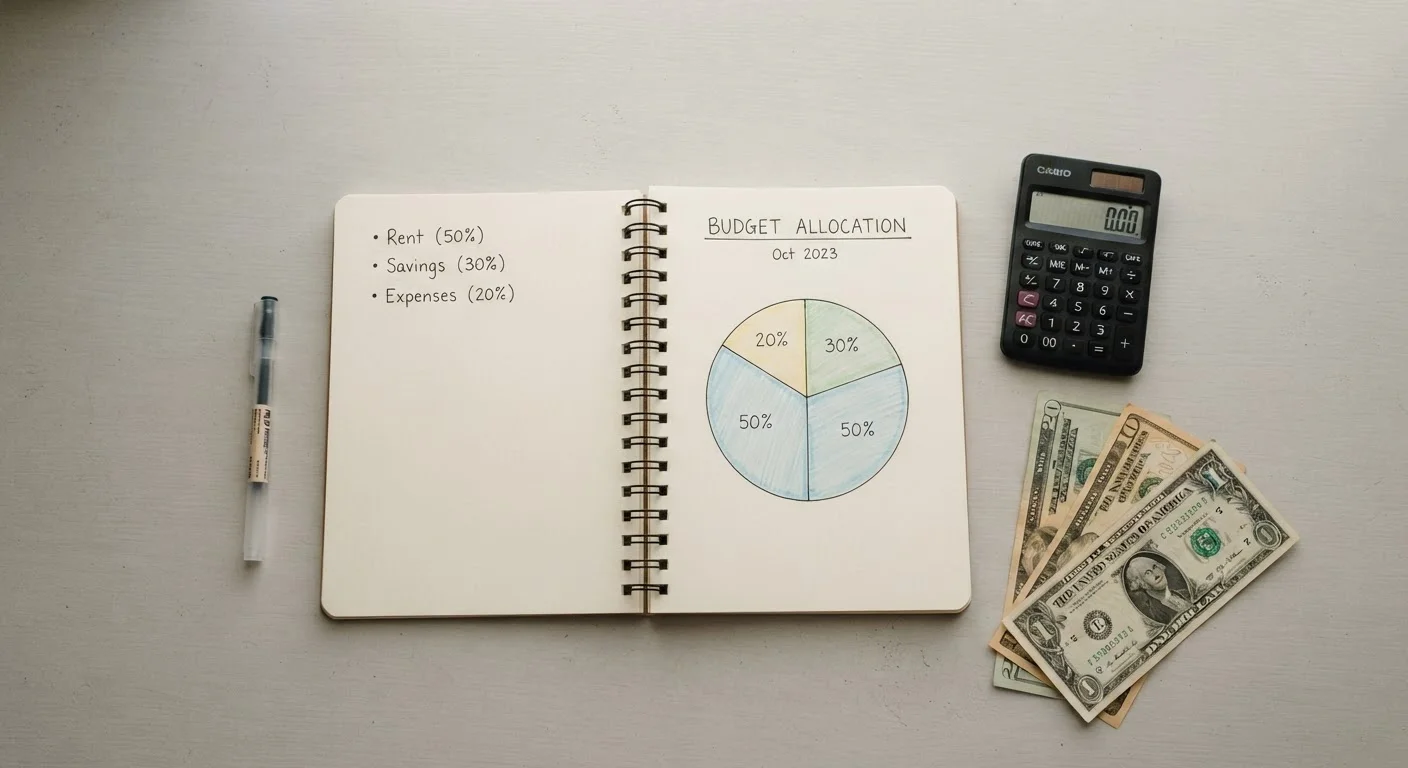
50/30/20 Rule: This framework divides after-tax income into 50% for needs, 30% for wants, and 20% for savings and debt repayment combined. When you're in debt, that 20% bucket has to work double duty. You decide how to split it between minimum payments, extra debt payments, and savings. It's flexible but requires you to make that call consciously. For a deeper look, see how the 50/30/20 rule works in practice.
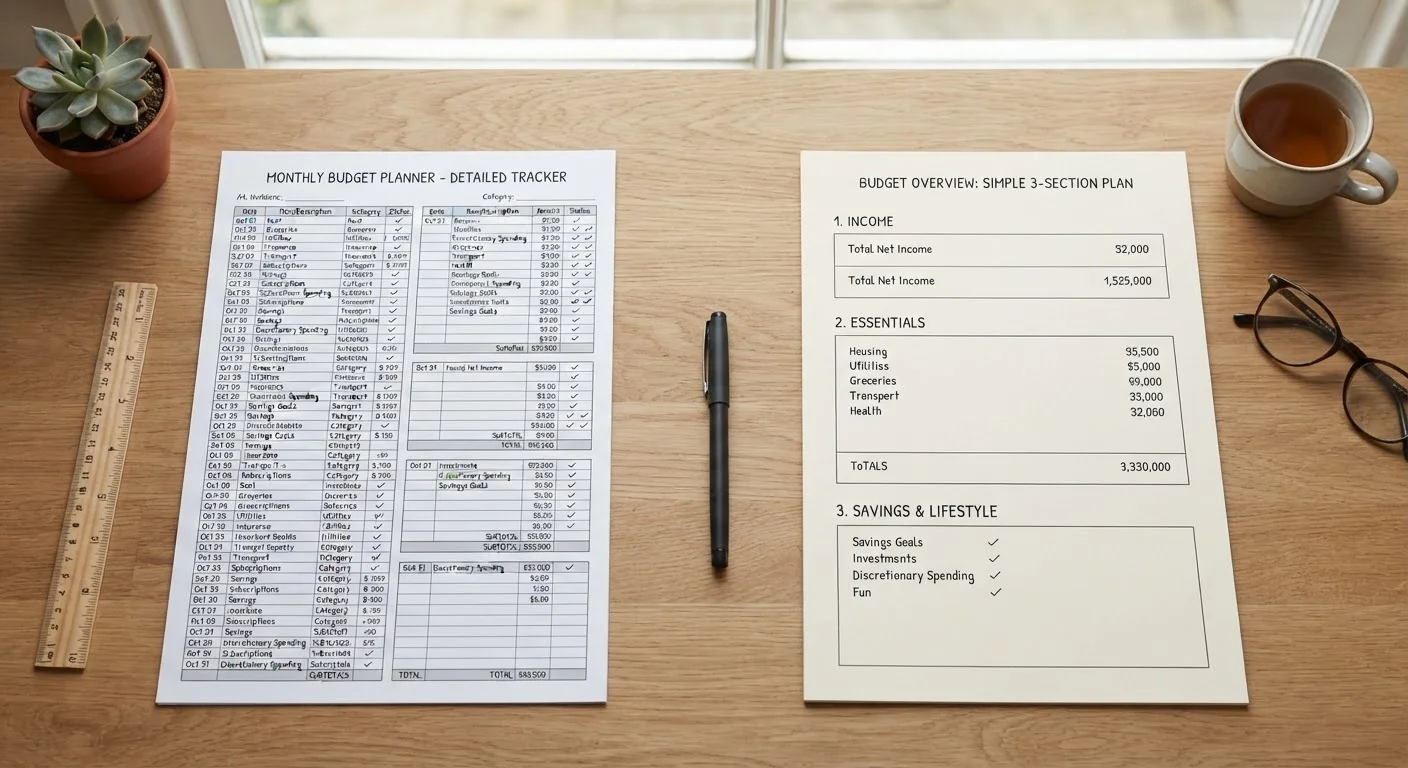
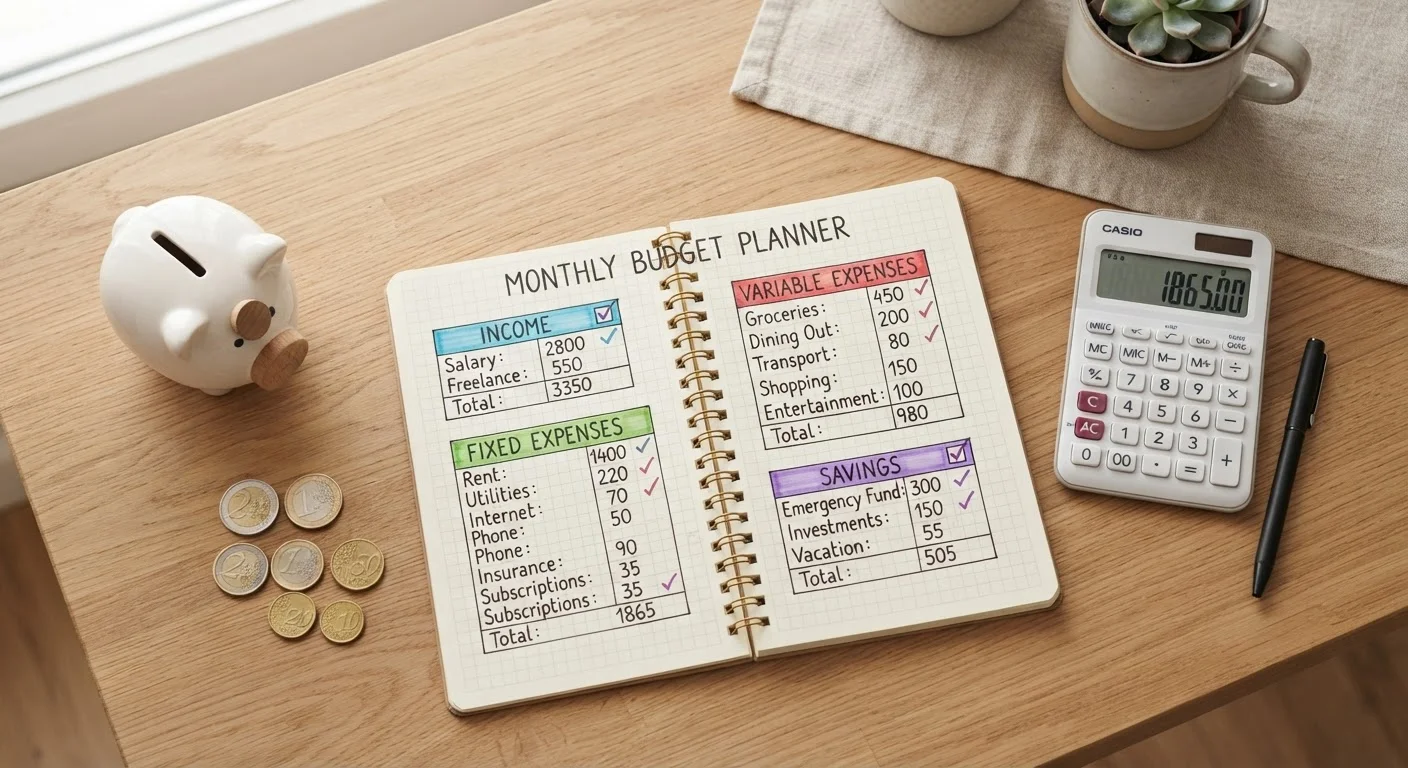
Zero-Based Budgeting: Every dollar of income gets assigned a job until you reach zero. Debt payments and savings are explicit line items. This structure makes it harder to ignore either goal, though it demands more time and tracking. Compare it directly with the 50/30/20 approach in our zero-based vs. 50/30/20 comparison.
Pay Yourself First: Before paying any bills or debts beyond minimums, you automatically transfer a set amount to savings. This builds the savings habit but can feel uncomfortable when debt balances are high. It works best when combined with a specific debt payoff strategy — either the avalanche or snowball method. Learn how those differ in our guide to debt avalanche vs. debt snowball.
Envelope Method: Cash is divided into physical or digital envelopes by spending category. Once an envelope is empty, spending in that category stops. It's highly effective for curbing overspending but doesn't inherently prioritize debt payoff or savings — you have to build those envelopes deliberately. See how it compares structurally in our zero-based vs. envelope method breakdown.
Adapting Any Framework When Debt Is a Factor
Regardless of which framework you choose, a few adjustments make it work better when debt repayment is part of the equation.
- Treat minimum debt payments as a fixed need. In every framework, minimums should be non-negotiable — missing them damages your credit and triggers fees.
- Start your emergency fund before adding extra debt payments. A small cushion prevents the cycle of paying off debt only to borrow again after an emergency. Our checklist article — before putting extra dollars toward debt — can help you confirm your footing first.
- Once your cushion is in place, redirect surplus to debt. After reaching a basic emergency fund target, funnel any extra toward your highest-interest or most motivating balance.
- Automate both sides. Scheduling savings transfers and debt payments removes the temptation to redirect that money. Our article on automating debt payments and savings explains how to set this up.
Start Small With Your Emergency Fund
If saving feels impossible while in debt, aim for a starter emergency fund of $500 rather than a full three-to-six months of expenses. Once that's in place, shift your focus to aggressive debt payoff. A small cushion is enough to break the cycle of borrowing for emergencies. You can grow it further once debt balances are reduced.
If your budget feels too tight to save anything at all, the problem may not be your framework — it may be that your expenses need trimming first. Finding extra room in your budget is often the prerequisite step. You can also explore how to split your paycheck between saving and debt for a practical income-division approach.
For a side-by-side look at all four frameworks beyond the debt context, see our full four-framework comparison. And for spending discipline tips, visit the Smart Spending hub.
This article is for general informational and educational purposes only and does not constitute personalized financial advice. Consult a qualified financial professional for guidance specific to your situation.