
Why the Overlooked Road Delivers More Value
The most talked-about American destinations — think coastal resort towns, major theme park corridors, and iconic national parks during peak season — share a common trait: premium pricing driven by overwhelming demand. Meanwhile, thousands of miles of compelling American landscape sit largely uncrowded, their economies priced for locals rather than tourists.
A road trip format is particularly well-suited to extracting value from these overlooked places. You control your pace, your lodging choices, and your food spending. You can sleep in a state park campsite one night and a locally owned motel the next. The fundamentals of budget travel apply here, but the destination itself does a lot of the heavy lifting when crowd pressure hasn't inflated every price point.
It's also worth examining your assumptions before you go. Many travelers skip these regions based on outdated or unfounded ideas about what makes a trip worthwhile — the kind of thinking covered in depth in our look at budget travel myths that lead travelers to overspend. The destinations below cut across regions and landscapes, but each delivers genuine experiences without the resort-town price tag.
Use Public Land as Your Base
National forests, Bureau of Land Management areas, and Army Corps of Engineers campgrounds often offer significantly lower nightly rates than private campgrounds or state parks in the same area. Many allow dispersed camping at no charge. Check the relevant federal agency websites before your trip to map available sites along your route — this single habit can reduce lodging costs for road trips dramatically.
Seven Underrated Destinations Worth the Drive
The Allegheny Highlands, West Virginia and Virginia
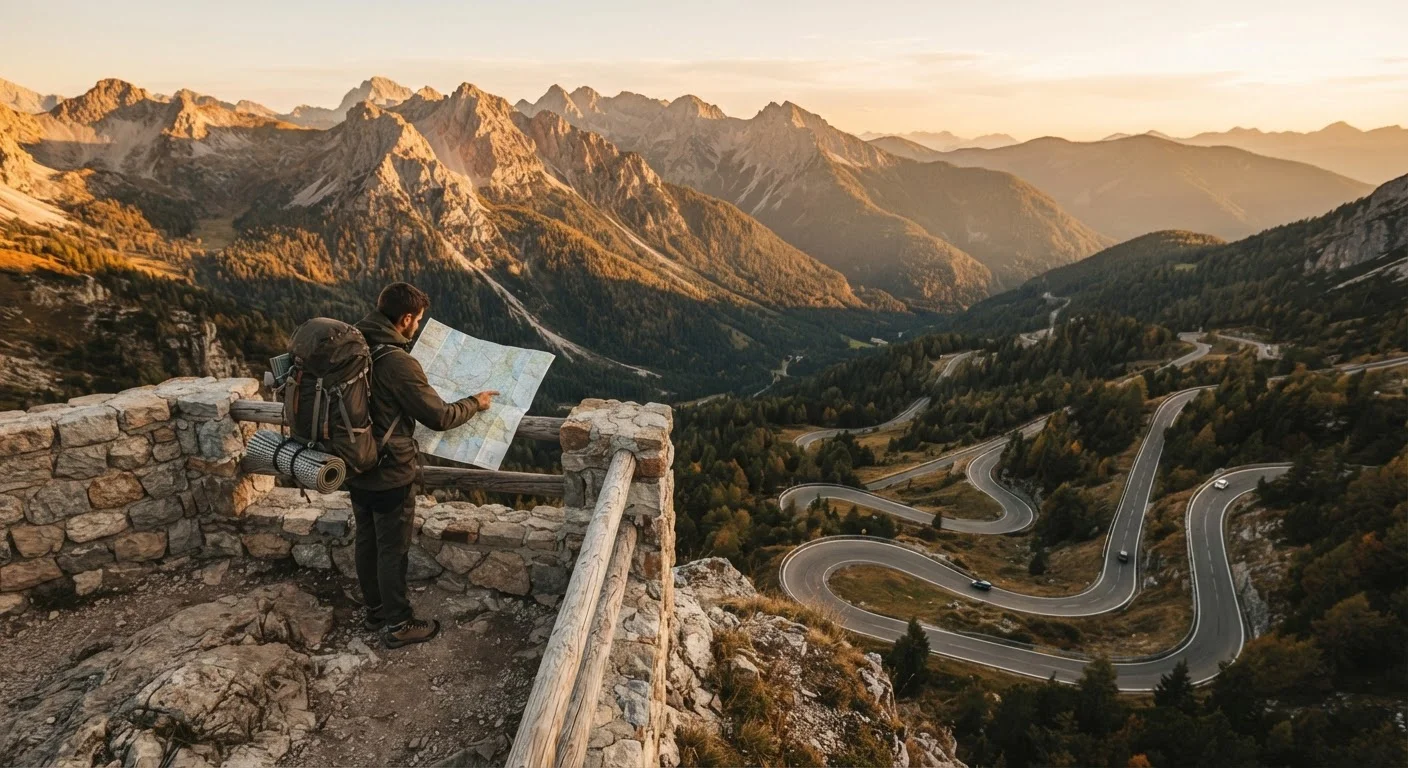
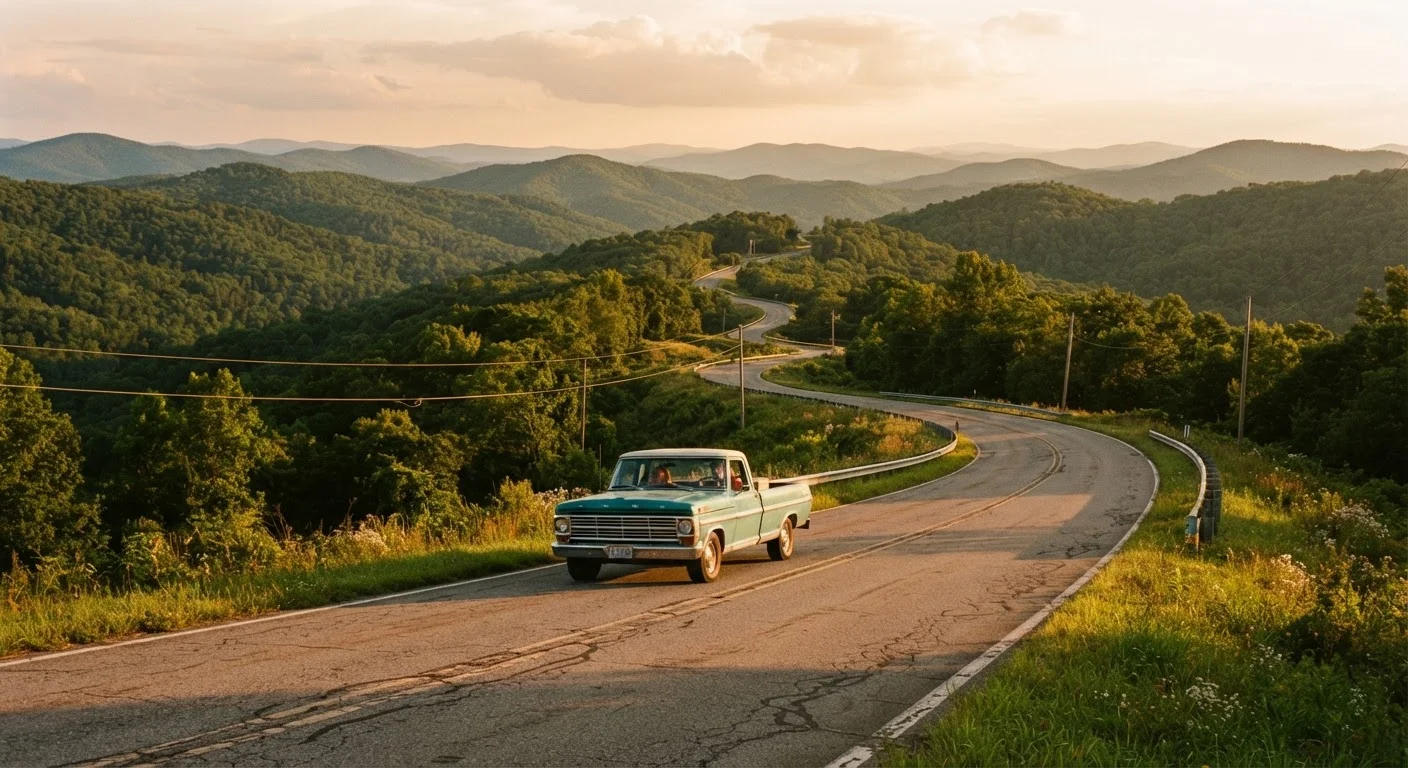
Straddling the state line, this stretch of the Appalachians encompasses Monongahela National Forest, Seneca Rocks, and the historic Greenbrier Valley. Camping fees in national forest areas are generally modest or free at dispersed sites, and small towns like Marlinton and Lewisburg offer inexpensive lodging and locally owned restaurants. The region is genuinely scenic — layered ridgelines, wild rivers, and open meadows — but draws a fraction of the traffic that flows into the Shenandoah Valley further north.
Dispersed camping in national forests can eliminate lodging costs entirely for several nights of the trip.
The Mississippi Delta, Mississippi
The birthplace of American blues music, the Delta stretches south from Memphis along Highway 61 through small towns like Clarksdale, Greenwood, and Indianola. Museum admission fees here are typically low or donation-based, live music at local juke joints often costs nothing beyond a drink, and the regional food — tamales, catfish, slow-cooked barbecue — is among the most distinctive in the country at very approachable prices. This is a corridor where cultural density far exceeds the cost of access.
The Mississippi Delta offers deep American musical history accessible largely through free or low-cost live performances.
The Upper Peninsula of Michigan
Michigan's Upper Peninsula is almost comically underappreciated given what it offers: Pictured Rocks National Lakeshore, waterfalls, old-growth forest, and Lake Superior shoreline largely free of the resort development found further south. State campgrounds are reasonably priced, the region has few pretentious dining establishments — just straightforward pasties, smoked fish, and diner fare — and shoulder-season visits (late May or September) can be strikingly affordable. It's a long drive from most population centers, which is precisely why it stays uncrowded.
Michigan's Upper Peninsula delivers Great Lakes scenery on par with more famous destinations at a fraction of the cost.
Southeastern Oklahoma and the Ouachita Mountains
Oklahoma doesn't appear on many road trip shortlists, which is exactly why it belongs on yours. The Ouachita National Forest and Talimena National Scenic Byway offer ridge-top driving and hiking comparable to better-known Ozarks destinations, and the towns of Muskogee, McAlester, and Poteau have enough local character to make stops worthwhile. Gas, food, and lodging across rural Oklahoma consistently run below national averages, making this one of the more dollar-efficient multi-day drives in the country.
Rural Oklahoma consistently prices food, fuel, and lodging below national averages, compounding savings across a multi-day trip.
The Alabama and Florida Gulf Coast (East of Destin)
Gulf Shores and Orange Beach in Alabama, along with the Florida Panhandle towns east of Destin, offer the same white-sand beaches and warm Gulf water as famous resort corridors at meaningfully lower prices — particularly in late spring or early fall when the summer premium evaporates. Alabama's Gulf State Park has a large campground with beach access. Seafood restaurants in these towns are often family-run and moderately priced. If you're comparing international budget alternatives, Mexico's mid-sized cities offer a different lens, but domestic Gulf Coast options are hard to beat for simplicity and value.
Shoulder-season Gulf Coast visits — late spring or early fall — can cut accommodation rates by a substantial margin.
The Palouse, Eastern Washington and Northern Idaho
The rolling wheat and lentil fields of the Palouse region create some of the most visually dramatic agricultural landscapes in North America, yet the area sees minimal tourist traffic. Pullman, Moscow (Idaho), and Colfax are small university and farming towns with honest local economies. The Palouse Falls State Park — home to one of the most striking waterfalls in the Pacific Northwest — charges only a standard Discover Pass day-use fee. This is a destination where the scenery does the work and your costs stay low almost by default.
The Palouse offers striking, photography-worthy landscapes with almost no tourist infrastructure markup.
The Rio Grande Valley, South Texas
Far south Texas along the Rio Grande is one of North America's premier birding destinations — a fact that draws naturalists but has yet to inflate prices to match. The National Butterfly Center and several wildlife refuges charge little or nothing for entry. Towns like McAllen and Brownsville have genuine border-culture food scenes where a full meal rarely exceeds ten to twelve dollars. Winter temperatures are mild enough for camping, and state and federal public lands provide ample low-cost overnight options for travelers willing to bring their own gear.
South Texas wildlife refuges and birding hotspots deliver world-class natural experiences for little more than the cost of gas.
Making the Most of Your Route
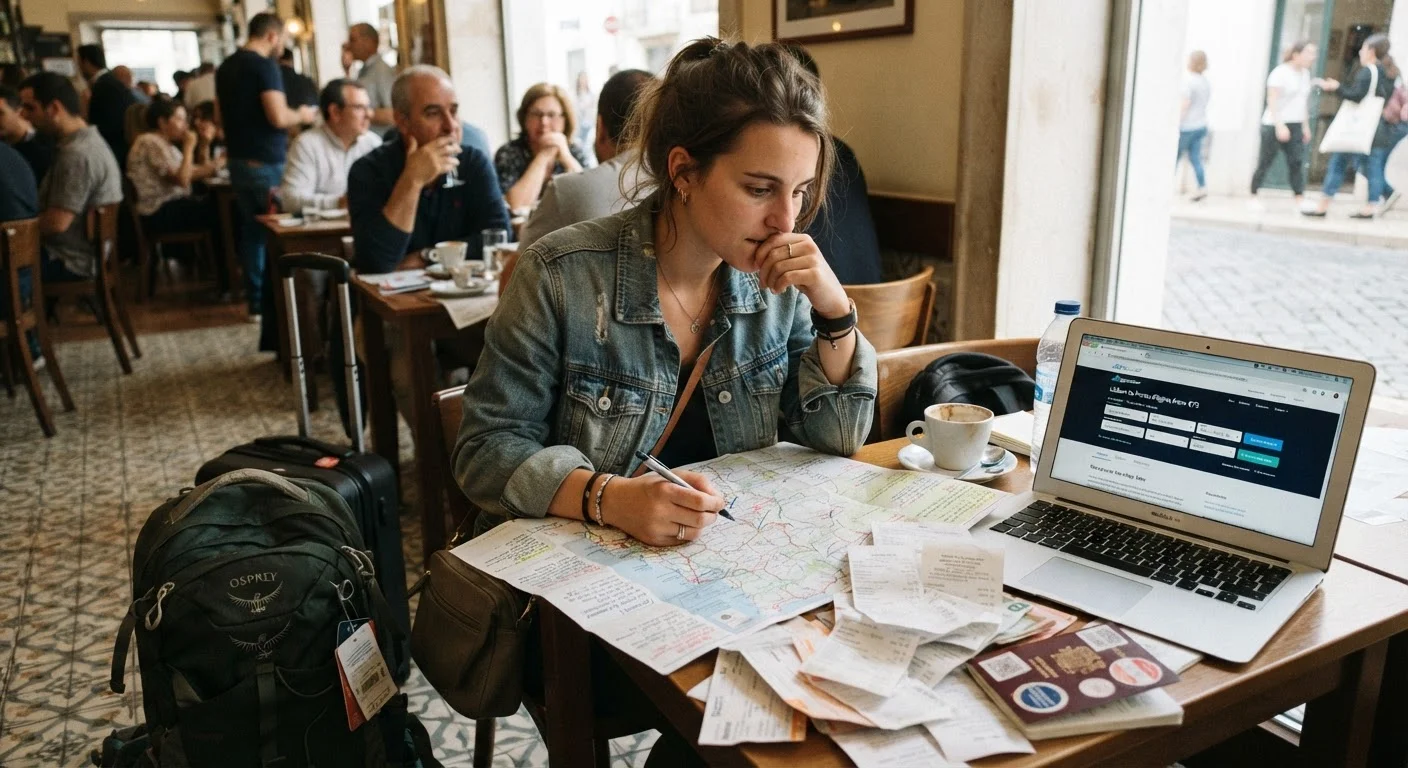
The destinations above work best when you approach them with flexibility. Booking accommodations a week or two in advance — rather than months out — is often fine in these lower-traffic areas, and it lets you adjust your itinerary based on weather or a tip you picked up along the way. Many of these regions have strong state park systems that offer camping at a fraction of what private campgrounds or motels charge.
Food spending is another area where these destinations naturally work in your favor. Local diners, taco stands, fish shacks, and farmers markets in smaller cities and towns tend to reflect local wage levels, not tourist expectations. Budget $15–$25 per person per meal as a rough ceiling, and you'll almost always find satisfying options well below that.
If any of these routes take you through the South specifically, our guide to budget travel in the American South goes deeper on regional state parks, small cities, and cultural spending. And before you finalize a budget, make sure you've accounted for the costs that quietly drain travel funds before departure — something many road trippers overlook, as outlined in our piece on why your travel budget falls apart before you leave home.
Prices, road conditions, and local services can change. Always verify current information with state tourism offices, park websites, and local visitor centers before your trip.