
How Long a Car Battery Typically Lasts
A standard lead-acid car battery — the type found in most gasoline-powered vehicles — generally lasts between three and five years. Some drivers get closer to six or seven years in mild climates with consistent driving habits. Others see batteries fail before the three-year mark due to harsh conditions or heavy electrical demands.
Battery lifespan isn't a fixed number. It's the result of chemistry wearing down over hundreds of charge and discharge cycles. Each time your engine starts, the battery delivers a burst of power, and the alternator — the component that recharges it while you drive — tops it back up. Over time, the internal plates degrade and the battery holds less charge than it once did.
Lead-acid battery
The most common type of car battery, which uses lead plates submerged in an acid solution to store and release electrical energy. It's reliable and relatively affordable but degrades over time.
Alternator
A generator driven by your engine that recharges the battery while you drive. If the alternator fails, the battery drains even while the car is running.
Sulfation
A buildup of lead sulfate crystals on battery plates caused by repeated partial charging. It reduces the battery's ability to hold a charge and is a leading cause of early battery failure.
Load test
A diagnostic check that measures how much power a battery can deliver under realistic starting conditions. It's more accurate than simply measuring resting voltage.
Parasitic drain
A small, continuous draw of electricity from the battery when the car is off, caused by electrical components or accessories that don't shut down completely.
For context, car batteries behave quite differently from the lithium-ion cells in your phone or laptop. See why phone batteries degrade for a useful comparison of how battery chemistry differs across devices.
Warning Signs Your Battery Is Wearing Out
The most common early signal is a slow or sluggish crank when you start the engine — that labored, grinding sound that takes a beat longer than usual. Other signs include:
- Dim headlights or interior lights when the engine is idling
- Electrical gremlins — windows moving slowly, radio resetting, dashboard flickering
- Frequent need for jump-starts over a short period
- A swollen or bloated battery case, which signals internal heat damage
- A sulfur or rotten-egg smell near the battery, indicating a leaking or overcharging battery
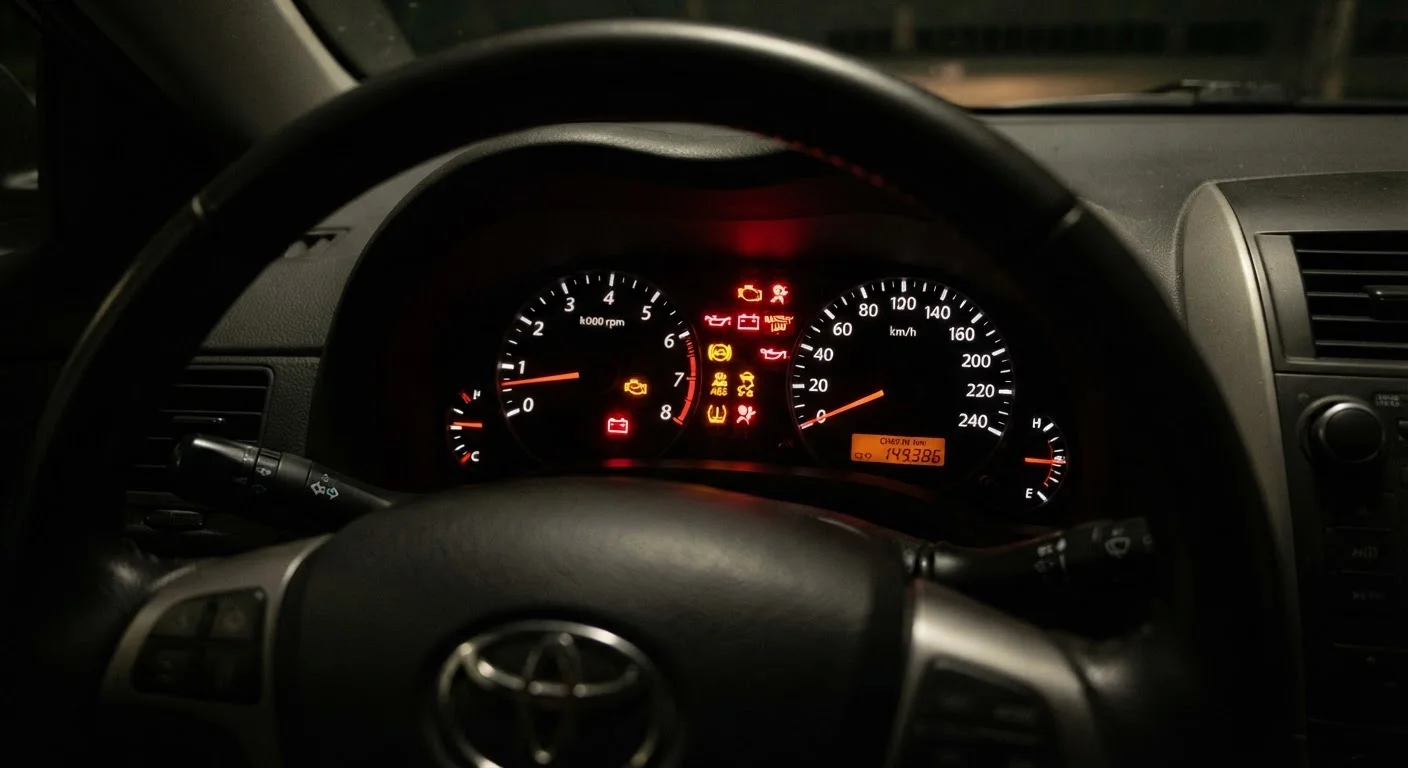
You might also notice a battery warning light on your dashboard. That symbol doesn't always mean the battery itself is failing — it can point to the alternator or charging system — but it warrants prompt attention. Our guide on reading dashboard warning lights explains what different symbols mean and how urgently to respond.
What Shortens Battery Life Faster
Several factors accelerate wear beyond the normal aging process:
- Extreme heat
- High temperatures speed up chemical reactions inside the battery, causing internal corrosion and water loss. Consistently hot climates can cut battery life significantly.
- Short trips
- If most of your drives are under 15–20 minutes, the alternator may not have time to fully recharge the battery after starting. Over time, this partial charging leads to sulfation — a buildup on internal plates that reduces capacity.
- Prolonged inactivity
- A car that sits unused for weeks loses charge gradually. A deeply discharged battery can sustain permanent damage.
- Parasitic drain
- Small electrical loads — a faulty interior light, an aftermarket alarm, or a device left plugged in — draw power even when the engine is off, draining the battery faster than normal.
Seasonal extremes deserve particular attention. Cold weather and heat both stress the battery in different ways, and preparing your vehicle for each season — including checking battery health — is a sound habit. Our seasonal car maintenance guide covers what to check before temperature swings arrive.
When Replacement Actually Makes Sense
The clearest reason to replace a battery is a failed load test. A load test measures how well the battery delivers power under realistic starting conditions — not just whether it holds a surface charge. Most auto shops and many parts retailers can perform this test quickly. If results show the battery is at or below 50% of its rated capacity, replacement is generally the practical choice.
Get a Load Test Before Winter
Cold weather doesn't kill batteries on its own — it exposes weakness that was already there. Having your battery load-tested in the fall gives you a clear picture of whether it will hold up when temperatures drop. Most shops can run this test in just a few minutes, often at no charge.
Age alone is a reasonable trigger as well. If your battery is approaching or past the four-year mark and you live somewhere with temperature extremes, proactive replacement before winter or a long road trip is worth considering. A dead battery far from home or in freezing conditions is a much more expensive problem than a planned swap.
Keep battery service in mind alongside your broader maintenance records — this can matter for warranty coverage too. Our guide to vehicle warranties explains how documented service history supports your coverage.
Simple Habits That Help Your Battery Last
You can't stop a battery from aging, but a few habits can extend its useful life:
- Take longer drives regularly. If your daily routine is mostly short trips, an occasional 30-minute highway drive gives the alternator time to fully recharge the battery.
- Unplug accessories when parked. Phone chargers, dash cams, and other devices left connected draw small but steady power over time.
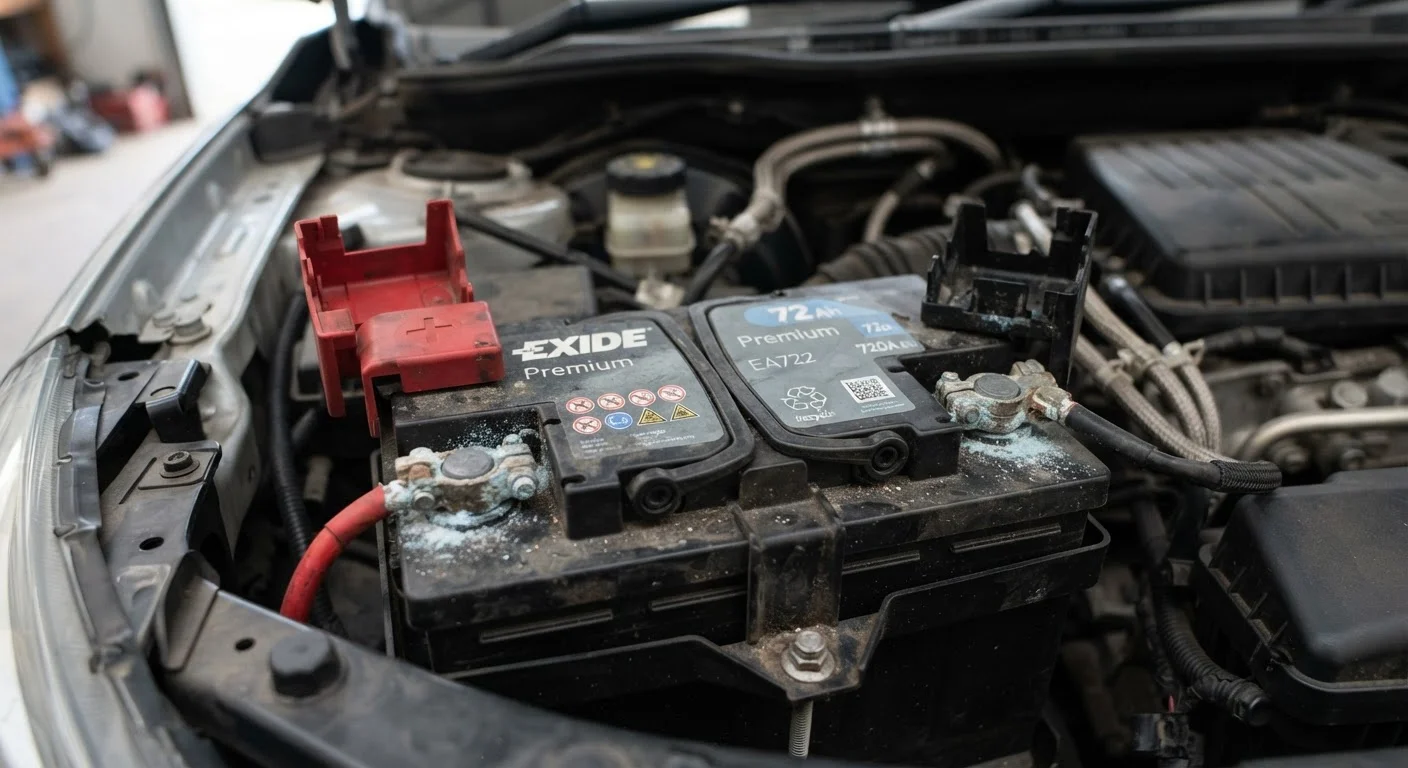
- Keep terminals clean. A light buildup of corrosion — that white or blue-green crust — increases resistance and strains the battery. Cleaning terminals is straightforward, but if you're unsure, a mechanic can do it quickly during a routine service visit.
- Store the car properly if parked long-term. A battery maintainer (sometimes called a trickle charger) keeps the charge stable during extended storage without overcharging.
- Get it tested annually once the battery is past three years old.
None of these steps require special tools or expertise. Most are simply awareness — knowing what drains a battery and removing those drains before they cause trouble.