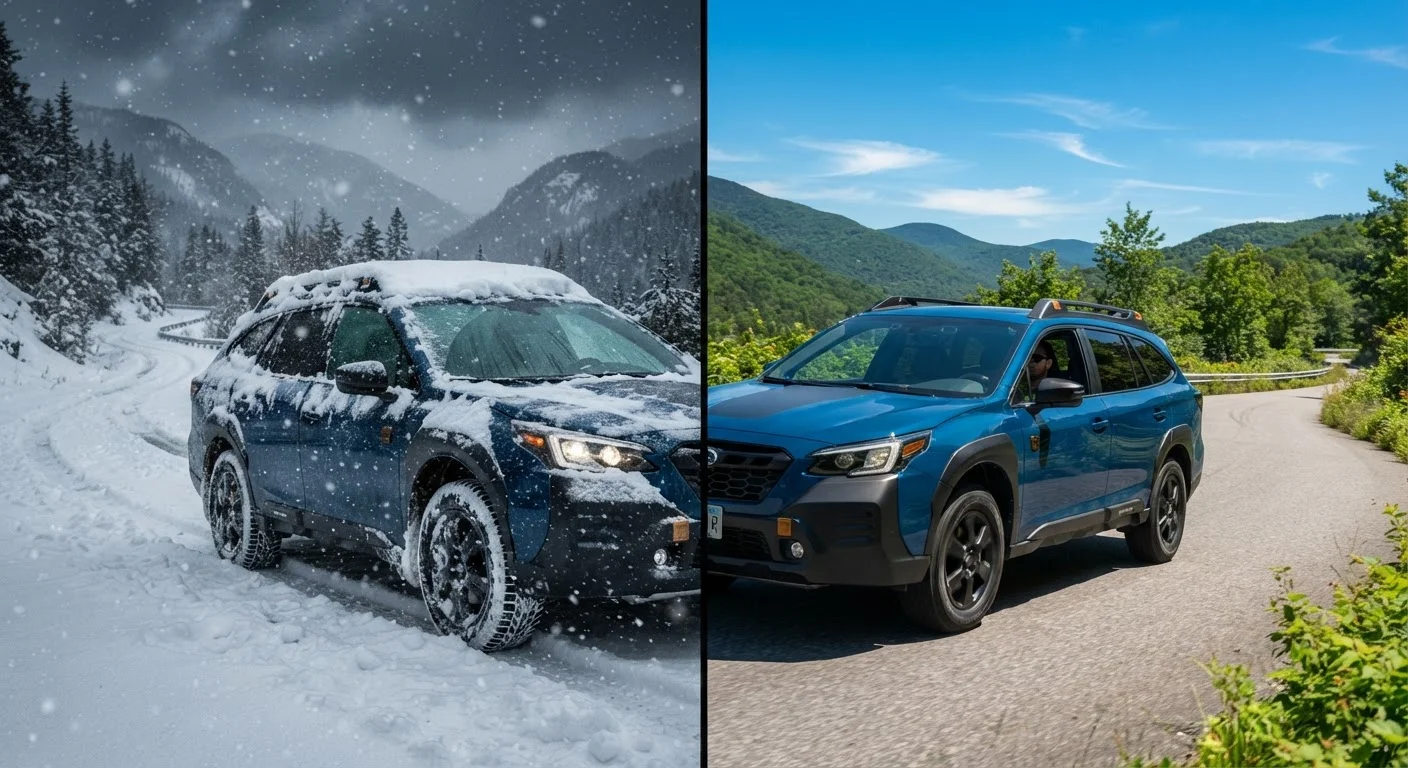
What changes between warm and cold seasons — and the specific checks that protect your car year-round.
Key Takeaways
Tires, battery, and fluids are the three systems most affected by seasonal temperature swings.
Cold weather reduces tire pressure and strains batteries; heat accelerates fluid breakdown and tire wear.
Many seasonal checks can be done at home, but some tasks warrant a professional inspection.
Running a season-specific checklist twice a year can help prevent breakdowns and costly repairs.
Your owner's manual is the most reliable source for fluid specs and service intervals.
Why Seasons Change What Your Car Needs
Most drivers think about car maintenance in terms of mileage — oil changes every X thousand miles, tires rotated every Y. That's reasonable, but mileage alone doesn't account for what temperature extremes do to your vehicle. Cold contracts rubber and thickens fluids. Heat breaks down lubricants faster and stresses cooling systems. Both extremes put extra load on your battery.
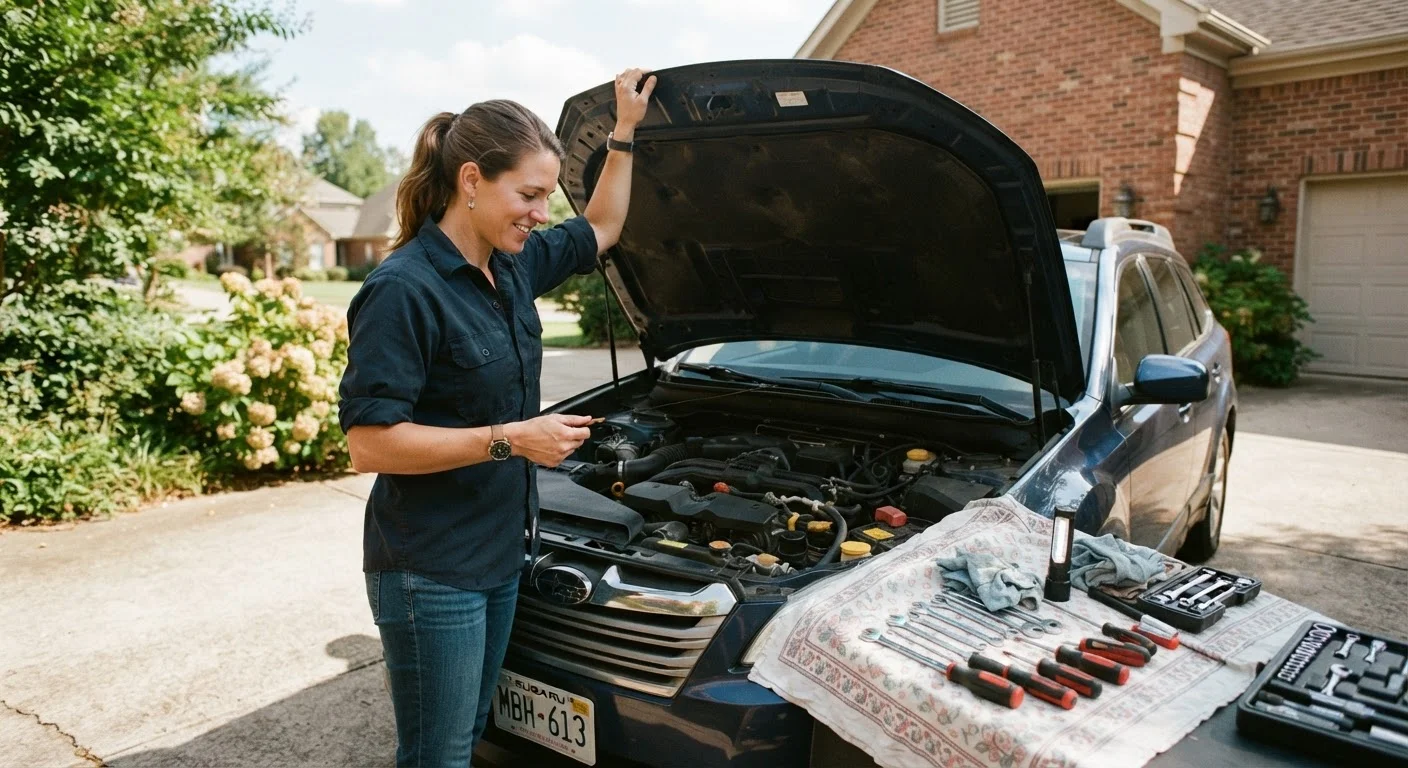
The good news: seasonal prep doesn't require a mechanic's expertise for every item. Many checks take only a few minutes and a basic understanding of what you're looking at. For a breakdown of which tasks are genuinely DIY-friendly and which carry real risk, see our guide to DIY car maintenance.
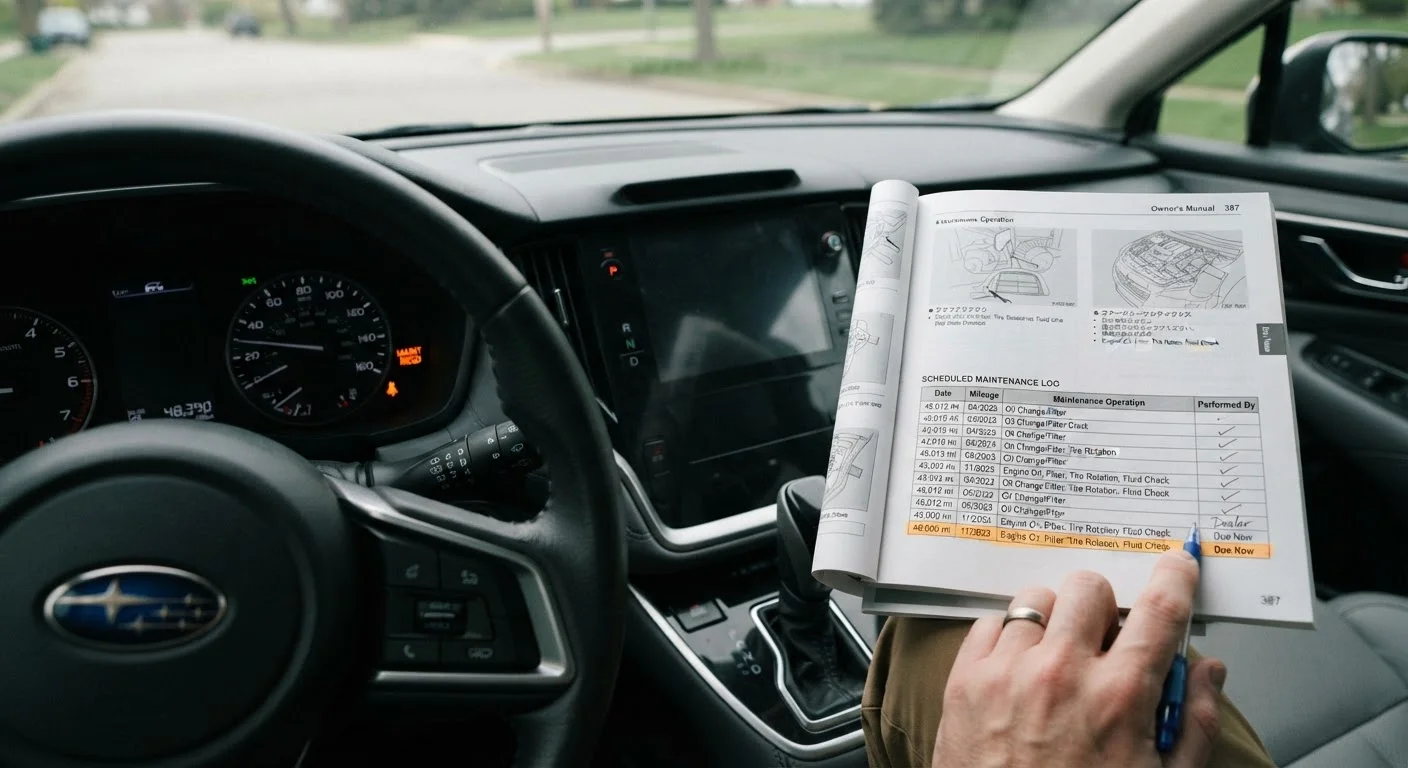
Use this checklist as a twice-yearly audit — once before temperatures consistently drop below freezing, and once as they begin to climb back above 80°F. Not every item will apply equally to every region or vehicle, so cross-reference with your vehicle's maintenance schedule and owner's manual.
Tires
Check tire pressure using a gauge and inflate to the PSI listed on the driver's door jamb sticker — not the maximum printed on the sidewall. Cold air causes pressure to drop roughly 1 PSI for every 10°F decrease in temperature.Must
Inspect tread depth using the quarter test: insert a quarter into a tread groove with Washington's head facing down — if you can see the top of his head, tread is getting low.Must
Look for sidewall cracking, bulges, or uneven wear patterns that suggest alignment or suspension issues.Must
If you live in a region with consistent snow and ice, consider whether dedicated winter tires are appropriate — all-season tires have real limitations below 45°F.Should
Rotate tires according to your owner's manual interval (commonly every 5,000–7,500 miles) to even out wear.Should
Battery
Visually inspect battery terminals for corrosion — a white or bluish crust around the posts can interrupt electrical flow and is often cleanable with a baking soda solution.Must
Have the battery load-tested at a shop or auto parts store if it's more than three years old; cold weather can push a marginal battery into failure. For more context, see our battery care guide.Must
Note the battery manufacture date (usually a sticker on the battery) and factor age into your replacement planning.Should
Fluids
Check engine coolant (antifreeze) level in the reservoir and verify the freeze-point protection using an inexpensive antifreeze tester — this matters most before winter.Must
Check engine oil level and color; dark, gritty oil is overdue for a change. Confirm your oil viscosity grade is appropriate for the season — some owners switch between grades per manufacturer guidance.Must
Inspect windshield washer fluid and switch to a formula rated for freezing temperatures before cold weather arrives.Must
Check brake fluid level and color; fluid that's visibly dark may have absorbed moisture over time, which lowers its boiling point.Should
Inspect power steering and transmission fluid levels if applicable to your vehicle type. See our fluid checking guide for a full walkthrough.Should
Brakes and Belts
Listen for squealing or grinding when braking — both are signs that pads or rotors may need inspection by a qualified mechanic.Must
Have a mechanic inspect brake pad thickness if you're uncertain; visual DIY inspection is difficult without removing the wheel.Should
Inspect serpentine and accessory belts for cracking, fraying, or glazing — cold makes aged rubber brittle and more prone to snapping.Should
Lights and Visibility
Test all exterior lights — headlights (low and high beam), brake lights, turn signals, reverse lights, and hazard flashers.Must
Inspect wiper blades for streaking, skipping, or torn rubber; replace if they leave significant smearing. Consider winter-specific blades in snow-prone areas.Must
Clean all exterior lenses and mirrors; road salt in winter and insect buildup in summer both reduce visibility.Should
Cooling System (Summer Focus)
Inspect radiator and coolant hoses for swelling, leaks, or soft spots — heat accelerates hose degradation.Must
Confirm the radiator cap seals properly; a faulty cap can cause the cooling system to lose pressure and overheat.Should
Check that the cabin air filter isn't clogged — a blocked filter reduces AC efficiency and air quality inside the vehicle.Nice to have
Tools and Resources You'll Need
You don't need a fully equipped garage to run through most of this checklist. A few inexpensive tools and some good light are enough for the majority of visual and manual checks. Anything that requires lifting the vehicle or accessing pressurized systems should be handled by a qualified mechanic.
Required
Tire pressure gauge
Accurately measures PSI so you can inflate tires to the correct specification.
Required
Antifreeze tester (hydrometer or test strips)
Checks whether your coolant mixture will protect against freezing at your local winter temperatures.
Required
Flashlight or work light
Illuminates engine bay components, tire sidewalls, and undercarriage for visual inspection.
Required
Clean rags or paper towels
Used when checking fluid levels on dipsticks and wiping up minor spills.
Optional
Battery terminal cleaner brush
Removes corrosion buildup from battery posts safely without damaging the terminals.
Optional
Tread depth gauge
Provides a more precise tread measurement than the coin test, useful for tracking wear over time.
Don't Open a Hot Radiator Cap
Coolant systems operate under pressure. Opening the radiator cap or coolant reservoir while the engine is hot can cause scalding fluid to spray out forcefully. Always let the engine cool completely before inspecting or topping off coolant. If your temperature gauge is reading high, pull over safely and call for assistance rather than attempting to open the cooling system yourself.
What to Track After Each Seasonal Check
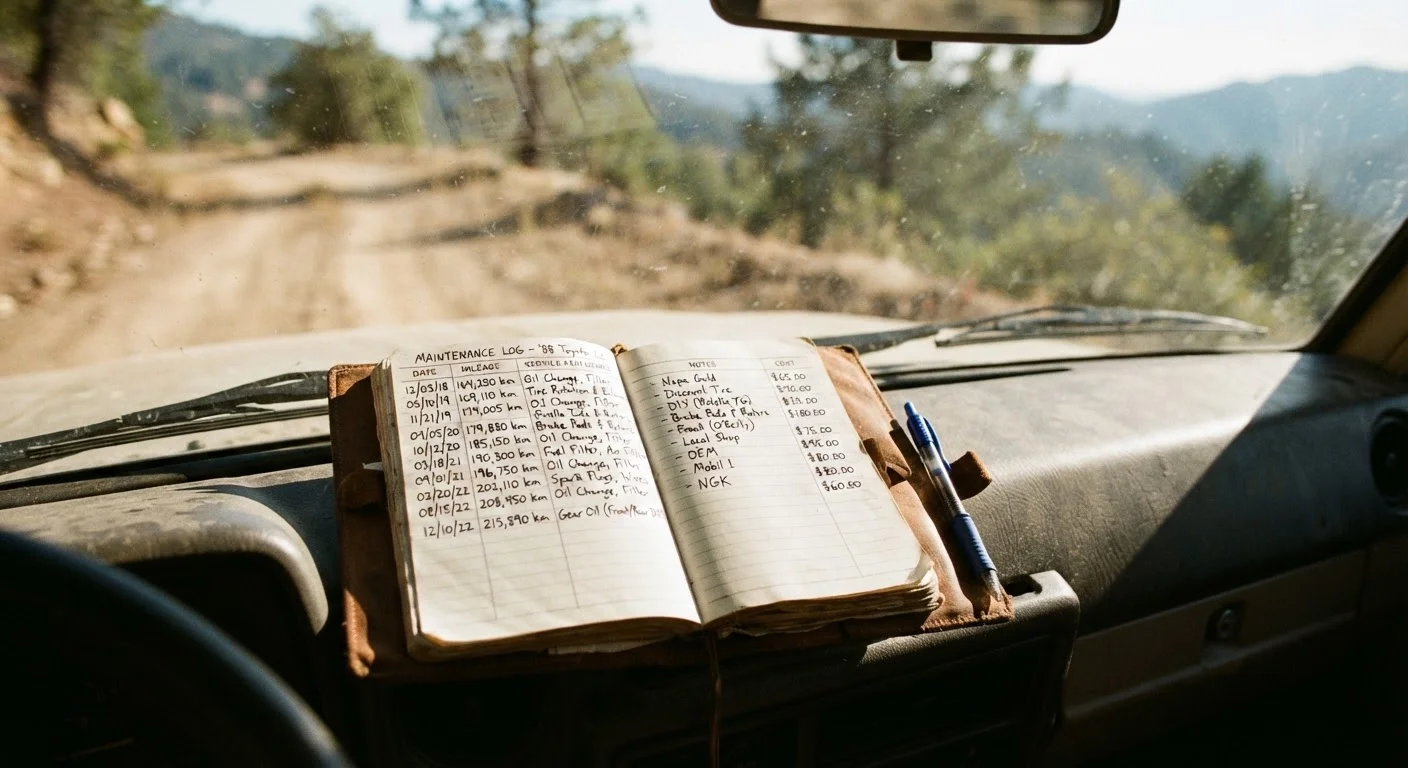
Running the checklist is only half the job. Write down what you found — tire tread depth, battery date, fluid levels — so you have a baseline for next season. Patterns matter: a battery that tested borderline in fall and borderline again in spring is telling you something. Our article on keeping a vehicle maintenance log explains what to record and why it pays off over time.
For year-round road safety beyond the mechanical side, the pre-drive safety check is a quick habit worth building regardless of season. And if you live somewhere that sees genuine winter driving conditions, driving in bad weather covers the technique side once your vehicle is mechanically prepared.
This article is for general informational purposes. Always consult your owner's manual and, when in doubt, a qualified mechanic before performing or deferring any vehicle maintenance task.
Auto Essentials Editorial Team is the collective byline for our editorial team and contributor network. Articles published under this byline or an editorial pen name are researched, written, and reviewed according to our editorial standards for clarity, consistency, and independence before publication.
The content provided on our blog site traverses numerous categories, offering readers valuable and practical information. Readers can use the editorial team’s research and data to gain more insights into their topics of interest. However, they are requested not to treat the articles as conclusive. The website team cannot be held responsible for differences in data or inaccuracies found across other platforms. Please also note that the site might also miss out on various schemes and offers available that the readers may find more beneficial than the ones we cover.