Before you turn the key, run through this quick vehicle and environment checklist to catch hazards before they become emergencies.
Key Takeaways
A pre-drive check takes under ten minutes and can prevent many common roadside emergencies.
Tire condition and pressure are among the most important — and most overlooked — quick checks.
Dashboard warning lights should always be understood before you pull out of the driveway.
Your surroundings, not just your vehicle, are part of every safe pre-drive assessment.
Consistent habits built before each trip compound into significantly safer driving over time.
Why a Pre-Drive Check Matters
Most vehicle problems that cause crashes or breakdowns don't appear without warning — they send signals first. A flat developing slowly, a brake fluid level that's dropped, a cracked wiper that smears instead of clears: each of these is noticeable before you leave, but easy to miss when you skip straight to the ignition.
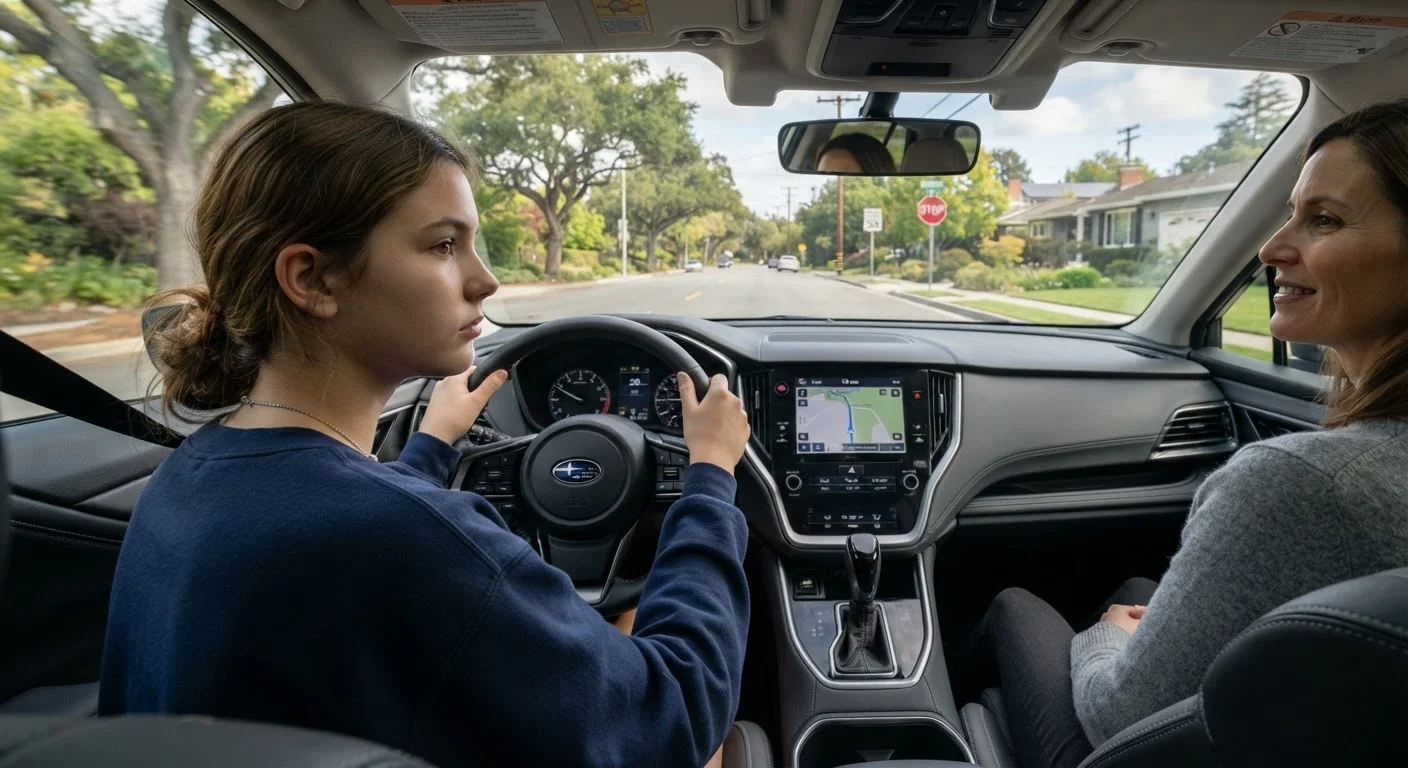
A pre-drive safety check isn't about being overly cautious. It's about spending five minutes now so you're not spending two hours on the shoulder later — or worse, dealing with a collision that could have been avoided. This habit is especially valuable to pass on to newer drivers. Teen drivers benefit most from building structured habits early, since they have less experience recognizing when something feels off.
The checklist below is organized into four logical groups. Work through them in order — exterior first, then interior, then instruments, then your immediate environment — and you'll be road-ready in under ten minutes.
Exterior Walk-Around
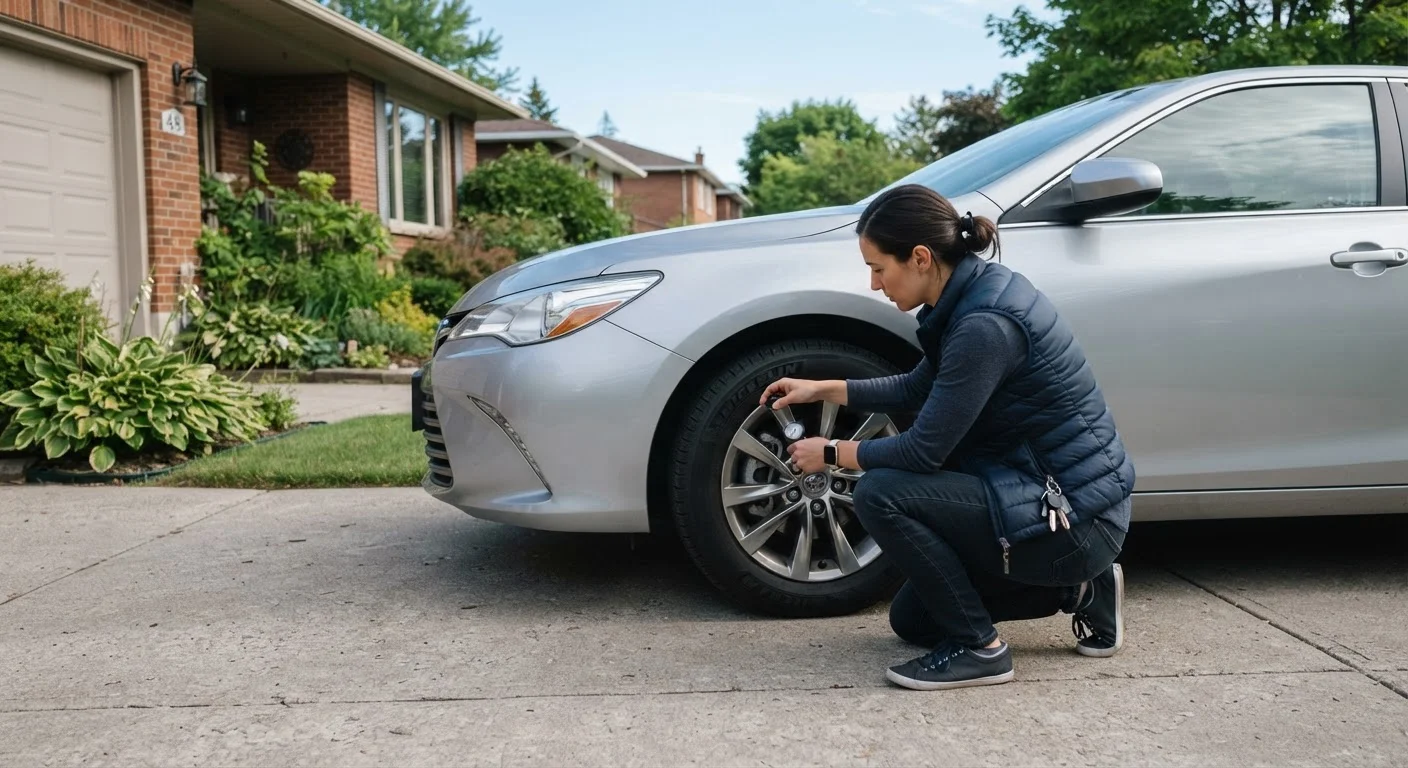
Check all four tires visually for obvious flats, bulges, or embedded objects like nails or glass.Must
Press down on each corner of the car to feel whether the suspension responds and rebounds normally — excessive bounce may indicate a worn shock absorber.Should
Inspect tire sidewalls and tread quickly; look for cracking, severe wear, or uneven patterns that suggest an alignment or inflation problem.Must
Check for any fluid puddles under the vehicle — oil is dark and oily, coolant is often greenish or orange and sweet-smelling, brake fluid is light and slippery.Must
Verify that all exterior lights are intact — headlights, taillights, and turn signals. Walk around and check lenses for cracks or condensation buildup.Should
Clear any snow, ice, mud, or debris from all windows, mirrors, lights, and the roof before driving.Must
Interior and Occupant Setup
Adjust your seat so you can comfortably reach the pedals and steering wheel without stretching or being too close to the airbag.Must
Set all mirrors — driver side, passenger side, and rearview — before moving. Check your blind spot coverage as part of this step.Must
Fasten your seatbelt and confirm any passengers are buckled — including rear-seat passengers, who are often forgotten.Must
Secure loose items in the cabin; unsecured objects become projectiles in sudden stops or collisions.Must
If using a phone mount or GPS, position and secure it before starting the engine — not while moving.Should
Instruments and Under-Hood Basics
Start the engine and let it idle briefly; listen for unusual sounds — knocking, rattling, or hissing are worth noting.Must
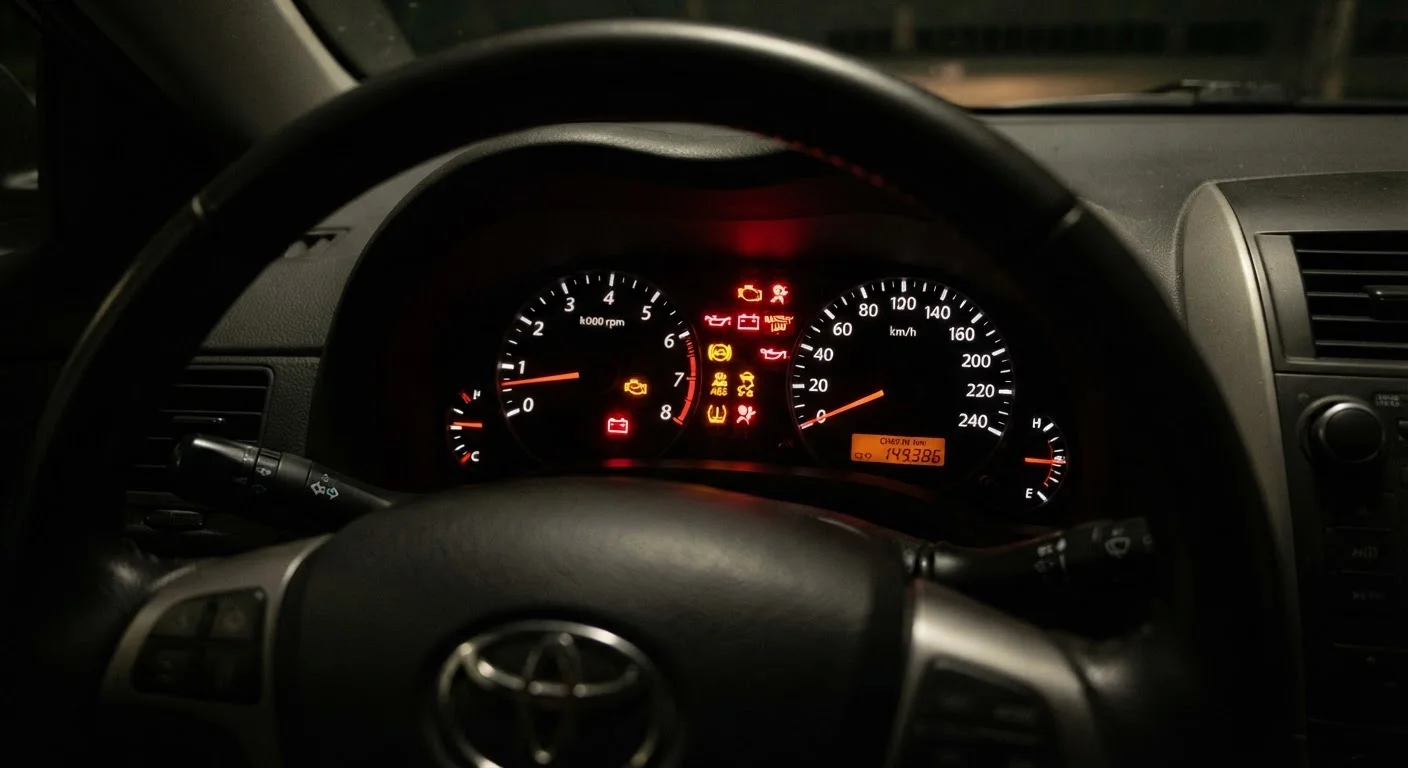
Scan the dashboard for any warning lights that remain on after the startup self-test clears. Address any red or amber warnings before proceeding.Must
Check fuel level and confirm you have enough for your trip, with a reasonable reserve.Must
Test your windshield wipers and washer fluid — you may not know they're faulty until you need them in rain.Should
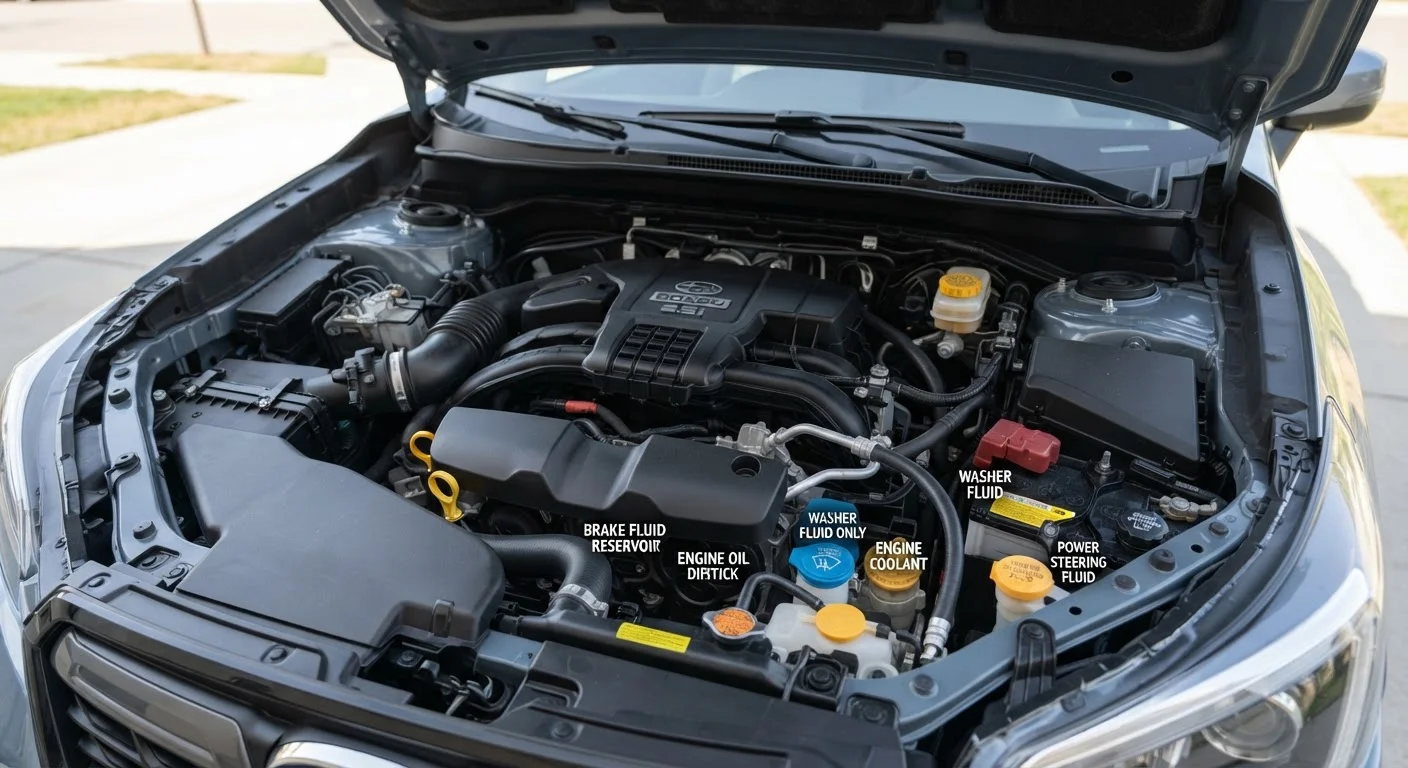
Pop the hood once a week (not necessarily every trip) to check engine oil, coolant, and brake fluid levels. Flag any that are consistently dropping.Should
Immediate Environment
Walk around the vehicle before backing up to check for children, animals, or obstacles in your path — especially in driveways.Must
Note current weather and road conditions; adjust your planned speed, following distance, and departure time accordingly.Should
If driving in winter conditions, allow additional time for a warm-up period if needed and confirm your defroster is working before you need it.Should
Verify you have emergency essentials in the car — jumper cables or a jump starter, a basic first-aid kit, and a reflective triangle or flares.Nice to have
Take a moment to assess your own readiness: are you well-rested, sober, and mentally present? Impairment — from fatigue, medication, or distraction — is a vehicle hazard too.Must
Tools You'll Use
You don't need a full garage to run through this checklist. A few basic items make it faster and more reliable.
Required
Tire pressure gauge
Lets you check actual PSI against your vehicle's recommended pressure, found on the driver-door jamb sticker.
Optional
Flashlight or phone torch
Helps you inspect under the vehicle, inside wheel wells, and under the hood in low-light conditions.
Optional
Tread depth gauge or penny
Measures remaining tire tread — insert a penny head-first into the tread groove; if you see the top of Lincoln's head, tread is worn low.
Optional
Windshield washer fluid
Keep a jug in the garage so you can top off the reservoir as part of a weekly under-hood check.
Required
Vehicle owner's manual
Confirms correct fluid types, tire pressures, and what specific dashboard warning lights mean for your make and model.
Going Deeper: When the Checklist Flags Something
The pre-drive check is a detection tool — it tells you something needs attention. What you do next depends on what you find.
If a tire looks low, add air before driving. Driving on an underinflated tire can damage the sidewall quickly, especially at highway speeds. If it won't hold pressure, don't drive until it's inspected or replaced.
If a fluid level is low, top it off if you know the correct fluid type — but also investigate why it dropped. Fluids don't disappear; a recurring low level usually means a leak. Our guide to car fluids every driver should know how to check walks through what's under the hood and how to monitor each one safely.
If a warning light is on, don't ignore it or assume it will sort itself out. Some lights — like low fuel or a door ajar — are advisory. Others, like a red oil pressure or temperature warning, signal conditions that can destroy an engine within minutes of driving. Understanding dashboard warning lights before a trip is part of the check itself.
If you notice anything you can't resolve yourself, knowing the limits of DIY maintenance helps you decide when a mechanic is the right call — which is always better than guessing. For a broader view of keeping your vehicle in reliable shape year-round, the car maintenance hub is a practical starting point.
Once you're rolling, this pre-drive habit pairs naturally with staying alert on the road. Situational awareness behind the wheel picks up where the driveway check leaves off — helping you read traffic, spot hazards early, and stay ahead of trouble.
Auto Essentials Editorial Team is the collective byline for our editorial team and contributor network. Articles published under this byline or an editorial pen name are researched, written, and reviewed according to our editorial standards for clarity, consistency, and independence before publication.
The content provided on our blog site traverses numerous categories, offering readers valuable and practical information. Readers can use the editorial team’s research and data to gain more insights into their topics of interest. However, they are requested not to treat the articles as conclusive. The website team cannot be held responsible for differences in data or inaccuracies found across other platforms. Please also note that the site might also miss out on various schemes and offers available that the readers may find more beneficial than the ones we cover.