
Why Teen Drivers Face Higher Crash Risk
Motor vehicle crashes are a leading cause of injury and death among teenagers in the United States. According to the Centers for Disease Control and Prevention (CDC), teen drivers aged 16–19 are at considerably higher crash risk per mile driven than drivers aged 20 and older — with risk being highest in the first months of solo driving.
The core problem is an experience gap. Driving safely requires the brain to process multiple streams of information simultaneously — road conditions, traffic patterns, pedestrian movement, speed management — while making split-second decisions. That kind of automatic processing only develops through thousands of hours of real-world practice. New drivers have to think consciously about things experienced drivers handle instinctively, which slows reaction time and increases the chance of missing a critical cue.
Brain development also plays a role. The prefrontal cortex, which governs risk assessment and impulse control, continues developing into a person's mid-twenties. This doesn't mean teens can't be safe drivers, but it does mean they benefit more from structure, supervision, and clear rules than older drivers do.
Graduated Driver Licensing (GDL)
A multi-stage licensing system that introduces new drivers to unsupervised driving gradually, with restrictions that ease as experience and age increase.
Learner's permit
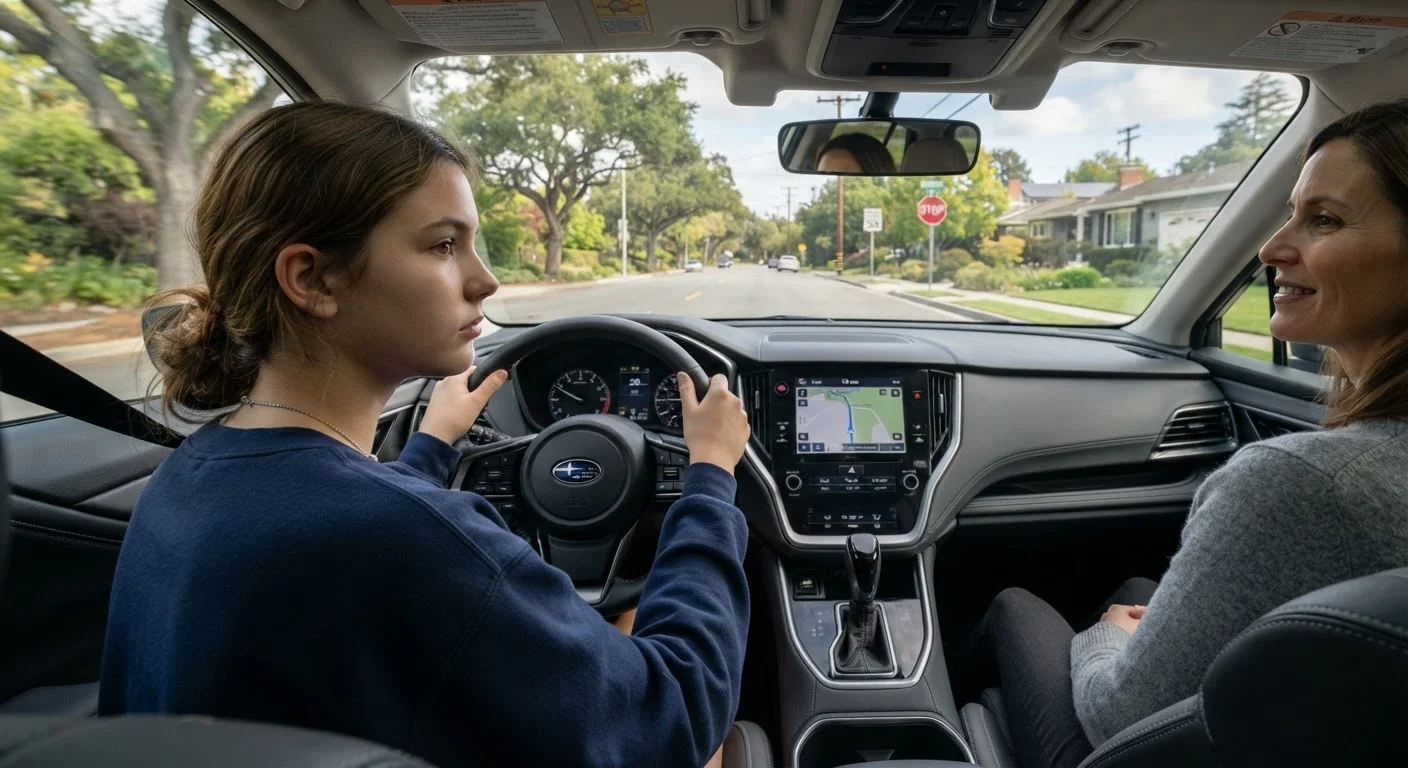
The first stage of most state licensing programs, allowing a new driver to practice only while supervised by a licensed adult.
Cognitive distraction
Mental distraction that draws a driver's attention away from the road, even when their eyes and hands are in the right place — such as talking on a hands-free phone.
Experience gap
The difference in skill between a new driver and an experienced one, created by the limited number of hours the new driver has spent behind the wheel in varied conditions.
Following distance
The space maintained between your vehicle and the one ahead, which determines how much time you have to react and brake safely.
How Graduated Licensing Works
All 50 states and Washington, D.C. have some form of Graduated Driver Licensing (GDL) system. GDL programs are designed to let new drivers build experience gradually, restricting access to higher-risk driving situations until they've demonstrated basic competence.
Most GDL programs include three stages:
- Learner's permit: The new driver must be supervised by a licensed adult at all times. This stage typically requires a written knowledge test and a minimum number of supervised driving hours.
- Restricted (provisional) license: The teen can drive unsupervised but under specific limits — commonly, no driving after a certain hour (often 9 or 10 p.m.) and no more than one or two non-family passengers.
- Full license: Restrictions are lifted, typically when the driver reaches a certain age (often 18) and has maintained a clean record.
The specific rules vary significantly by state, so it's worth reviewing your state's DMV requirements directly. The core logic is consistent: limit the combination of inexperience, nighttime driving, and peer passengers — three factors that consistently appear in crash data involving teens.
The Biggest Hazards for New Drivers
Understanding where crash risk actually concentrates helps families and new drivers make smarter decisions. Research points to a consistent set of high-risk scenarios:
- Distraction: Phone use is the most visible distraction, but passengers, music, and in-car screens also compete for attention. Our guide on distracted driving myths and real dangers breaks down what the evidence actually shows about different distraction types.
- Peer passengers: The presence of teen passengers measurably increases crash risk. How passengers affect driver attention and risk explores this dynamic in detail.
- Nighttime driving: Reduced visibility, increased fatigue, and a higher proportion of impaired drivers on the road make night driving more dangerous for everyone — and especially for the inexperienced.
- Speeding: New drivers tend to have difficulty accurately judging safe following distance and stopping distance, making speed management a critical early skill.
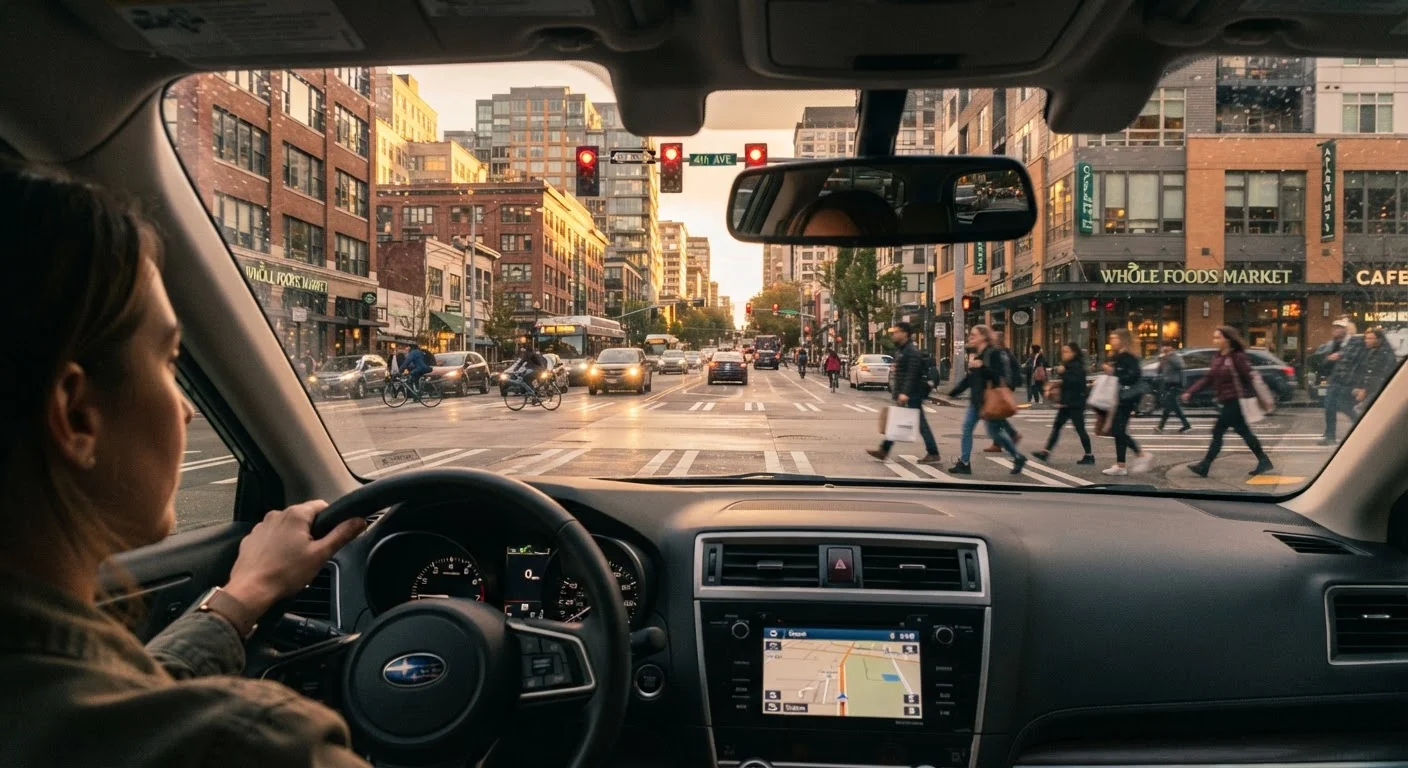
- Intersections: Many teen crashes occur at or near intersections, where quick decisions about right-of-way and traffic flow are required. Situational awareness behind the wheel covers how to read these situations early.
Building Safe Habits from Day One
Safe driving is a skill, and skills are built through deliberate, structured practice. The supervised permit stage is the most valuable window for developing good habits — before bad ones have a chance to take root.
A few principles that matter most for new drivers:
- Always wear a seatbelt — no exceptions. Seatbelt use reduces the risk of death in a crash significantly, yet teens have lower seatbelt use rates than older drivers.
- Practice in varied conditions. Supervised hours should include highway driving, merging, night driving, rain, and heavy traffic — not just familiar neighborhood routes.
- Run a pre-drive check. Getting into the habit of checking mirrors, seat position, fuel level, and tire condition before every trip builds awareness. Our pre-drive safety checklist is a solid starting point.
- Zero tolerance for phones. This means no texting, no hands-free calls, and no glancing at navigation while moving. Pull over safely if something requires attention.
Make Practice Sessions Count
Rather than logging miles on the same familiar route, vary each supervised session deliberately. Practice highway merging one day, parallel parking the next, and night driving when conditions allow. Exposure to a wide range of situations builds the mental library a new driver draws on when something unexpected happens.
Consistent vehicle maintenance also reduces risk. A teen driver is safer in a car with reliable brakes, good tires, and working lights. See our car maintenance guides for practical upkeep basics.
What Families Can Do to Help
Parents and guardians have more influence over teen driving safety than most realize. Research suggests that teens whose families set clear, consistent driving rules and maintain open conversations about road safety have better outcomes than those who don't.
Practical steps families can take:
- Log more supervised hours than the minimum. Many safety groups suggest aiming for 50 or more hours, including at least 10 at night. The state minimum is often a floor, not a target.
- Create a written family driving agreement. Put expectations around curfews, passengers, phone use, and what to do in an emergency into writing. Review it together and treat it as a living document.
- Model good behavior. Teens pay attention to how the adults in their lives actually drive — not just what they're told. Phone-free, seatbelted, unhurried driving sets a real standard.
- Keep the conversation open. A teen who feels they can call for a ride without fear of punishment is safer than one who drives in an uncomfortable situation to avoid a difficult conversation.
This article is for general informational and educational purposes only. Always consult your state's DMV and applicable traffic laws for requirements specific to your location.