
The Passenger Effect: Not as Simple as It Sounds
Most drivers assume passengers are neutral — just along for the ride. The reality, backed by decades of traffic safety research, is more layered. Passengers can make a driver safer or considerably more dangerous, depending on who they are, how many there are, and how much experience the driver has behind the wheel.
This isn't about banning carpools or silencing conversation. It's about understanding a real, measurable influence on driver attention so you can manage it consciously rather than be caught off guard. For context on how other common factors impair driving, see our overview of distracted driving myths and realities.
4x
Increased fatal crash risk for teen drivers with 3+ passengers
According to AAA Foundation for Traffic Safety research, teen drivers with three or more passengers face roughly four times the fatal crash rate compared to driving alone.
58%
Teen crash fatalities involving distraction or passengers
NHTSA data has indicated that a majority of fatal teen driver crashes involve some form of distraction, with passengers being a leading contributing factor.
~8%
Reduction in crash risk for experienced drivers with a passenger
Some traffic safety research suggests that for experienced adult drivers, having an adult passenger correlates with a modest reduction in crash likelihood compared to solo driving.
When Passengers Increase Risk: The Teen Driver Problem
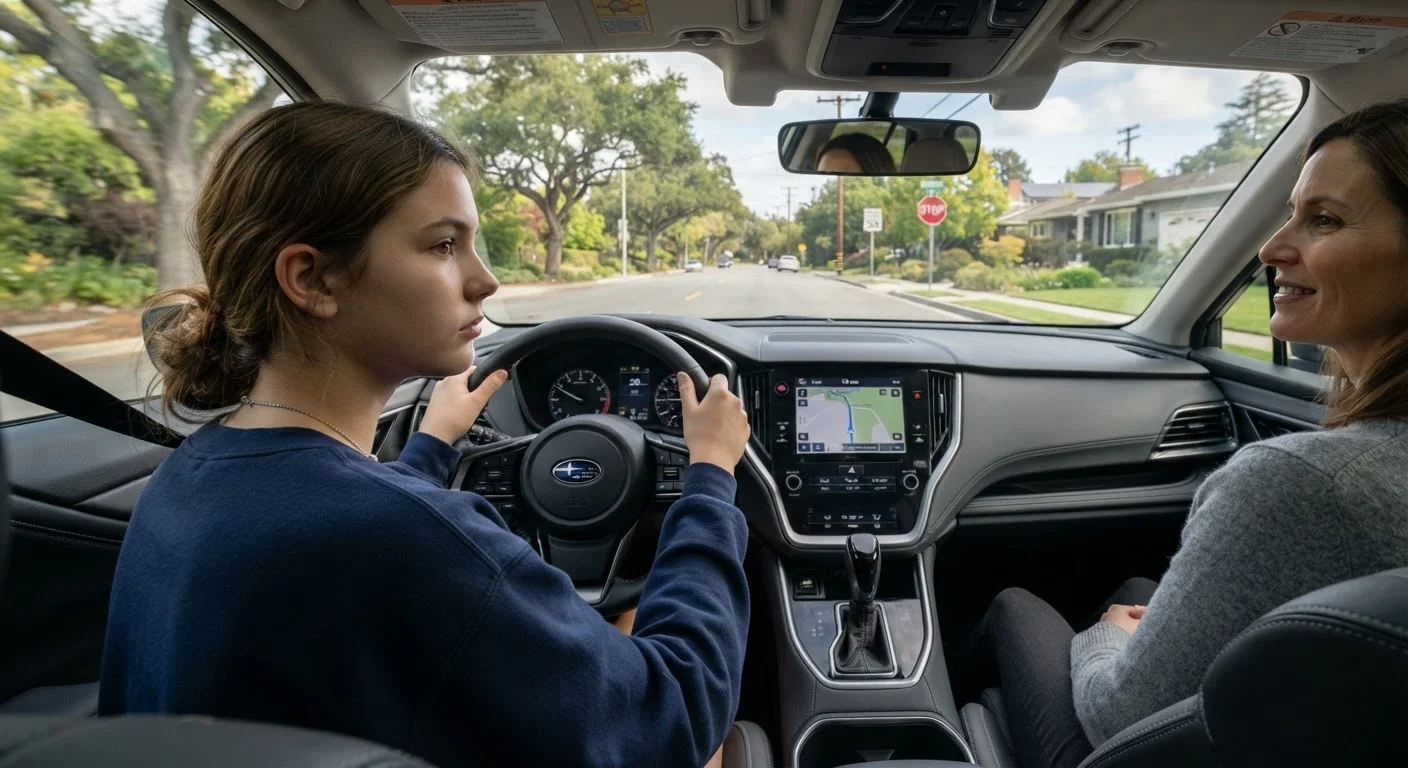
The clearest, most well-documented case of passengers raising crash risk involves teen drivers. Studies from the AAA Foundation for Traffic Safety and data from the National Highway Traffic Safety Administration (NHTSA) have consistently found that newly licensed drivers face a higher likelihood of a fatal crash when peer-aged passengers are in the car — and the risk climbs with each additional passenger.
The reasons are both cognitive and social. Teen drivers are still building the mental bandwidth needed to juggle navigation, speed management, and road scanning all at once. Add a friend in the passenger seat cracking jokes or a backseat full of classmates, and the available attention gets divided quickly. There's also a social dynamic at play: peer presence can encourage risk-taking behavior like speeding or skipping seatbelts.
This is precisely why most states have passed graduated driver licensing (GDL) laws that restrict the number of passengers a newly licensed teen can carry, particularly in the first six months to a year of solo driving. These aren't arbitrary rules — they reflect what crash data actually shows. For a broader look at the hazards new drivers face, see our guide on teen driver safety.
When Passengers Help: The Experienced Driver Difference
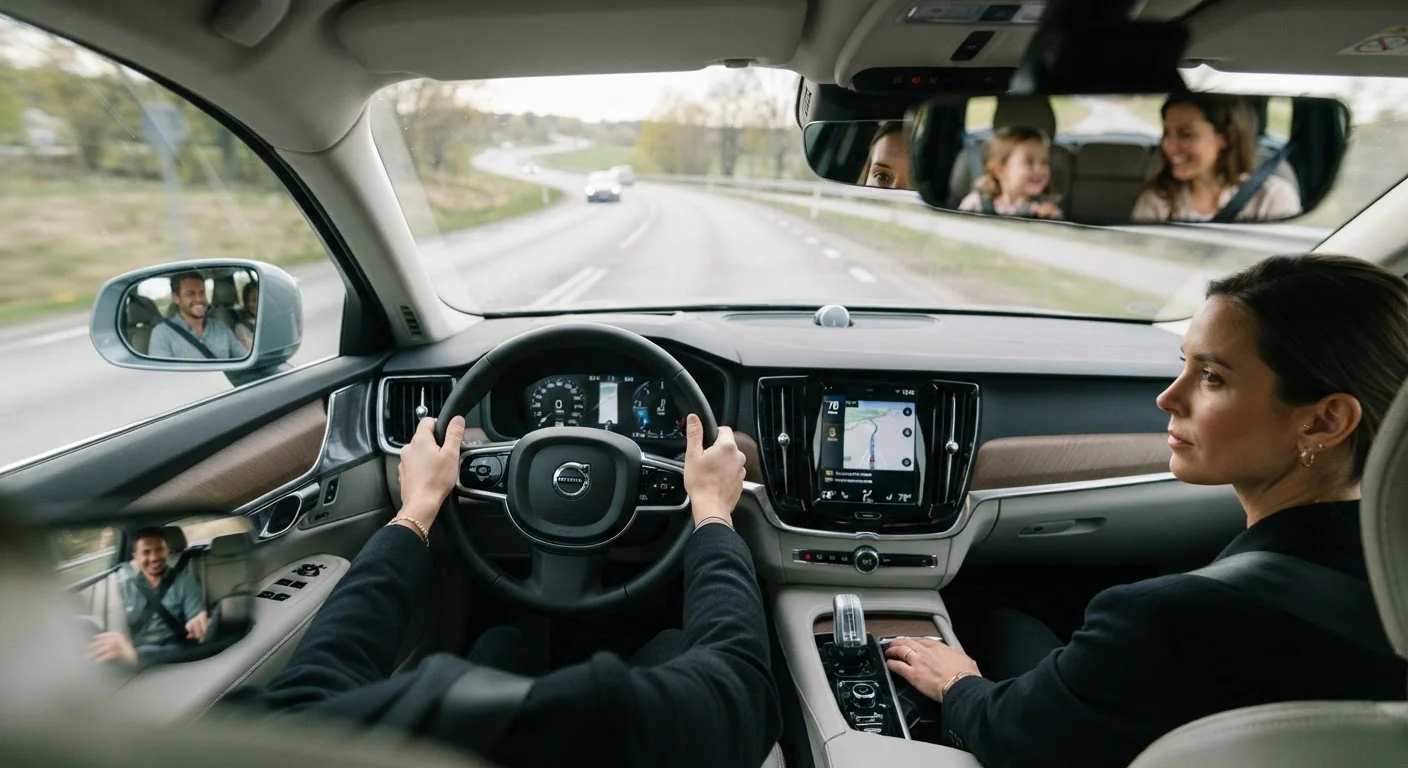
For adult drivers with years of experience, the picture flips. Research has found that a calm, attentive adult passenger can actually reduce crash risk compared to driving alone. This makes intuitive sense: a trusted co-pilot can flag a missed stop sign, help navigate, or simply keep a tired driver more alert and engaged.
The key distinction is the nature of the conversation and the experience level of the driver. A low-intensity, back-and-forth exchange between adults tends to pause naturally when traffic gets complex — something a phone call on the other end of the line won't do. That self-regulating quality of in-person conversation is part of why it differs from other types of distraction. If fatigue compounds the situation, the risks multiply; for more on that, read our piece on why drowsy driving is more dangerous than most drivers realize.
A Simple Rule for Teen Drivers
If you're the parent of a new driver, check your state's GDL passenger restrictions and enforce them consistently — even for short trips. Research shows that many teen crashes happen close to home on familiar roads, where both driver and passenger are most relaxed and least cautious.
Practical Habits for Managing Passengers Safely
Whether you're a new driver or a seasoned one, a few straightforward habits can keep passenger interactions from pulling your attention where it doesn't belong.
- Set expectations before you move: If you need to focus — merging onto a highway, navigating an unfamiliar intersection — it's fine to say so. Most passengers will understand a brief pause in conversation.
- Keep the volume reasonable: Loud music or a rowdy backseat raises the cognitive load and can mask important audio cues like horns or sirens.
- Don't turn to face passengers: Visual attention belongs on the road. Glancing to the side or rear, even briefly, removes your eyes from where they need to be.
- Address conflict off the road: Emotionally charged arguments are among the most impairing conversations a driver can have. Pull over safely if a conversation becomes heated.
- Model the behavior you want: For parents of teen drivers, how you handle passengers in your own car sends a louder signal than any lecture. For more, see our guide to lane changes and merging habits for other common attention gaps on the road.