
Why Merging and Lane Changes Go Wrong
Lane changes look simple — flip a signal, move over, done. But on a highway at 65 mph, even a small misjudgment closes the gap between vehicles in under a second. The National Highway Traffic Safety Administration (NHTSA) has consistently identified improper lane changes as a contributing factor in a significant share of highway crashes, particularly sideswipe and rear-end collisions.
Most of these mistakes aren't caused by reckless intent. They happen because of rushed decision-making, incomplete scanning habits, or a misunderstanding of how speed and distance interact at highway speeds. Understanding where these habits break down is the first step to driving more predictably — and more safely.
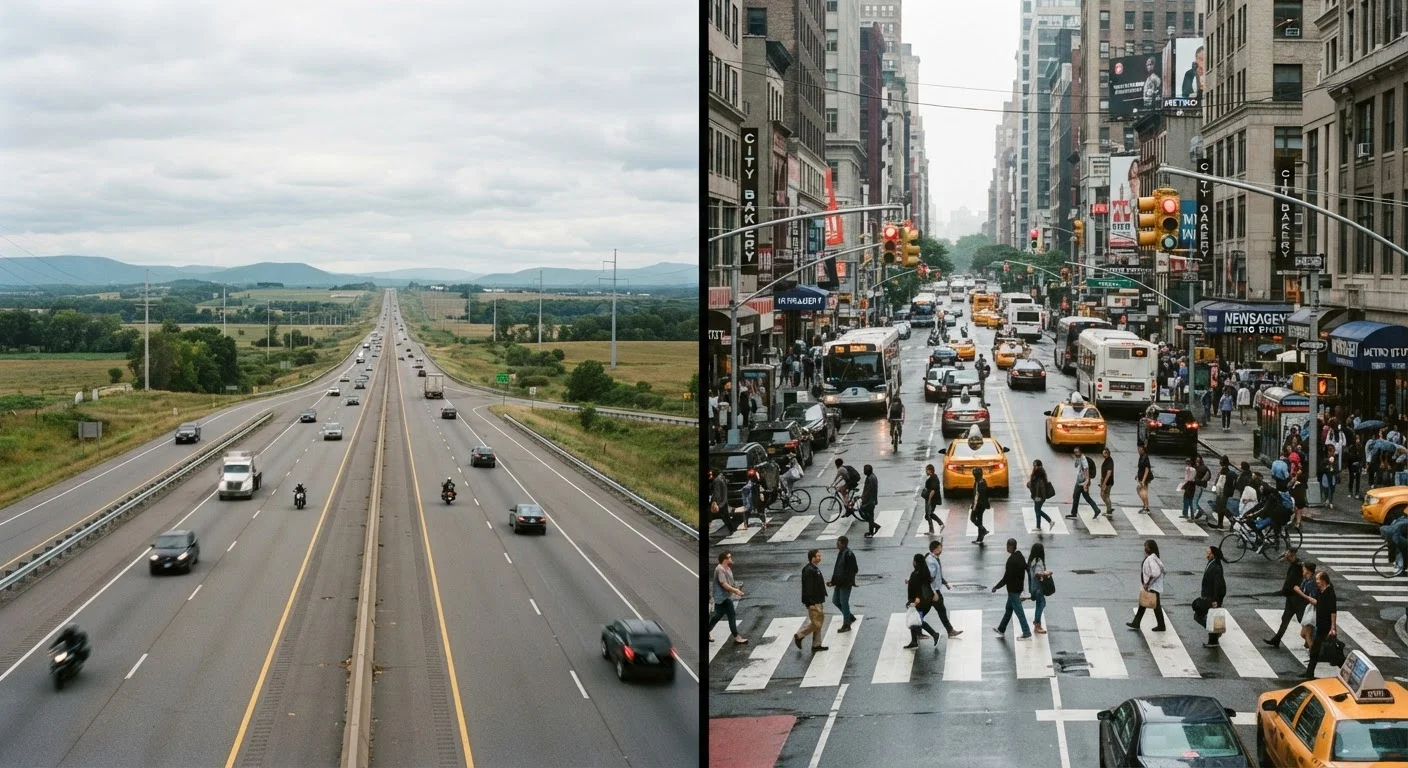
For a broader look at how highway driving demands differ from city driving, see our guide to adapting your habits for each environment.
The Mistakes That Create the Most Friction
These are the lane-change and merging errors that show up most often in crash data and driver safety research. Each one is fixable with deliberate habit changes.
Signaling too late — or not at all — before changing lanes.
Why it happens: Many drivers treat the turn signal as a notification that they are already moving rather than a request for space. At highway speeds, a late signal gives surrounding drivers almost no time to respond.
Relying only on mirrors and skipping the physical blind-spot check.
Why it happens: Modern mirrors create a sense of complete coverage, but every passenger vehicle has blind zones on both rear quarters that mirrors don't fully capture. Drivers often overestimate what their mirrors show.
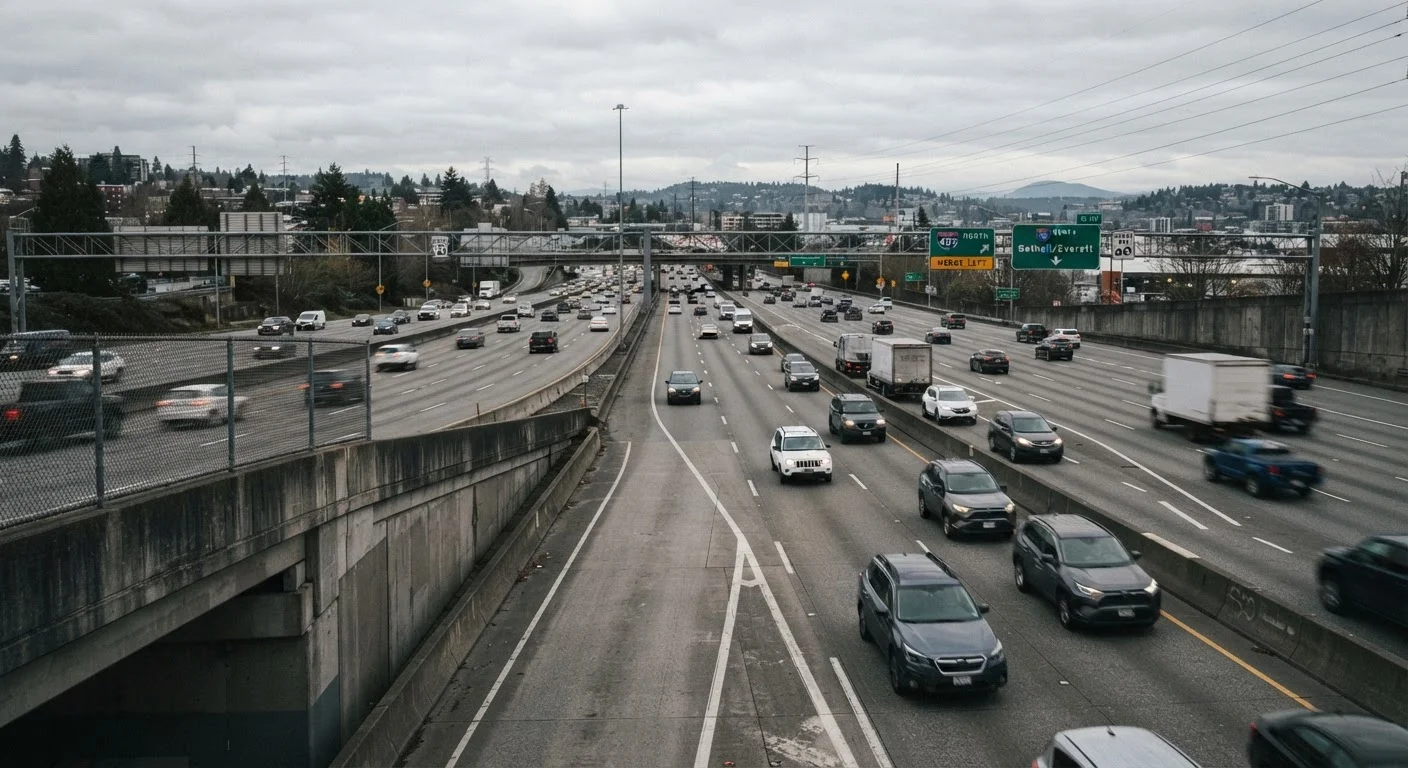
Merging onto a highway well below the speed of existing traffic.
Why it happens: Drivers sometimes treat the on-ramp as a place to be cautious, slowing down or stopping before joining the highway. This misunderstands how merging works — the goal is to match traffic speed, not pause and wait for a gap.
Cutting across two or more lanes in a single maneuver.
Why it happens: A missed exit or a last-second navigation decision can prompt drivers to make a sweeping diagonal move across multiple lanes at once. It feels like solving the problem quickly, but it's unpredictable to everyone around you.
Speeding up to block a merging vehicle instead of adjusting to allow safe entry.
Why it happens: Some drivers view yielding as losing position, particularly in heavy traffic. The impulse to close a gap and prevent someone from merging is a defensive reaction that actually increases collision risk for everyone.
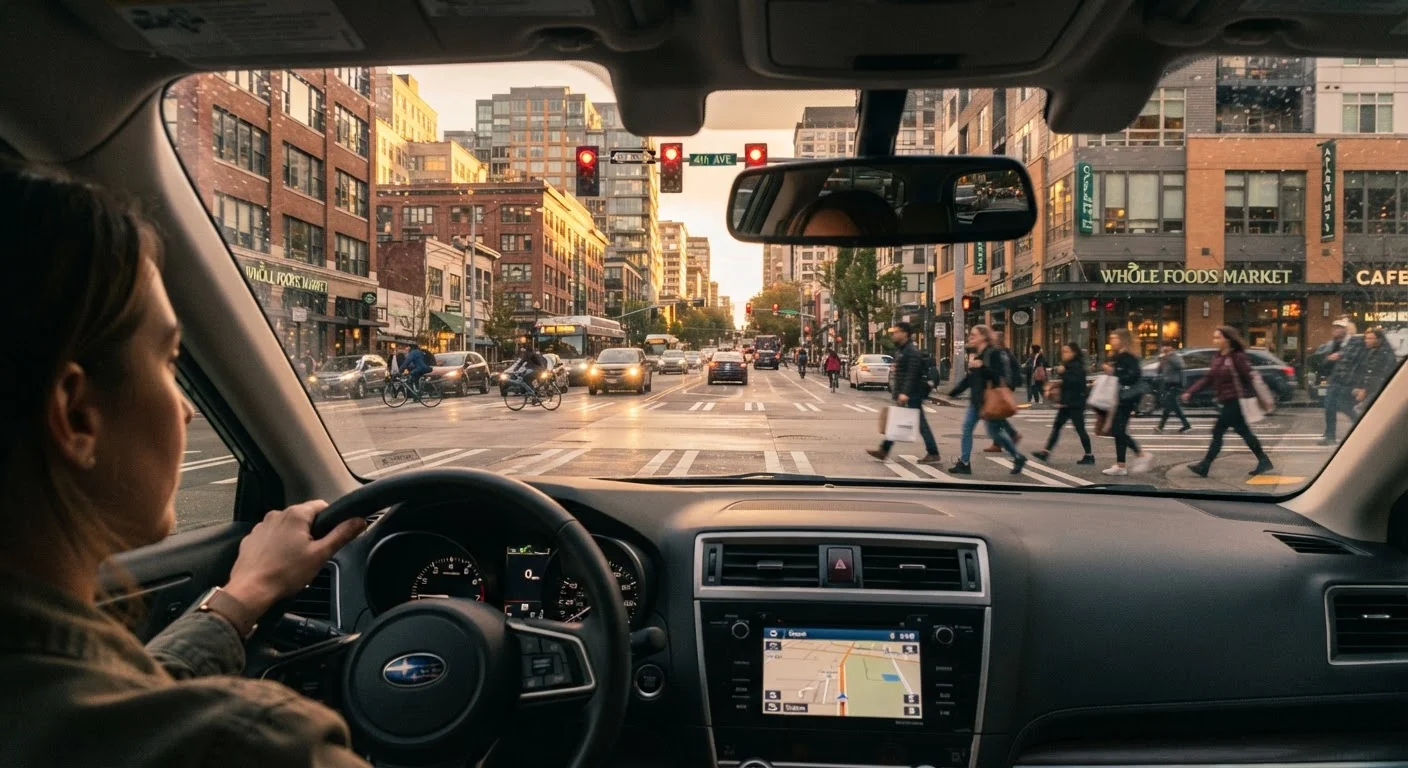
Changing lanes inside an intersection or in a no-lane-change zone.
Why it happens: Drivers focused on destination or following GPS instructions sometimes make lane changes in locations where they're not legal or safe — including inside intersections or across solid white lines.
Building Better Habits Before You Move Over
~9%
Highway crashes linked to improper lane changes
NHTSA crash data has identified lane-change errors as a contributing factor in a notable share of all highway-speed collisions, with sideswipes being the most common result.
1.5 sec
Typical driver reaction time to unexpected lane changes
At 65 mph, a vehicle travels roughly 143 feet during a standard 1.5-second reaction window, underscoring why early signaling matters.
Safe lane changes are built on situational awareness — knowing what's around your vehicle before you decide to move. That means scanning your mirrors every five to eight seconds as a baseline, not just when you're about to change lanes. It also means understanding your vehicle's blind spots, which vary by vehicle size and mirror adjustment.
Developing this kind of proactive scanning is a skill, not a personality trait. Our guide to situational awareness behind the wheel walks through practical techniques for reading the road before problems develop.
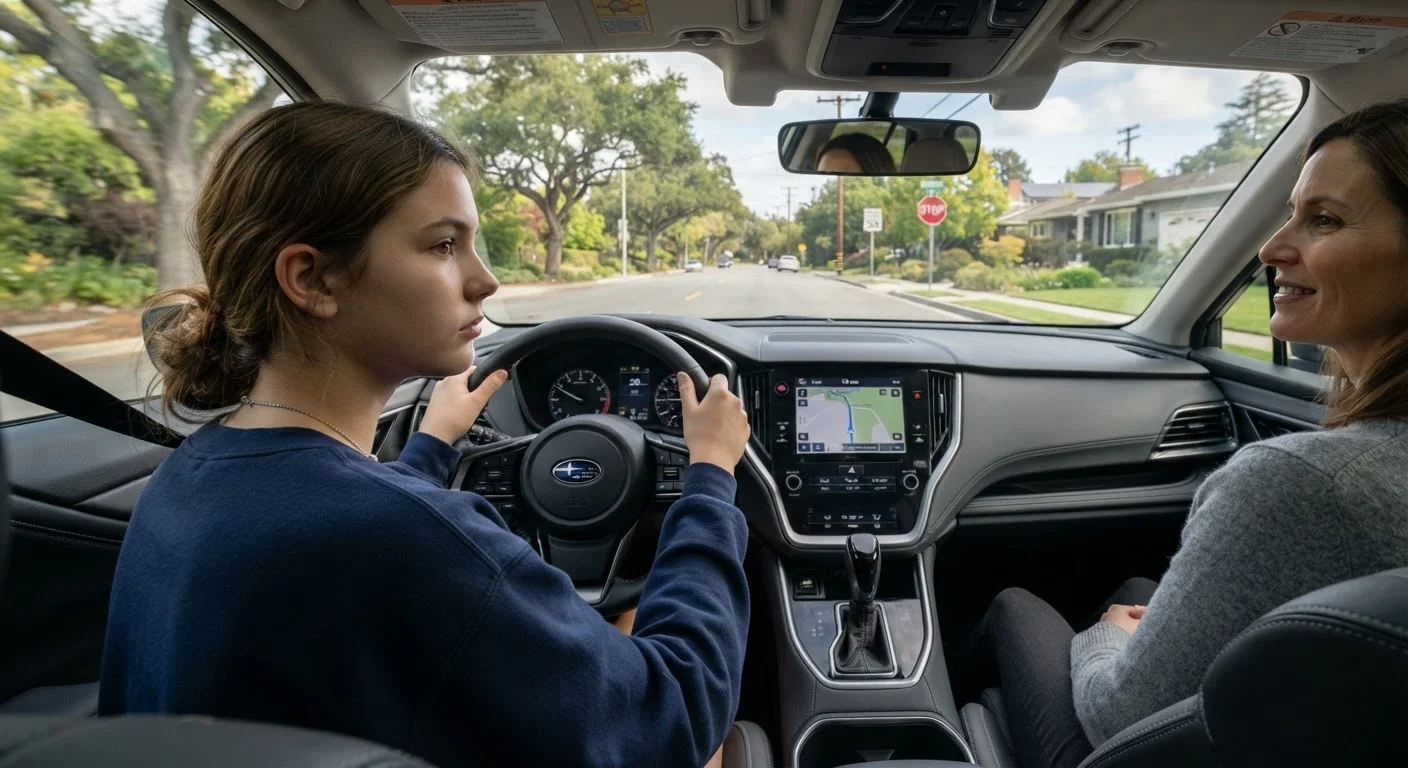
New drivers are especially vulnerable to these patterns. The instinct to rush or misjudge gaps is most common in the first two years of driving. If you have a teen driver in the family, the habits discussed here are worth reviewing together — see our teen driver safety overview for more context on building safe habits early.
Passengers can also affect how carefully a driver scans and signals. Research on how passengers affect driver attention and risk suggests that social dynamics in the car can pull focus at exactly the wrong moment.