
Two Different Roads, Two Different Risk Profiles
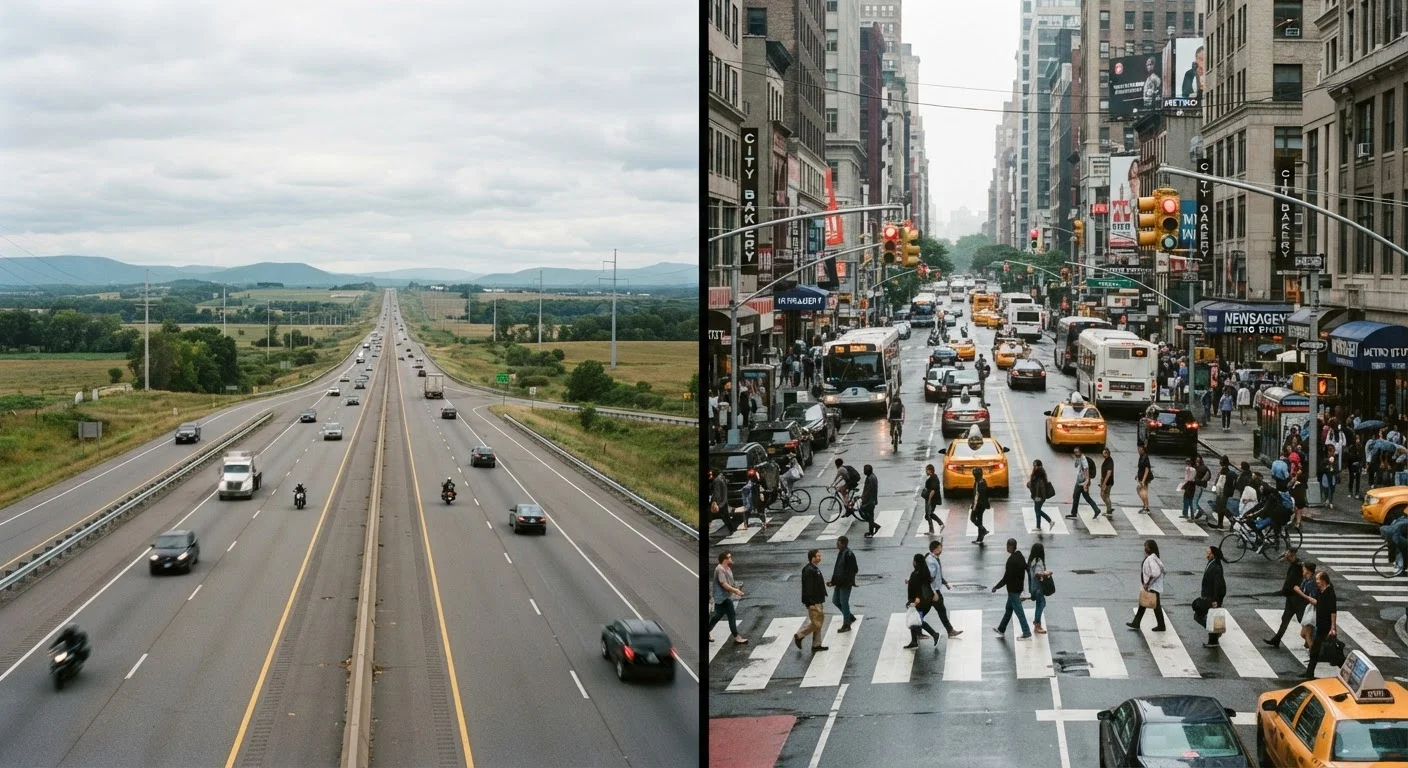
At first glance, highway driving seems safer than city driving — fewer traffic lights, no pedestrians darting across the street, and a more predictable flow. In some ways that's true. But the risks on a freeway at 70 mph are just as real as those at a downtown intersection — they're simply different in nature.
On the highway, the consequences of a lapse in attention are compounded by speed. A two-second distraction at 70 mph means your vehicle travels roughly 205 feet without you actively managing it. In the city, hazards appear more suddenly and from more directions — a cyclist in your blind spot, a pedestrian stepping off a curb, a delivery truck blocking half a lane. Both environments demand full engagement; they just demand different kinds.
Understanding which skills matter most in each setting helps you adapt instead of applying a one-size-fits-all approach to every drive. Good situational awareness is the common thread — but what you're scanning for changes depending on where you are.
Highway Driving: Speed, Distance, and Fatigue
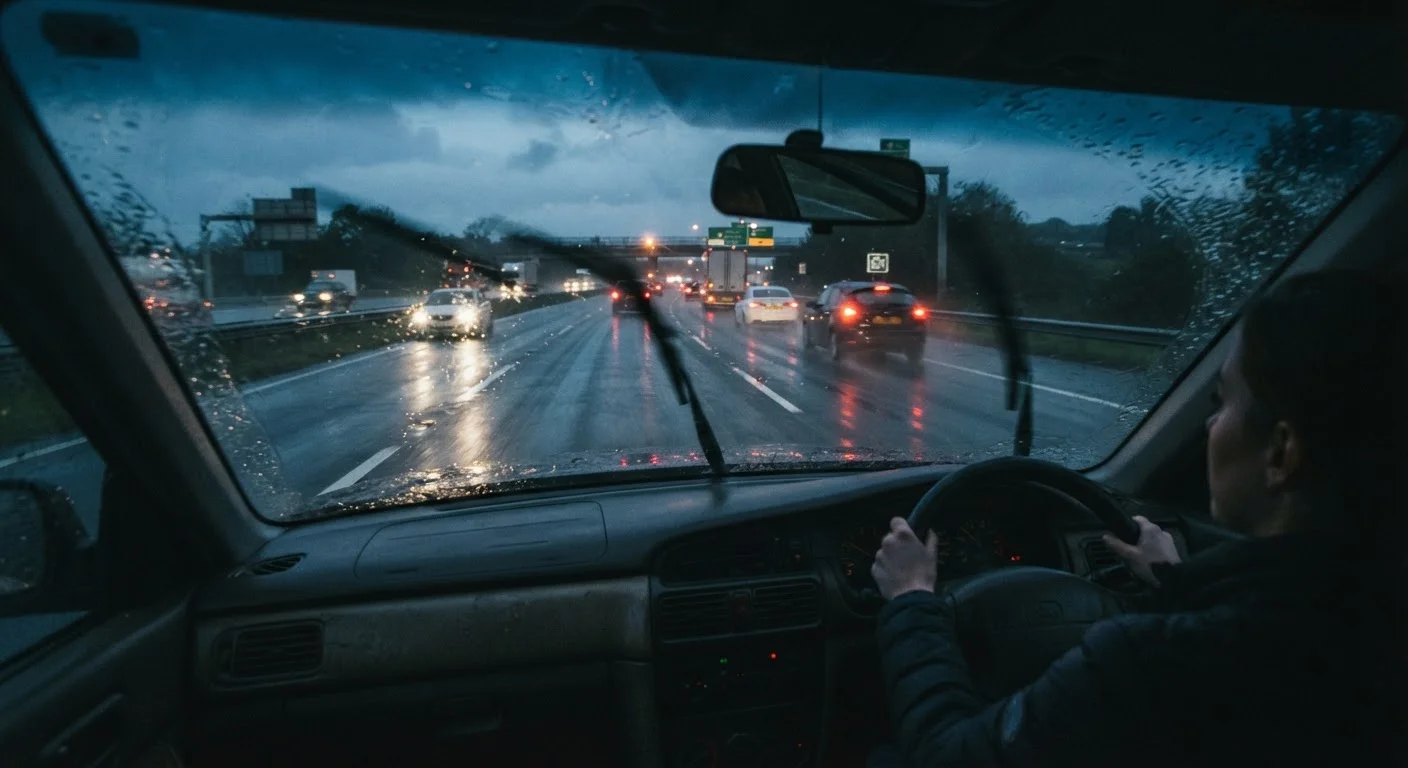
The biggest variables on the highway are speed and following distance. At higher speeds, you need significantly more space to stop safely. A commonly taught guideline is the three-second rule — pick a fixed point ahead, and make sure at least three seconds pass between when the car in front passes it and when you do. In poor weather or heavy traffic, extend that to four or five seconds.
Merging and lane changes are where many highway crashes originate. Signal early, check mirrors and blind spots thoroughly, and avoid the tendency to rush into gaps. Matching the speed of traffic before merging — rather than slowing down in the on-ramp lane — is a habit that reduces friction and risk simultaneously.
Driver fatigue is a persistent hazard on longer highway stretches. Monotonous scenery and consistent speed can make drowsiness set in faster than drivers expect. If you feel yourself getting heavy-eyed, pulling off safely is the only reliable fix — opening a window or turning up the radio can mask the feeling temporarily but won't restore alertness.
| Criterion | Highway Driving | City Driving |
|---|---|---|
| Typical speed range | 55–75 mph | 15–45 mph |
| Primary crash cause | Tailgating, unsafe lane changes | Intersection violations, pedestrian conflicts |
| Following distance needed | 3–5 seconds minimum | 2–3 seconds, constant stops |
| Key hazard type | Fatigue, high-speed merging | Pedestrians, cyclists, signals |
| Distraction impact | 200+ feet traveled per 2 seconds | Missed pedestrians, signal changes |
| Weather sensitivity | High — braking distance multiplies | High — stopping on wet pavement |
| Critical skill | Smooth merging, distance management | Intersection scanning, yielding |
City Driving: Complexity, Pedestrians, and Intersections
Urban driving packs more hazards per mile than almost any other environment. Intersections are where most city crashes happen — and they demand a specific kind of attention. Don't assume a green light means it's safe to accelerate immediately; scan cross-traffic first, especially at wide intersections where someone may be running a late red.
Pedestrians and cyclists move unpredictably. Children especially can step into the street without warning, and cyclists can appear in blind spots that drivers rarely check when moving slowly. Keeping your speed down in dense areas isn't just a legal requirement — it's what gives you enough reaction time to respond.
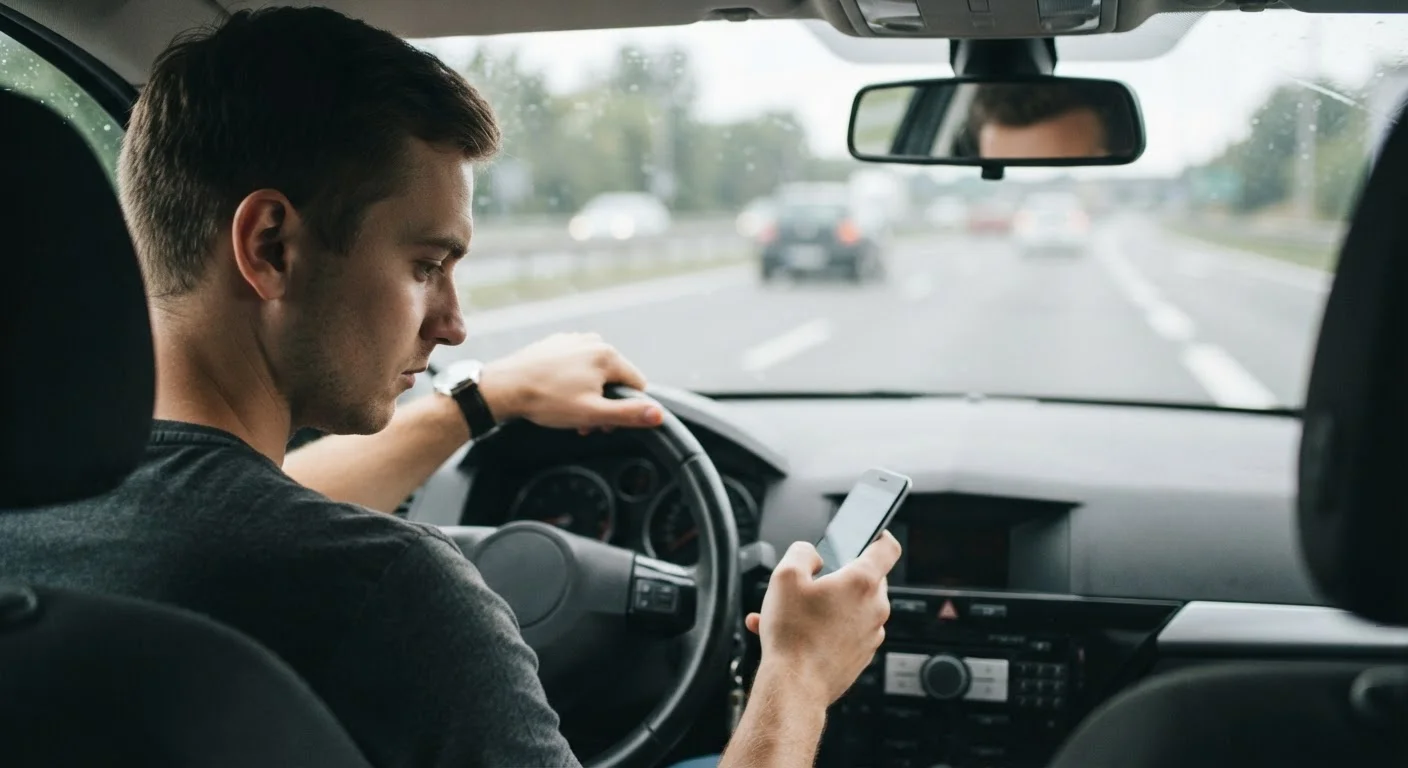
Distracted driving is especially dangerous in city environments. With so much happening in a short span — signs, signals, lane markings, pedestrians, cyclists, other vehicles — any divided attention creates real gaps in your ability to react. Even brief glances at a phone can mean missing a pedestrian who stepped off the curb while you were looking away.
Parking, turning, and yielding behavior also vary widely by city. Understanding the local rules for right-of-way at four-way stops and uncontrolled intersections will make your driving both safer and less frustrating for those around you.
The Transition Moments That Catch Drivers Off Guard
One underappreciated hazard is the transition between highway and city driving. After a long stretch at 65–70 mph, exiting onto surface streets can create a speed perception problem — 35 mph feels slow, so drivers often move faster than they realize. Checking your speedometer after exiting a highway is a practical habit, not an unnecessary one.
The reverse is also true. Drivers jumping from stop-and-go traffic onto an on-ramp need to accelerate confidently to match freeway speeds — hesitating creates a dangerous speed differential with traffic already on the highway.
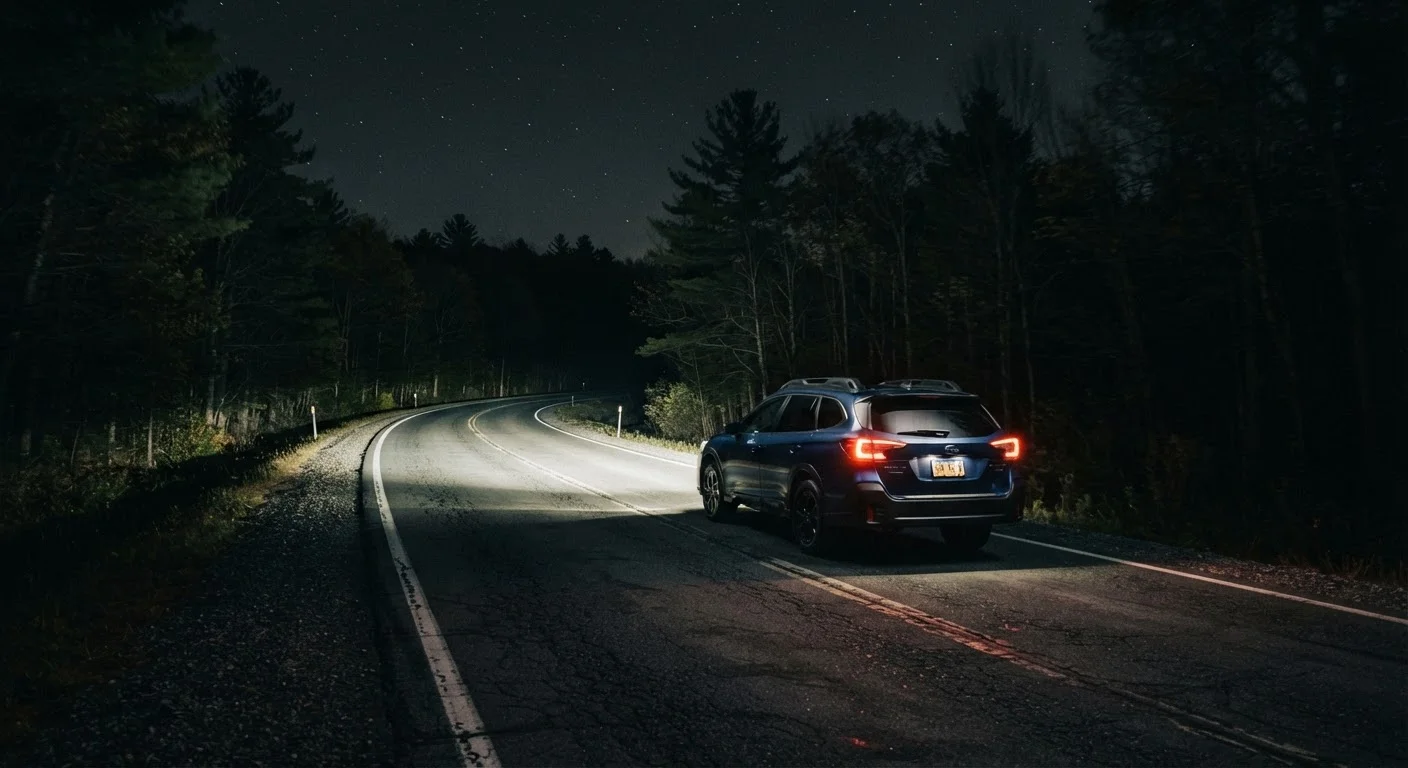
Weather changes both environments significantly. Rain, fog, ice, or snow require adjustments beyond just slowing down. Our guide on driving in bad weather covers how to adapt your technique across conditions that affect both city and highway environments. Similarly, if your commute includes a night driving portion, night driving habits deserve their own attention, since reduced visibility amplifies the challenges unique to each environment.
This article is for general informational and educational purposes. Always follow applicable traffic laws, posted speed limits, and official driver safety guidance for your state.