
Why Night Driving Is Genuinely More Dangerous
The numbers are hard to ignore. While roughly a quarter of all driving happens after dark, a disproportionate share of fatal crashes occur at night. The core reason is physics: human eyes are not designed for high-speed decision-making in low light. Your ability to detect contrast, judge distance, and perceive color all degrade significantly once the sun goes down.
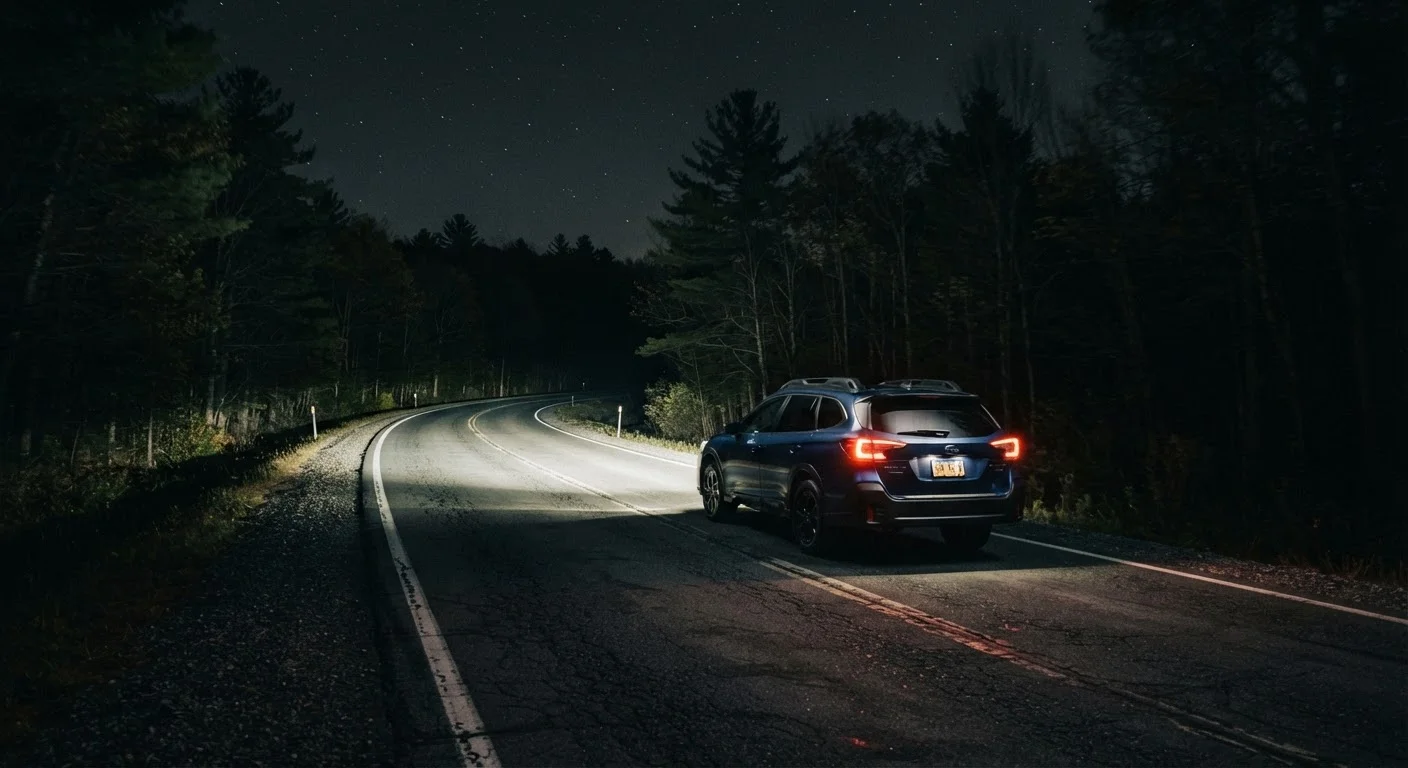
Low-beam headlights on most vehicles illuminate the road to about 200 feet ahead. At 60 mph, you're covering roughly 88 feet per second — meaning your full stopping distance can easily exceed what your headlights reveal. This gap between what you can see and what you need to see is sometimes called overdriving your headlights, and it's one of the most common and underappreciated hazards in everyday driving.
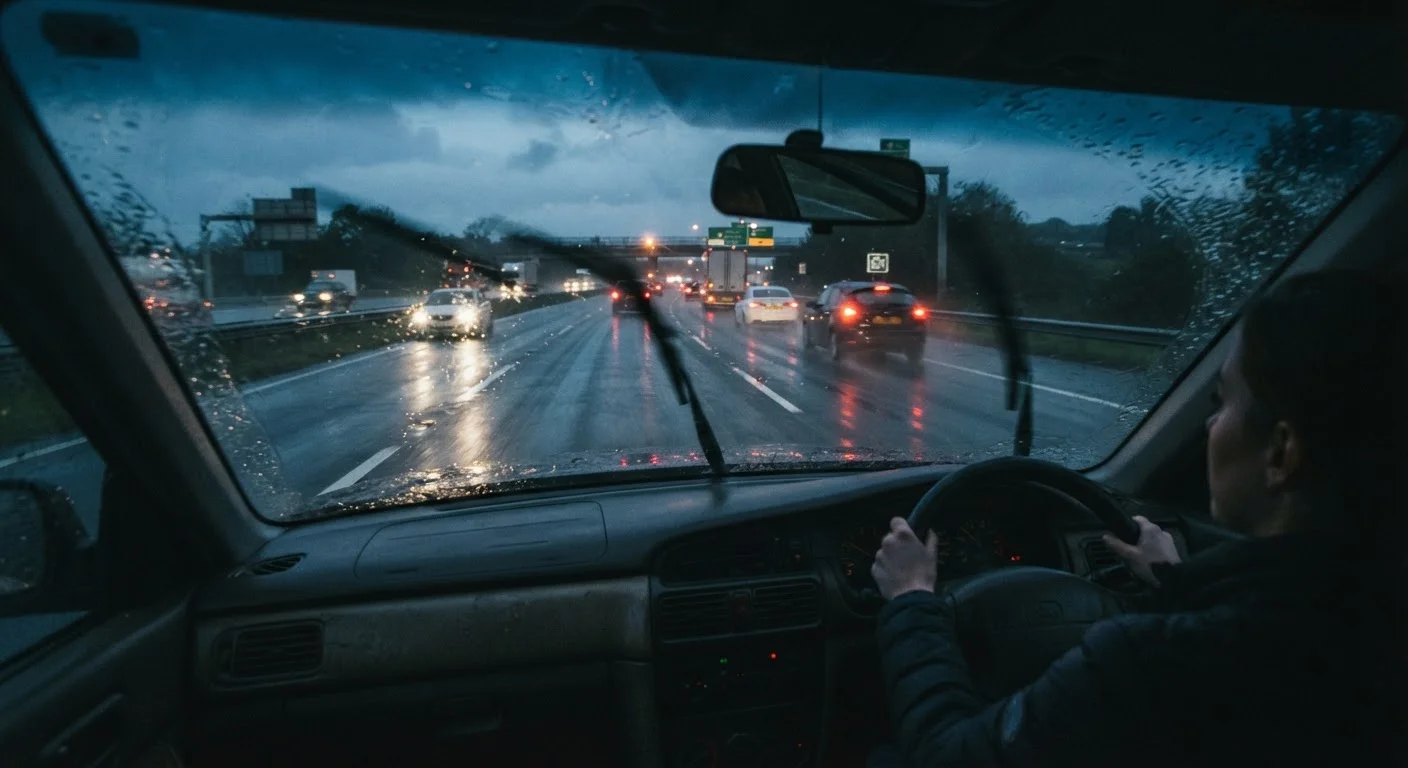
Night also compounds other risks. Impaired drivers are more likely to be on the road late at night, and pedestrian and animal crossings are harder to spot. If you're curious how other visibility challenges stack up, our guide on driving in rain, snow, fog, and ice covers overlapping risks in adverse conditions.
Best Practices for Managing Reduced Visibility
Adjusting how you drive after dark starts before you even pull out of the driveway.
Reduce your speed at night to stay within your headlight range
Overdriving your headlights means you can't stop in time if an obstacle appears at the edge of your visibility. Slowing down extends your effective reaction window and is one of the simplest adjustments you can make.
Use high beams on unlit roads — and dim them promptly for oncoming traffic
High beams can nearly double your visible range on dark roads, giving you more time to identify hazards. Failing to dim them for oncoming drivers, however, creates temporary blindness for the other driver, which is both dangerous and illegal in most states.
Keep your headlights and windshield clean before driving at night
Dirty headlight lenses scatter light instead of projecting it forward, reducing your effective illumination. A grimy windshield amplifies glare from oncoming lights, making it harder to see what's ahead.
Increase your following distance after dark
Brake lights and stopped vehicles are harder to spot at night, especially on unlit roads. Adding extra space between you and the car ahead gives you more time to react to sudden stops.
Pull over and rest if you notice signs of fatigue
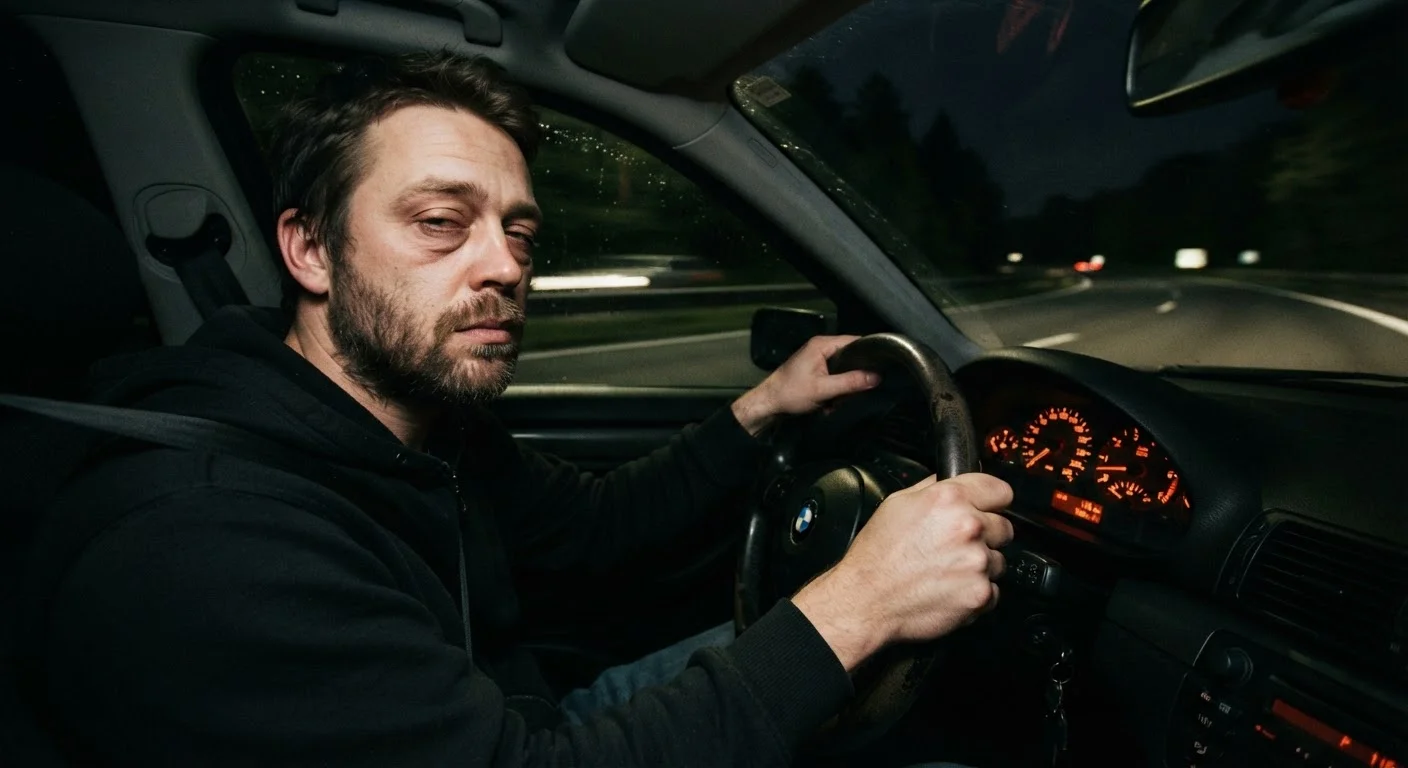
Drowsiness degrades judgment, slows reaction time, and can cause microsleep — brief blackouts that last long enough to cause a serious crash. Pushing through fatigue is not a reliable strategy.
Visibility isn't only about what your lights produce — it's also about what your windshield transmits. A hazy or smudged windshield scatters oncoming headlight glare dramatically. Clean the inside of your glass regularly, not just the outside. It's a two-minute habit that makes a real difference.
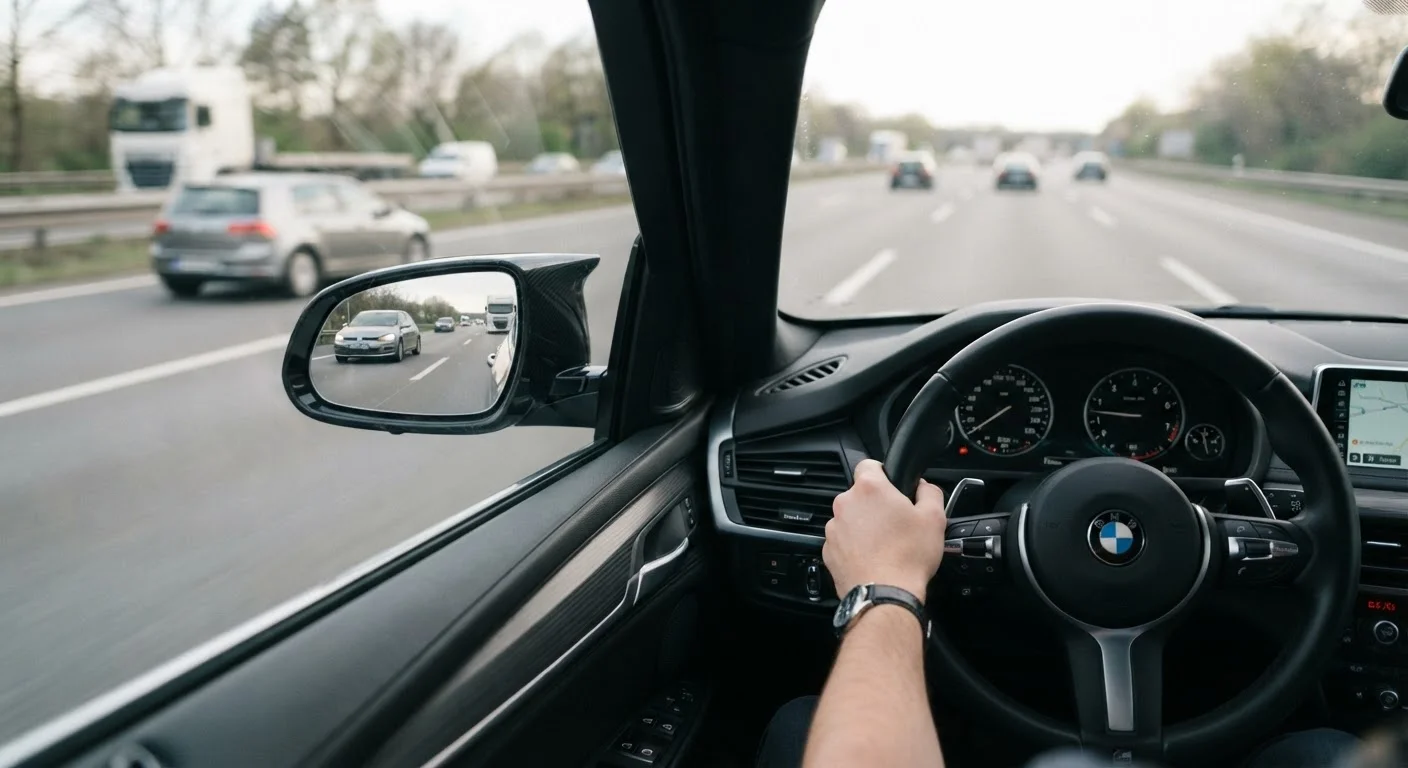
Also worth knowing: your mirrors can become a glare problem at night. Most rearview mirrors have a manual or auto-dimming setting — a small tab or lever on the bottom edge. Use it. Reducing mirror glare keeps your eyes from having to constantly readjust between bright and dark.
For a broader look at what your mirrors do and don't show you, see our piece on blind spots and mirror limitations.
Managing Fatigue Behind the Wheel
Darkness and drowsiness work against you together. Your body's natural sleep-wake cycle — the circadian rhythm — creates strong pressure to sleep between roughly midnight and 6 a.m. Driving during those hours while tired is genuinely dangerous, not just uncomfortable.
Fatigue impairs reaction time, narrows attention, and can cause microsleep — brief, involuntary lapses in consciousness that last a few seconds. At highway speeds, a few seconds is enough to drift lanes or miss a curve entirely. Stimulants like caffeine can reduce subjective drowsiness temporarily, but they do not fully restore impaired cognitive function. The only reliable fix is actual sleep.
If you want to understand what fatigue does to your driving at a physiological level, our article on why drowsy driving is more dangerous than most drivers realize goes deeper. And for a full picture of how impairment affects the body behind the wheel, see what happens to your body when you drive impaired.
Putting It All Together for Safer Night Trips
Night driving isn't something to avoid entirely — but it does require conscious adjustments. Slow down to match your actual sight distance. Keep your lights, mirrors, and windshield in good condition. Plan longer nighttime trips around natural rest stops, and be honest with yourself about how tired you are before you start.
The difference between a safe night driver and a vulnerable one usually isn't equipment — it's awareness and habit. If your route involves a mix of highway and city stretches, it's also worth reviewing how driving demands shift between those environments: our guide on highway vs. city driving habits can help you think through the transitions.
This article is for general informational purposes. Always follow your local traffic laws and use your own judgment when assessing driving conditions.