
Why Weather Conditions Change Everything
Most driving rules are written for dry roads and clear skies. Rain, snow, ice, and fog each degrade the physical conditions that safe driving depends on — traction, visibility, stopping distance, and your ability to read what other drivers are doing. Understanding exactly how each condition affects your vehicle helps you make smarter adjustments before trouble starts.
According to the Federal Highway Administration, weather-related crashes account for a substantial share of traffic fatalities each year, with wet pavement and rain being the most common contributing factors. Snow and ice follow closely. These aren't rare edge cases — they're conditions most American drivers encounter regularly.
Strong situational awareness is the foundation of handling any of these conditions. Skilled drivers anticipate problems rather than reacting to them after the fact.
Driving in Rain
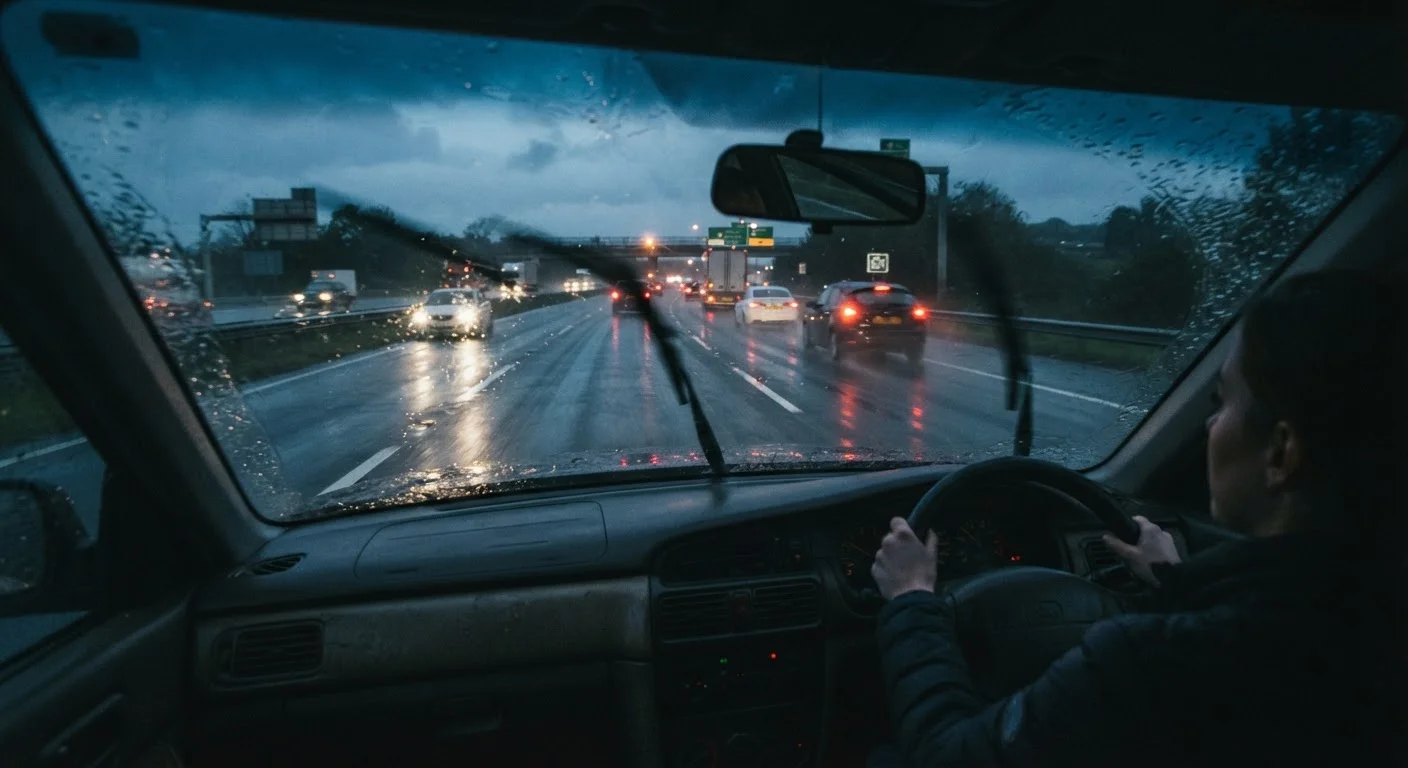
Rain reduces tire grip by creating a thin film of water between the tire and the road. At higher speeds, this can develop into hydroplaning — where your tires lose contact with the pavement entirely and ride on water. You'll feel the steering go light and the vehicle pull unpredictably.
- Slow down: Reduce your speed gradually as rain begins. Speed is the biggest factor in hydroplaning risk.
- Increase following distance: Wet roads extend stopping distances significantly. Leave at least four seconds of gap between you and the car ahead.
- Turn on headlights: Most states require lights when wipers are running. It's also common sense — being seen matters as much as seeing.
- Avoid sudden braking or sharp turns: Smooth, gradual inputs keep tires from breaking traction.
- If you hydroplane: Ease off the accelerator, steer gently in the direction you want to go, and do not brake hard. Let the tires regain contact naturally.
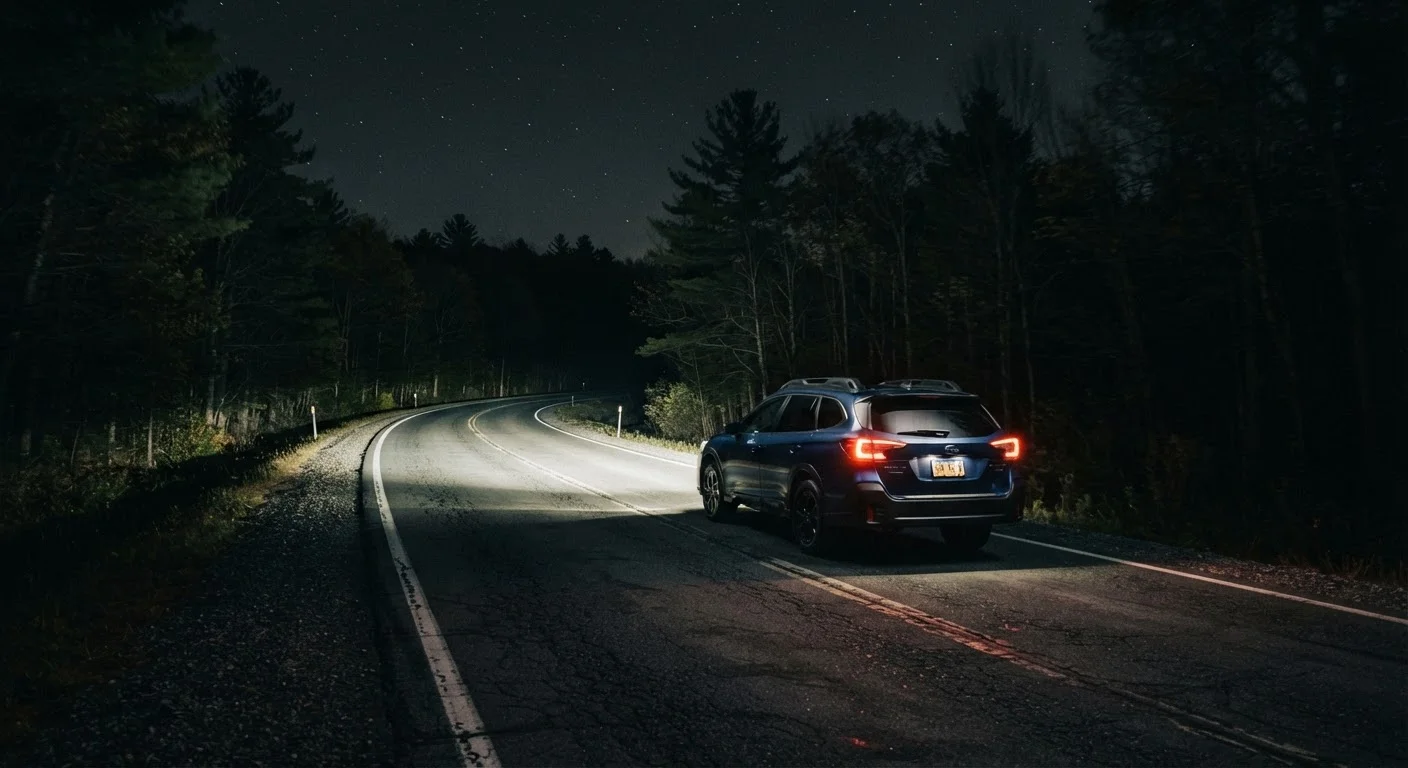
Heavy rain can reduce visibility nearly as much as fog. If you cannot see clearly, find a safe place to pull off and wait it out. For more on managing reduced visibility at speed, see our guide on night driving and visibility.
Don't Rely on Your Car's Safety Systems Alone
ABS, traction control, and stability control are valuable tools, but they have limits. None of them restore traction that simply isn't there — they manage what little exists. In heavy snow or ice, even vehicles with advanced driver-assistance systems can slide if driven too fast. Adjust your speed and following distance regardless of what technology your vehicle has.
Driving in Snow and Ice
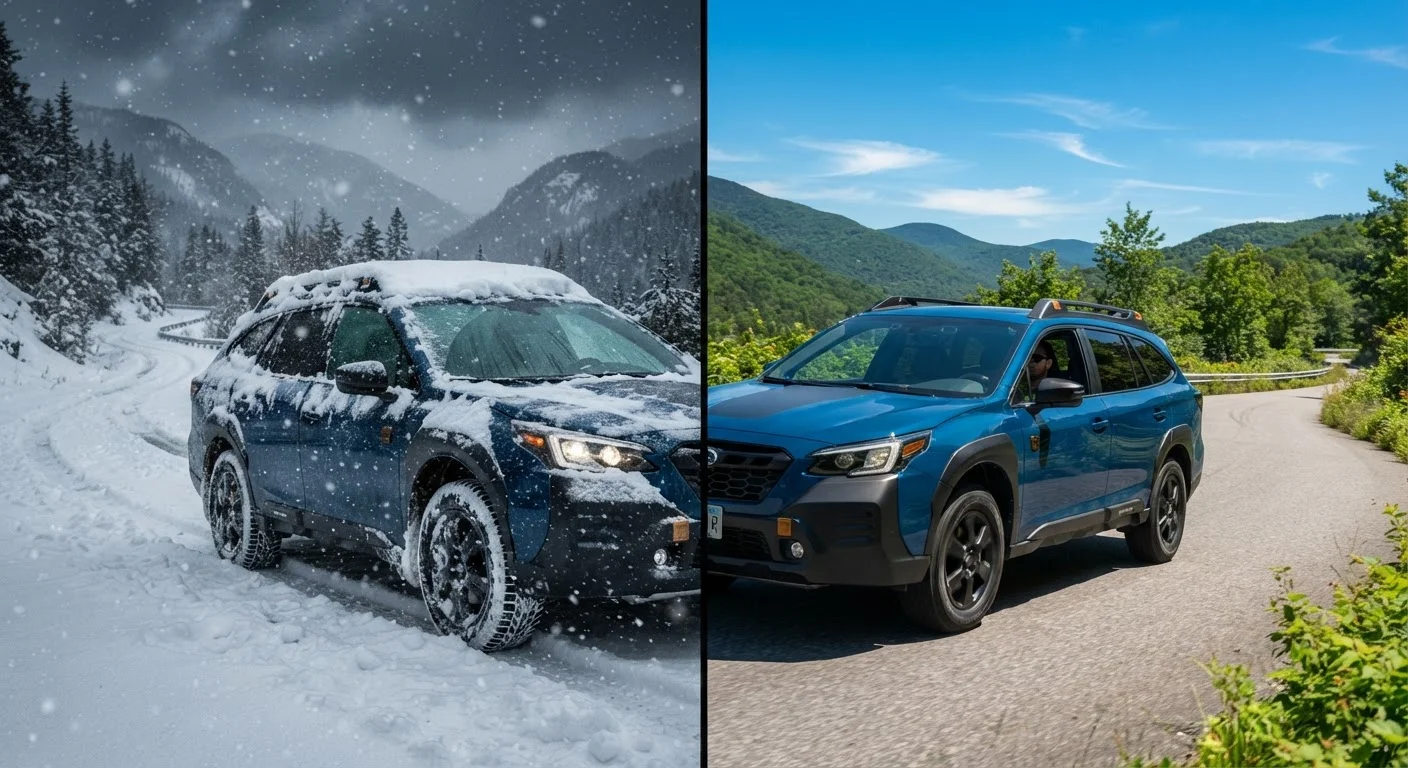
Snow and ice are the most unforgiving road surfaces most drivers will encounter. Stopping distances on ice can be ten times longer than on dry pavement. Everything — accelerating, braking, and steering — must be done with deliberate slowness.
- Accelerate slowly: Apply the gas gradually to avoid spinning your wheels. In a manual, start in second gear to reduce torque at the wheels.
- Brake early and gently: If your vehicle has ABS, apply steady pressure and let the system pulse the brakes. Without ABS, threshold braking (applying pressure just short of lockup) is the technique.
- Steer into a skid: If the rear of your car slides left, steer gently left. Overcorrecting is a common cause of spin-outs.
- Watch for black ice: This near-invisible glaze forms on bridges, overpasses, and shaded road sections first. If the road looks wet but the air temperature is near or below freezing, treat it as ice.
- Give trucks and plows space: Snowplows move slowly and spread sand or salt. Do not tailgate or pass on the right.
Good tires make an enormous difference. The seasonal vehicle prep guide covers what to check before winter driving season starts.
Driving in Fog
Fog creates a deceptive sense of safety — you can see the road immediately in front of you, but not what's ahead. Drivers frequently maintain higher speeds than conditions warrant because the road directly beneath them looks fine.
- Use low-beam headlights: High beams scatter off water droplets and create glare that reduces your own visibility. Low beams direct light toward the road surface where it's most useful.
- Use fog lights if your vehicle has them: These are mounted low on the bumper to illuminate the road without bouncing light back into your eyes.
- Reduce speed significantly: Your stopping distance must stay within what you can actually see. If visibility drops to 100 feet, you should be moving at a speed that lets you stop in 100 feet.
- Use the right edge line as a guide: In dense fog, the white line on the right edge of the road helps you stay in your lane without relying on what's ahead.
- Avoid overtaking: Passing another vehicle in fog is high-risk. You cannot assess oncoming traffic accurately.
Dense fog can drop visibility to near zero without warning, particularly in valleys, near bodies of water, and at dawn. If conditions become too dangerous, pull fully off the road, turn on your hazard lights, and wait. The adjustments for highway vs. city driving can help you think through how fog risk differs by road type.
When driving in fog or heavy rain, crack your windows slightly to listen for emergency vehicles and oncoming traffic — audio cues fill in what your eyes can't detect.
Reduced visibility also reduces your awareness of what's happening around you. Sound becomes a meaningful secondary input when you can't rely on sight alone.
Before hitting an icy bridge or overpass, ease off the gas while still on the approach — never brake on the ice itself unless you're already moving dangerously fast.
Bridges freeze before road surfaces because cold air circulates underneath them from both sides. Reducing speed before you reach the ice gives you far more control than trying to manage it mid-crossing.
If you're driving in persistent rain or light snow, gently tap your brakes occasionally on an open stretch to check actual grip — it tells you how much traction you really have before an emergency forces the question.
Drivers often misjudge surface conditions by feel alone. A brief, controlled test gives you real information without creating a hazard.
General Habits That Apply in Any Bad Weather
Regardless of whether you're dealing with rain, snow, or fog, several core principles apply across the board:
- Slow down before you need to. Reacting after traction is already lost is too late. Reduce speed proactively.
- Eliminate distractions. Bad weather demands your full attention. Phones, complex audio adjustments, and anything else that pulls your eyes off the road are off limits.
- Plan for longer trips. When conditions are bad, add buffer time so you're not tempted to drive faster than is safe.
- Know your vehicle's limits. All-wheel drive helps with acceleration on slippery surfaces but does not meaningfully shorten stopping distances. Overconfidence in AWD or 4WD is a real risk.
- Consider delaying your trip. If conditions are severe, staying put is a legitimate and responsible decision. No appointment is worth a crash.
For scenarios where things do go wrong despite your best efforts, our guide on emergency situations on the road walks through how trained responses to skids, blowouts, and brake failure differ from instinct.
Before You Leave: Vehicle Readiness
Your technique can only do so much if your vehicle isn't ready for the conditions. A few pre-trip checks make a measurable difference:
- Tires: Check tread depth and inflation before winter. Under-inflated tires lose grip faster. Worn tread cannot channel water or bite into snow effectively.
- Wiper blades: Streaking or chattering wipers should be replaced. In snowy climates, consider winter-specific wiper blades designed to resist ice buildup.
- Lights: Confirm all exterior lights function. Visibility goes both ways — you need to be seen as well as see.
- Brakes: If brakes feel spongy, squeal, or pull to one side, have a qualified mechanic inspect them before driving in conditions that demand quick stops.
- Defrost systems: Test front and rear defrost before you need them. A fogged-up rear window is a blind spot you didn't need to create.
For a thorough seasonal readiness checklist, the seasonal car maintenance guide and the broader car maintenance hub are practical starting points.
This article is intended for general educational purposes only. Always follow applicable traffic laws and consult a qualified driving instructor or mechanic for guidance specific to your vehicle or local conditions.