
Why the Distinction Exists
At a molecular level, a gram of sucrose from a strawberry and a gram from a soda are chemically the same. So why do nutrition researchers, dietitians, and federal guidelines treat them so differently? The answer lies not in the sugar molecule itself but in everything that comes with it.
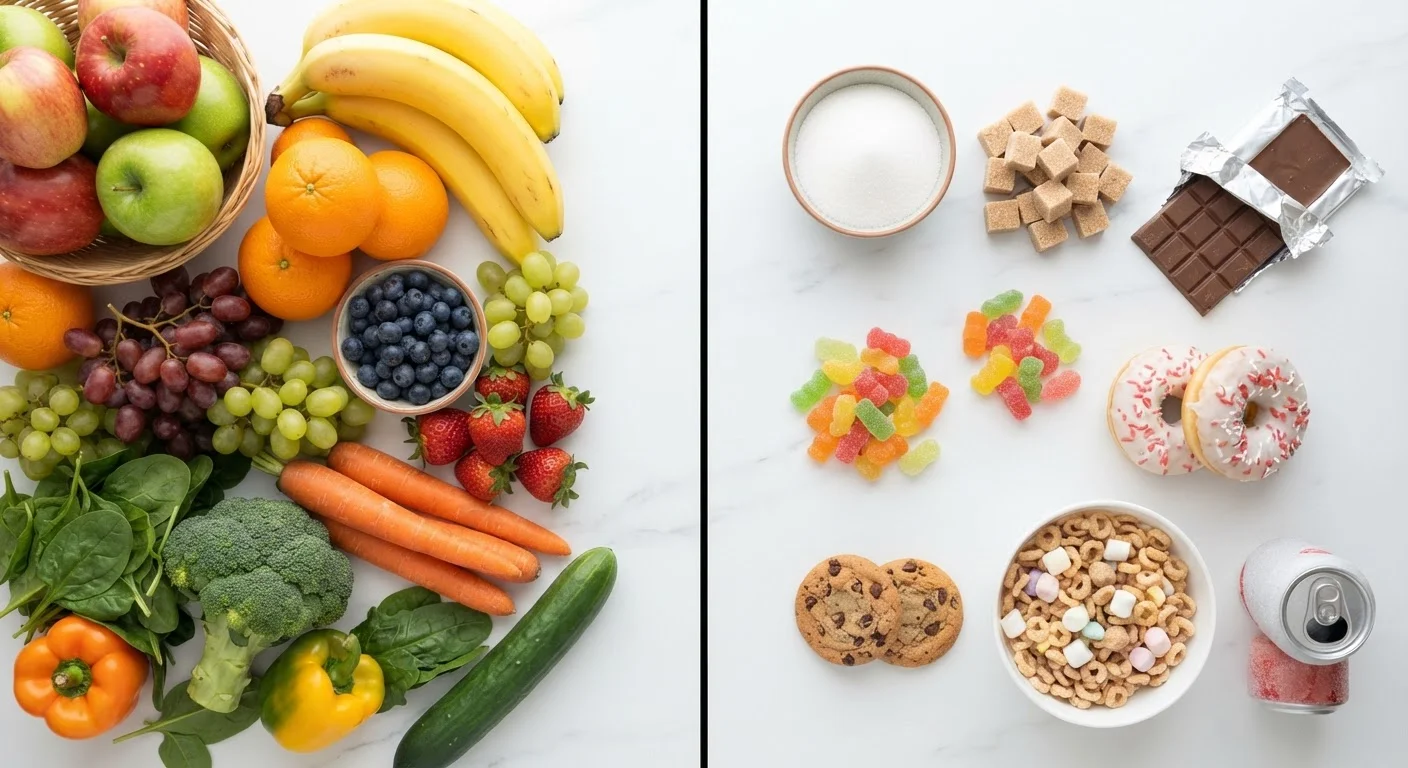
When you eat a whole orange, you're getting naturally occurring sugars alongside fiber, water, vitamin C, folate, and antioxidants. That fiber slows digestion, moderating how quickly glucose enters your bloodstream. The water adds volume and promotes fullness. The micronutrients contribute to bodily functions well beyond energy production.
When a manufacturer adds high-fructose corn syrup to a flavored beverage, those sugars arrive in isolation — no fiber buffer, no meaningful vitamins, no satiety signals from chewing whole food. You absorb them rapidly and receive calories without the nutritional return. That is the functional gap that separates added sugar from naturally occurring sugar, and it is the reason dietary guidelines specifically target the former.
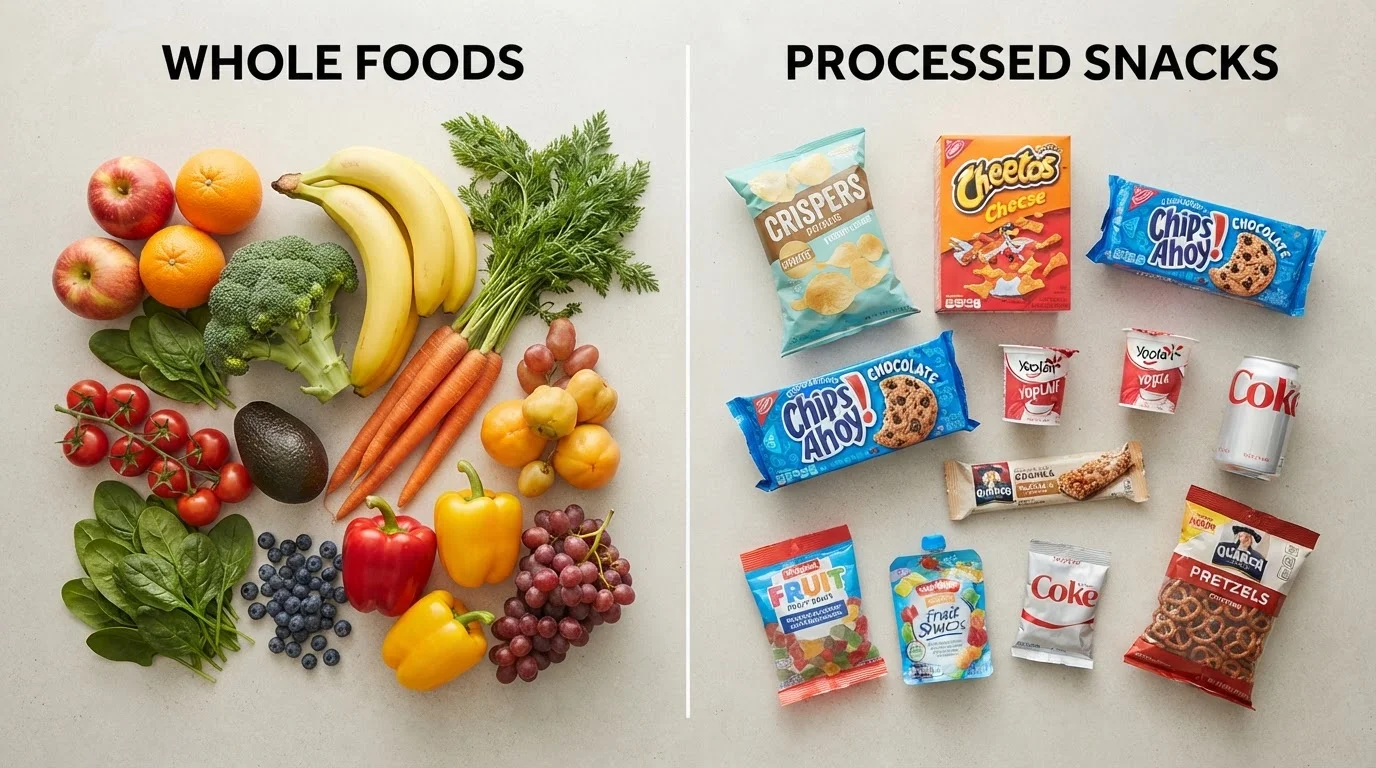
For a deeper look at how food processing affects nutritional value, see our guide to whole foods vs. processed foods.
Where Each Type of Sugar Hides
Natural sugars appear in fruits (fructose), vegetables (fructose and glucose in small amounts), plain dairy products (lactose), and some legumes and whole grains. These foods are nutritionally dense enough that their sugar content is generally not a concern for most people eating balanced diets.
Added sugars, by contrast, show up in far more places than the obvious offenders like candy or soda. Common sources include:
- Sweetened cereals and granola bars
- Flavored yogurts
- Packaged breads and pasta sauces
- Energy drinks and flavored coffees
- Condiments such as ketchup and salad dressings
- Protein bars and meal-replacement shakes
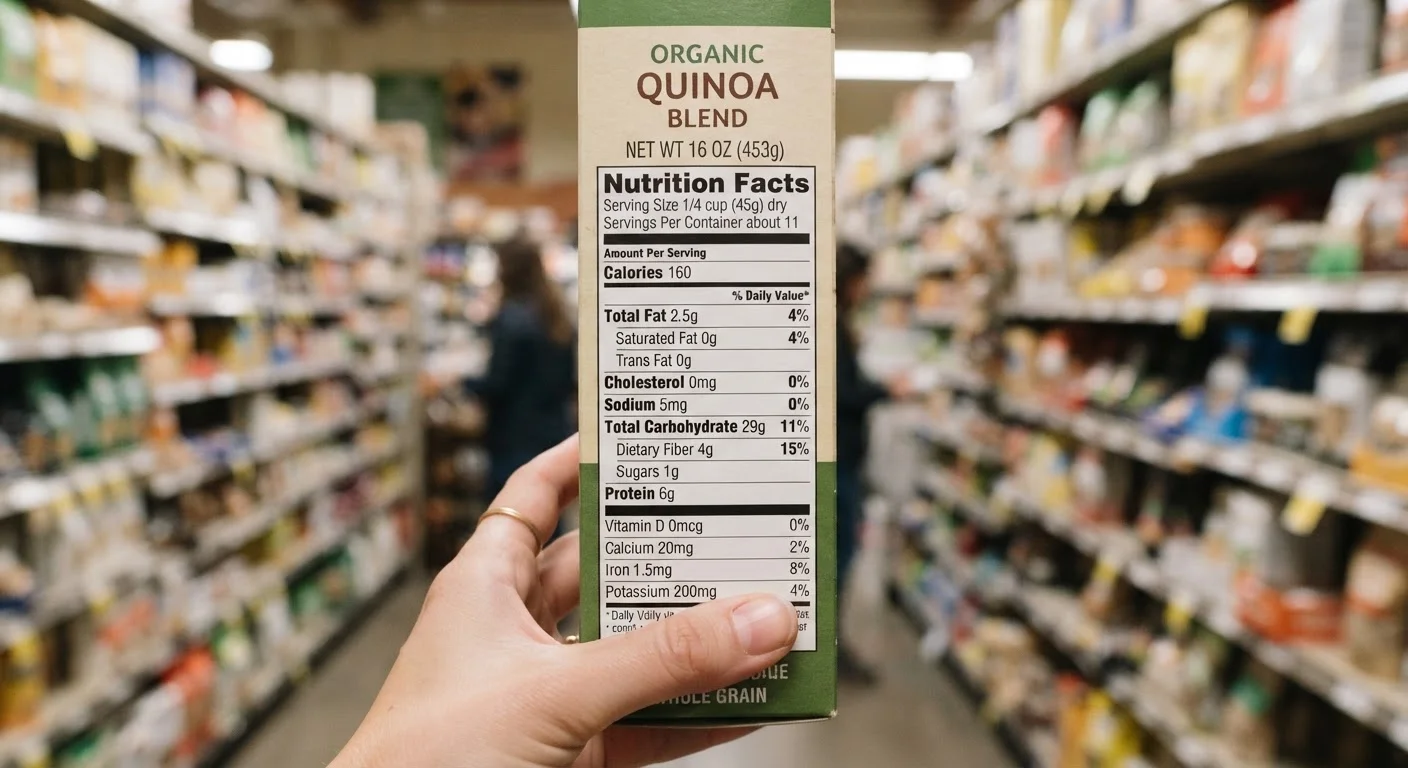
They also appear under dozens of names on ingredient lists — including cane juice, dextrose, maltose, fruit juice concentrate, and barley malt syrup — which can make them harder to spot without label literacy. Our guide to reading nutrition labels covers exactly how to decode these terms in the store aisle.
17 tsp
Average daily added sugar intake for U.S. adults
According to CDC analysis of national dietary survey data, American adults consume roughly 17 teaspoons of added sugar per day on average — well above the recommended ceiling.
~35%
Share of added sugar from beverages
The CDC estimates that sugar-sweetened beverages, including soda, energy drinks, and sweetened coffees, account for a significant share of added sugar consumed by Americans.
10%
Recommended daily calorie limit from added sugars
The 2020–2025 Dietary Guidelines for Americans set this threshold, equivalent to about 50 grams on a 2,000-calorie diet, based on current evidence linking excess added sugar to adverse health outcomes.
What the Research and Guidelines Actually Say
The 2020–2025 Dietary Guidelines for Americans recommend limiting added sugars to less than 10% of daily caloric intake — a threshold supported by evidence linking high added sugar consumption with increased risk of cardiovascular issues, weight gain, and dental problems over time. The guidelines do not recommend similar restrictions on naturally occurring sugars in whole foods.
The American Heart Association goes further, suggesting that many adults keep added sugar well below that 10% ceiling. Research published in journals including JAMA Internal Medicine has found associations between high added sugar intake and cardiovascular risk factors, though nutrition research is inherently complex and most findings are associational rather than directly causal.
“Sugar is sugar only if you ignore everything else in the food. Nutrition is about patterns and packages, not single molecules.”
— Marion Nestle, Professor Emerita of Nutrition, Food Studies, and Public Health, New York University
It's worth noting that naturally sweet foods are not unlimited in every context. Whole fruit still contains carbohydrates, and for individuals managing specific conditions like diabetes, total carbohydrate intake — including from fruit — warrants professional guidance. This article provides general nutrition education, not medical advice; please consult a qualified healthcare provider for personal recommendations.
Practical Steps to Reduce Added Sugar
Cutting back on added sugar doesn't mean overhauling your entire grocery budget. Small, deliberate swaps often deliver meaningful reductions without sacrificing flavor or spending more money.
- Choose plain over flavored. Plain oatmeal, plain yogurt, and unsweetened nut butters let you control what — and how much — sweetener you add.
- Read the label. Compare added sugars across similar products; the difference within a single food category can be surprisingly large.
- Dilute sweetened drinks. If switching cold turkey feels abrupt, mixing a sweetened beverage with water or sparkling water reduces sugar intake incrementally.
- Let whole fruit do the sweetening. Adding sliced banana or berries to plain cereal or yogurt delivers natural sweetness with fiber and nutrients included.
- Recalibrate your palate gradually. Taste preferences for sweetness adapt over time. Gradual reduction tends to be more sustainable than abrupt elimination.
Being strategic with ingredient lists and Nutrition Facts panels is the most reliable approach — and it costs nothing extra at checkout.
This article is for general informational and educational purposes only and is not a substitute for professional medical or nutritional advice. Consult a qualified healthcare provider or registered dietitian for guidance tailored to your individual health situation.