
What Makes an Expense Fixed or Variable?
Every dollar you spend falls into one of two broad categories: fixed or variable. The difference comes down to predictability and control.
Fixed expenses are costs that stay the same amount every billing cycle regardless of how you live that month. Your rent or mortgage payment, a car loan installment, and most insurance premiums are classic examples. You agreed to these amounts — often through a contract — so they don't move. That consistency makes them easy to plan for but hard to reduce in the short term.
Variable expenses, by contrast, change based on your behavior and circumstances. Groceries, gasoline, dining out, clothing, and entertainment all shift month to month depending on what you do and choose. That variability can feel unpredictable, but it also means these costs are the primary levers you can pull when you need to free up cash quickly.
A useful third category worth noting: periodic or irregular expenses — things like annual car registration, back-to-school supplies, or a semi-annual insurance premium. These are often overlooked because they don't appear monthly. See how to plan for irregular but predictable costs for a closer look at why this category matters.
Fixed vs. Variable: A Side-by-Side Look
The table below contrasts the two expense types across the dimensions that matter most for everyday budgeting.
| Criterion | Fixed Expenses | Variable Expenses |
|---|---|---|
| Amount each month | Stays the same | Changes month to month |
| Examples | Rent, car loan, insurance | Groceries, gas, dining out |
| Ease of reducing quickly | Difficult — often contract-bound | Easier — behavior-driven |
| Planning effort | Low — amount is known | Higher — requires tracking |
| Role in budgeting | Sets your spending floor | Main lever for adjustments |
| Impact of lifestyle changes | Minimal in the short term | Immediate and direct |
One nuance worth flagging: utilities — electricity, water, gas — technically vary month to month based on usage, but many households treat them as semi-fixed because the range is somewhat predictable. Tracking them separately from pure discretionary spending can give a more accurate picture.
How to Use This Framework in Your Budget
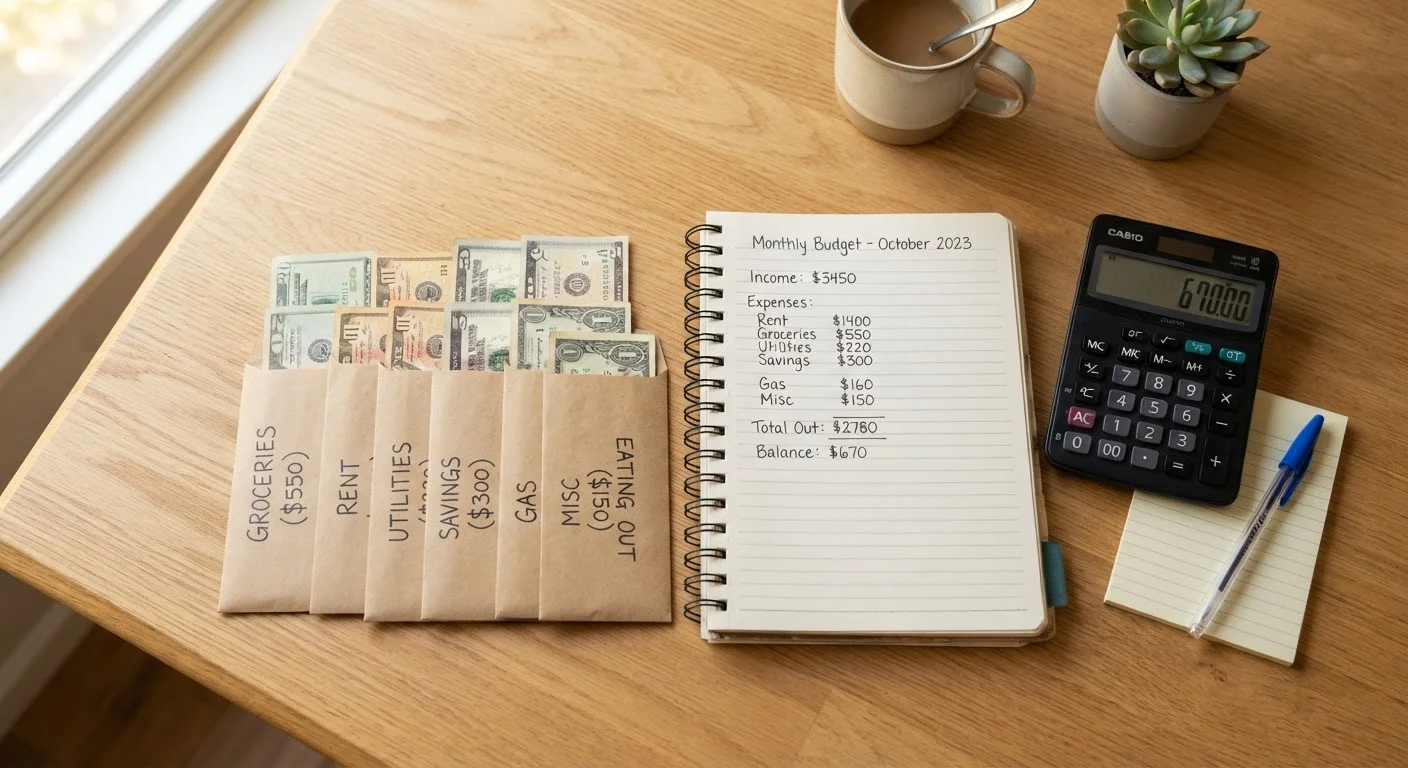
Most budgeting approaches — from the zero-based method to the envelope system — start with the same foundational step: list every fixed expense first.
Here's a practical sequence:
- List all fixed costs. Add up rent or mortgage, loan payments, subscriptions, and insurance premiums. This total is your financial floor — the minimum you must earn each month before anything else.
- Estimate variable categories. Review two to three months of bank and credit card statements to find realistic averages for groceries, gas, dining, and personal spending. Averages are more useful than guesses.
- Allocate what remains. After fixed costs and estimated variable spending, what's left should go toward savings and debt payoff. If nothing's left — or you're in the negative — variable expenses are your first adjustment target.
If your income isn't steady, this framework gets more dynamic. Strategies for budgeting on irregular income can help you adapt when the numbers change month to month.
The fixed/variable distinction also connects directly to building savings and managing debt — knowing which expenses you can trim makes it much easier to find consistent room for both goals. For broader spending habits, it feeds into smart spending practices overall.
This article is for general informational and educational purposes only and does not constitute personalized financial advice. Consult a qualified financial professional for guidance specific to your situation.