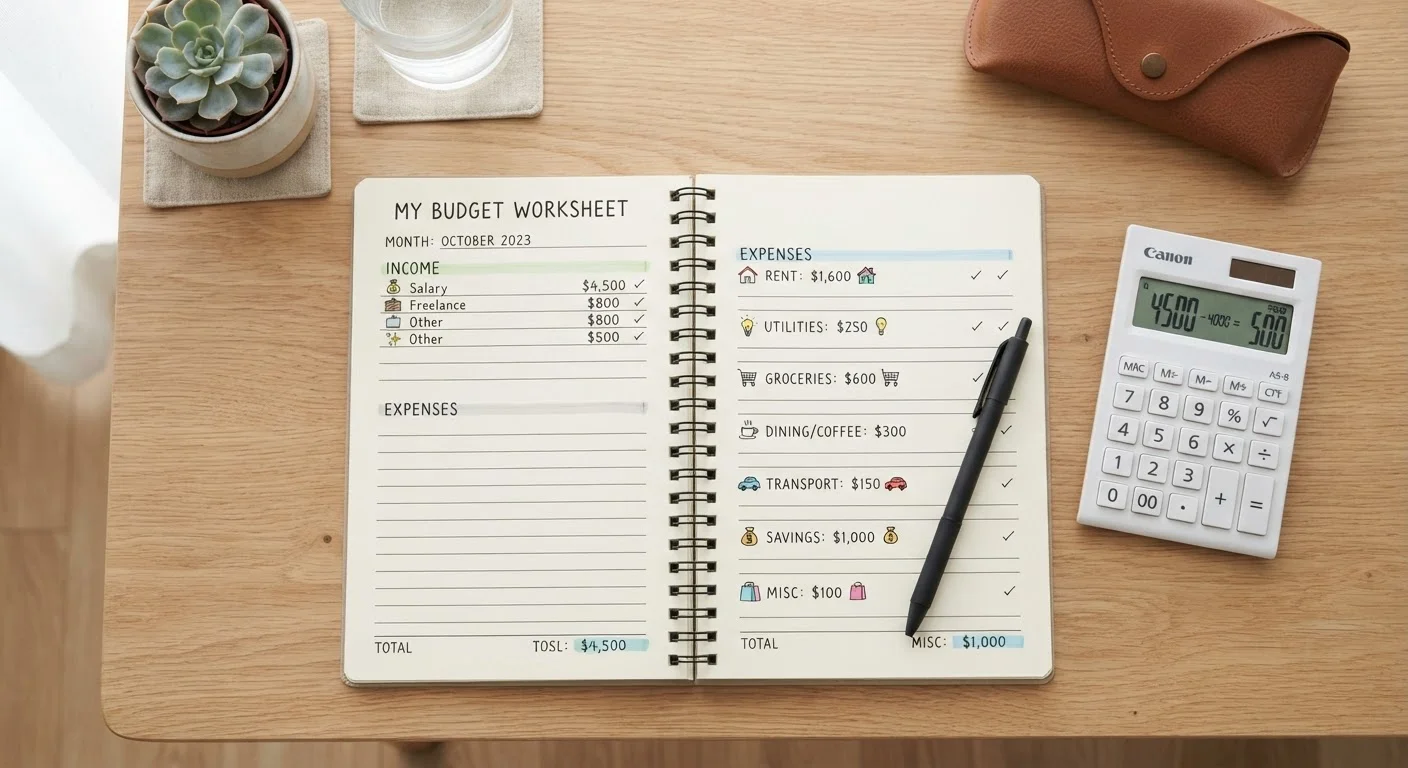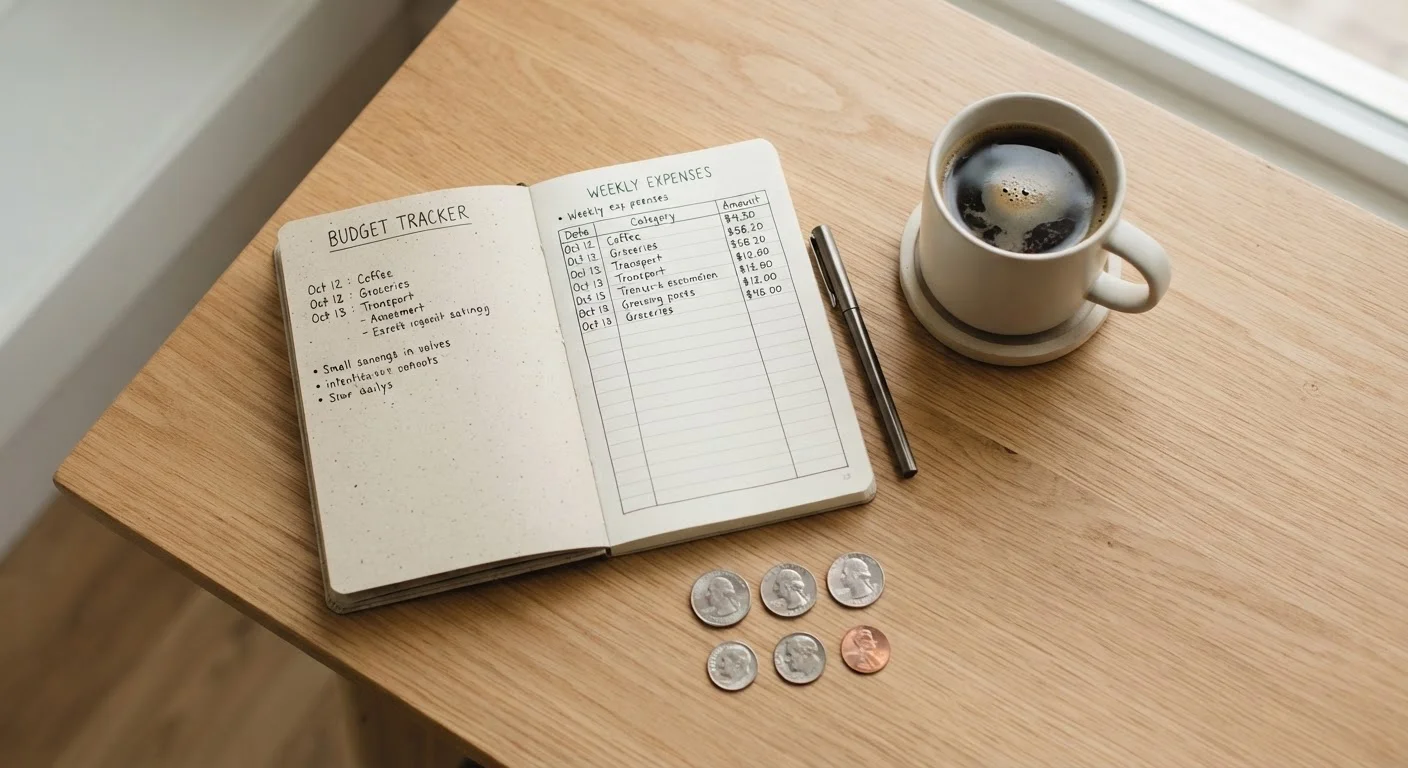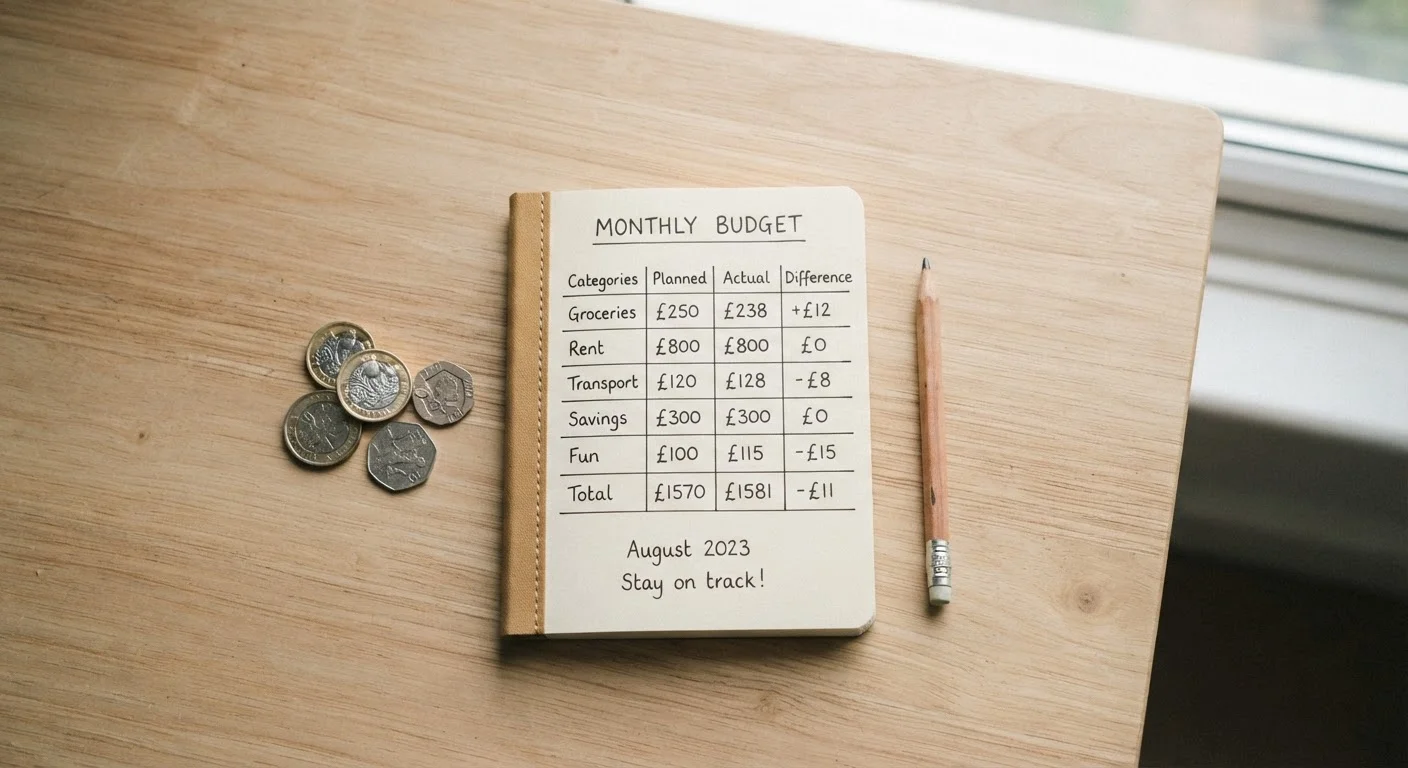


Why Household Budgeting Is Different
Managing money on your own is relatively straightforward: one income, one set of priorities, one decision-maker. Add another person—or a family—and the complexity multiplies fast. You're now coordinating different spending histories, different income streams, and often different ideas about what money is for.
Research consistently shows that money disagreements are among the most common sources of friction in relationships. That's not because couples are bad at math—it's because financial decisions are tied to deeply personal values: security, freedom, generosity, control. Before any spreadsheet enters the picture, it helps to acknowledge that you're not just merging numbers. You're merging habits and worldviews.
If some of the terminology in this guide feels unfamiliar, the Personal Finance Terms Every New Budgeter Should Know is a good place to get grounded before going further.
Before your first joint budget meeting, each person should write down their top three financial priorities independently—then compare lists. The gaps between those lists are exactly what the conversation needs to address first.
Unspoken assumptions about priorities are a leading reason household budgets fail. Surfacing them early prevents resentment from building around money decisions that feel arbitrary to one partner.
Set a "purchase threshold"—a dollar amount above which either person should check in with the other before spending. Many couples find $100–$200 works well as a starting point.
This isn't about control—it's about avoiding financial surprises that throw off a shared plan. A clear, agreed-upon threshold removes ambiguity and reduces arguments after the fact.
Choosing a Money Structure: Joint, Separate, or Hybrid
There's no universally correct way to hold household money. The three main approaches each have real trade-offs:
- Fully joint: All income goes into shared accounts. All expenses—including personal spending—come from the same pool. Simple to track, but requires a high level of transparency and mutual trust.
- Fully separate: Each person keeps their own accounts and splits shared costs (rent, groceries, utilities) by formula—50/50, or proportional to income. Preserves financial autonomy but can create an "us vs. them" dynamic around household spending.
- Hybrid: A shared account covers joint expenses; each person also keeps a personal account for individual spending. This is the structure many households land on because it balances accountability with autonomy.
There's no wrong answer here. What matters is that both people understand the structure and agree to it. A hybrid system tends to reduce day-to-day friction because each person has guilt-free "personal" money without having to justify every purchase.
For a broader look at spending intentionally within whatever structure you choose, see Smart Spending From the Ground Up.
Building Your First Household Budget
Once you've agreed on a money structure, you can build the actual budget. A practical starting framework for households is the 50/30/20 rule:
- 50% of after-tax income → needs (housing, utilities, groceries, insurance, minimum debt payments)
- 30% → wants (dining out, subscriptions, hobbies, travel)
- 20% → savings and extra debt repayment
To apply it as a household, combine your after-tax incomes first. Then list every fixed monthly expense (rent or mortgage, car payment, insurance premiums) and variable expense (groceries, gas, entertainment). Categorize each as a need or want.
If your needs consistently exceed 50%, that's a signal to look at your largest fixed costs—housing and transportation are usually where the biggest adjustments can be made. If savings are below 20%, identify which "wants" can flex first.
A shared goal—like an emergency fund covering three to six months of household expenses—gives the budget a clear purpose and makes the trade-offs feel worthwhile. For more on balancing savings with debt, the guide to managing debt and savings walks through the fundamentals.
36%
Americans with no emergency fund
A Bankrate survey found roughly a third of U.S. adults have no emergency savings at all, underscoring why building a cushion is a foundational household goal.
#1
Leading source of relationship conflict
Multiple relationship surveys, including research from the American Psychological Association, consistently identify money as a top source of stress and conflict in partnerships.
~43%
Couples who say they budget together
According to survey data from the National Endowment for Financial Education, fewer than half of partnered adults report actively budgeting together as a household.
Talking About Money Without Fighting
The budget itself is the easy part. The conversation is harder. A few practices that help:
- Schedule a regular money meeting. Monthly works for most households. Thirty minutes, same time each month. Put it on the calendar like any other commitment.
- Separate the data from the judgment. "We spent $680 on dining out last month" is a fact. "You always overspend" is an accusation. Stick to the numbers first.
- Use "we" language. "How do we want to handle this?" lands very differently than "you need to stop doing that."
- Agree on a "no-guilt" personal spending allowance. Both people should have some amount they can spend without explanation. Even a modest amount preserves dignity and reduces resentment.
Financial transparency is the foundation, but transparency doesn't mean surveillance. The goal is a shared understanding of where the household stands—not line-item approval of every coffee purchase.
Common Sticking Points—and How to Work Through Them
Even well-intentioned households run into predictable problems. Here are the most common ones and practical ways to handle them:
- Unequal incomes
- When one partner earns significantly more, a 50/50 split of shared expenses can feel unfair. Consider splitting proportionally—each person contributes a percentage of their income equal to their share of the household total. This keeps the burden balanced regardless of who earns what.
- Debt one partner brought into the relationship
- Pre-existing debt is a sensitive subject. There's no rule that a partner must legally take on another's debt, but it affects household cash flow either way. Discuss it openly and decide together how it fits into the overall plan—without blame.
- Different savings urgencies
- One person might want to aggressively pay down student loans; the other might prioritize retirement contributions. Both goals are valid. Rank them together, then allocate the 20% portion of the budget accordingly. The Saving & Debt hub has more on prioritizing between competing financial goals.
- Irregular income
- Freelancers, gig workers, and seasonal earners can't rely on a fixed monthly number. Build the budget around your lowest expected month, treat higher-income months as opportunities to build savings cushion, and revisit the budget quarterly instead of just monthly.
Keeping the Budget Running Month After Month
A budget that gets built once and forgotten isn't a budget—it's a document. Consistency is what turns a plan into a habit.
A few practices that help households sustain their budget over time:
- Automate what you can. Set up automatic transfers to savings on payday. What doesn't land in checking doesn't get spent.
- Review and adjust quarterly. Life changes—income shifts, new expenses, goals achieved. A quarterly check-in prevents the budget from drifting out of alignment with reality.
- Celebrate small wins. Hit your emergency fund target? Paid off a card? Acknowledge it. Positive reinforcement matters more than most budgeting advice gives it credit for.
- Don't let one bad month derail everything. Overspending happens. The response that works is a calm reset, not guilt or giving up entirely.
For evidence-backed habits that help households stay consistent, Habits That Keep a Budget Working Month After Month is a natural next read. And if your situation involves significant debt, investment decisions, or complex tax questions, consider working with a licensed financial professional who can look at your specific circumstances. This guide—and any general resource—is educational information, not personalized financial advice.
Smart household spending is a skill you build together over time. The goal isn't perfection on month one—it's a shared direction and a willingness to keep talking about it. See the Smart Spending hub for more practical ideas on stretching your household dollar further.
This article is for general informational and educational purposes only and does not constitute personalized financial, tax, or legal advice. Consult a qualified financial professional before making decisions specific to your situation.