
What Smart Spending Actually Means
Smart spending isn't about living on rice and beans or saying no to everything fun. It's about making deliberate choices with your money — spending in a way that reflects what actually matters to you, rather than just reacting to whatever comes up.
Most people who feel financially stressed aren't necessarily earning too little. Often, they simply haven't taken a close look at where money is going. Spending becomes automatic: subscriptions pile up, convenience purchases add up, and by the end of the month there's less left over than expected.
The goal of smart spending is straightforward — to give every dollar a job that lines up with your real priorities. That doesn't require a finance degree or a complicated system. It starts with awareness.
Discretionary spending
Money spent on wants rather than essentials — things like dining out, entertainment, or hobbies. This is typically the most flexible part of a budget.
Fixed expenses
Costs that stay the same each month, like rent, a car payment, or a loan installment. These are harder to reduce quickly but important to account for first.
Variable expenses
Costs that change month to month, such as groceries, gas, or utility bills. These offer the most room to adjust spending up or down.
Net income
The amount of money you actually take home after taxes and deductions are removed from your paycheck. Budgeting should always start from this number, not your gross (pre-tax) salary.
Impulse purchase
An unplanned buy made in the moment, often driven by emotion or convenience rather than deliberate choice. These tend to be the easiest spending to reduce without feeling the loss.
Lifestyle inflation
The tendency for spending to rise alongside income, often without a conscious decision. It can prevent people from saving more even as they earn more.
The Core Principle: Needs, Wants, and Priorities
One of the most useful distinctions in personal finance is the difference between needs and wants. Needs are the essentials you genuinely can't do without: housing, utilities, groceries, transportation to work. Wants are everything else — dining out, streaming services, hobby gear, travel.
A widely used framework — often called the 50/30/20 rule — suggests aiming to spend about 50% of your take-home pay on needs, 30% on wants, and 20% on savings or debt repayment. These aren't rigid laws; they're a starting point. Real life rarely fits neat percentages, especially for people with lower incomes or high fixed costs. But the structure helps you see how your spending is currently divided.
The more useful question isn't just «is this a need or a want?» — it's «does this spending reflect what I actually value?» Spending freely on something that genuinely improves your life isn't waste. Spending out of habit or pressure on things you don't care much about is where money quietly disappears. If you're new to budgeting, a structured monthly budget framework can help you apply these proportions practically.
Common Spending Traps and How to Recognize Them
Even well-intentioned spenders fall into predictable patterns. Knowing what to watch for is half the battle.
- Subscription creep: Small recurring charges — streaming, apps, gym memberships — are easy to forget and hard to notice individually. Reviewed together, they often add up to a surprising monthly total.
- Lifestyle inflation: As income rises, spending tends to rise with it — sometimes faster. A raise gets absorbed into a more expensive car or apartment before it reaches savings.
- Convenience spending: Grabbing food, coffee, or household items on the fly typically costs more than planned purchases. Convenience is worth something, but it's easy to overpay for it habitually.
- Social pressure spending: Spending to keep up with friends, family, or social media expectations is common and often unexamined. It's worth asking whether a purchase is driven by genuine desire or external comparison.
Start With One Month of Honest Observation
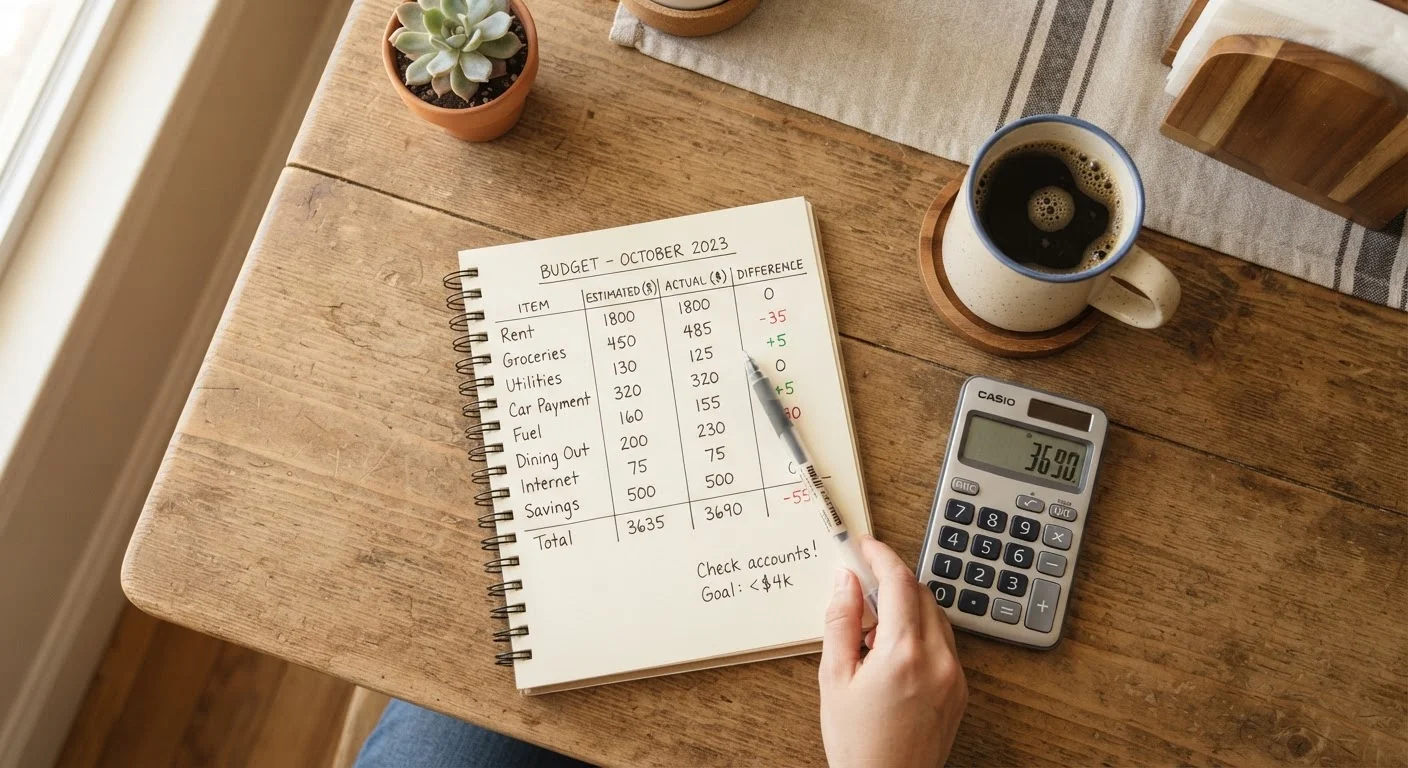
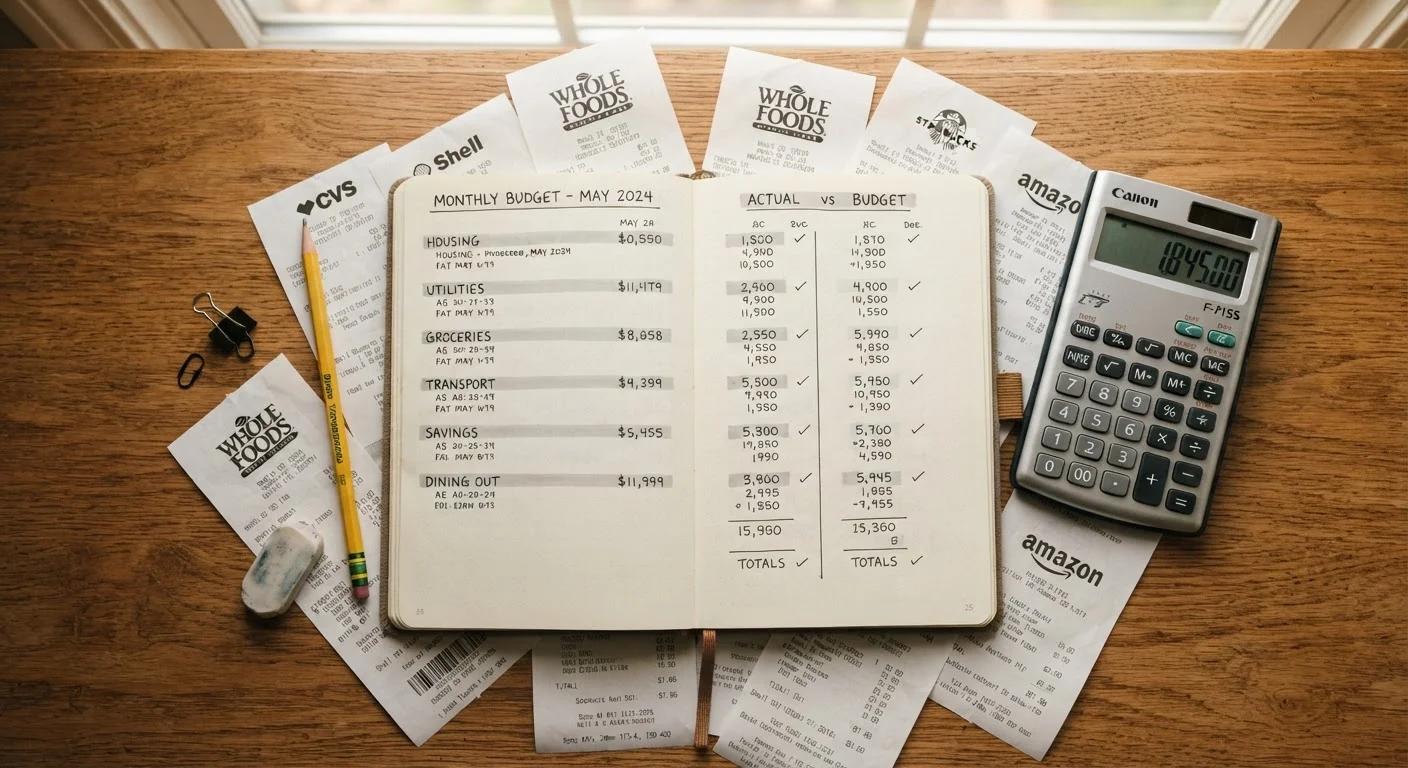
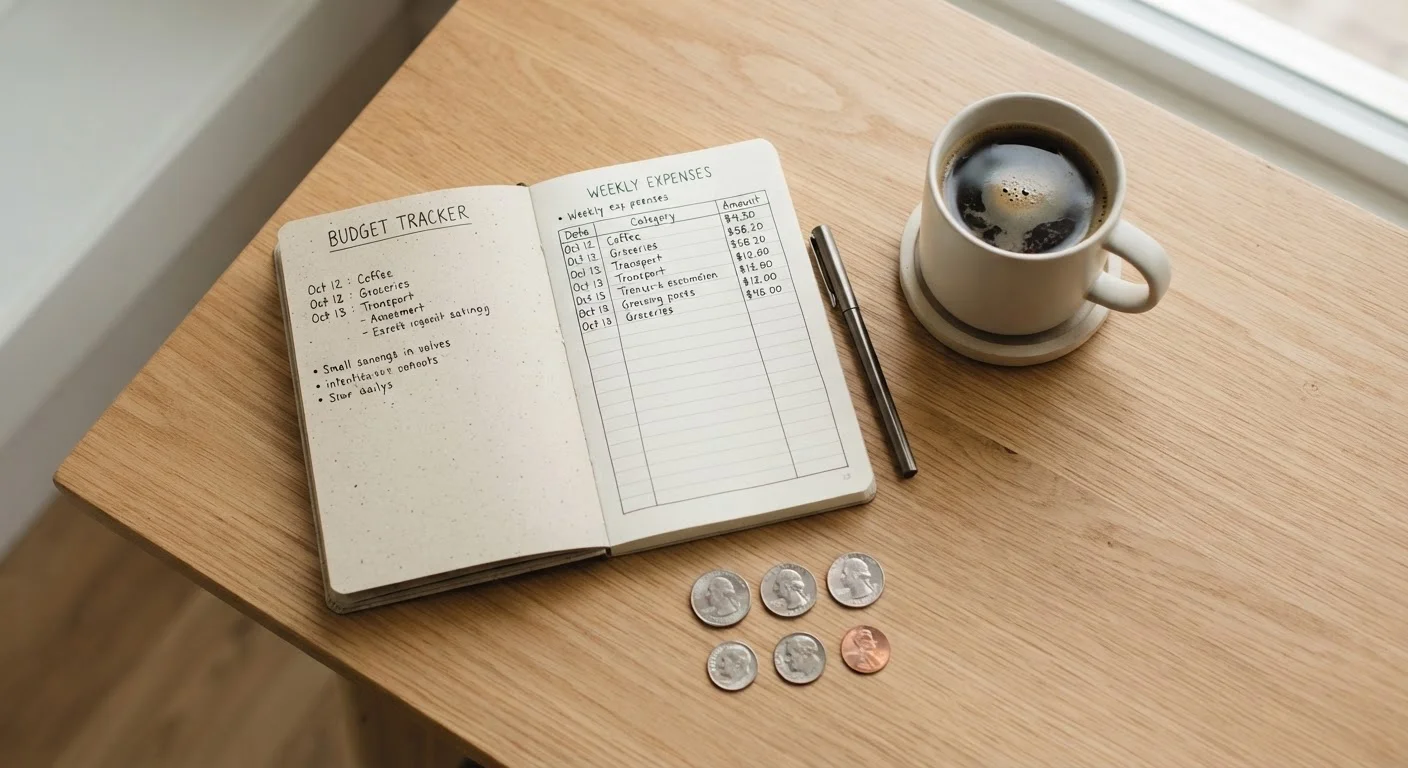
Before changing anything, spend one month simply recording what you spend — no judgment, no adjustments. Many people are genuinely surprised by what they find. That surprise is useful data, not a reason for guilt. Awareness is the prerequisite for change.
If you want to see these patterns in your own spending, tracking every dollar for a single month is one of the most revealing exercises you can do.
Simple Habits That Make a Real Difference
You don't need a perfect system — you need consistent small habits. Here are a few that tend to stick:
- Review your spending monthly. Even a quick 15-minute look at your bank statement builds awareness over time. You don't have to do anything dramatic — just notice.
- Use a waiting period for unplanned purchases. Waiting 24–48 hours before buying something you didn't plan for filters out most impulse decisions without requiring willpower in the moment.
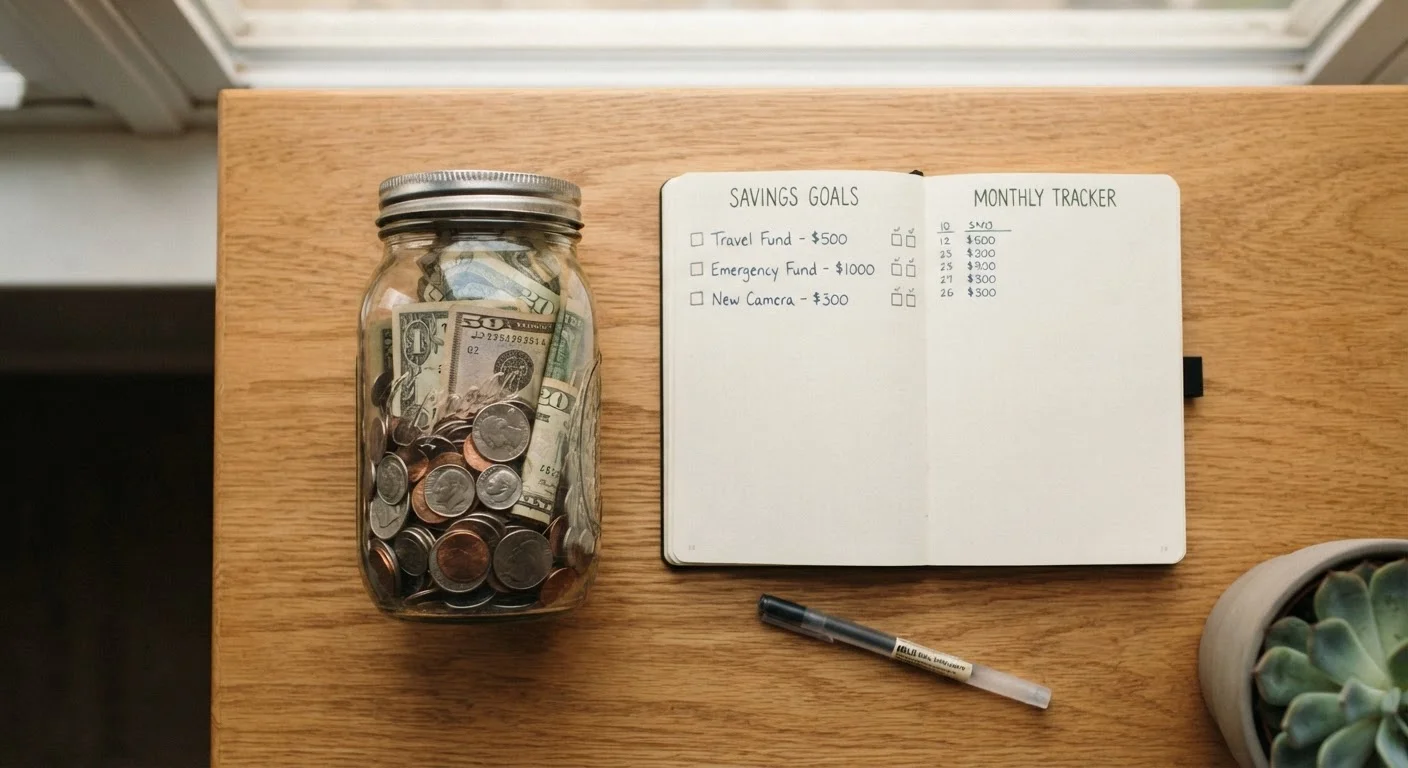
- Automate savings before spending. Setting up even a small automatic transfer to savings on payday means you're less likely to spend what you intended to save. This is sometimes called paying yourself first.
- Separate your accounts. Keeping spending money and savings in different accounts — even at the same bank — creates a helpful mental and practical separation.
None of these require sacrifice. They require attention, which is free.
Where to Go From Here
This guide is a starting point, not a complete financial plan. Every person's income, expenses, and goals are different, and the right approach for you will depend on your specific situation. For decisions involving significant amounts of money, debt, or long-term planning, consulting a licensed financial adviser is worth considering.
If you want to go deeper, the next natural steps are building a working monthly budget and understanding how debt and savings interact. The Budgeting Basics hub covers practical tracking and planning strategies, and a beginner's introduction to debt and savings walks through those concepts clearly.
You can also build your confidence with foundational vocabulary — a plain-language glossary of personal finance terms is a useful reference if terms like «discretionary income» or «net pay» still feel unfamiliar.
Smart spending is a skill, and like most skills it gets easier with practice. Start small, stay curious, and adjust as you go.
This article is for general informational and educational purposes only and does not constitute personalized financial advice. Please consult a qualified financial professional for guidance specific to your circumstances.