
Why 'Leftovers' Rarely Get Saved
Most people intend to save money each month. The problem is the sequence: spend first, save whatever is left. For many households, very little is left. Life fills in the gaps — a dinner out, an unexpected car repair, a subscription renewal you forgot about.
This is not a willpower problem. It is a system design problem. When saving is optional and happens last, it loses to spending almost every time. The "pay yourself first" approach flips that sequence by treating saving as a non-negotiable bill that is due the moment your paycheck arrives.
If you are new to thinking about money in a structured way, our introduction to managing debt and savings is a good place to start before diving deeper here.
How the Principle Actually Works
The mechanics are straightforward. When you receive income, a set amount — or percentage — is moved to a savings or retirement account before you pay any bills or make any discretionary purchases. You then live on what remains.
In practice, the most effective way to do this is automation. Many employers allow you to split your direct deposit between multiple accounts. Alternatively, you can set up an automatic transfer from your checking account on the same day your paycheck lands. Either way, the money moves without you having to decide each time.
Start Small, Then Scale Up
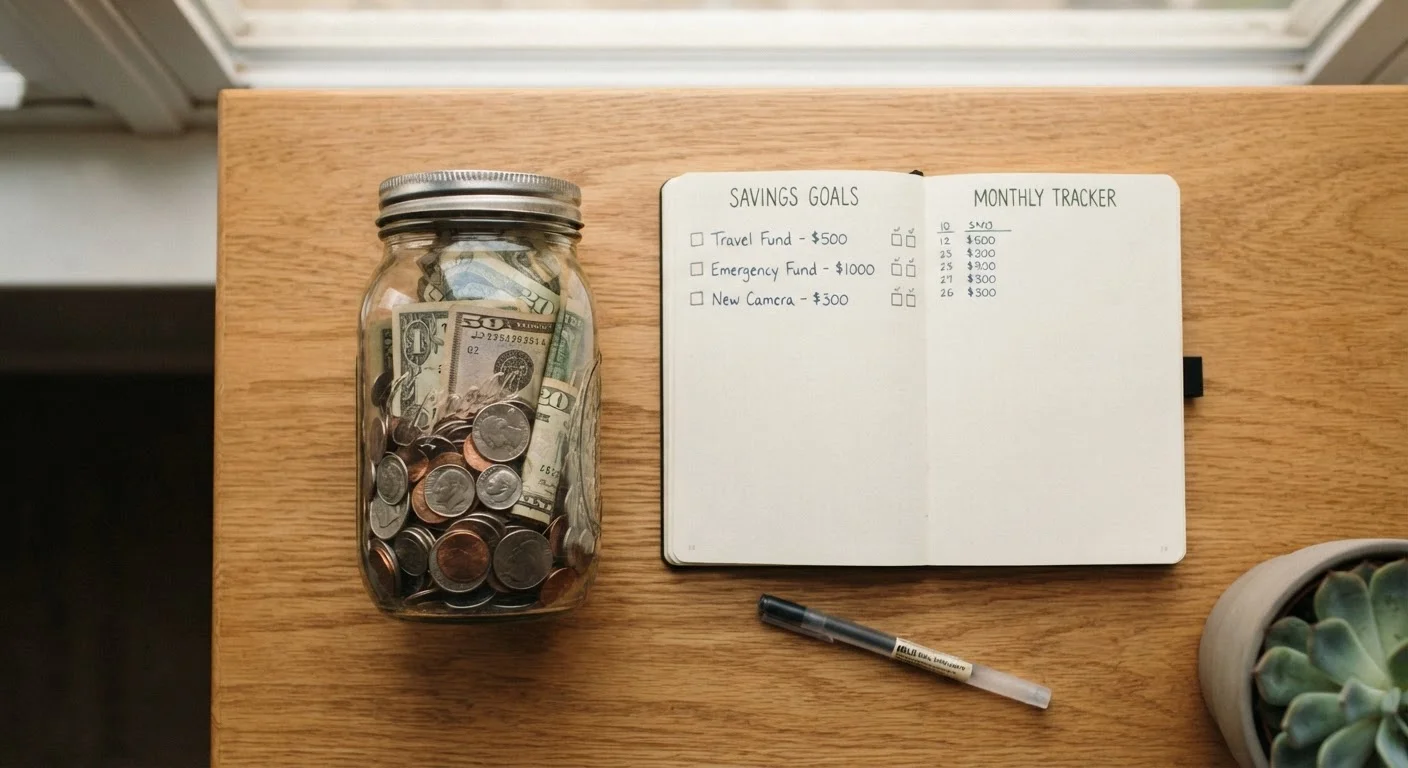
If saving 10% or more feels unreachable right now, that is okay — start with whatever percentage does not disrupt your essential bills. Even 1–3% matters. Once you adjust to the slightly reduced spending money, gradually increase the percentage by 1% every few months. This slow ramp makes the habit stick without creating financial strain.
This approach is flexible — it does not require a large income or a complicated budget. If your budget is tight, start with a percentage you can sustain: even 2–3% of your take-home pay moved automatically each payday builds the habit and the balance.
For a more detailed look at automating this process, see our article on automating your finances.
Applying It Alongside Debt and a Monthly Budget
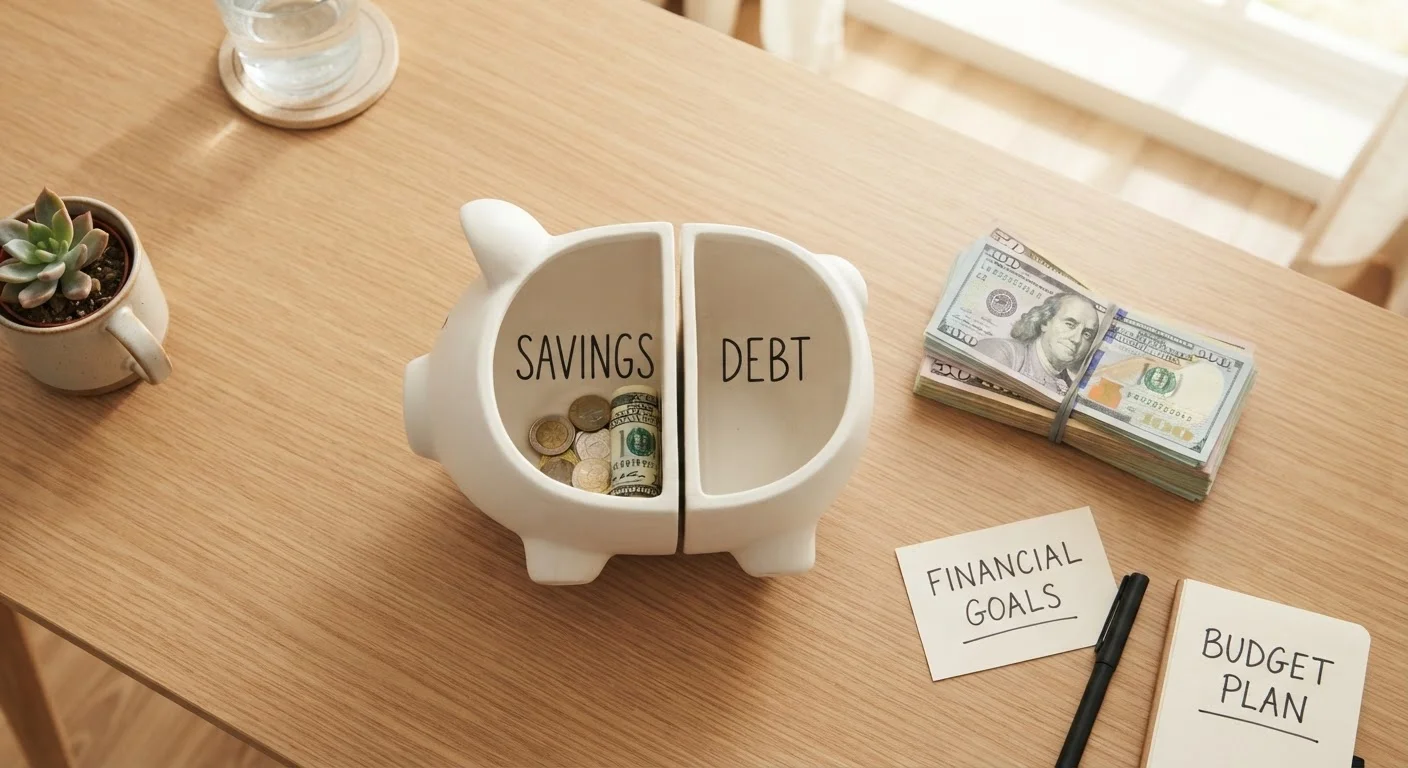
A common misconception is that you should pay off all debt before saving anything. In reality, keeping at least a small emergency fund while paying down debt is a widely recommended practice — because without it, any unexpected expense can send you straight back to borrowing.
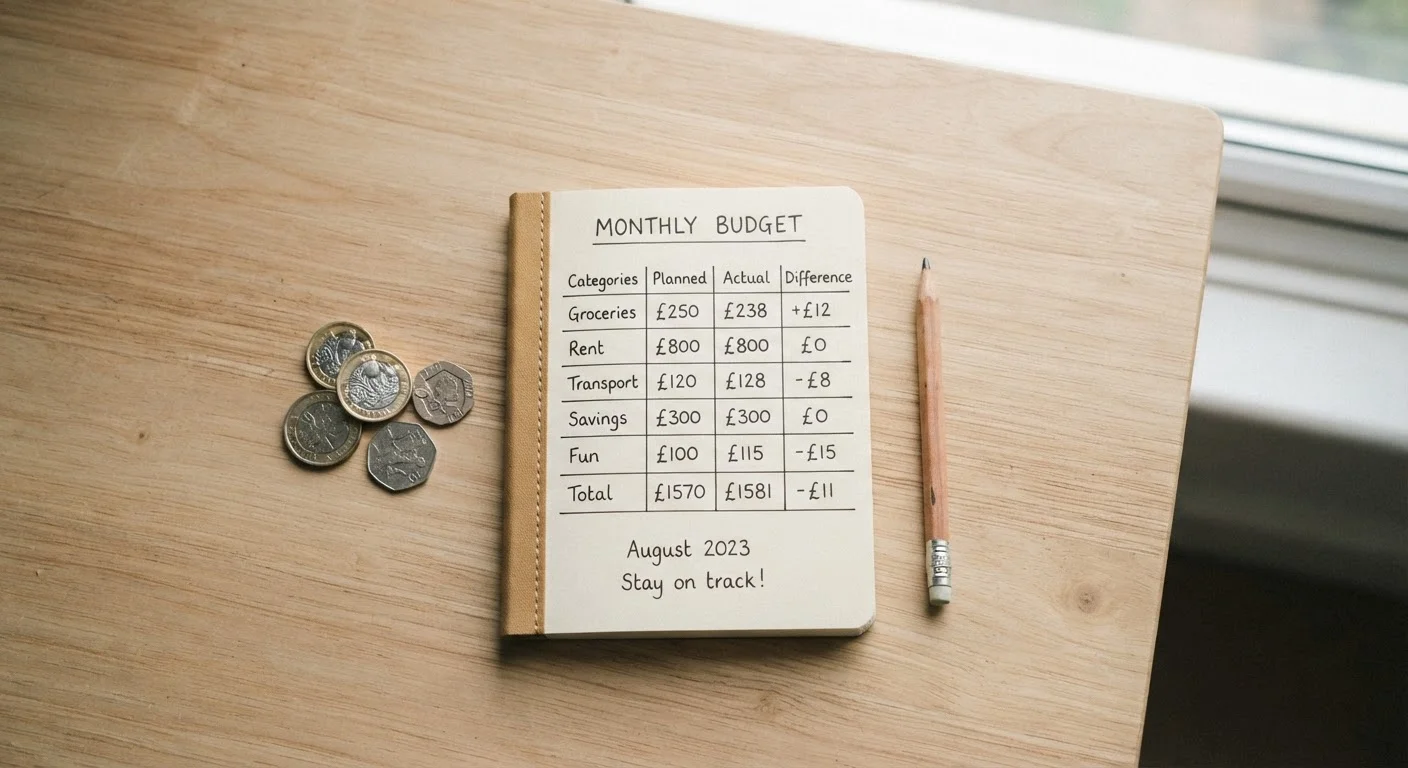
The pay yourself first principle can be layered into a broader monthly budget. If you are working from a monthly budget framework, treat your savings transfer as a fixed line item, the same way you treat rent or a utility bill.
57%
Americans with less than $1,000 in savings
According to a widely cited survey by GOBankingRates, more than half of American adults reported having less than $1,000 in savings at the time of the survey.
10–20%
Commonly recommended savings rate of take-home pay
Many personal finance frameworks, including the 50/30/20 rule, suggest allocating 10–20% of take-home pay toward savings goals and retirement contributions.
If you are managing both savings goals and existing debt simultaneously, our article on splitting your paycheck between saving and debt walks through a practical allocation approach. And once you have a handle on saving intentionally, smart spending habits are the natural next step for stretching your remaining dollars further.
This article is for general informational and educational purposes only and does not constitute personalized financial advice. Please consult a qualified financial professional for guidance specific to your situation.