
Why a Pre-Booking Checklist Pays Off
Finding a low airfare or affordable destination is only the first step. The decisions you make before confirming any booking—passports, entry rules, health requirements, realistic cost estimates—determine whether that budget trip actually stays on budget. Skipping this groundwork is one of the most common reasons travelers end up absorbing unexpected fees or scrambling at the last minute.
This checklist walks through the categories that matter most before you lock in a low-cost international trip. Work through each group systematically, and you'll board with fewer surprises. For a deeper look at how pre-trip spending mistakes quietly drain travel funds, see why travel budgets fall apart before departure.
Travel Documents
Safety and Travel Advisories
Health Preparation
Budget and Cost Verification
Logistics and Connectivity
Travel Insurance Review
Tools That Make Pre-Trip Research Easier
You don't need specialized software to run through this checklist—but a few reliable resources make the verification process faster and more accurate. Below are the categories of tools worth having open as you work through each group.
U.S. Department of State Website (travel.state.gov)
Official source for destination travel advisories, passport information, and entry requirement overviews for U.S. citizens.
CDC Traveler's Health Portal (wwwnc.cdc.gov/travel)
Provides destination-specific health notices, recommended vaccinations, and disease risk information for international travelers.
STEP (Smart Traveler Enrollment Program)
Free U.S. government service that registers your trip with the nearest embassy in case of emergency or evacuation.
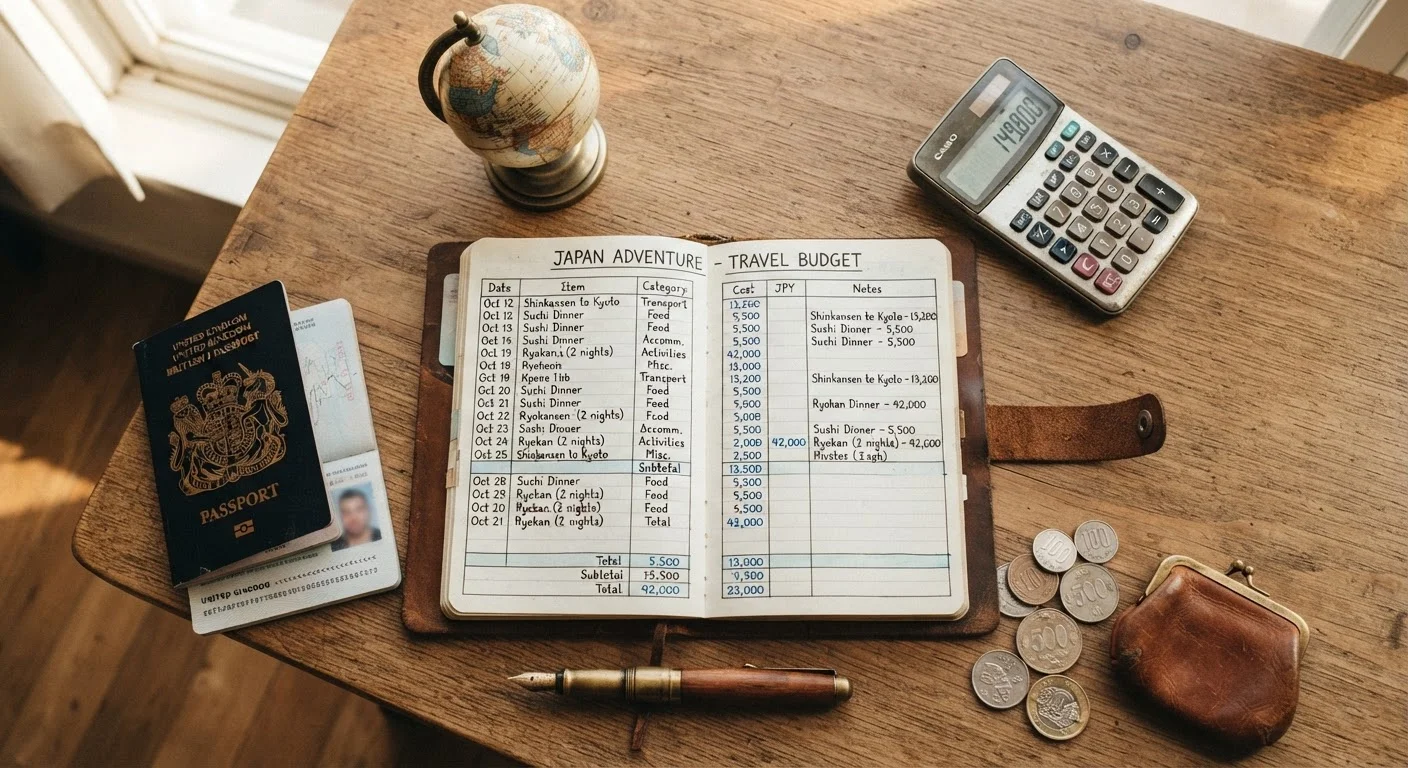
Spreadsheet or Budgeting App
Track all anticipated trip costs across categories—flights, accommodation, daily spending, fees—to build a realistic total budget before booking.
Offline Maps App
Download destination maps for use without a data connection, useful in areas with limited cellular service.
Once you've confirmed the logistics, shift attention to total cost. Many travelers underestimate how much daily spending adds up. Our guide to building a realistic travel budget covers every cost category worth accounting for before you finalize plans. And if you're weighing accommodation types, comparing hostels, budget hotels, and vacation rentals lays out the real trade-offs across cost and comfort.
Verify Entry Requirements Directly with Official Sources
Entry rules—including visa requirements, vaccination proof, and customs restrictions—change and vary by traveler circumstance. Do not rely solely on third-party travel sites for this information. Always confirm current requirements directly with the destination country's embassy or official government website, and cross-reference with travel.state.gov before booking.
What to Do After You've Worked Through the Checklist
Completing this checklist before you book puts you in a fundamentally stronger position than travelers who research on the fly. You'll know your true all-in cost, have confidence in your entry requirements, and have a realistic picture of health and safety considerations at your destination.
A few areas deserve ongoing attention even after booking. Travel advisories can change. Health requirements—particularly for remote or high-risk destinations—may be updated. Confirm any time-sensitive items again roughly four to six weeks before departure. For a broader view of what goes into organizing an international trip from the U.S., this comprehensive international trip planning guide covers the full scope from start to finish.
Don't overlook the fees that don't appear in any advertised price. Resort fees, foreign transaction charges, airport transfer costs, and dynamic pricing on local transport are among the most common budget surprises. Hidden costs that catch budget travelers off guard breaks down exactly which expenses to watch for.
This article provides general travel planning information for educational purposes. Entry requirements, health regulations, and travel advisories are subject to change. Always verify current requirements with official government sources, your healthcare provider, and relevant embassies or consulates before traveling.