
Why Budgeting Before You Book Changes Everything
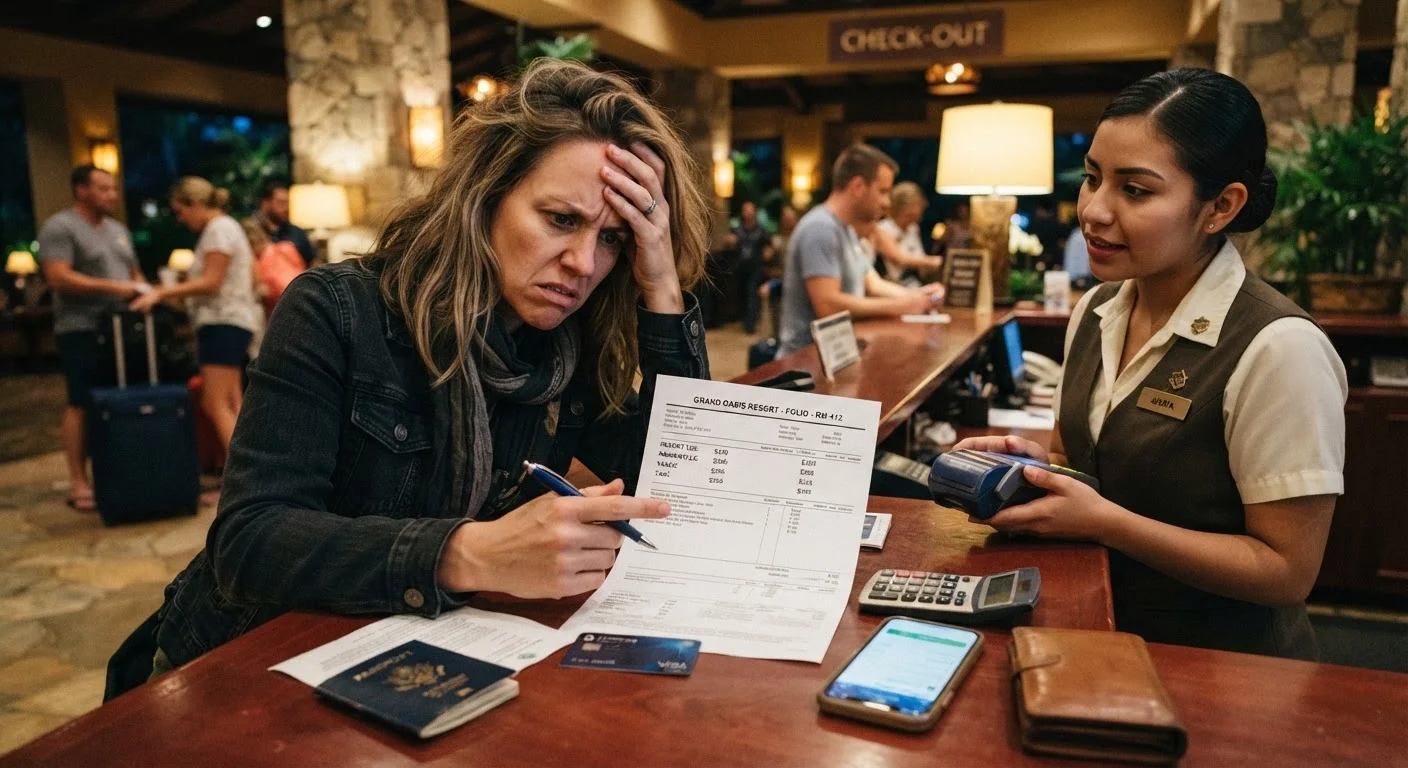
Most trip budgets fail before the trip starts — not because travelers are careless, but because they build their numbers around the two most visible costs: flights and lodging. Everything else gets estimated loosely or ignored entirely. By the time you're ordering dinner on day three or paying a resort fee at check-in, the damage is already done.
A realistic pre-booking budget forces you to think through every category of spending before you commit to anything. That matters because your destination choice, accommodation type, and travel dates all interact with one another. A flight that looks affordable may connect to a city where daily costs are high. A cheap hotel may sit far from the places you want to visit, adding significant ground transport costs. See our Travel Planning Tips for broader context on how these decisions fit together.
The checklist below walks through every major cost category travelers regularly underestimate, along with the questions you need to answer for each one before you finalize any booking.
Transportation
Accommodation
Food & Drink
Activities & Entrance Fees
Pre-Trip Costs
Buffer & Contingency
Tools to Help You Build Your Budget
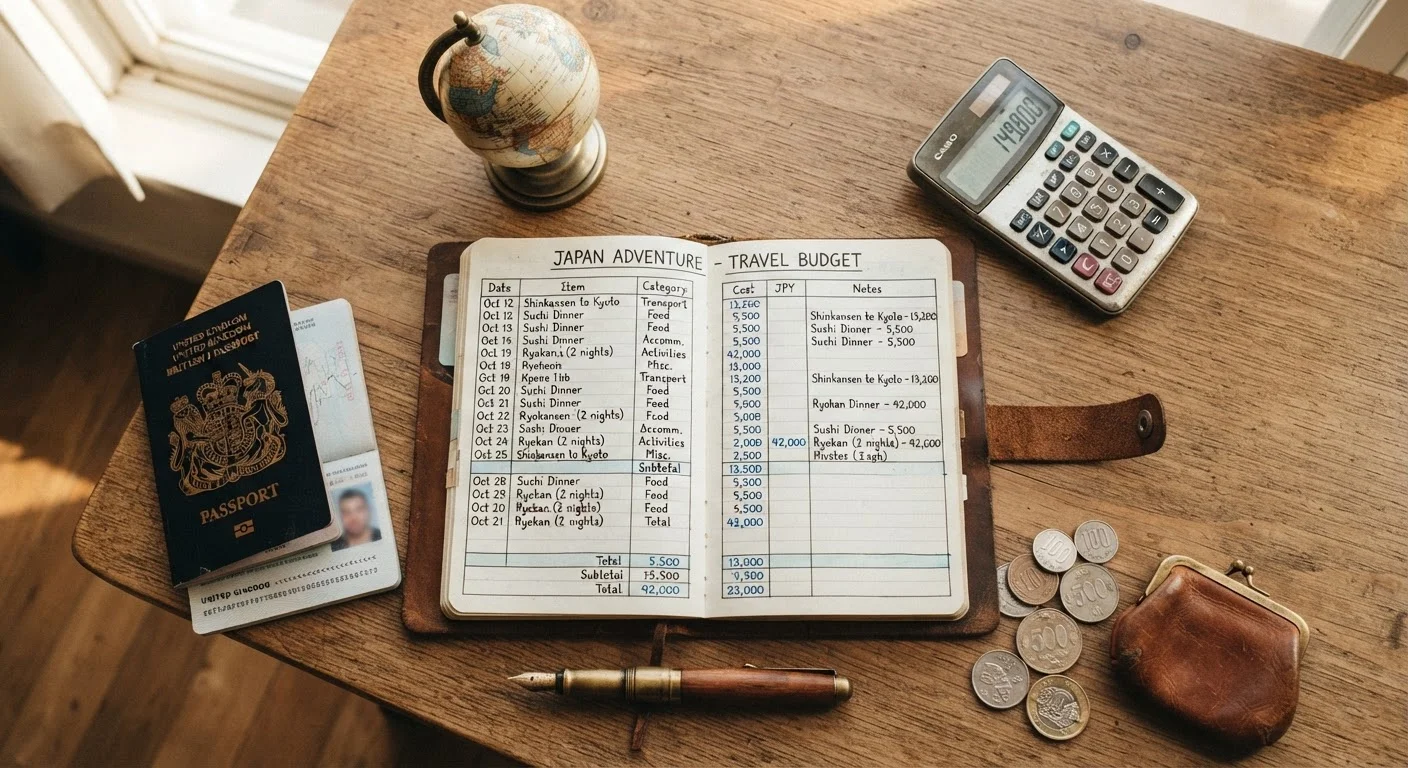
You don't need specialized software to build a solid travel budget — a simple spreadsheet is enough for most trips. What matters more than the tool is that every category below has its own line, with a researched estimate rather than a guess.
Spreadsheet (Google Sheets or Excel)
Create a line-by-line budget with separate columns for estimated, booked, and actual costs to track spending throughout the planning process.
Destination cost research sites
Look up crowd-sourced average daily costs for meals, accommodation, and transport at your specific destination before estimating.
Official government travel portal
Verify current visa requirements, travel advisories, and entry rules directly from authoritative sources before finalizing any travel plans.
Currency converter app
Estimate real-world spending in local currency and flag whether your payment cards charge foreign transaction fees.
Before locking in accommodation, it's worth understanding how lodging type affects your total budget beyond the nightly rate. Comparing hostels, budget hotels, and vacation rentals can reveal trade-offs in cost, flexibility, and what's included. Similarly, hidden fees like resort charges and dynamic currency conversion can add hundreds of dollars to a trip that looks affordable on the booking screen.
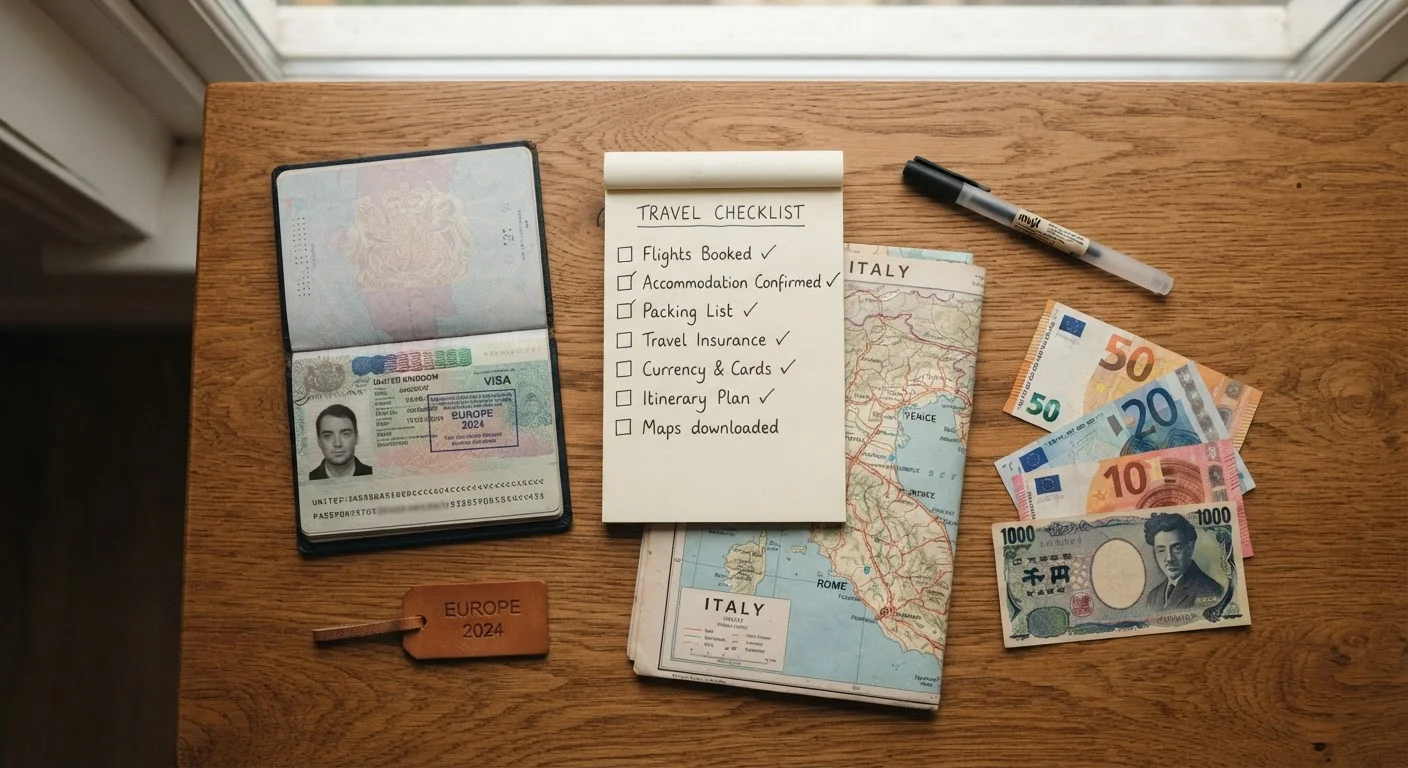
For travelers heading abroad, consider reviewing the pre-trip planning checklist to verify entry requirements, health prep, and currency logistics are accounted for in your numbers. If you're planning a full international itinerary, a step-by-step walkthrough for budget international trips can help you sequence decisions efficiently.
Don't Finalize Any Booking Without a Full Budget
Booking flights before you've estimated total trip costs is one of the most common ways travelers end up overspending. Once a non-refundable flight is purchased, the psychological pressure to proceed with the trip can lead to accepting accommodation or activity costs that don't actually fit the budget. Build the complete picture first, then commit to bookings.
Once your budget is drafted, run it against a structured itinerary to check that daily spending estimates align with your planned activities. A budget and an itinerary built in parallel are far more reliable than either built in isolation.
This article provides general financial planning information for travel purposes only. It is not personalized financial advice. Costs vary widely by destination, travel style, and timing. Always verify current prices, entry requirements, and insurance terms directly with relevant providers and official government sources before booking.