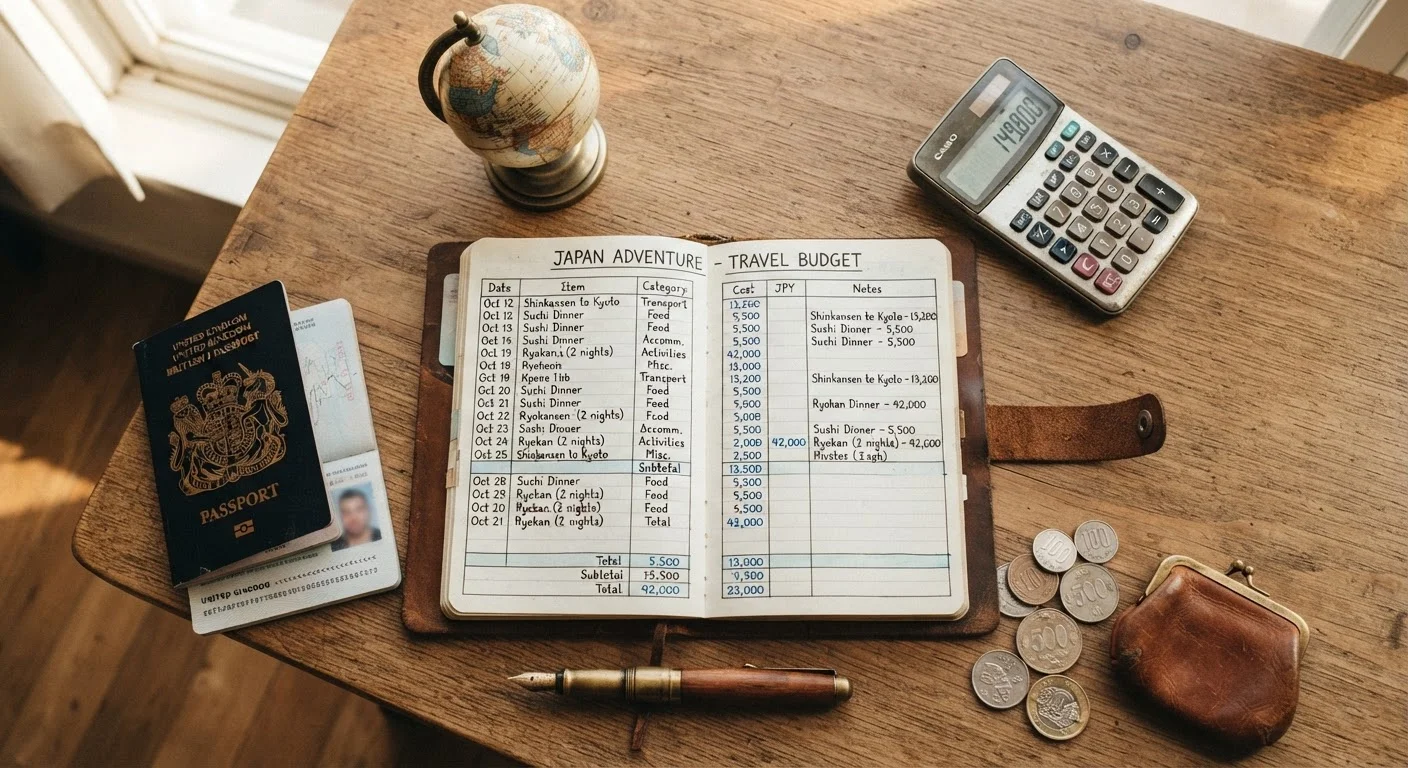


Start With Destination Research, Not Flight Searches
Most people open a flight search engine first and work backward. A more effective approach starts with comparing the on-the-ground cost of candidate destinations — what you'll pay per night for accommodation, a sit-down meal, local transport, and entry fees. These day-to-day costs often vary more dramatically between countries than airfare does.
Regions where the US dollar historically holds strong buying power — such as Southeast Asia, Central America, and parts of Eastern Europe — allow travelers to stretch a fixed budget across more days and experiences. For a deeper look at how daily costs compare across regions, see how Eastern and Western Europe compare for budget travelers or explore what makes Southeast Asia accessible for budget travelers.
Narrow your list to two or three realistic candidates before touching a flight search. At that point, you're comparing apples to apples rather than falling in love with a destination before checking whether the numbers work.
Cost of Living Matters More Than Airfare
A flight that costs $200 more to a destination where daily expenses run 60% lower can still result in a cheaper overall trip. Always calculate total trip cost — not just the airfare — before ruling a destination in or out on price.
Build a Full Budget Before Booking Anything
Flights and accommodation are only part of the picture. Travelers routinely underestimate visa fees, travel insurance, airport transfers, checked baggage fees, and incidental spending. A realistic budget maps out every category in advance.
Our guide on building a realistic travel budget before you book walks through each cost category that tends to get overlooked. Setting a firm daily spending target — and checking your actual spend each evening — is one of the most reliable ways to avoid running short mid-trip.
For a broader framework covering everything from booking strategy to on-the-ground decisions, the comprehensive guide to saving on travel covers the core principles well.
Handle the Logistics That Can Derail Everything
Budget planning means nothing if a passport or visa issue prevents departure. These logistics need to be confirmed well before any money changes hands.
What you will need
A thorough pre-departure checklist — covering passports, travel advisories, health preparation, and currency — is available in our pre-trip planning checklist for budget destinations. For a complete overview of international trip logistics from a US starting point, everything that goes into planning an international trip from the US is a useful reference.
Always verify visa requirements, entry rules, and travel advisories through official US government sources (travel.state.gov) and the destination country's consulate before booking. Requirements change, and this article cannot substitute for current official guidance.
Book Flights Strategically, Then Lock in Accommodation
Once destination and budget are confirmed, the flight search begins in earnest. Flexibility is your main lever: travelers who can shift departure by a day or two, or who can route through a less-congested hub, often find meaningfully different fares. Setting fare alerts several weeks out — rather than booking the first price you see — gives you a baseline for what fares look like before committing.
For accommodation, hostels, guesthouses, and short-term rentals in budget-friendly destinations frequently come in far below chain hotel pricing. Reading recent reviews carefully matters more than star ratings in unfamiliar markets. Book refundable rates where possible until your visa and travel documents are confirmed.
Compare destination costs, not just flight prices
Research the average daily cost (accommodation + meals + local transport + activities) for your shortlisted countries. Use this figure multiplied by your trip length as the foundation of your total budget estimate.
Set a total trip budget with a category breakdown
Assign dollar amounts to: flights, accommodation, food, local transport, activities, visa fees, travel insurance, and a contingency buffer (10–15% of the total is a reasonable cushion). Do not skip insurance — a single medical event abroad without coverage can exceed the entire trip cost.
Verify passport validity, visa requirements, and travel advisories
Most countries require a passport valid for at least six months beyond your return date. Check visa requirements via the US Department of State (travel.state.gov) and the destination country's official consulate site. Review current travel advisories for your destination before booking.
Set fare alerts and monitor airfare for 3–6 weeks
Use fare alert tools to track prices on your target routes without locking in immediately. Note the price range you observe, then book when a fare lands at the lower end of that range. Midweek departures and avoiding school holiday windows frequently produce lower fares on international routes.
Book accommodation with cancellation options first
Secure refundable accommodation before paying non-refundable fees elsewhere. This keeps options open if your visa is delayed or plans shift. Prioritize properties with recent reviews from travelers whose style matches yours.
Set up your cards, notify your bank, and arrange local currency
Identify which cards in your wallet carry no foreign transaction fees. Notify all banks you'll use of your travel dates and destinations. Research whether your destination is heavily cash-based or card-friendly — some markets require cash for most transactions.
Track daily spending against your budget target
Each evening, tally what you actually spent across all categories and compare it to your daily target. Adjust the next day's planned spending accordingly. This takes about five minutes and is the most reliable safeguard against running out of money before the trip ends.
Managing Money and Daily Spending Once You Arrive
Currency strategy is a practical concern that many first-time international travelers handle inefficiently. Airport currency exchange desks typically offer poor rates. Withdrawing local currency from bank ATMs at the destination, using a debit card that refunds foreign ATM fees, is generally more cost-effective — though you should carry some local cash before leaving the airport in case of ATM issues.
A credit card with no foreign transaction fees handles larger purchases without adding 1–3% per transaction. Notify your bank before departure to avoid fraud holds on your card.
Track daily spending against your pre-set target each evening. Small overruns — a taxi instead of the bus, a tourist-area restaurant — compound across a week. The travelers who stay on budget are usually the ones who check the numbers daily rather than estimating at the end.
For broader travel planning tips and strategies, the Travel Planning Tips hub and the Saving on Travel hub offer additional resources organized by topic.