
What Makes Southeast Asia Structurally Affordable
Southeast Asia's affordability isn't accidental — it's rooted in economic structures that naturally keep costs low for visitors. Local wages, land costs, and food production expenses in countries like Vietnam, Cambodia, and Indonesia are a fraction of what they are in the United States. That gap creates a real purchasing power advantage for US-dollar holders that manifests in everyday travel expenses.
Accommodation is a clear example. Guesthouses, hostels, and small locally-run hotels in many parts of the region charge $10–$25 USD per night for clean, functional rooms in popular tourist areas. Even mid-range options — private rooms with air conditioning and reliable Wi-Fi — frequently fall under $50. This is structural, not a matter of finding secret deals. Understanding what actually makes a destination affordable at this level is worth reviewing: see how to evaluate destination affordability for a practical framework.
$35–$55
Typical daily budget (USD) in Vietnam or Cambodia
Based on commonly reported traveler spending estimates covering budget accommodation, street food meals, and local transport — individual results vary.
$1–$4
Average cost of a street food meal across the region
Prices for freshly prepared meals at local stalls across Vietnam, Thailand, Indonesia, and Malaysia typically fall in this range for standard dishes.
11
Countries in the Southeast Asian region
The region spans 11 nations — from Myanmar and Thailand in the west to the Philippines and Timor-Leste in the east — each with distinct cost profiles.
Street Food Culture and the Cost of Eating Well
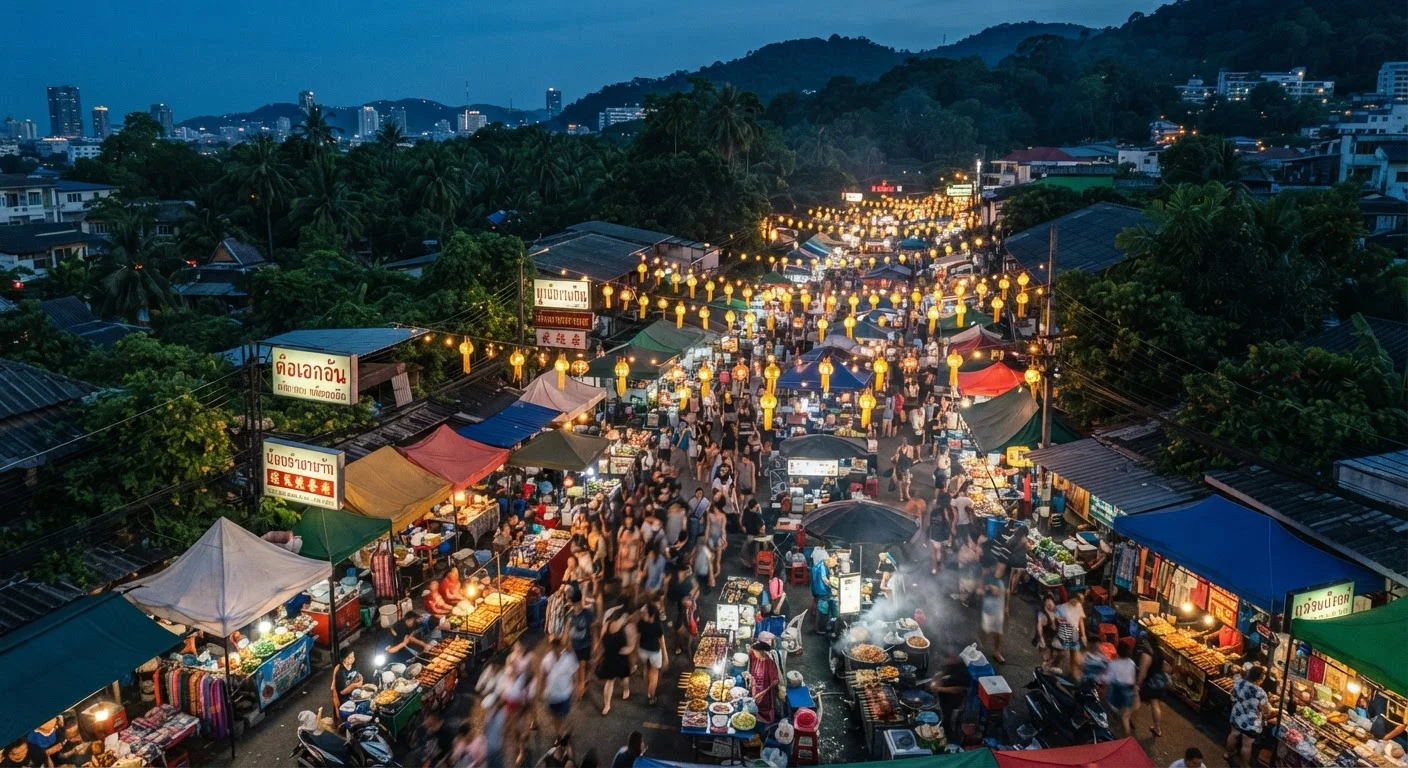
In much of Southeast Asia, eating well and eating cheaply are the same thing. Street food is not a compromise — it is the food culture. Night markets, hawker stalls, and roadside vendors serve freshly prepared meals for $1–$4 USD across Vietnam, Thailand, Malaysia, and beyond. A bowl of pho in Hanoi, a plate of pad see ew in Chiang Mai, or a portion of nasi goreng in Yogyakarta are all dishes that locals eat daily, prepared quickly and sold affordably.
This dynamic means travelers don't have to sacrifice quality or authenticity to stay within budget. The challenge is knowing when you're paying tourist pricing versus local pricing — a distinction that grows sharper in heavily trafficked areas. Sit-down restaurants near major landmarks can charge two to four times more than stalls a short walk away. Wandering slightly off the tourist circuit is often all it takes to find substantially lower prices.
Getting Around: Regional Transport Networks
Southeast Asia has developed one of the most functional low-cost travel networks in the world. Budget carriers operate frequent routes between major hubs — connecting Bangkok, Kuala Lumpur, Ho Chi Minh City, Bali, and Manila at prices that are often competitive with long-distance bus tickets in the US. Overland travel by bus, train, and shared van adds another layer of affordable options for travelers with flexible schedules.
Within cities, ride-hailing apps have become the standard and offer transparent pricing in local currency. Tuk-tuks, motorbike taxis, and local buses fill in the gaps. The density of options means travelers rarely need to spend significantly on getting from place to place. That said, transport costs can still add up — especially for multi-country itineraries or airport-to-city transfers that carry tourist pricing. Transport-related hidden costs are worth anticipating before you finalize any itinerary.
Costs That Vary and Expectations to Calibrate
Southeast Asia is not uniformly cheap. Singapore is one of the most expensive cities in the world. Bali's Seminyak and Canggu districts cater to a high-spending visitor market. Bangkok's luxury hotel zone bears little resemblance to a guesthouse in rural Laos. Costs scale with tourism density, and travelers who visit only the most popular spots may find the experience less affordable than expected.
Country-level variations also matter. Cambodia and Laos generally remain lower-cost than Thailand or Malaysia. Vietnam offers strong value across both cities and rural areas. The Philippines combines affordable islands with logistically complex — and occasionally expensive — inter-island travel.
Budget travelers heading to the region for the first time should also account for expenses that aren't always visible upfront: visa fees, airport taxes, national park entry charges, travel insurance, and health precautions. These don't undermine the region's overall affordability, but ignoring them leads to budget miscalculations. Our full walkthrough on planning a budget international trip covers how to build these into your estimates from the start. For accommodation strategies that experienced travelers rely on across all budget tiers, see stretching accommodation dollars.
Southeast Asia remains genuinely accessible for travelers who approach it with realistic expectations and a clear-eyed sense of where costs cluster. The structural advantages are real — but so is the need to plan with the full picture in mind.
This article provides general travel information for educational purposes. Prices, visa requirements, safety conditions, and travel advisories change frequently. Always verify entry requirements with official government sources and consult qualified professionals for health or financial decisions related to your travel plans.