
Why the South Works for Budget Travelers
The American South routinely delivers more value per travel dollar than almost any other region in the country. The cost of living across most Southern states is below the national average, and that translates directly into what you pay for food, lodging, and entertainment when you visit. A sit-down lunch at a meat-and-three restaurant in Tennessee or a plate lunch in Louisiana will often run well under $15. Motel and inn rates in smaller cities frequently come in under $80 a night.
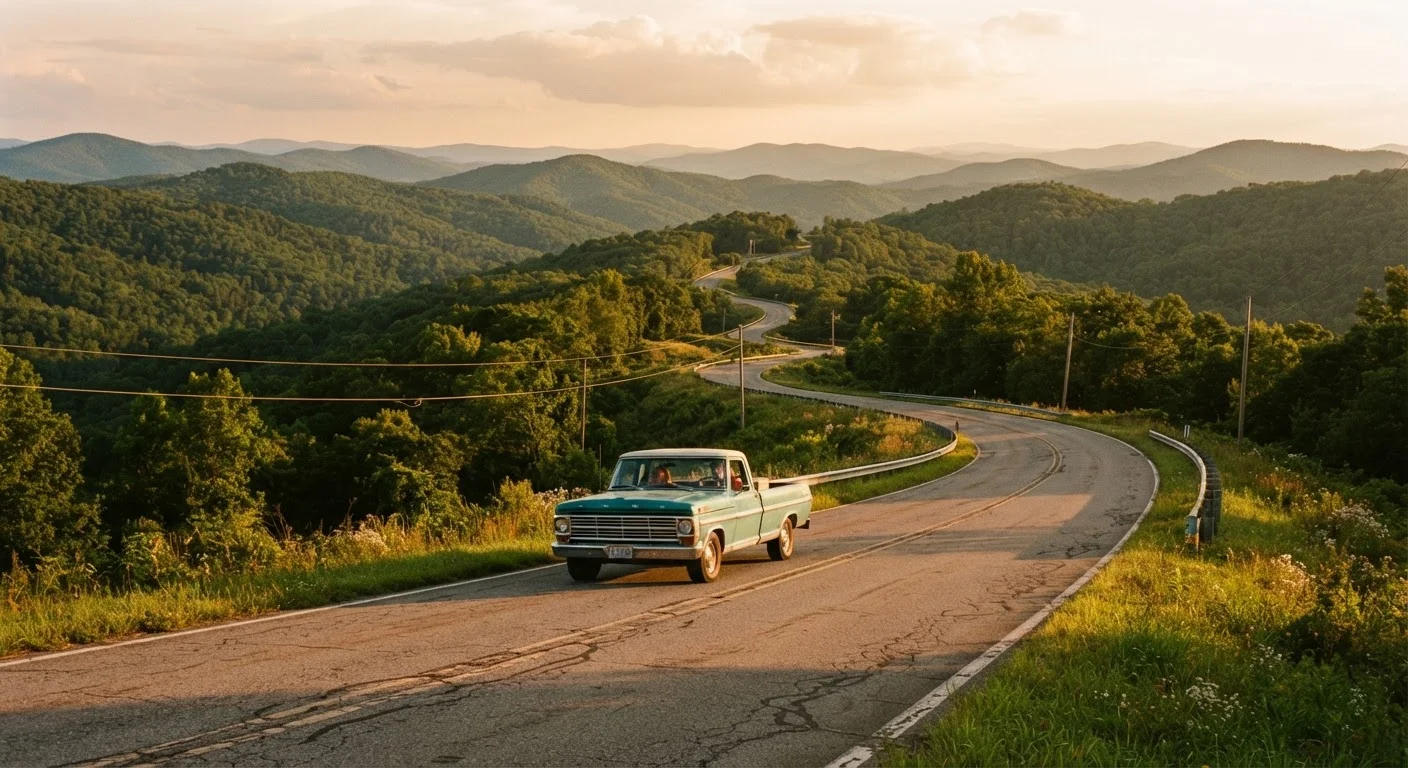
Beyond low prices, the South is geographically dense with things to do. Within a single state, you can move from mountains to coastal marshes, from Civil War history to blues heritage, all within a few hours of driving. That density makes road trips especially efficient — you cover a lot of ground without needing to buy flights. For more on building a low-cost trip around driving, see underrated Southern road trip destinations.
It's worth noting that costs do vary significantly within the region. Tourist-heavy destinations like Nashville's Broadway or New Orleans' French Quarter have seen price increases in recent years. The real budget value lies slightly off those main circuits — in state parks, second-tier cities, and free community events.
State Parks: The South's Best-Kept Secret
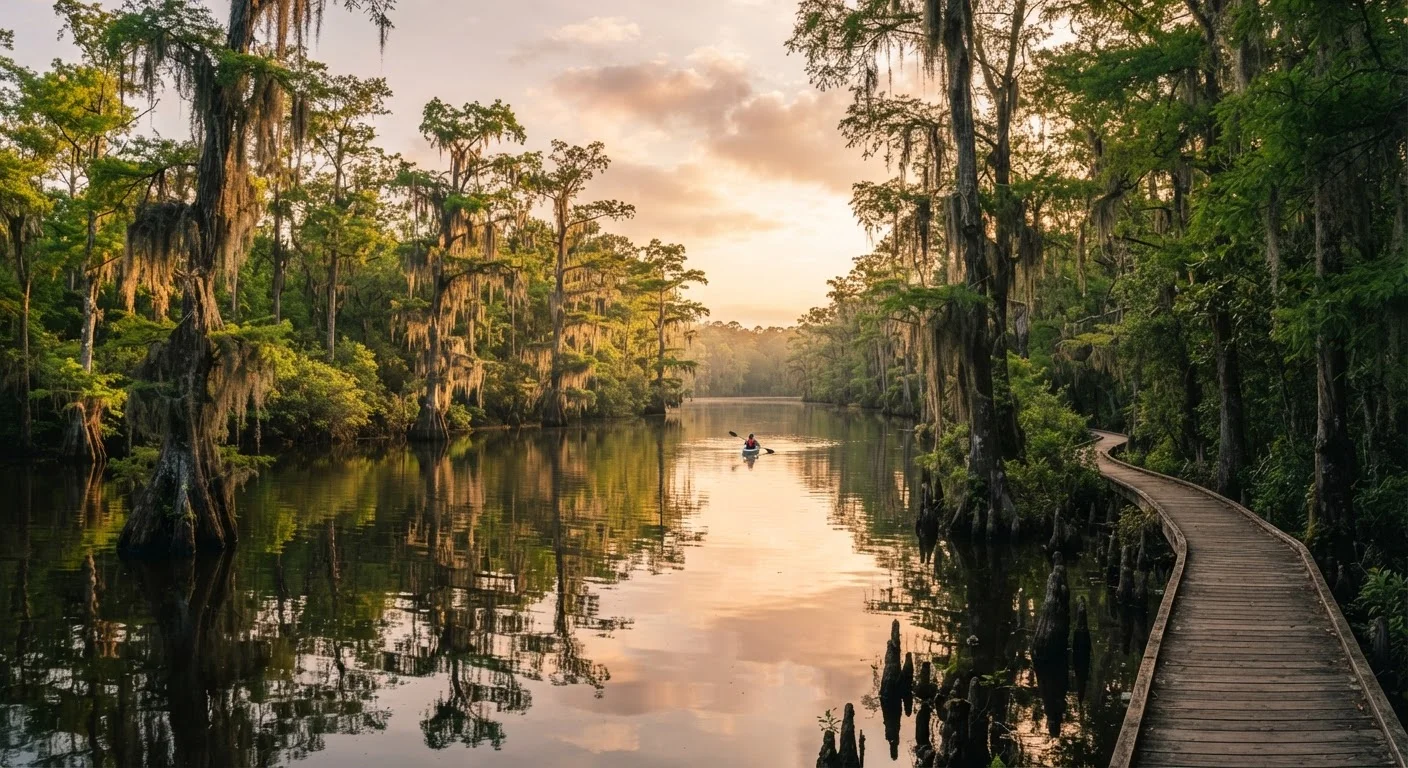
Southern state parks are genuinely underappreciated by travelers who default to national parks. States like Georgia, Alabama, Mississippi, and the Carolinas operate extensive systems with waterfalls, swimming holes, hiking trails, and campgrounds — typically for day-use fees of $5 or less per vehicle, with tent sites often ranging from $15 to $25 a night.
When comparing Southern state parks to national parks, check whether the state system offers a reciprocal access agreement — some states honor America the Beautiful passes for discounts, while others have standalone annual passes that pay for themselves in two visits.
State park fee structures vary widely and are updated periodically; verifying before arrival prevents surprises and helps travelers decide whether a pass makes financial sense for their itinerary.
Book state park cabins 3–4 months in advance for fall foliage season in the Appalachian South — they sell out faster than campsites and often cost less than comparable motel rooms in gateway towns.
Cabin reservations at popular parks like Georgia's Vogel or North Carolina's Stone Mountain fill quickly in October, and last-minute alternatives in nearby towns are typically more expensive.
Highlights worth considering include Cheaha State Park in Alabama, which sits on the state's highest point and offers views across the Talladega National Forest. Tishomingo State Park in Mississippi threads through ancient Appalachian foothills along a clear-water creek — it's frequently uncrowded even on weekends. In South Carolina, Huntington Beach State Park is considered one of the most biodiverse coastal parks on the East Coast, with no admission price that approaches comparable national seashore parks.
Many Southern state park systems offer annual passes that cost roughly what you'd pay for two or three park visits, making them worth buying early in a longer trip. Check the individual state park agency websites for current pass pricing and availability before you go — details change seasonally.
Small Cities With Big Cultural Returns
The South's best budget experiences are often concentrated in mid-size and small cities that don't make most top-ten lists. These cities have real cultural infrastructure — museums, music venues, historic districts — but haven't yet priced themselves to match coastal metros.
Natchez, Mississippi is one of the most architecturally intact antebellum cities in the country. Strolling the historic district costs nothing, and the Natchez Trace Parkway (a free federal scenic road) begins here. Macon, Georgia has a legitimate claim as one of the cradles of Southern rock and soul, with the Allman Brothers Band Museum and the Otis Redding Foundation both operating there. Asheville, North Carolina has grown in popularity, but its walkable River Arts District, public murals, and free outdoor performance spaces still offer considerable value if you avoid peak summer weekends.
Smaller cities also tend to have more affordable lodging options and less competition for reservations. For strategies on stretching your accommodation budget further, see what experienced budget travelers do for lodging.
Consider applying a slow travel approach in one of these smaller cities — weekly rental rates can be significantly lower than nightly rates, and you'll have time to find the free and low-cost local rhythms.
Food, Music, and Free Culture
Two of the South's biggest draws — its food culture and its music heritage — are available at very low cost if you know where to look. Blues music in the Mississippi Delta can be heard live at small juke joints and festival stages for little or no cover charge. Gospel music services in historic churches are open to respectful visitors in many communities. Memphis holds free outdoor concerts along the Mississippi River during warmer months.
Street food and casual dining are where the South's culinary reputation really lives. Barbecue joints, tamale stands in the Delta, boiled peanut vendors along rural highways, and soul food buffets by the pound all offer authentic regional eating for modest prices. Approaching food this way — eating where locals eat rather than at tourist-facing restaurants — is both cheaper and genuinely more representative of Southern food culture.
Free cultural institutions include the Birmingham Civil Rights Institute (free on Sundays), the Memphis Rock 'n' Soul Museum (ticketed but reasonably priced), and dozens of county historical museums that charge minimal entry fees or none at all. The National Civil Rights Museum and similar sites do charge admission, but watching for community discount days or checking eligibility for library card-based museum passes can reduce those costs.
Practical Tips for Keeping Costs Down
A few structural decisions will shape your budget more than any individual spending choice. Traveling in shoulder season — April through early June and mid-September through November — avoids the worst summer heat and crowds, and room rates typically drop noticeably. This matters especially in cities like New Orleans and Charleston, where peak-season hotel prices can be two to three times higher than off-peak rates.
Check for Free Museum Days Before You Go
Many Southern museums and cultural sites offer free or reduced admission on specific days — often the first Sunday of the month or select weekday afternoons. State-funded historic sites in Mississippi, Alabama, and Georgia frequently charge no admission at all. A few minutes of research before your trip can save $15–$30 per person across a multi-day itinerary.
Driving a personal vehicle or a one-way rental rather than flying opens up routes through rural areas where costs are lowest and lodging options like state park cabins and small motor courts become practical. If you're combining multiple Southern states, mapping your route along a corridor — say, the Natchez Trace Parkway, or the Blues Highway (US-61) — creates built-in structure without requiring expensive side trips.
To avoid common misconceptions that can inflate your budget unnecessarily, it's worth reviewing persistent budget travel myths before finalizing plans. And for a broader framework on cutting costs across your whole trip, the comprehensive guide to saving on travel covers booking, transportation, and on-the-ground spending strategies end to end.
The South rewards travelers who slow down, stay curious, and eat where the locals eat. The infrastructure for a genuinely rich, low-cost trip is already there — the goal is simply knowing how to find it.