

What Slow Travel Actually Means
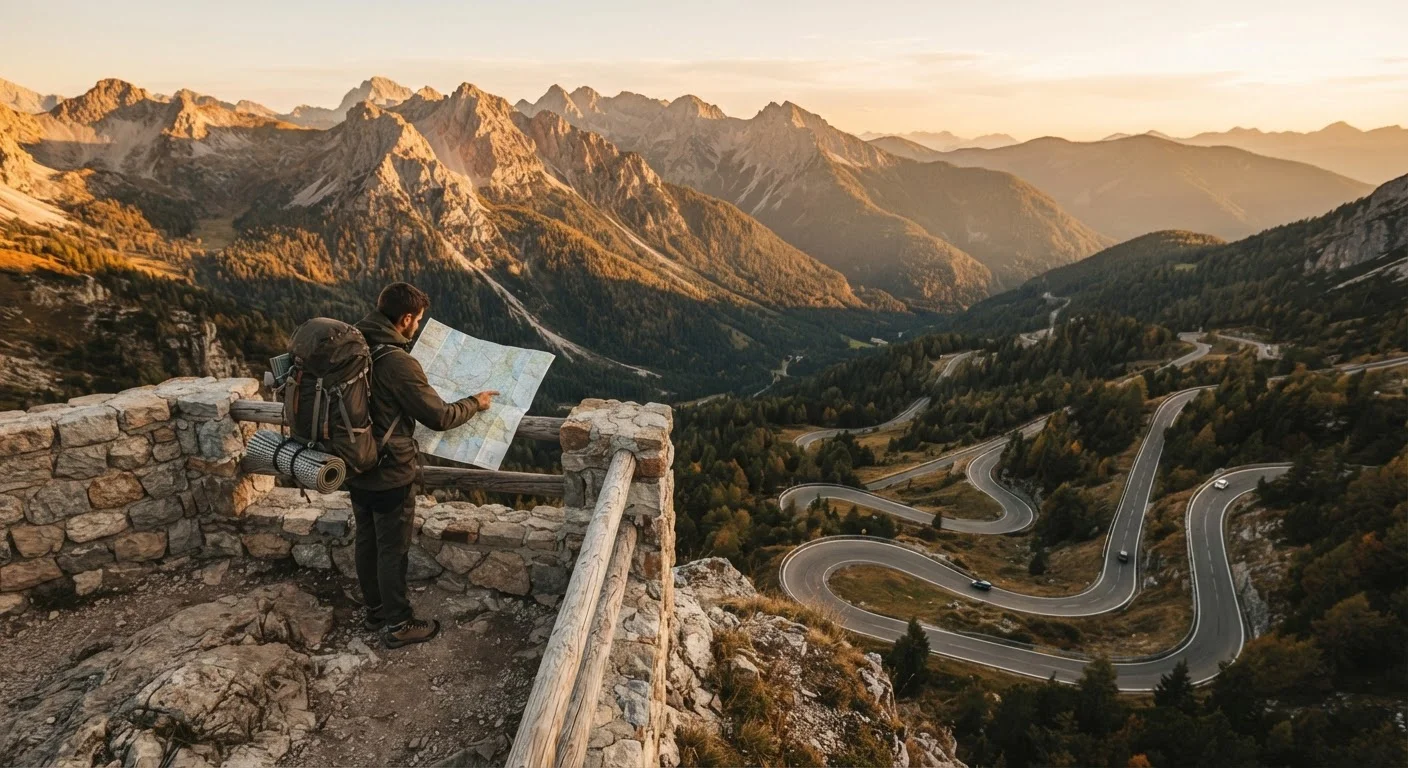
Slow travel has no single official definition, but the core idea is straightforward: instead of visiting five cities in ten days, you stay in one or two places for several weeks or longer. The goal isn't just a change of pace — it's a structural shift in how travel costs accumulate.
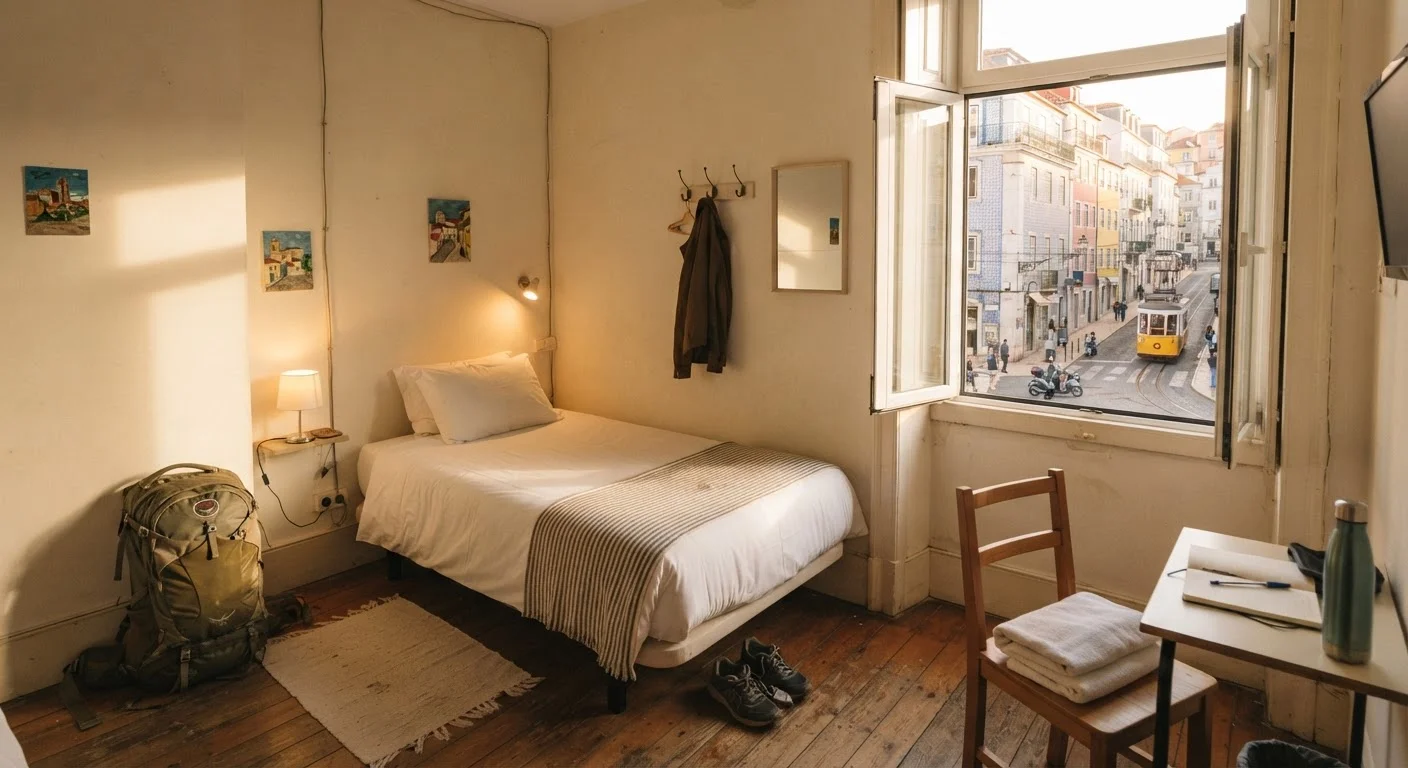
When you move frequently, you pay full nightly rates at hotels or short-term rentals, buy transport tickets repeatedly, and eat most meals at restaurants because you don't have a kitchen or the time to shop. Slow travel disrupts that pattern. A stay of two weeks or more in one location opens up negotiated weekly or monthly rental rates, access to a proper kitchen, and the kind of local routine that naturally steers spending away from tourist-priced services.
This approach fits naturally into a broader framework for spending less without sacrificing the trip, where the biggest savings come from changing the structure of travel rather than just hunting for discounts.
The Real Cost Advantages
The financial case for slow travel rests on a few concrete mechanisms, not just vague intuition about simplicity.
Weekly and monthly rates reduce accommodation costs significantly
Landlords and rental hosts routinely offer discounts for longer stays to reduce vacancy risk. This discount can bring the effective nightly cost 20–40% below short-term rates, though actual figures vary widely by destination and platform.
Kitchen access cuts food spending dramatically
Having a kitchen means buying groceries at local markets instead of paying restaurant prices for every meal. Even cooking just half your meals at home can halve the food portion of your daily budget in many destinations.
Fewer transit purchases reduce cumulative transport costs
Inter-city and international travel is one of the largest per-trip expenses. Staying in one place means paying for that transit leg once rather than every few days.
Local routines lead to lower-cost spending patterns
After a week in one place, most travelers naturally find the neighborhood coffee shop, the cheap lunch spot, and the transit routes locals actually use — all of which tend to be less expensive than the tourist-facing options.
Deeper experience often at lower cost
Free or low-cost experiences — parks, markets, community events, libraries — become accessible when you have time to discover them. These aren't usually on short-stay itineraries.
Accommodation discounts for longer stays are common across rental platforms and guesthouses in most destinations. A room that costs $80 per night might drop to the equivalent of $50 per night when booked by the month. Over 30 days, that's a $900 difference — more than many round-trip domestic flights.
Grocery shopping replaces restaurant spending. According to the U.S. Bureau of Labor Statistics, Americans spend roughly 43% of their food budget eating out. Gaining access to a kitchen and a nearby market can cut daily food costs substantially, particularly in lower-cost countries. This is one reason experienced budget travelers prioritize kitchen access when choosing where to stay.
Transit costs drop sharply. Moving between cities — especially internationally — costs money every time. Slow travelers absorb that cost less frequently, and often find local transit options like monthly bus passes that are unavailable to short-stay visitors.
43%
Share of US food spending that goes to dining out
According to U.S. Bureau of Labor Statistics data, Americans spend roughly 43 cents of every food dollar at restaurants and food service — a cost slow travelers can substantially reduce with kitchen access.
2 weeks
Typical US paid vacation allowance per year
The Center for Economic and Policy Research has documented that the US is an outlier among wealthy nations in offering no federally mandated minimum paid vacation, with many workers receiving just 10–14 days annually.
The Real Drawbacks
Slow travel isn't a universal upgrade. There are genuine costs and constraints that make it unsuitable for many travelers.
Requires significant schedule flexibility most workers lack
The US average of around two weeks of annual paid vacation makes multi-week stays in a single location unrealistic for many employed travelers. The model is structurally dependent on time freedom.
Fewer destinations visited per trip
Spending three weeks in one city means not visiting three others. For travelers with a bucket list or limited travel years, this is a genuine opportunity cost, not just a preference difference.
Savings disappear without spending discipline
A long stay only saves money if you actually cook, use local transit, and avoid tourist-priced activities. Boredom or social pressure can erode projected savings faster than many travelers expect.
Risk of social isolation on long solo stays
Extended solo slow travel in an unfamiliar place can become isolating, particularly without a built-in social structure. This is a real quality-of-life consideration that affects how enjoyable the trip actually is.
High-cost destinations neutralize the financial benefit
A monthly rate in an expensive city is still expensive. The slow travel savings model is most effective in lower-cost destinations; applying it in high cost-of-living cities produces only modest reductions.
The most significant constraint is time. Most US workers receive two weeks of paid vacation annually, making a single month-long stay in one destination an impractical fantasy for the majority. The savings model only works if you have the flexibility to actually use it.
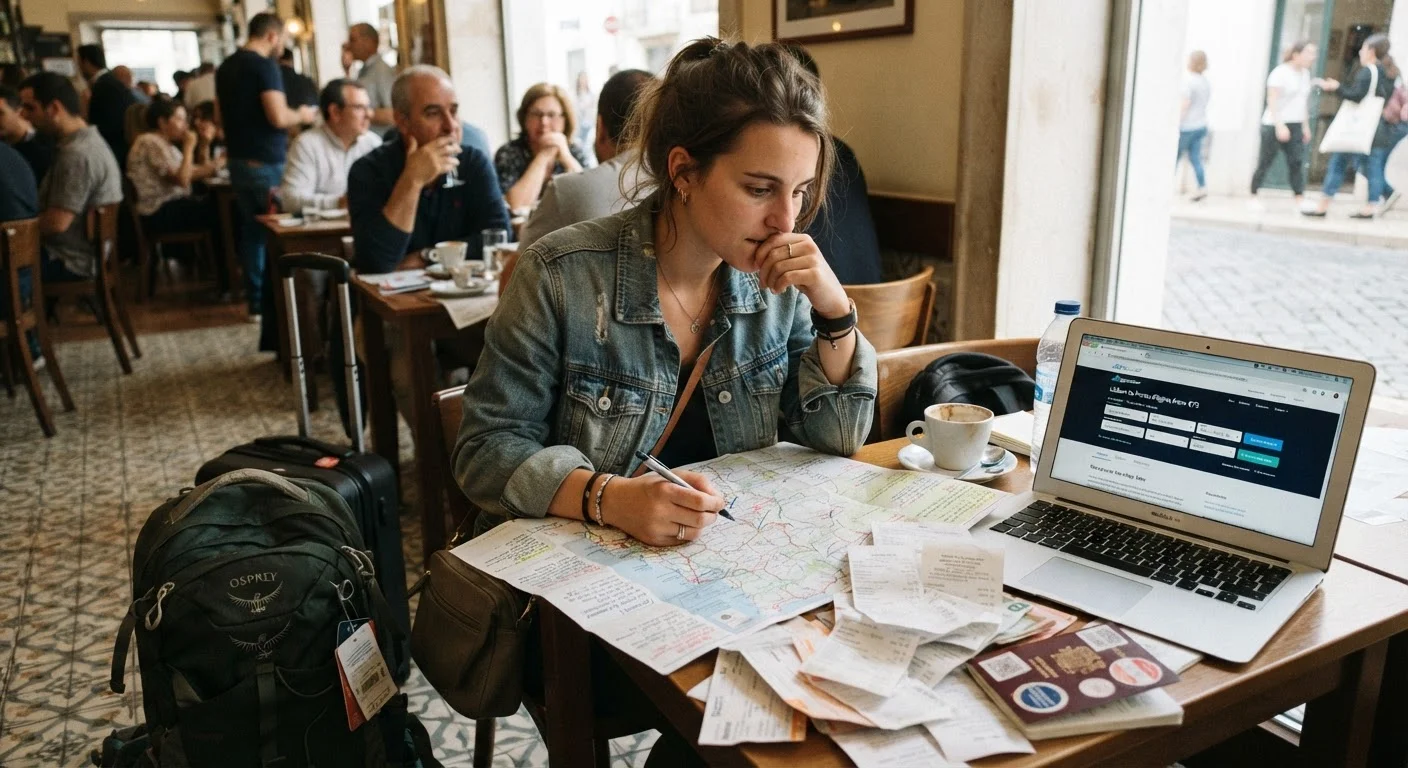
There's also a risk of a false economy: if you spend more on entertainment or dining out of boredom or social habit in a place you're stuck in for a month, the projected savings evaporate. Slow travel lowers costs structurally, but it doesn't eliminate the need for spending discipline. This connects to a broader point explored in common budget travel myths — structure alone doesn't guarantee savings.
Who This Approach Suits — and Who It Doesn't
Slow Travel and Remote Work
The rise of remote and hybrid work arrangements has expanded the viable pool of slow travelers. If your employer allows you to work from anywhere for an extended period, a weeks-long stay abroad or in a lower-cost US region can function as a cost-reducing strategy rather than a vacation trade-off. Verify your employer's policy, tax implications, and any visa requirements with the relevant authorities before planning a long working stay abroad — rules vary significantly by country.
Slow travel works well for remote workers, retirees, those on sabbatical, or anyone with significant schedule flexibility. It also pairs effectively with shoulder season timing, since staying long-term in a destination during its quieter months often unlocks the lowest accommodation rates of the year.
It is a poor fit for travelers who have a fixed, short vacation window and a list of destinations they want to visit. Someone with ten days who wants to see both Paris and Rome cannot apply the slow travel model without sacrificing one destination entirely. In those cases, strategies like flexible-date booking or weighing layover trade-offs carefully may deliver more practical savings.
Destination choice also matters. Slow travel in a high cost-of-living city — say, Zurich or Singapore — still produces high daily expenses even with a monthly rate. The model works best in destinations with genuinely lower baseline costs, such as parts of Southeast Asia, Latin America, or Eastern Europe.