

The Price Tag You See vs. the Price You Pay
When a connecting flight shows up $80 or $120 cheaper than a direct route, that number is real — but it's incomplete. The listed fare captures only one line item. What it omits can quietly erase those savings before you even land.
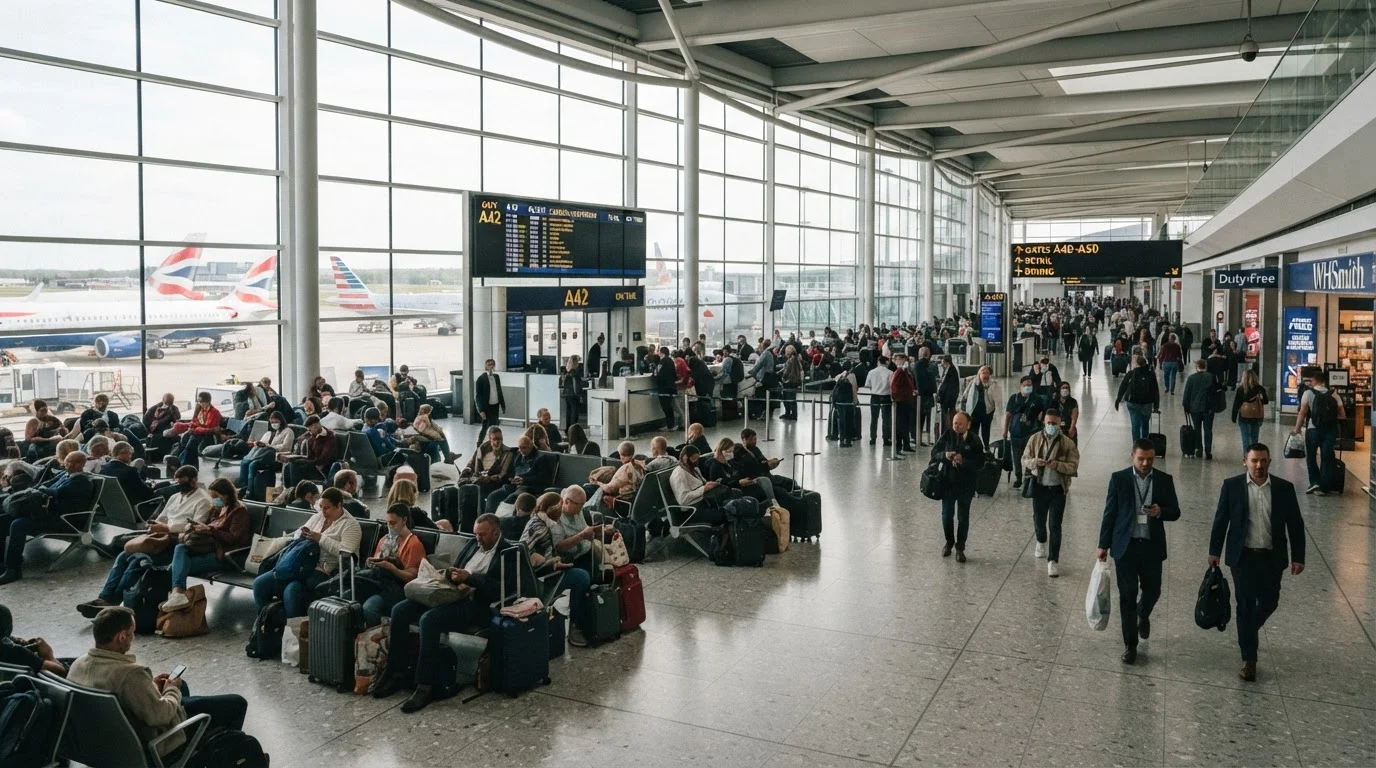
Consider what a layover actually adds to a trip: airport meals, an extra drink to pass time, a lounge day pass if the wait stretches long, or an overnight hotel if the connection requires it. A four-hour layover at a mid-size hub airport can easily consume $30–$60 in incidentals without any single extravagant purchase. See our guide to cheap flight misconceptions for more on how advertised prices diverge from actual trip costs.
Time is the other currency. If a layover adds three hours to a domestic trip, that's three hours not spent at your destination, not resting, and not productive — particularly costly if you've taken unpaid time off work or need to be somewhere by a specific hour. The math looks different for a two-week international trip than for a long weekend.
| Direct Flight | Layover Itinerary | |
|---|---|---|
| Listed fare (typical domestic) | Higher by $50–$200 | Lower on paper |
| Travel time | Shortest possible | Adds 2–6+ hours |
| Disruption risk | Low — one leg only | Higher — each connection is a failure point |
| Checked bag risk | Minimal | Higher chance of misrouting |
| Incidental spend | Minimal airport time | $30–$80+ in food, delays, lounges |
| Best trip length | Short trips, weekends | Long-haul or multi-week trips |
| Flexibility required | Low — works for tight schedules | Higher — delays can cascade |
Where Layovers Genuinely Make Sense
Layovers are not inherently bad deals. On long-haul international routes, the fare difference between a connecting itinerary and a nonstop can reach several hundred dollars. At that scale, the hidden costs described above rarely close the gap. A traveler flying coast-to-coast who saves $180 on a one-stop itinerary with a two-hour layover at a manageable airport may well come out ahead — especially traveling with carry-on only, which sidesteps the risk of misrouted checked bags.
Flexibility also changes the calculus. If your schedule has a full buffer day built in, a missed connection is an inconvenience rather than a catastrophe. Layovers done thoughtfully — with enough connection time, a single-terminal transfer, and minimal luggage — can genuinely deliver savings. The problems arise when travelers accept the risk without acknowledging it.
The Hidden Costs of a Missed or Delayed Connection
Disruption risk is where layover economics can collapse fast. Airlines are not always obligated to cover your expenses if you miss a connection due to weather or other factors outside their control. A single missed flight can mean an unplanned hotel night, rebooking fees if you're on a restrictive fare, and meals for the duration of the delay.
Short Connections Carry Real Financial Risk
A connection under 60 minutes at a major hub airport is frequently too tight, especially if your inbound flight runs late. If you miss the connection and the delay is weather-related, the airline may not be required to cover your hotel or rebooking costs on a non-refundable fare. Factor this potential out-of-pocket exposure into your fare comparison before committing to a tight itinerary.
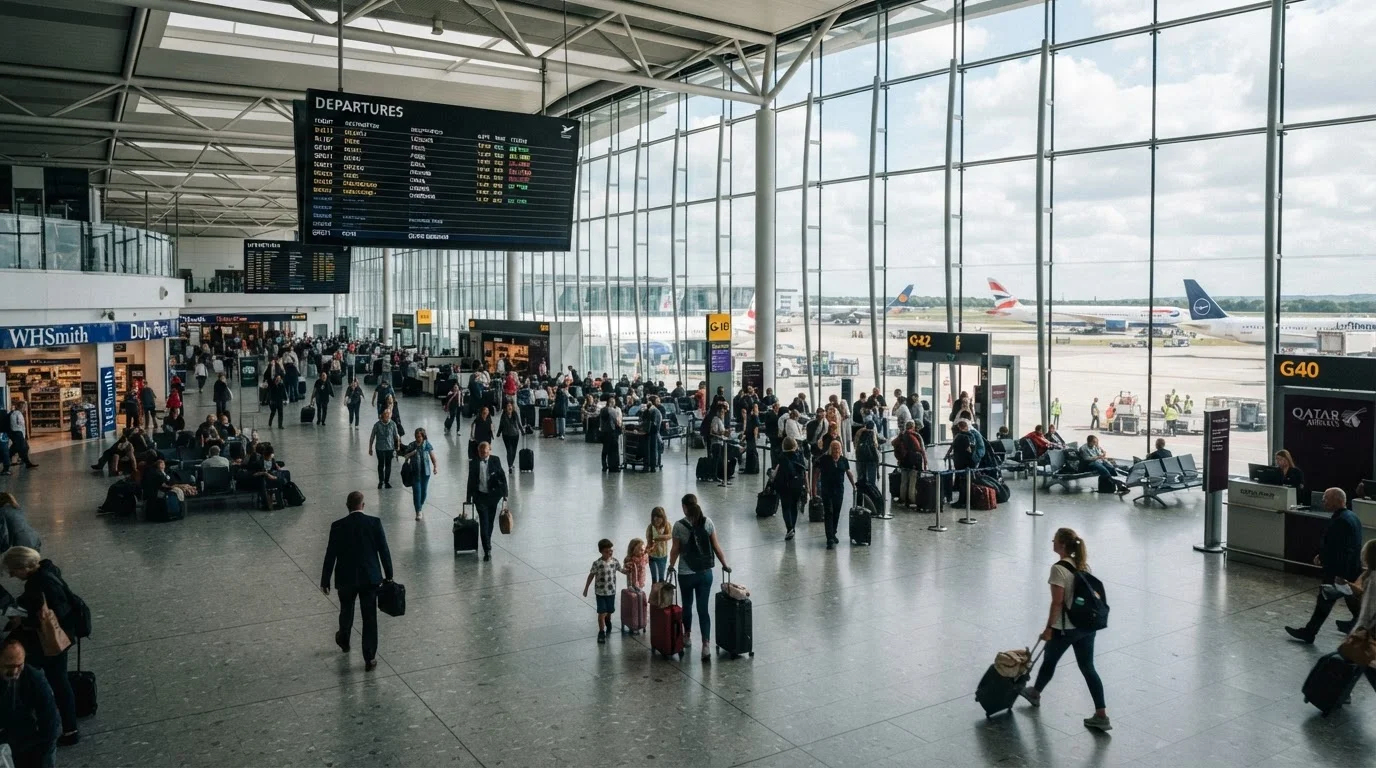
The airports where you connect matter enormously. A tight 45-minute connection at a large international hub with multiple terminals is a different proposition than a 90-minute connection at a smaller regional airport. Infrequent flyers navigating unfamiliar airports under time pressure face compounding stress. For a grounded look at how airports work, see airport navigation basics for infrequent travelers.
Checked luggage adds another layer of risk. Bags on tight connections are more likely to be misrouted. If your bag goes to the wrong city and you're starting a cruise or a resort stay, the downstream cost — clothing purchases, rental fees — can dwarf whatever you saved on the fare.
Building an Honest Cost Comparison
Before booking either option, run a simple side-by-side tally. For a layover itinerary, add the realistic cost of airport food and drink, any transport between terminals or hotels, checked bag re-routing risk, and the opportunity cost of extra travel hours. Compare that total against the direct flight price. If the gap narrows to under $50, the direct route is often the more rational choice once stress and risk are included.
The carry-on versus checked bag decision is deeply linked to this calculation — traveling light meaningfully reduces the risk and cost exposure of a connecting itinerary. Similarly, if you're comparing flying to driving on a particular route, the same hidden-cost logic applies: see our road trip vs. flying cost framework for a parallel breakdown.
For broader strategies on keeping total travel spend in check, the Saving on Travel hub covers everything from fare timing to accommodation trade-offs in one place.
This article is for general informational purposes only. Prices, policies, and airline practices vary and change frequently. Always verify current conditions directly with carriers and official sources before booking.