
How Airport Terminals Are Organized
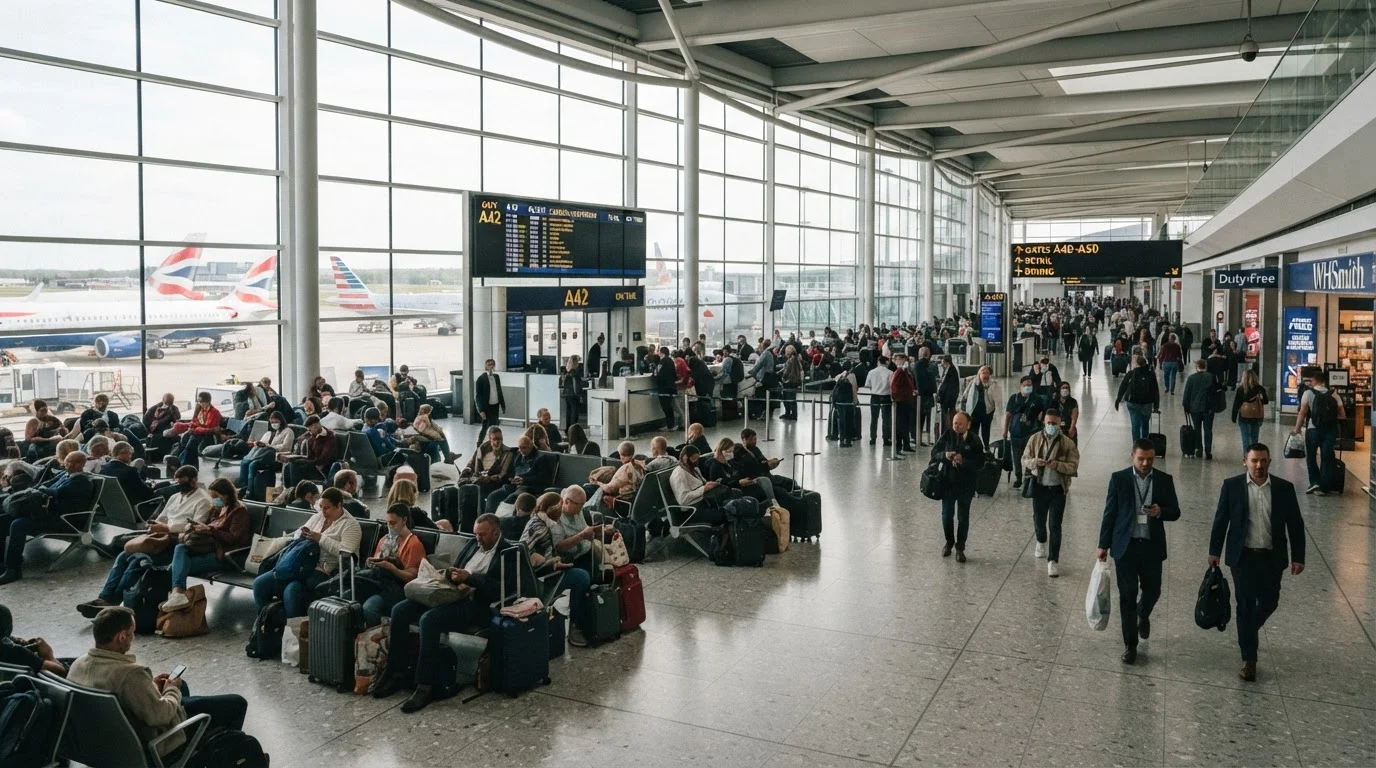
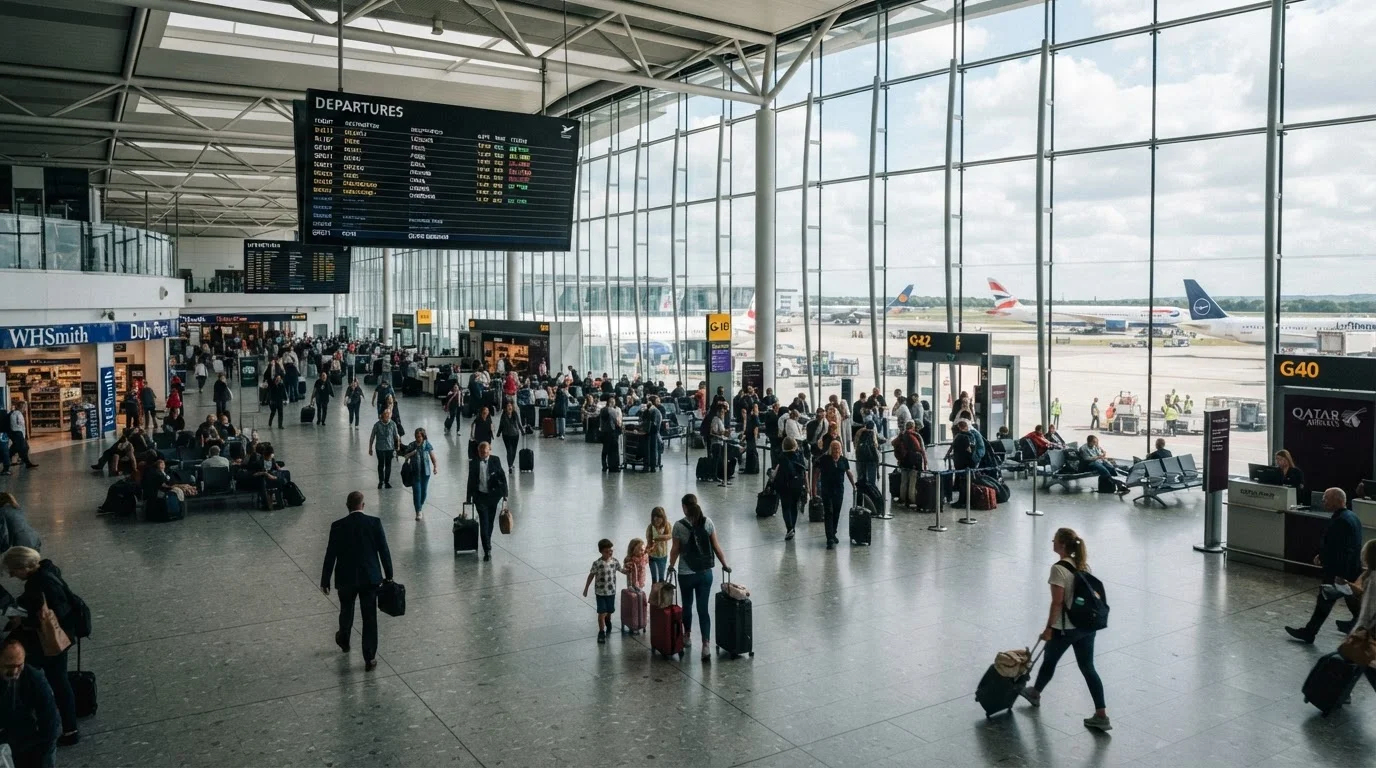
Most major U.S. airports are divided into terminals — separate buildings or sections, each served by its own check-in counters, TSA security checkpoints, and gates. Within a terminal, gates are grouped into concourses (sometimes called piers or wings), typically labeled with letters: Concourse A, B, C, and so on.
Your boarding pass tells you both the terminal and the gate number. Gate B14 means Concourse B, gate 14. If your airport has multiple terminals, confirm whether you need to ride a shuttle, take an underground train, or simply walk a connected hallway to reach your terminal — these vary widely by airport. Check the airport's official website or app before you arrive; most post terminal maps you can study at home.
Airlines tend to cluster in specific terminals. Domestic and international departures are often separated, so if you have a connecting international flight, expect a terminal change. See our guide on layover trade-offs for help deciding whether that added complexity is worth the fare difference.
Getting Through TSA Security
The TSA operates security checkpoints at every U.S. commercial airport. Standard screening applies to all passengers; the process follows a consistent format nationwide.
- ID requirement: A valid government-issued photo ID — driver's license, passport, or military ID — is required for all adult passengers. Starting May 7, 2025, only REAL ID-compliant state IDs or acceptable alternatives (like a U.S. passport) will be accepted for domestic flights. Verify your state's compliance status at the DHS website before traveling.
- What goes through the X-ray: Laptops, liquids, and large electronics must typically be removed from bags and placed in separate bins. The 3-1-1 rule limits carry-on liquids to containers of 3.4 oz or less, all fitting in one quart-sized clear bag.
- Shoes and outerwear: Standard lanes require shoes and jackets off. TSA PreCheck lanes, if you have that credential, usually skip this step.
- Wait times: TSA posts real-time wait time estimates at tsaapp.dhs.gov. Build in at least 90 minutes before domestic departure — more during holidays or at large hub airports.
If you set off the scanner, an officer will conduct additional screening. Stay calm and follow instructions; it's a routine process.
Reading Departure Boards and Handling Gate Changes
Departure boards — the large screens throughout terminals — display flight number, destination, scheduled departure time, status, and gate assignment. Focus on your flight number (printed on your boarding pass), not just the destination city, since multiple flights to the same city may depart the same day.
Status columns use standard shorthand:
- On Time
- Departure is proceeding as scheduled.
- Delayed
- Departure is pushed back; a new time is usually listed.
- Boarding
- Passengers are actively being called to the gate.
- Gate Change
- Your flight has moved to a different gate — check immediately.
- Cancelled
- The flight will not operate; go to your airline's customer service desk or call their support line.
Gate changes happen more often than travelers expect. Airlines shift aircraft for operational and maintenance reasons, sometimes with little notice. The safest habit: download your airline's app and enable push notifications before you leave home. The app will push gate-change alerts directly to your phone, often faster than the departure board updates. Also listen to overhead announcements at your gate area.
If a gate change takes you to a different concourse, act quickly but don't panic. Check the departure board for the new gate, locate the nearest concourse map (posted throughout terminals), and start moving. For tight connections, managing layovers well starts with knowing your airport's layout in advance.
Consistent preparation habits — like arriving early and keeping your phone charged — make gate changes manageable rather than chaotic. Our article on stress-free traveler habits covers the full pre-departure checklist worth building into your routine.
A Few More Things Worth Knowing
Airport maps online: Every major U.S. airport publishes terminal and concourse maps on its official website. Download or screenshot yours before you leave — you may not have reliable cell service inside the terminal.
Inter-terminal transit: Airports like Atlanta, Dallas/Fort Worth, and Chicago O'Hare use automated trains between terminals. Rides typically take 5–15 minutes but require factoring in wait times for the next train.
Spending inside airports: Food, drinks, and retail within security checkpoints carry substantial markups. Packing a snack and an empty reusable water bottle (to fill at fountain stations past security) are among the simplest ways to avoid unnecessary spending — a habit reinforced by our overview of how travelers consistently overpay.
Accessibility services: All U.S. airports are required under federal law to provide wheelchair assistance and accessible facilities. Request mobility assistance through your airline at booking — not at the gate — to ensure it's arranged.
Travel policies, TSA procedures, and airport layouts change periodically. Always verify entry requirements, ID rules, and security guidelines with official government and airport sources before your travel date.