
The Spending Patterns That Reliably Drain Travel Budgets
Most travel overspending doesn't happen all at once. It accumulates in small, predictable moments: the overpriced sandwich at the gate, the currency exchange booth with the terrible rate, the hotel fee that wasn't visible when you clicked "book." Individually, none of these feel catastrophic. Collectively, they can add hundreds of dollars to a trip that was supposed to be a bargain.
What makes these patterns especially frustrating is that they're not random. Airports, booking platforms, and tourist-zone vendors are structured around capturing spending from people in a hurry or low on information. That's not a conspiracy — it's simply how high-traffic environments operate. Understanding which moments carry the most financial risk lets you sidestep the worst of it.
The habits below represent the most consistent ways travelers leave money on the table, along with practical adjustments that cost very little effort. For a broader look at fees that compound before you even leave, see our guide to hidden vacation fees.
Eating and drinking inside the secure terminal
Once you're past TSA, your food and beverage options are deliberately limited. Airport concessions operate under premium lease agreements, and prices typically reflect that — a sandwich or a bottle of water can cost two to three times what you'd pay outside. The habit that prevents this is simple: eat before you get to the airport, carry a reusable water bottle to fill at a fountain post-security, and pack portable snacks for longer flights. It's one of the highest-effort-to-savings ratios available to any traveler.
A water bottle and a snack from home can save more per trip than most fare hacks.
Using airport or hotel currency exchange kiosks
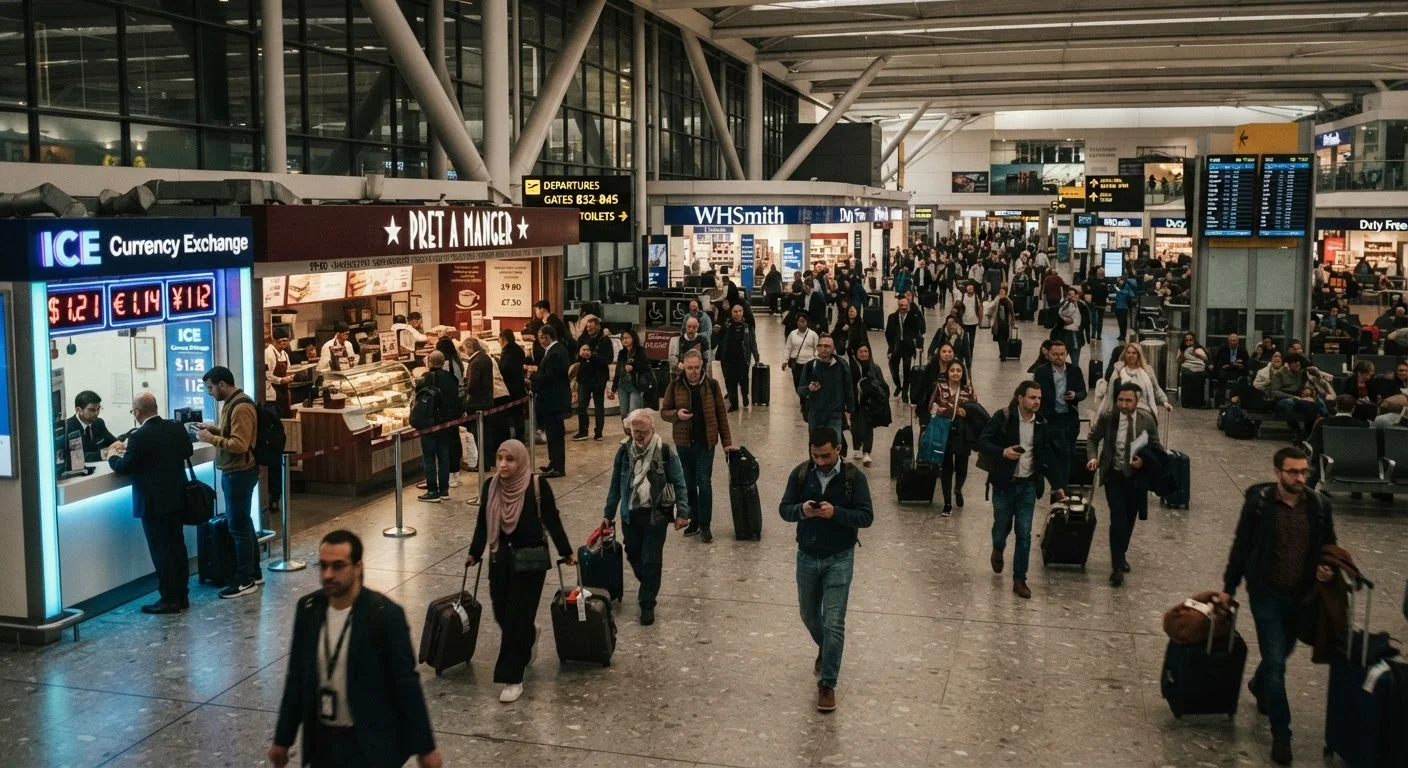
Currency exchange desks in airports and hotel lobbies typically offer rates that are noticeably worse than what you'd get from an ATM drawing on a local bank network — sometimes by 5 to 10 percent or more, depending on the location. The kiosks also frequently charge flat fees on top of the poor rate. A more cost-effective approach is to withdraw local currency from an ATM upon arrival, ideally using a checking account that reimburses international ATM fees. Alternatively, a credit card with no foreign transaction fees handles most purchases without any conversion penalty. Never accept a card terminal's offer to charge you in U.S. dollars when abroad — that's dynamic currency conversion, and it almost always works against you. Our hidden fees article explains how dynamic currency conversion works in more detail.
Airport exchange kiosks can cost you 5–10% more than a local ATM withdrawal.
Booking flights on the assumption that cheaper always means cheaper
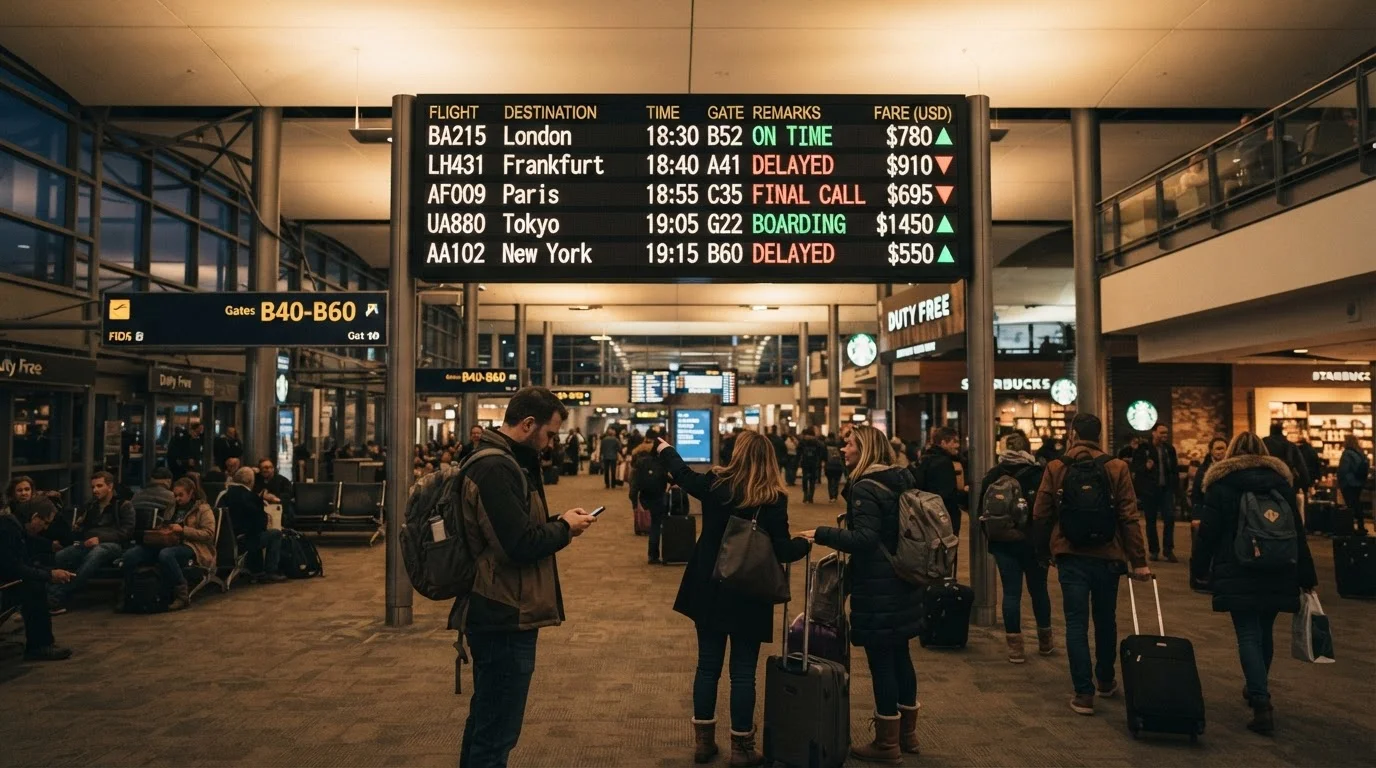
A low base fare can quickly stop being low once baggage fees, seat selection charges, and change fees are added. Some travelers also assume that certain days of the week or booking windows guarantee savings — a belief the evidence doesn't strongly support. What does help: comparing the all-in cost of a flight across itineraries, deciding your baggage needs before comparing fares, and reading cancellation and change policies before booking rather than after. For a closer look at which flight pricing assumptions hold up and which don't, see common flight pricing myths.
Always calculate the all-in fare — bag fees and seat charges can flip the apparent winner.
Ignoring resort fees and destination charges at booking
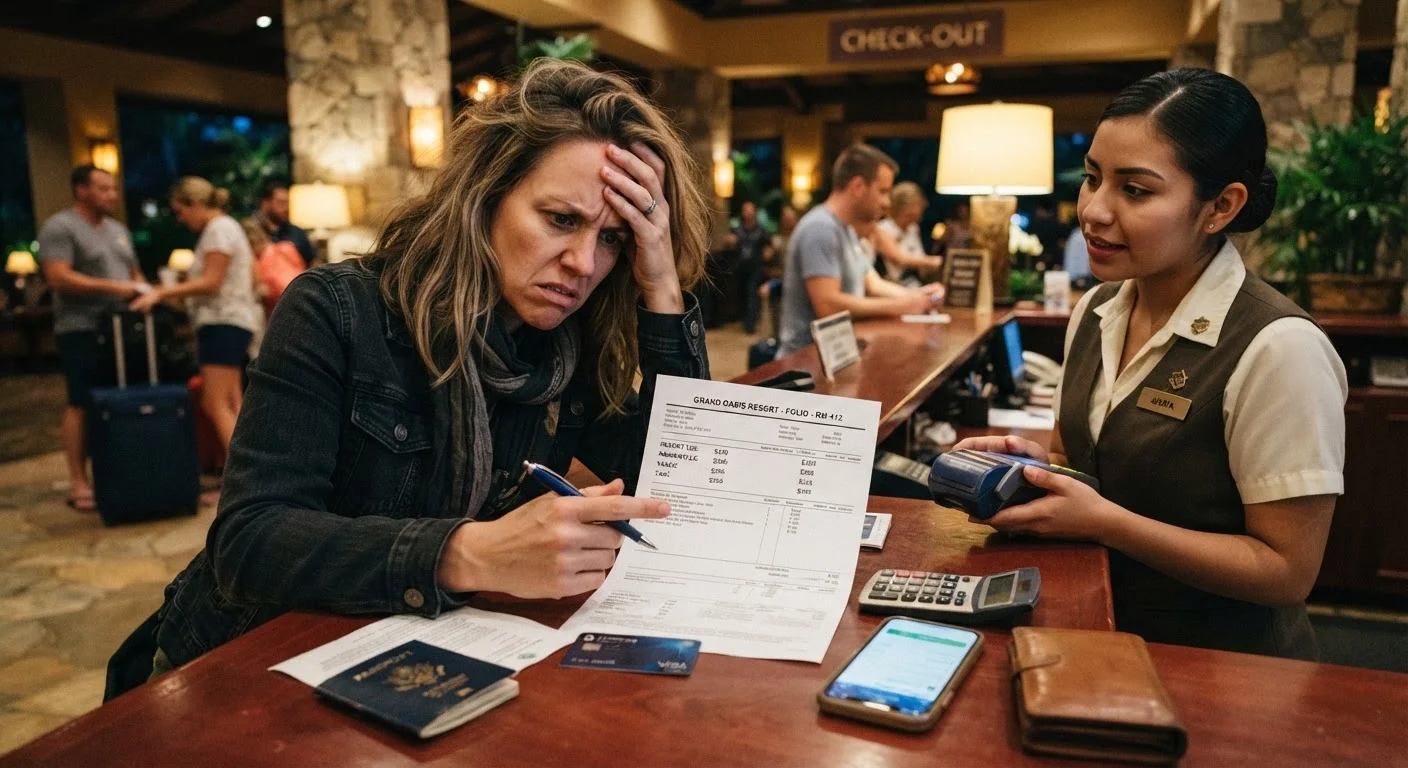
Hotel resort fees — mandatory daily charges that cover amenities you may or may not use — are often not included in the nightly rate shown on comparison sites. In some markets, these fees run $30 to $50 per night or more, which can add several hundred dollars to a week-long stay that looked affordable at first glance. The habit: always scroll to the full cost breakdown before confirming any hotel booking, and consider calling the property directly to ask about all mandatory charges. Booking directly with the hotel also occasionally opens the door to having fees waived or credited, though there's no guarantee.
Resort fees can add hundreds to a stay — they're rarely visible on the initial rate screen.
Relying on roaming plans or in-destination Wi-Fi for navigation and communication
International roaming charges from U.S. carriers can be steep if you haven't activated a travel plan — and even those plans vary widely in value. Travelers who rely on spotty hotel Wi-Fi for navigation in unfamiliar cities often end up either paying for expensive data or getting lost, which has its own costs in time and transportation. A more reliable approach: download offline maps before departure, look into an international eSIM for data-heavy trips, and identify free Wi-Fi options at your destination in advance. The upfront planning time is minimal; the on-the-ground benefit is significant.
Downloading offline maps before departure costs nothing and prevents expensive data surprises.
Overpacking and paying for checked baggage that wasn't planned for
Baggage fees are one of the most preventable travel costs, yet they catch a consistent share of travelers off guard — particularly on budget carriers where even a carry-on may incur a charge. The financial case for packing lighter is straightforward, but it requires deciding your baggage strategy before comparing fares, not after. The carry-on vs. checked luggage guide walks through how to evaluate that trade-off based on trip length, destination, and airline policy.
Deciding your bag strategy before booking — not after — prevents the most common fee surprises.
Booking transportation without comparing options at the destination
Ground transportation at tourist destinations is frequently tiered by how informed the traveler is. Travelers who take the first taxi or shuttle they encounter outside arrivals often pay significantly more than those who know the public transit options, the approximate rideshare fare, or the official airport bus route. A few minutes of research before landing — knowing roughly what a trip from the airport to your accommodation should cost — is usually enough to avoid the worst markups. This is especially true in international destinations where informal operators may quote prices well above the going rate.
Knowing the going rate for airport-to-hotel transport before you land prevents the most obvious markups.
Building the Habits That Make a Difference
None of these adjustments require a dramatic lifestyle change. Most come down to shifting a few decisions earlier — checking the full booking cost before confirming, packing a water bottle, downloading an offline map before landing. The payoff is disproportionate to the effort.
It also helps to recognize that travel budget problems often start before you leave home. Pre-trip spending mistakes and underestimated costs are addressed in detail in our article on pre-departure budget pitfalls. And if you want to apply smarter spending principles beyond travel, the Smart Spending hub covers the broader habits worth developing.
Travel will always carry some unpredictability — that's part of it. But the overpayment patterns covered here are largely avoidable, and avoiding them consistently is what separates travelers who feel like they got value from those who return wishing they'd spent differently.
Make one checklist, use it every trip
A simple pre-departure checklist — covering bag fees, full booking costs, card foreign transaction policies, and offline maps — takes about ten minutes to build and eliminates most of the overpayment patterns listed here. Travelers who review it before every trip report far fewer financial surprises on the road. Keep it somewhere accessible, like a notes app, and update it as airline and hotel policies change.