

The Problem Starts Before You Book
Most travelers focus their budget on the obvious line items: flights, hotels, and daily spending. But a significant portion of travel budgets erode before the trip even starts — through costs that feel minor in isolation but add up quickly. Understanding where this pre-departure money goes is the first step toward keeping your travel fund intact.
For a deeper look at expenses that catch travelers off guard once they're on the road, see our guide to hidden travel costs. This article focuses specifically on what happens to your budget before you leave home.
Ignoring passport and document renewal costs and timelines.
Why it happens: Travelers often assume their passport is current or underestimate how long renewals take, especially during high-demand seasons when processing times can stretch to several months.
Leaving travel insurance out of the budget entirely.
Why it happens: Insurance feels abstract when you're excited about a trip, and many travelers assume their health plan or credit card offers adequate coverage abroad — which often isn't the case.
Buying or replacing gear at full retail price right before departure.
Why it happens: The urgency of an approaching trip leads to last-minute purchases made without price comparison — new luggage, travel adapters, packing cubes, or walking shoes bought in a single rushed shopping trip.
Forgetting home-base costs while traveling — pet care, house-sitting, mail holds, or parking.
Why it happens: These costs don't feel like travel expenses, so they're rarely included in trip budgets. But a week of dog boarding or two weeks of airport parking can add hundreds of dollars to the real cost of any trip.
Overlooking foreign transaction fees and unfavorable currency conversion charges.
Why it happens: Many Americans don't realize their debit or credit card charges a 2–3% foreign transaction fee on every purchase, or that airport currency exchange kiosks apply significant markups.
Underestimating transportation costs to and from the airport.
Why it happens: Airport transport is one of the last things people plan, and it's easy to assume a ride-share or parking will cost less than it actually does — especially for early morning flights or multi-week trips.
Why These Mistakes Are So Common
Pre-trip costs are easy to underestimate because they're spread across weeks or months of planning. A passport renewal here, a new piece of luggage there — each expense feels manageable on its own. It's only when you add them up that the damage becomes clear.
~$500
Average unplanned pre-trip spending per traveler
Travel industry surveys consistently find that American travelers underestimate pre-departure costs by several hundred dollars on average, not counting the trip itself.
2–3%
Typical foreign transaction fee per card purchase
Many standard US bank and credit cards charge a foreign transaction fee on every international purchase, a cost most travelers don't account for in advance.
Travelers also tend to anchor their mental budget to the booking confirmation number. Once flights and accommodations are paid, many people feel the financial heavy lifting is done. In reality, that's often when the overlooked spending begins.
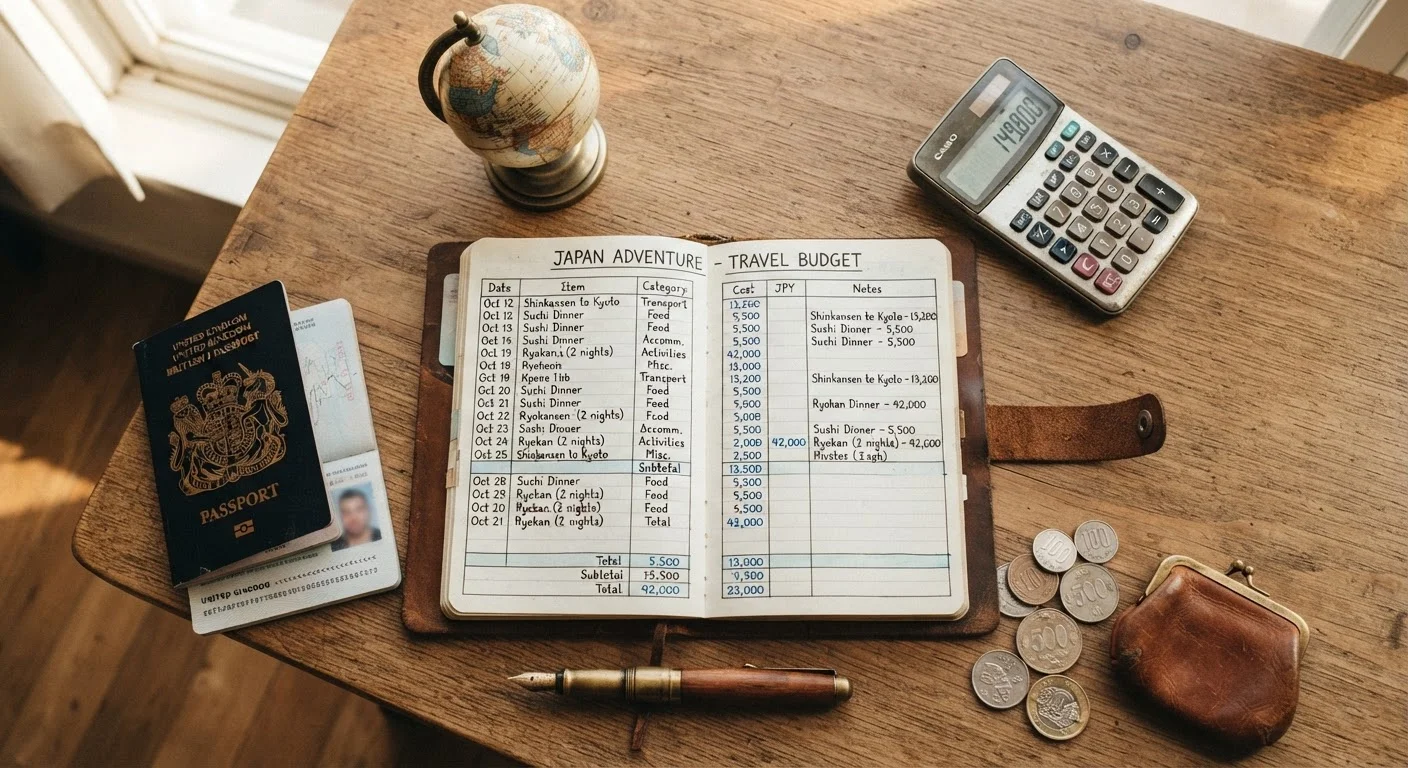
If you're starting from scratch, building a realistic travel budget before booking anything can help you map every cost category before committing to a destination.
Getting Your Budget Back on Track
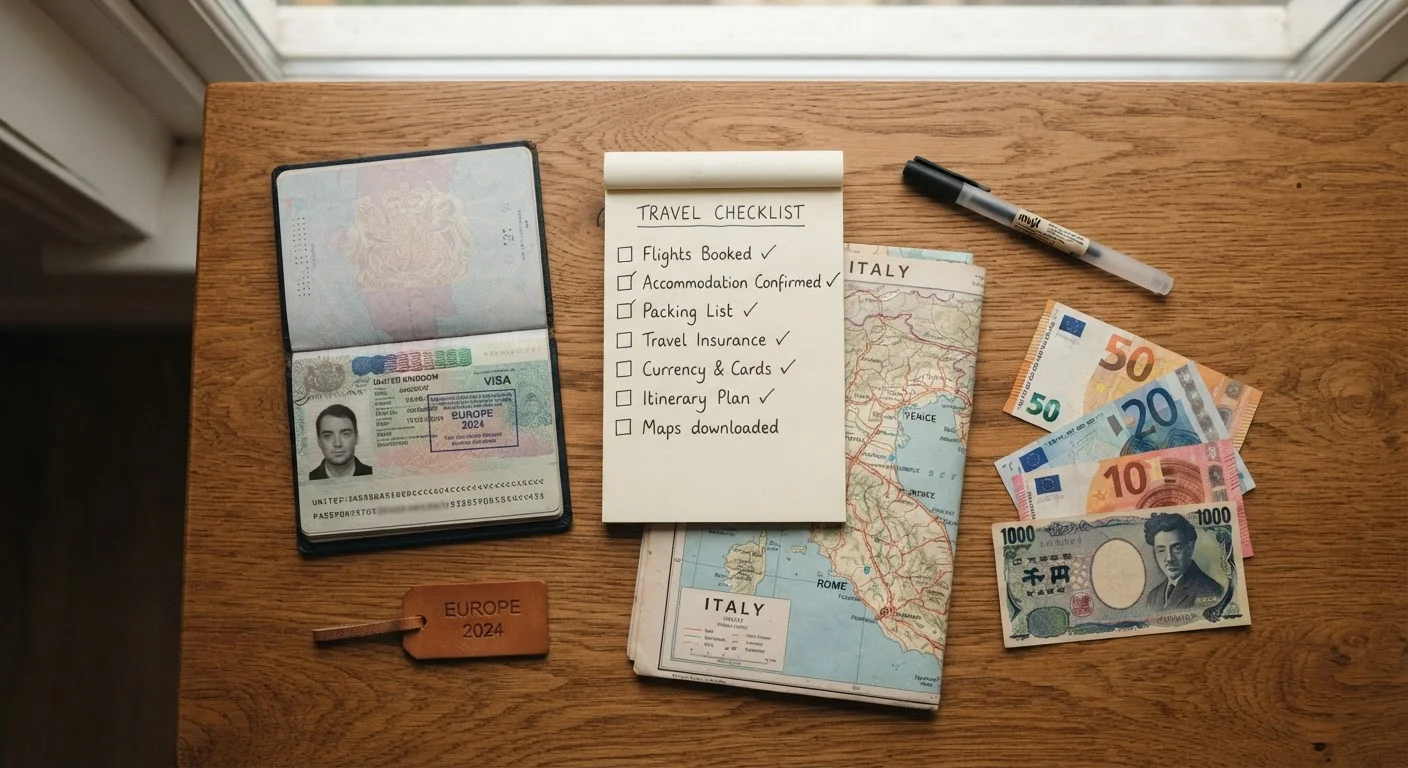
The antidote to pre-trip budget blowouts is a comprehensive pre-departure checklist that assigns a dollar estimate to every preparation task — not just bookings. This means listing out document costs, gear needs, insurance, pet care, airport transport, and any required vaccinations or visas as separate budget line items.
Use this pre-trip planning checklist to make sure you've covered the essentials before locking in any reservations. Once your full pre-departure picture is clear, add a 10–15% buffer to account for anything that slips through. That buffer isn't pessimism — it's what separates travelers who arrive relaxed from those who arrive stressed and overspent.
For a broader framework on spending less without sacrificing your experience, the comprehensive guide to saving on travel covers strategies from booking through your return home.