
Why Central America Works for First-Time International Travelers
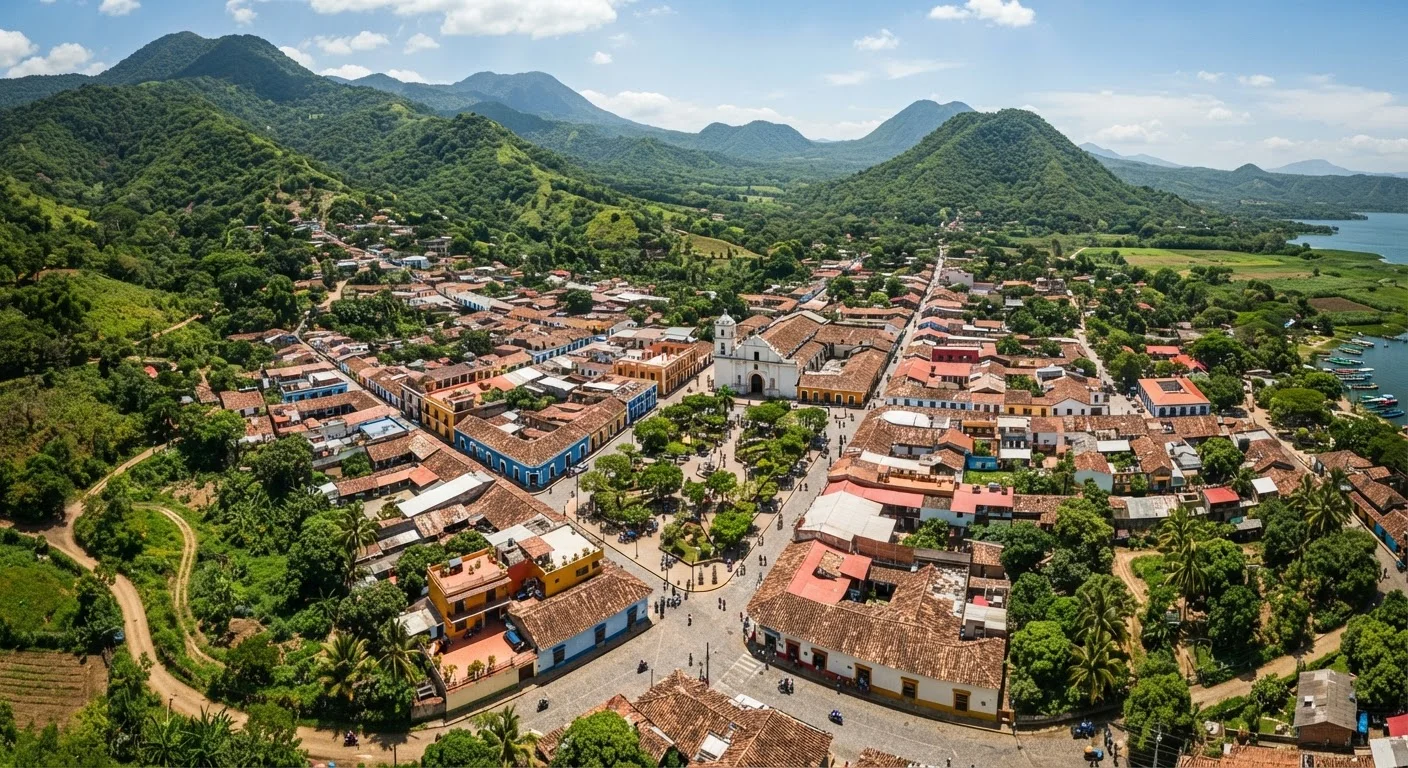
Central America occupies a relatively compact stretch of land connecting North and South America, but packs in considerable variety — colonial cities, Pacific and Caribbean coastlines, volcanoes, rainforests, and Mayan ruins. For Americans venturing abroad for the first time, several practical factors make the region an approachable starting point.
Flight times from major US hubs to Guatemala City, San José, or Panama City are typically three to five hours. Spanish is the primary language across most of the region, and basic conversational phrases go a long way — though English is commonly spoken in tourist areas and Belize. The time zone difference from the US is minimal, easing adjustment.
The region also sits in a lower cost bracket than comparable destinations in Europe or Southeast Asia, which matters when you're learning to manage an international trip budget. See our step-by-step guide to planning a budget international trip for a broader framework that applies here. If you're also weighing Mexico as an alternative, Mexico's mid-sized cities offer a useful comparison point.
Entry Requirements, Visas, and Health Prep
US passport holders can enter most Central American countries without a visa for tourist stays. Guatemala, Costa Rica, Panama, and Belize all allow 90-day visa-free entry. El Salvador, Honduras, and Nicaragua participate in the CA-4 Agreement — a key detail first-timers frequently overlook.
Plan Your Entry Around the CA-4 Rules
If you're visiting Guatemala, El Salvador, Honduras, and Nicaragua in one trip, remember the CA-4 Agreement means your 90-day clock starts at your first entry point — not per country. Travelers who underestimate this overstay unintentionally, which can create complications at border crossings. Map out your timeline before you go.
Health preparation deserves serious attention. The CDC recommends hepatitis A and typhoid vaccines for most Central American destinations, and routine vaccinations should be current. Depending on your itinerary and activities, additional vaccines or prophylaxis may be worth discussing with a travel medicine specialist. Do this at least four to six weeks before departure — some vaccines require a series.
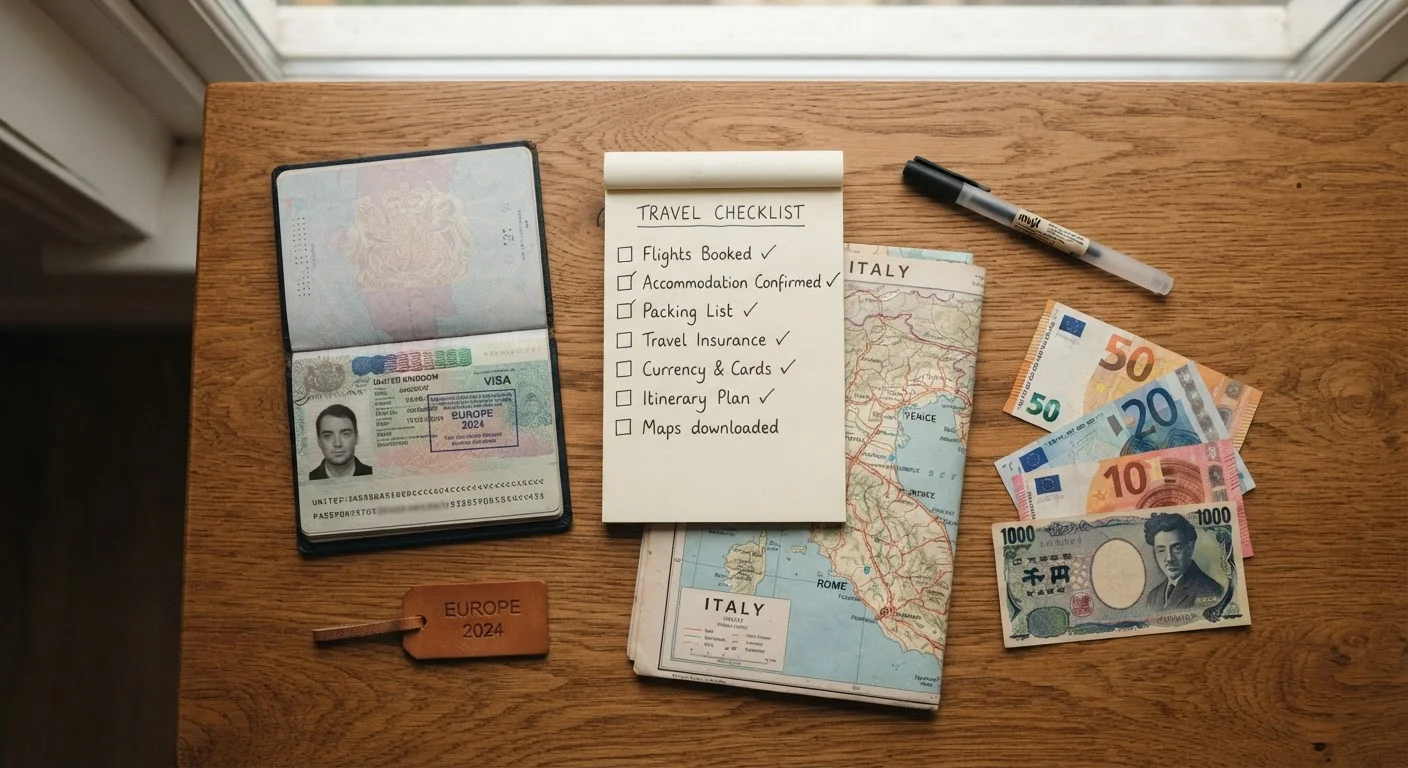
Beyond vaccinations, check whether your regular health insurance provides any international coverage. Most US plans do not cover care abroad, making a dedicated travel insurance policy important. The pre-trip planning checklist covers these bases in detail. For a full picture of international trip logistics, see everything that goes into planning an international trip from the US.
Don't Skip Travel Insurance
Medical evacuation from remote parts of Central America can be extremely costly. Without travel insurance that includes emergency medical and evacuation coverage, a single incident could result in bills that dwarf the trip itself. Review policy terms carefully, particularly around adventure activities, which are often excluded from basic plans.
Getting Around: Transportation Realities
Ground transportation in Central America runs a wide spectrum. At the affordable end are chicken buses — repurposed US school buses that serve local routes for a dollar or two. They're authentic and genuinely inexpensive, but slow, and comfort is limited. Shared tourist shuttles bridge the gap: more comfortable, with set routes between popular destinations, typically running $15–$30 per leg.
Private taxis and ride-hailing apps (available in larger cities) offer convenience at a higher price. Domestic flights exist within Costa Rica and are useful for reaching remote areas like the Osa Peninsula, though they add meaningfully to a budget.
CA-4 Agreement
A regional agreement allowing travelers to move freely between Guatemala, El Salvador, Honduras, and Nicaragua on a single 90-day tourist entry — the clock runs across all four countries combined, not per country.
Chicken bus
Retired US school buses repurposed for local transit in Central America. They are inexpensive and widely used by locals, though they can be crowded and slow compared to tourist shuttles.
Travel advisory
An official rating issued by the US Department of State warning American travelers about safety conditions in foreign countries, ranging from Level 1 (exercise normal precautions) to Level 4 (do not travel).
Travel medicine clinic
A specialized medical practice that evaluates your health needs before international travel and recommends destination-specific vaccinations or preventive medications.
Shared shuttle
A minivan service that runs set tourist routes between popular destinations, more comfortable than local buses but pricier. Cost is shared among passengers.
Dry season
The period, roughly November through April across much of Central America, when rainfall is minimal. This is generally considered peak tourist season, with higher prices and more predictable conditions.
Renting a car gives flexibility, particularly in Costa Rica, but comes with considerations: road quality varies, driving at night in unfamiliar areas carries risks, and insurance requirements can be complex. If ground transportation logistics feel daunting to plan, the Travel Planning Tips hub has broader guidance on organizing international trip logistics efficiently.
Realistic Daily Costs and Safety Considerations
Budget travelers in Guatemala or Nicaragua can often manage on $40–$60 per day — covering a basic private room, local restaurant meals, and shared transport. Costa Rica runs higher; $70–$100 per day is a more honest estimate for a similar travel style. These figures can shift based on your accommodation preferences, activity choices, and whether you're in a tourist hub or a local town.
Costs Are Highly Variable Within the Region
Central America is not a monolith. Costa Rica's travel infrastructure is mature and priced accordingly — budget travelers often find it two to three times more expensive than Guatemala or Nicaragua. Factor this into any regional comparison when building your budget.
Common costs to track: guesthouse rooms range from $10–$15 in budget destinations to $50+ in Costa Rica's popular areas. A meal at a local comedor (informal eatery) might cost $3–$6. A tourist-oriented restaurant can run $12–$20 per person. Plan your budget before you go rather than estimating loosely — the realistic travel budget guide walks through every cost category worth accounting for.
On safety: conditions vary substantially. Costa Rica and Belize are generally lower-risk environments for first-time international visitors. Other countries carry elevated advisories for certain regions. The US Department of State publishes updated travel advisories by country — check them before booking, not after. Standard precautions apply everywhere: keep valuables discreet, use ATMs inside banks during daylight, and research your specific destinations rather than generalizing across the region. Pre-trip spending mistakes can also quietly undermine your plans — the reasons travel budgets fall apart before departure is worth reading early in your planning process.
This article is for general informational purposes only. Entry requirements, health recommendations, and safety conditions can change. Always verify travel advisories with the US Department of State and consult a qualified healthcare provider for personal health guidance before traveling.