
Why Skip the Resort Corridor?
Cancún and Los Cabos deliver a reliable vacation formula — beach access, all-inclusive packages, and infrastructure built for American tourists. But that convenience comes at a price. Hotel rates, restaurant bills, and airport transfers in those corridors often rival what you'd pay in major US cities, and the experience can feel more like a branded resort bubble than a trip to Mexico.
Mid-sized Mexican cities offer a different equation. Lower baseline costs on accommodation, food, and activities combine with genuinely local culture — historic architecture, Indigenous craft traditions, and regional cuisines that don't appear on resort menus. For travelers willing to navigate a bit more independently, the value difference can be substantial. Understanding how to evaluate that value is worth thinking through — see our framework for comparing destinations on real value for a useful starting point.
Below are five mid-sized cities that consistently come up when travelers look for affordable, experience-rich alternatives.
Oaxaca City
Oaxaca sits in a highland valley about 5,000 feet above sea level, giving it a mild climate year-round. It's widely regarded as one of Mexico's culinary capitals — mole, tlayudas, and mezcal all have deep roots here — and the historic center is a UNESCO World Heritage Site packed with colonial churches and Indigenous markets.
Daily costs for independent travelers tend to run well below what you'd spend in coastal resorts. Guesthouses and smaller boutique hotels in the historic center are plentiful, and a full sit-down meal at a local restaurant can cost a fraction of what a resort buffet charges. Day trips to Monte Albán (ancient Zapotec ruins) and nearby artisan villages add cultural depth without major expense.
Oaxaca pairs UNESCO-recognized heritage with some of Mexico's most distinctive regional cuisine at genuinely local prices.
Mérida
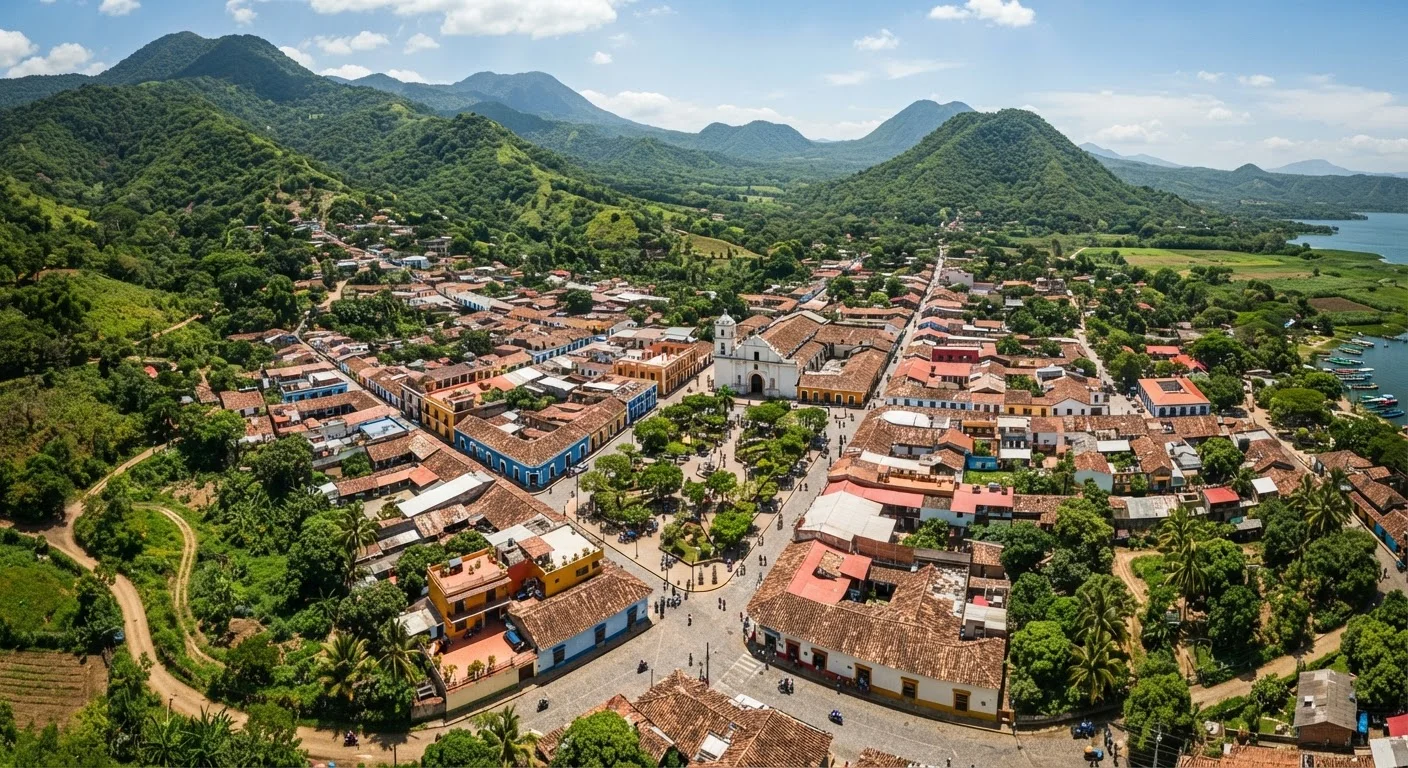
The capital of Yucatán state, Mérida is a large city with a well-preserved colonial core and a strong local identity rooted in Maya culture. It's one of the safest cities in Mexico by most assessments and has a growing international community that has brought solid infrastructure without pricing out budget travelers.
Accommodation in Mérida spans from hostel beds to restored colonial mansions converted into guesthouses. The city's food scene — poc chuc, cochinita pibil, papadzules — is worth the trip on its own, and the surrounding region includes cenotes, Maya archaeological sites, and the flamingo-rich Celestún estuary, most of which are accessible by local bus or shared transport at low cost.
Mérida offers a safe, culturally rich urban base with easy access to cenotes and Maya ruins at far lower costs than resort towns.
Guanajuato City
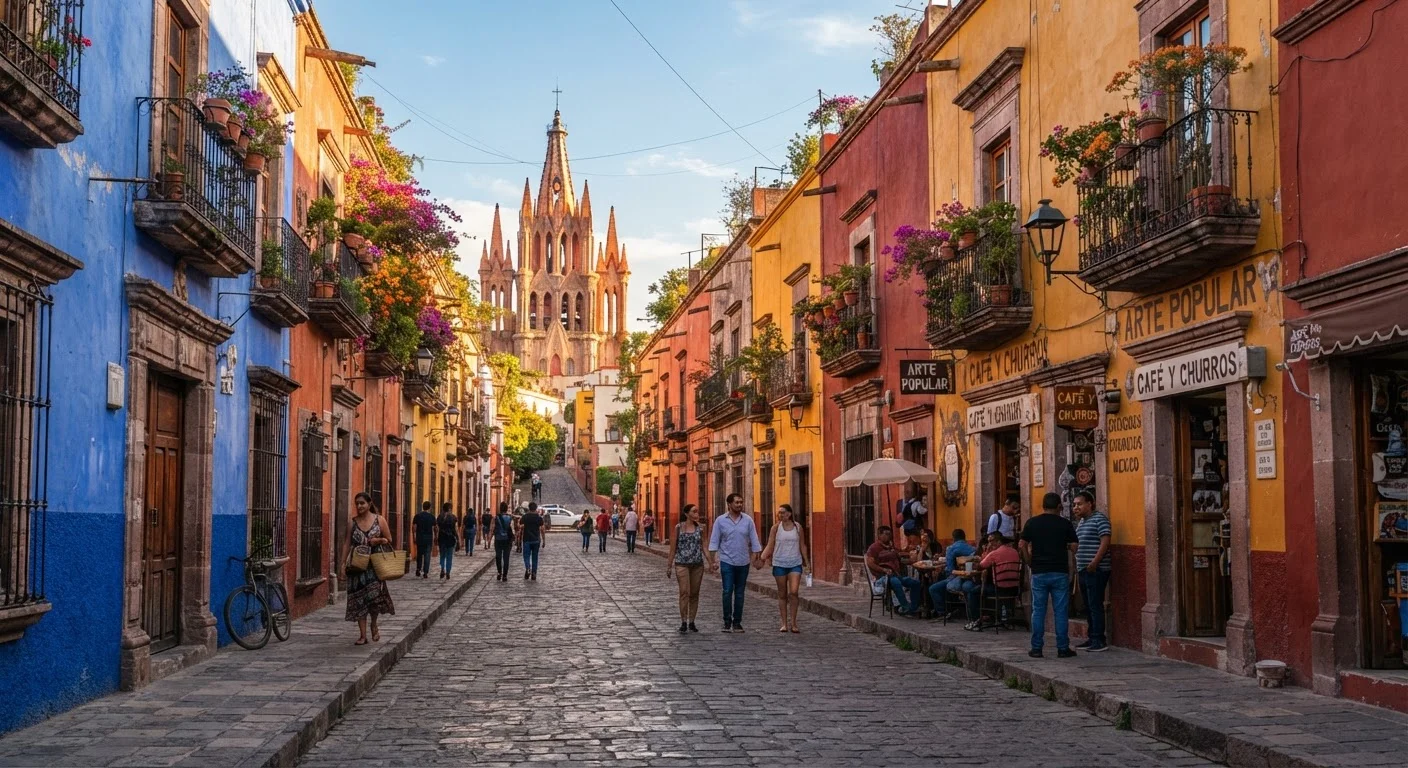
A university town in central Mexico's highlands, Guanajuato is visually dramatic — the city is built into a narrow ravine, and its color-saturated buildings cascade up hillsides connected by a network of tunnels and alleyways. It's another UNESCO World Heritage city and the birthplace of Diego Rivera, whose childhood home is now a museum.
The student population keeps prices grounded. Cafés, restaurants, and bars catering to locals are easy to find and affordable. The city's cultural calendar is substantial — the annual Festival Internacional Cervantino draws international attention — and the surrounding Bajío region offers silver-mining history in nearby towns. Flights from US cities typically route through Mexico City or Guadalajara.
Guanajuato's student economy keeps costs in check while its dramatic hillside architecture and arts scene deliver outsized visual and cultural impact.
San Cristóbal de las Casas
Tucked into the highlands of Chiapas at over 7,000 feet elevation, San Cristóbal has a cooler climate than most of Mexico and a distinctly different cultural character shaped by the large Indigenous Tzotzil and Tzeltal communities in the surrounding area. The city itself is walkable, with a compact centro of pedestrian streets, markets, and colonial churches.
Costs here are among the lowest of any major Mexican tourist destination. Budget accommodation is easy to find, street food is plentiful and inexpensive, and day trips to the Sumidero Canyon, Agua Azul waterfalls, and nearby Indigenous villages are manageable on a modest budget. Travelers should review current regional advisories for Chiapas before visiting, as some parts of the state have experienced unrest in recent years.
San Cristóbal offers some of the lowest traveler costs in Mexico alongside Indigenous cultural depth that resort corridors simply cannot replicate.
Puebla
Just two hours from Mexico City by bus, Puebla is frequently overlooked in favor of the capital but holds its own as a destination. The historic center — another UNESCO World Heritage Site — is known for its Talavera tile-covered architecture and some of Mexico's most celebrated regional cooking, including mole poblano and chiles en nogada.
Puebla's proximity to Mexico City means it benefits from excellent transport connections while maintaining lower accommodation and dining costs. The city is also close to Cholula, site of the largest pyramid by volume in the world, and to the Popocatépetl volcano (observe viewing conditions and local guidance before approaching). For US travelers who want to maximize a shorter trip, Puebla pairs efficiently with a few days in Mexico City without the cost of an additional flight.
Puebla's transport links and UNESCO heritage make it one of Mexico's most accessible cultural destinations for US travelers on limited time.
Planning Your Trip to These Destinations
Most of these cities are reachable via direct or one-stop flights from major US hubs, with several served by international airports. Bus travel between cities is a legitimate and often comfortable option within Mexico, with first-class coach services connecting many of these destinations at low cost.
Getting the Most from Local Transport
First-class bus services in Mexico — operating on fixed schedules with reserved seats and luggage storage — are reliable, affordable, and often the most practical way to connect mid-sized cities. For longer distances, domestic flights frequently undercut what you might expect. Comparing both options before booking can reveal meaningful savings, particularly on routes like Mexico City to Oaxaca or Mérida.
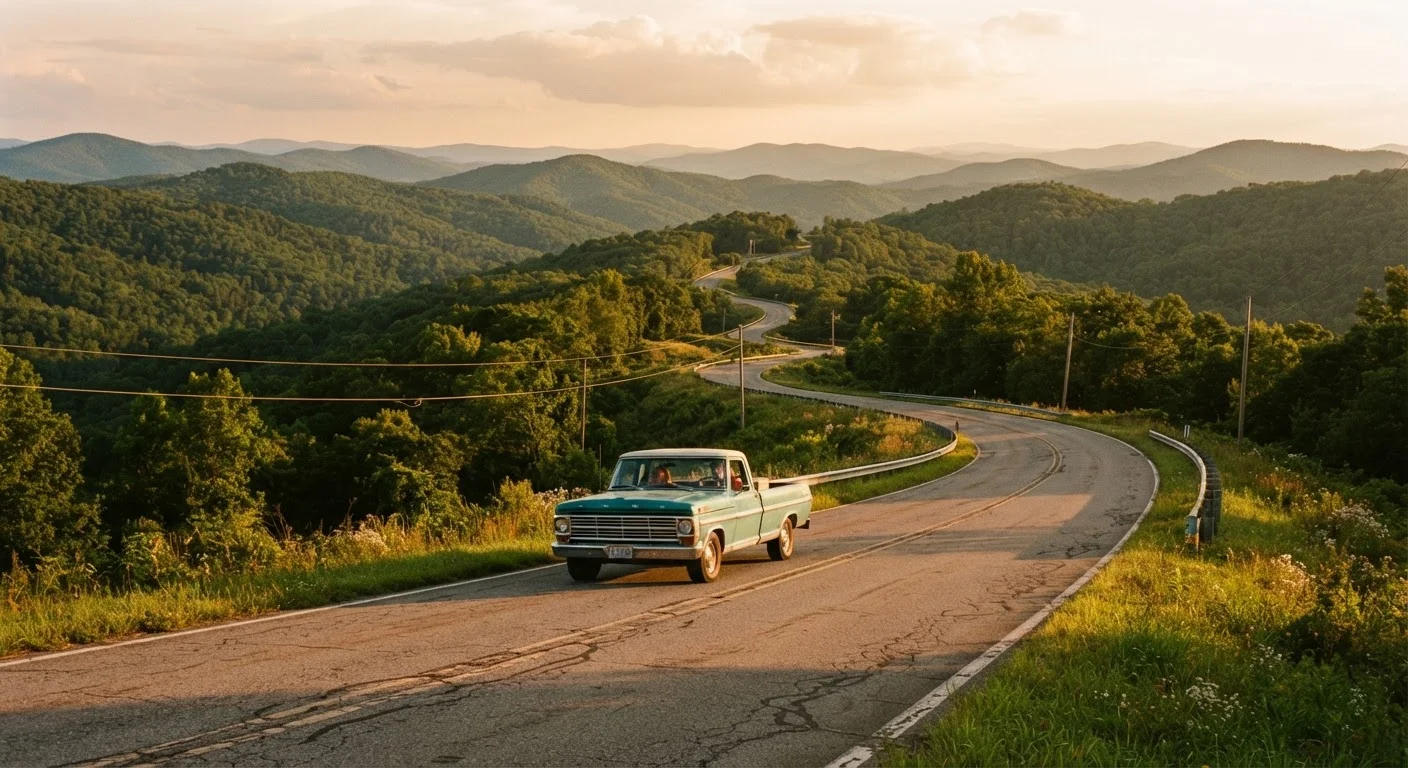
If you're considering expanding beyond Mexico, Central America offers similarly compelling budget travel options worth comparing. And for domestic alternatives that share some of the same appeal — authentic culture, manageable costs, less tourist infrastructure — the most underrated American road trip destinations are worth a look.
Always check the US Department of State's travel advisories and Mexico's entry requirements well in advance of your trip. Conditions vary by region, and some areas of Mexico carry elevated safety warnings that should factor into your planning. Prices and conditions described here reflect general patterns and may change — verify current costs and logistics closer to your travel date.