
Why Preparation Habits Matter More Than Luck
Ask any frequent traveler what separates a smooth trip from a chaotic one, and the answer is rarely luck — it's preparation done consistently and early. The habits that prevent travel stress aren't complicated, but they require deliberate practice before departure day arrives.
Frantic travelers tend to treat every trip as a unique emergency. Stress-free travelers treat preparation as a repeatable system. The good news: you can build that system regardless of how often you fly. Our pre-trip planning checklist covers the foundational steps before you even book — this article focuses on the habits that carry you through to departure and arrival without the chaos.
Core Habits of Stress-Free Travelers
These practices aren't about being overly cautious — they're about removing avoidable friction from a process that already has enough variables outside your control.
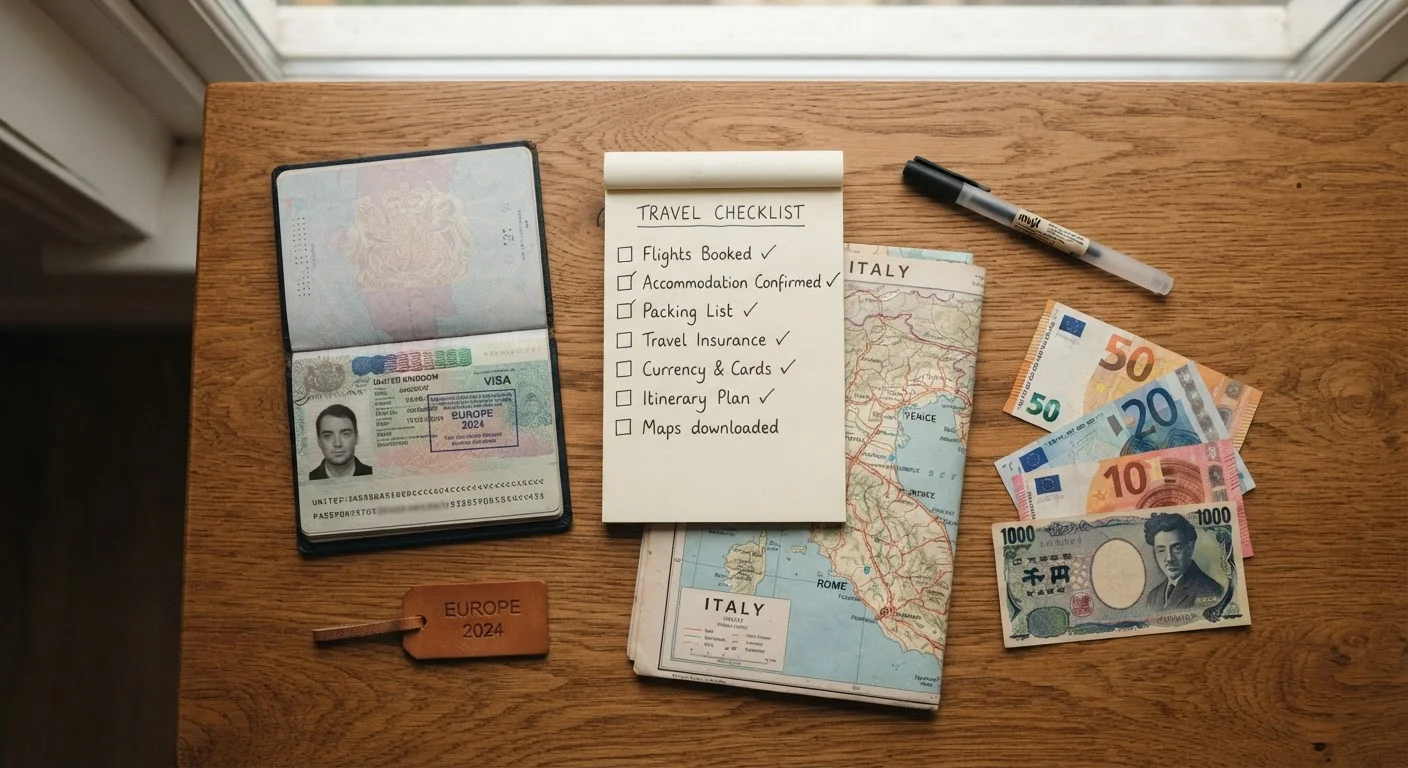
Create and store digital and physical copies of all critical documents at least one week before departure.
Lost or forgotten documents are one of the most common causes of airport panic. Having backups in email, cloud storage, and a separate physical envelope means a misplaced passport or insurance card doesn't become a trip-ending event. This also speeds up any replacement process if something goes wrong abroad.
Build at least 90 minutes of buffer time into every airport arrival, even for familiar airports.
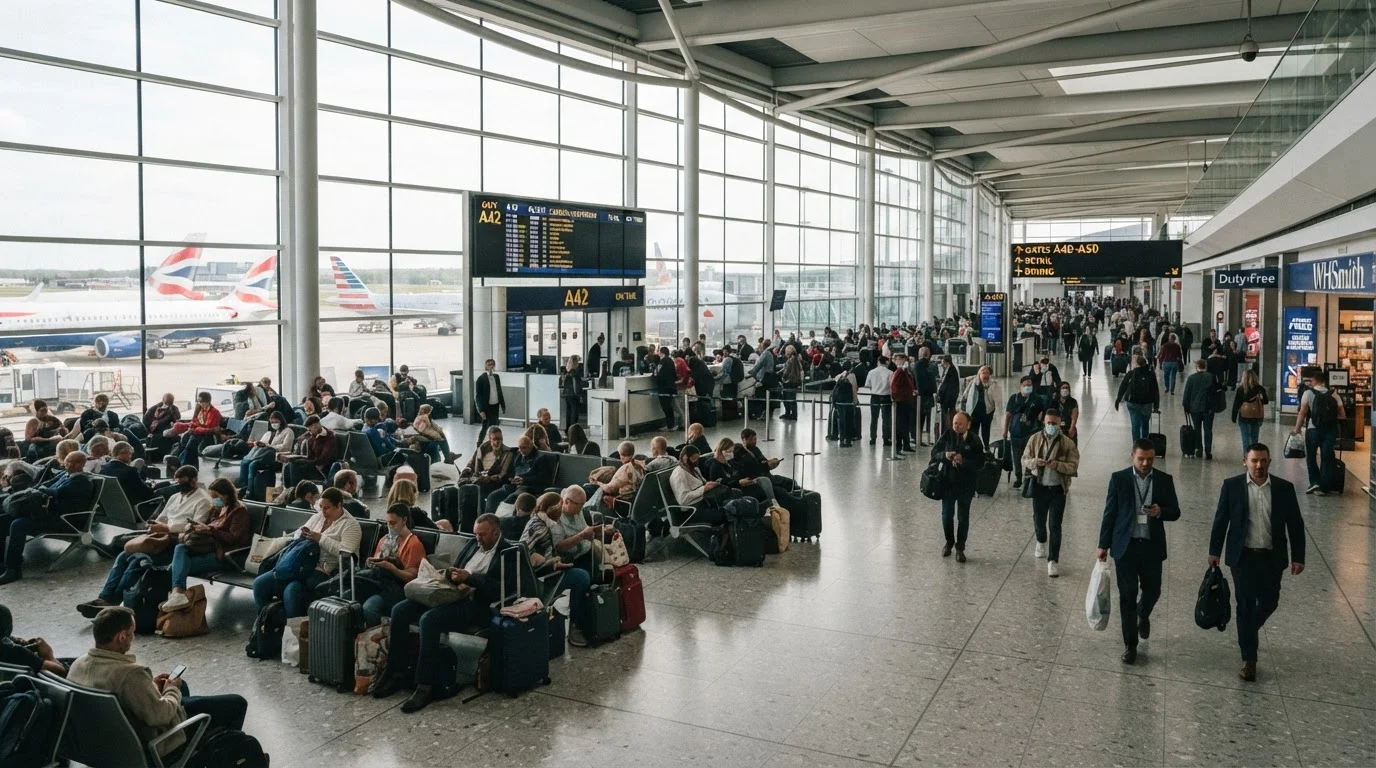
Traffic, parking, check-in lines, and TSA wait times are all variable — and they compound. Travelers who cut arrival times close experience disproportionate stress even when they make their flight. Buffer time also allows you to handle unexpected snags without running. For less frequent flyers, understanding airport layout and security procedures ahead of time makes that buffer even more effective.
Run a night-before confirmation check covering your reservation, transport, and packed essentials.
The night before is your last low-stress opportunity to catch gaps. Confirming flight times, checking in online if available, verifying that ground transportation is scheduled, and doing a final bag walkthrough eliminates the 'did I pack that?' anxiety that shows up at 3 a.m. Reducing this uncertainty also has measurable mental wellness benefits — see low-effort mental wellness habits for related strategies.
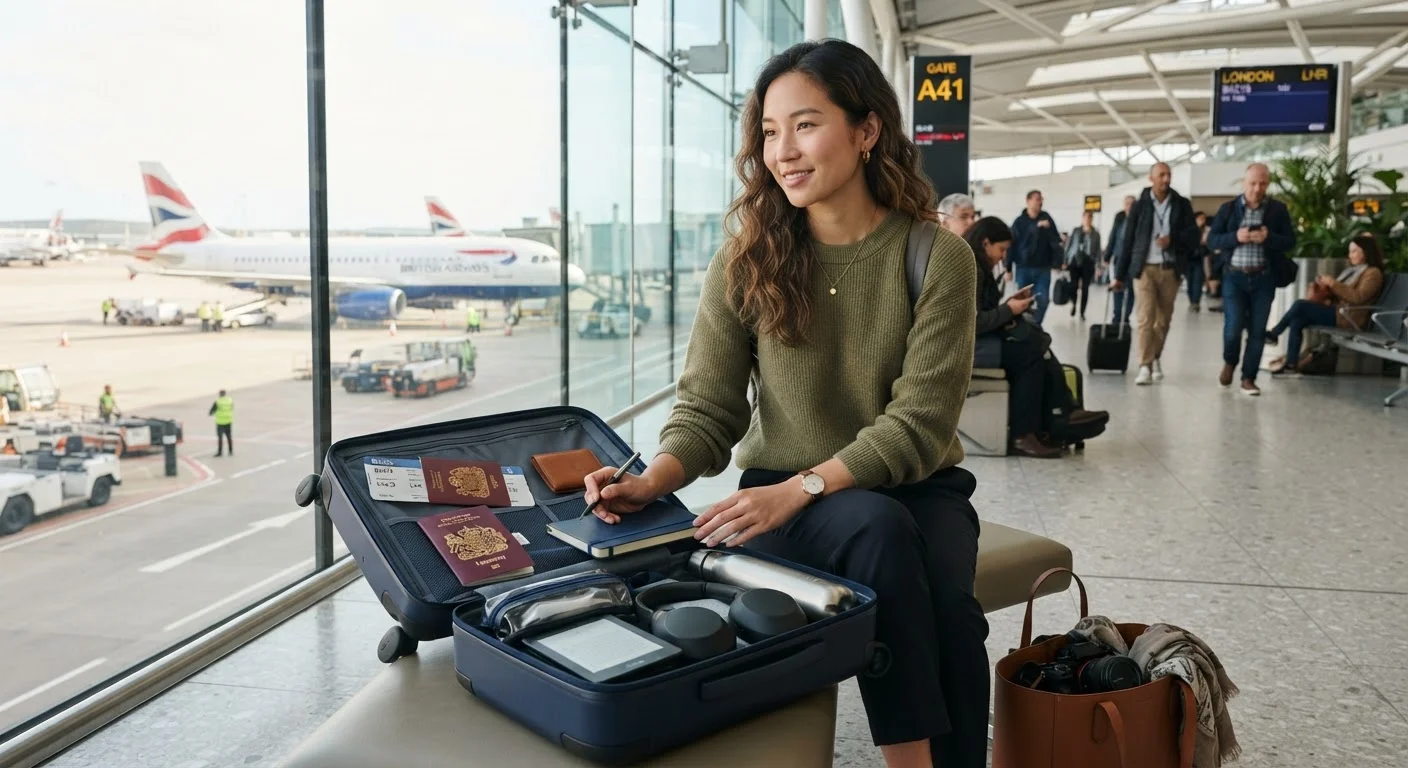
Pack intentionally and consistently using a personal master packing list, not from memory.
Memory is unreliable under the distraction of pre-trip logistics. A fixed master list — tailored to trip length and climate — ensures nothing critical is forgotten and prevents overpacking, which costs money in baggage fees and costs time at carousels. See our comprehensive saving-on-travel guide for how baggage decisions affect your overall travel budget.
Identify your destination's local transport options and currency norms before you land.
Arriving in an unfamiliar place without a ground-transport plan or an understanding of how cash versus card works locally creates immediate, avoidable stress. Researching this in advance — even spending 15 minutes on it — means you move through arrival with confidence rather than confusion.
Quick Actions You Can Take Before Your Next Trip
You don't need to overhaul your entire approach at once. Even adopting two or three of these habits before your next trip can meaningfully reduce day-of stress. Start with the highest-impact items and build from there.
For a deeper look at how pre-trip spending decisions affect your overall experience, see our guide on why travel budgets fall apart before you leave home. And if your itinerary includes a layover, navigating layovers strategically can turn a potential frustration into an advantage.
This article provides general travel planning information and is not a substitute for official guidance on visas, entry requirements, or health documentation. Always verify requirements with official government and carrier sources before you travel.