
What Baggage Really Costs on a Typical Trip
Most travelers focus on the base ticket price and treat baggage fees as an afterthought — but those fees can represent 15–25% of the total trip cost on a budget fare. Understanding the actual numbers helps you make a deliberate choice rather than an expensive one by default.
On the major US legacy carriers, a first checked bag typically runs between $30 and $40 each way for domestic flights. Round-trip, that's $60–$80 per person before you've touched anything else in your travel budget. A second checked bag adds another $40–$50 each way at most carriers. On ultra-low-cost carriers, the structure shifts: carry-on bags that don't fit under the seat may also carry fees, sometimes rivaling checked bag costs if you wait and pay at the gate.
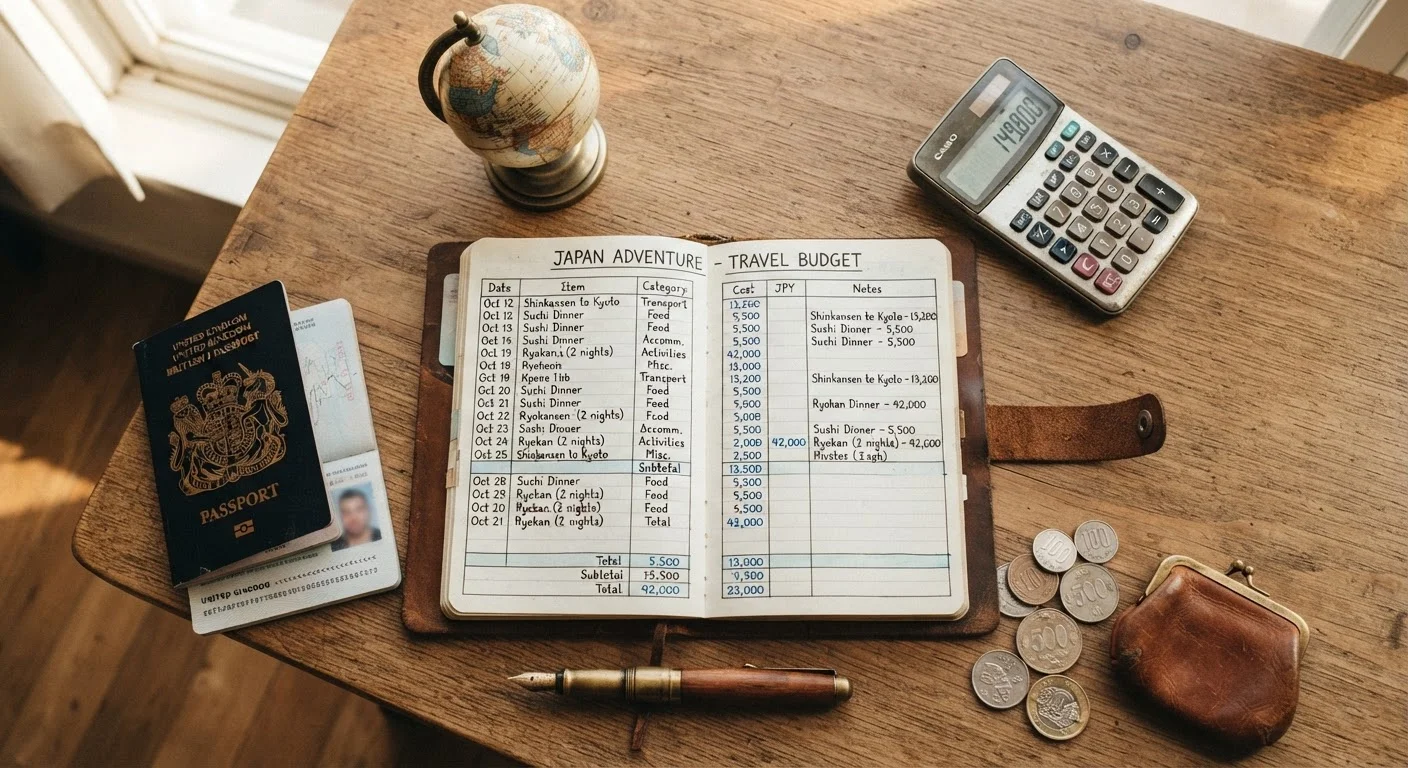
For context on where baggage fits in your overall trip budget, see our guide on building a realistic travel budget before you book. Baggage is one of the most commonly underestimated line items travelers face.
| Criterion | Carry-On Only | Checked Luggage |
|---|---|---|
| Typical domestic fee | $0 (if within policy) | $30–$40 each way |
| Round-trip cost per bag | $0 | $60–$80 per bag |
| Packing capacity | Limited; strict discipline required | Generous; up to 50 lbs typically |
| Airport time impact | Faster; no baggage claim wait | 20–45 min added at arrival |
| Risk of lost/delayed bag | None (bag stays with you) | Real; varies by carrier and route |
| Budget airline carry-on fee risk | Possible; verify per carrier | N/A |
| Best for trip length | 1–5 days | 6+ days or specialized gear |
| Fee waiver options | N/A | Status, co-branded card, bundle fares |
Hidden Costs Beyond the Sticker Fee
The fee printed on the airline's website is just the starting point. Checked luggage introduces a range of secondary costs that carry-on travel avoids entirely.
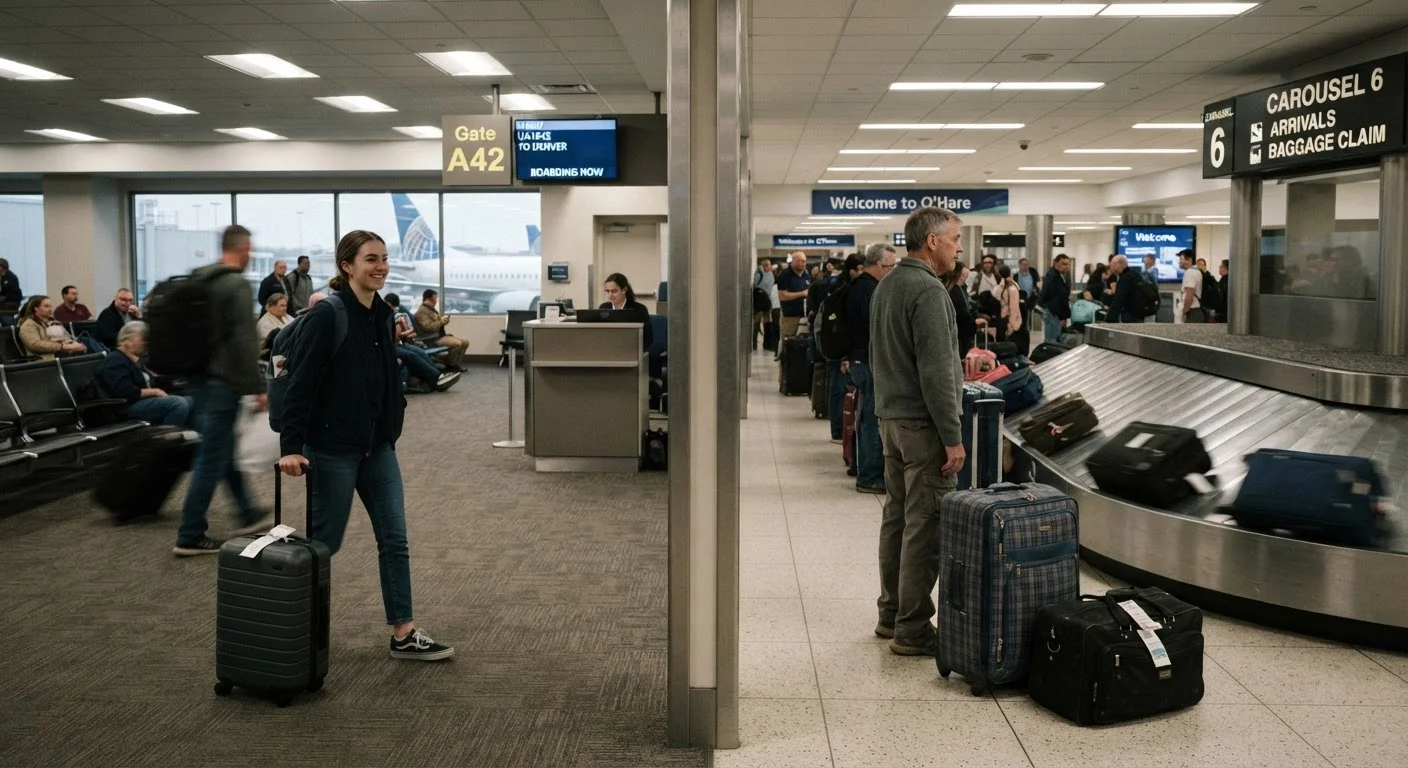
- Time at baggage claim: Waiting for a checked bag adds 20–45 minutes to your post-flight experience, on average. Over a multi-city trip, this compounds noticeably.
- Lost or delayed bag risk: The US Department of Transportation reports that mishandled baggage rates fluctuate year to year, but delays happen. A delayed bag can mean purchasing replacement items at your destination — an unplanned and often inflated expense.
- Overweight fees: Most carriers cap checked bags at 50 lbs. Exceed that and fees jump sharply — often $100 or more per bag for domestic flights.
- Airport parking or rideshare implications: Carry-on travelers can use faster transit options or curb-side drop-off without wrestling oversized bags through crowded terminals.
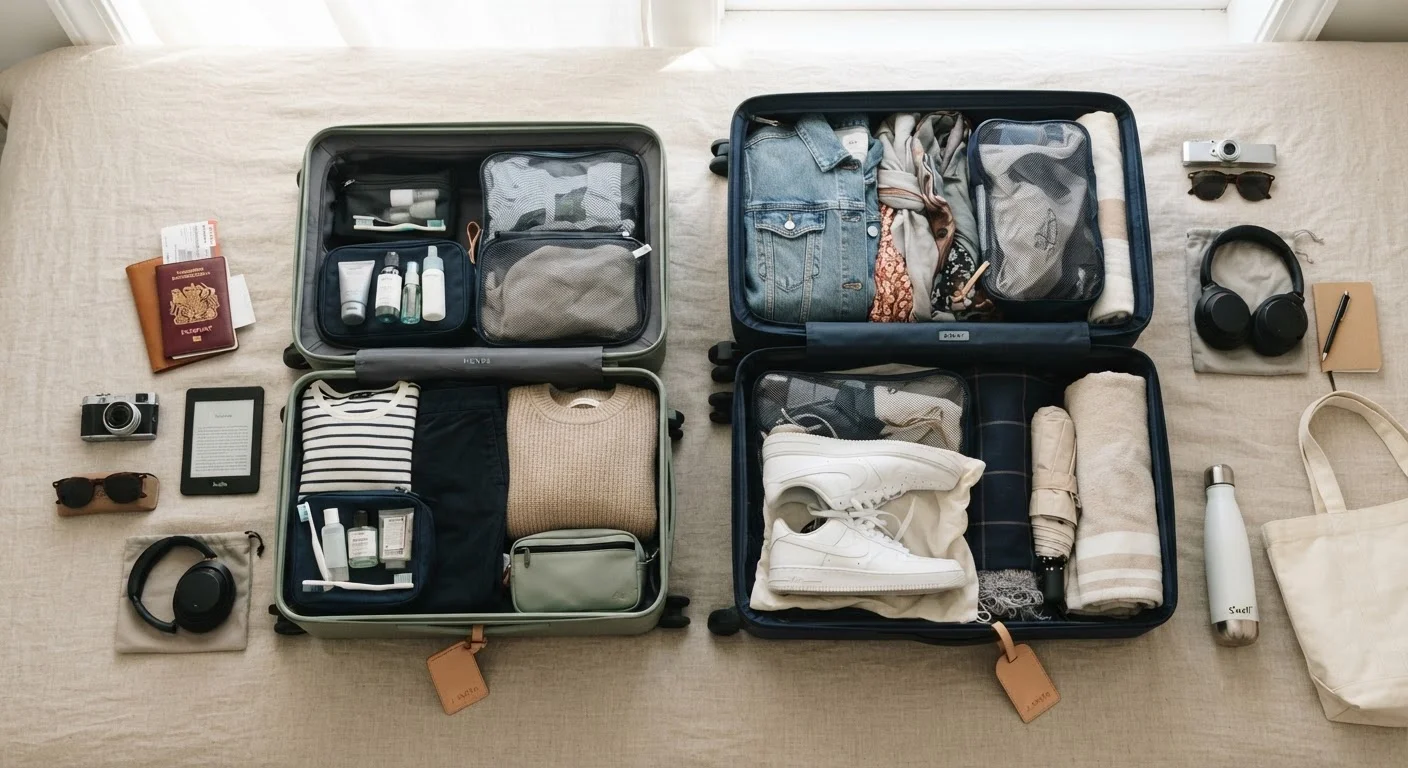
Carry-on travel isn't without its own friction. Overhead bin space fills fast on full flights, and some airlines gate-check carry-ons at no charge while others may not. The full trade-off comparison between carry-on and checked bags goes deeper on convenience and packing realities.
$30–$40
Typical first checked bag fee, one way
Most major US carriers charge within this range for domestic first-bag fees, though rates vary and change periodically.
20–45 min
Average baggage claim wait time
Industry estimates suggest checked-bag travelers routinely spend 20–45 additional minutes at the airport post-landing compared to carry-on travelers.
$100+
Overweight bag surcharge threshold
Most US carriers impose steep fees when a checked bag exceeds 50 lbs, with charges frequently starting at $100 or more per bag.
When Each Approach Makes Financial Sense
The math on baggage shifts depending on your trip profile. Here's how to think through it honestly.
Short Domestic Trips (1–5 days)
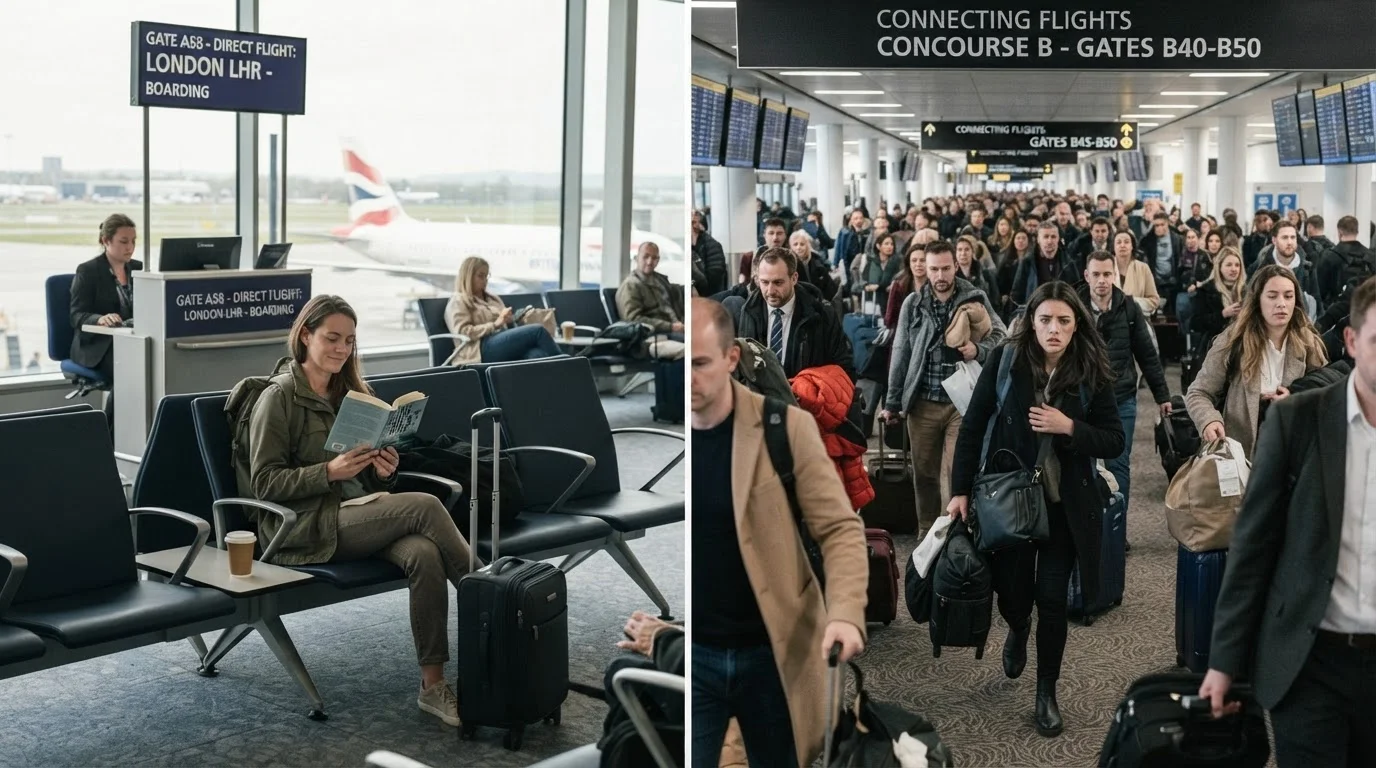
Carry-on only is almost always the financially sound choice. Most travelers can pack enough for five days in a standard carry-on with some planning. You skip the fees, skip baggage claim, and gain flexibility — particularly useful if your itinerary involves tight connections. Our article on direct flights versus layovers and when cheaper options cost more is relevant here: a tight layover with checked luggage carries real risk.
Extended or International Travel (10+ days)
Longer trips tilt the equation. The discipline required to pack 10–14 days into a carry-on is real. International checked bag fees often differ from domestic rates; some long-haul carriers include a checked bag in the base fare. Always verify what's included before assuming the fee structure matches domestic norms.
Multi-Leg or Road-and-Fly Combinations
When your trip involves both flying and driving — or multiple flight segments — consider how bag handling multiplies. Each segment where you check a bag is another opportunity for delays and fees. For more on the driving alternative, see comparing the true cost of road trips versus flying.
Ways to Reduce or Eliminate Checked Bag Fees
Several legitimate strategies can reduce what you pay:
- Co-branded airline credit cards often include one free checked bag per traveler on qualifying bookings.
- Elite frequent flyer status typically waives one or more checked bags.
- Booking directly through the airline (rather than a third-party site) can preserve fee-waiver benefits tied to a loyalty account.
This article provides general travel information and education. Fees, policies, and program benefits change frequently — always verify directly with the airline before booking.