
How Each System Actually Works
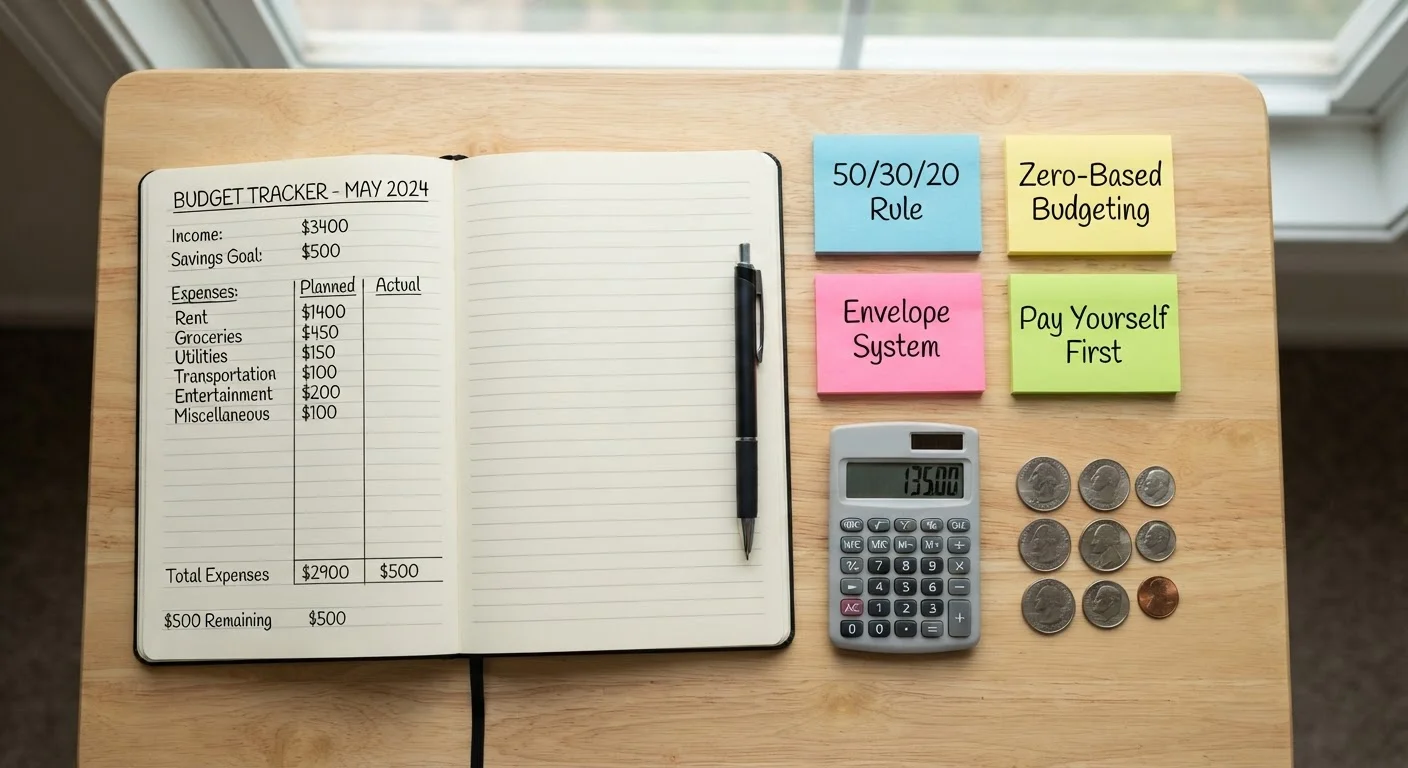
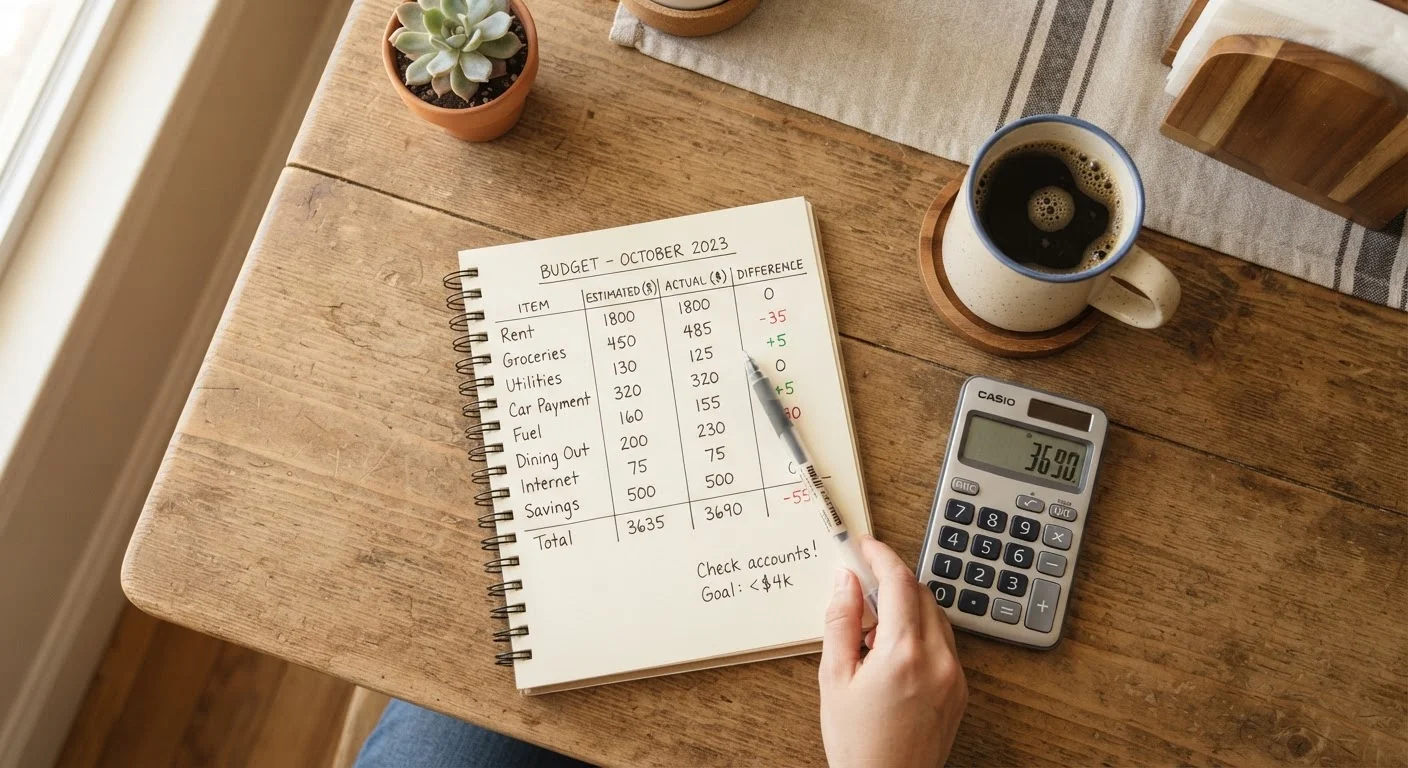
Zero-based budgeting starts with your total monthly income and works downward. You assign every dollar to a category — rent, groceries, utilities, savings, debt payments, even small discretionary items — until the math hits zero. That doesn't mean you spend everything; savings and investments count as assigned categories. The point is that no dollar is left floating without a purpose.
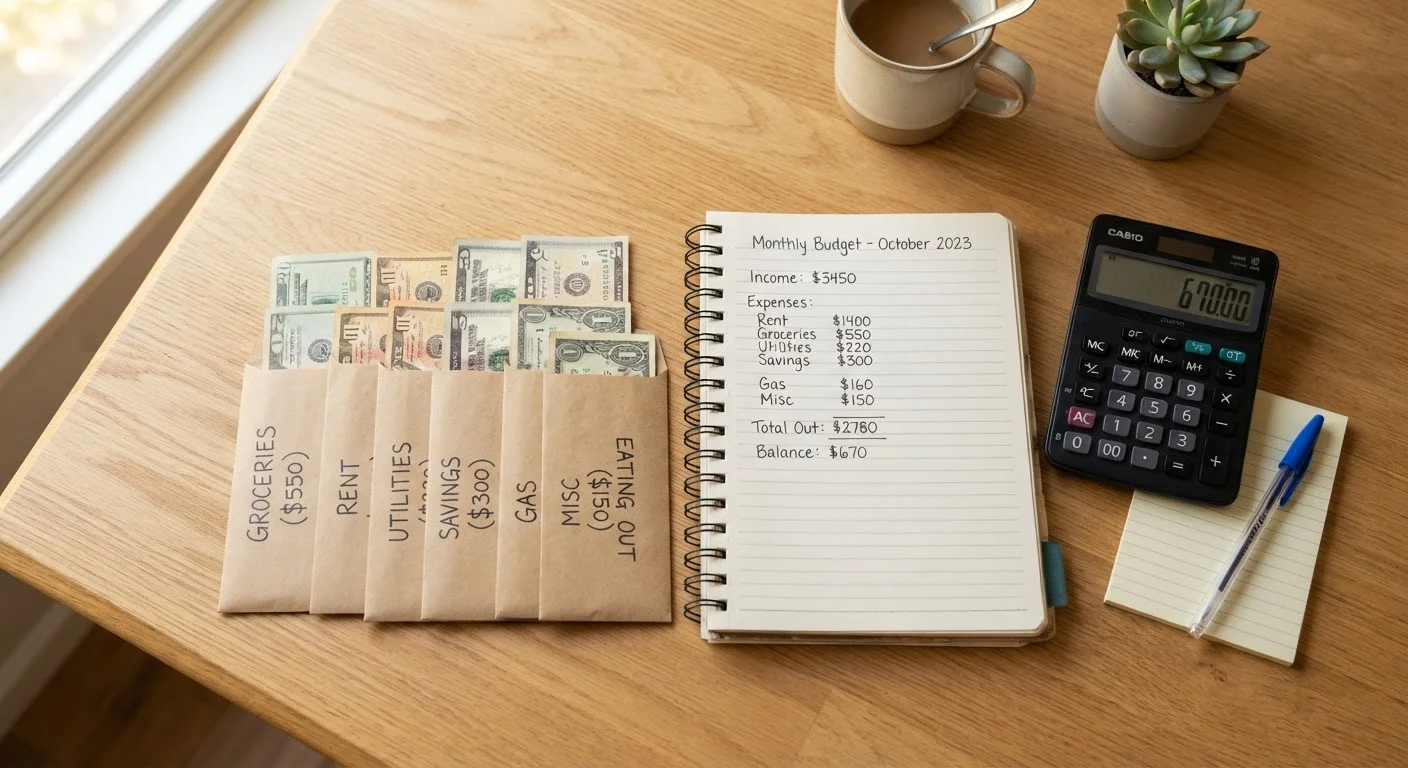
The envelope method works differently. You identify a set of spending categories where you tend to lose track — groceries, dining out, gas, entertainment — then load physical envelopes with the cash budgeted for each. When the envelope is empty, spending in that category stops for the month. Some people use a digital version with separate accounts or app-based envelope tools.
Both systems share a core philosophy: spending should be deliberate, not accidental. But zero-based budgeting is a whole-budget approach, while the envelope method typically covers only a slice of your spending. For a broader look at how these compare to other frameworks, see how four popular budgeting frameworks stack up.
Time, Effort, and Daily Friction
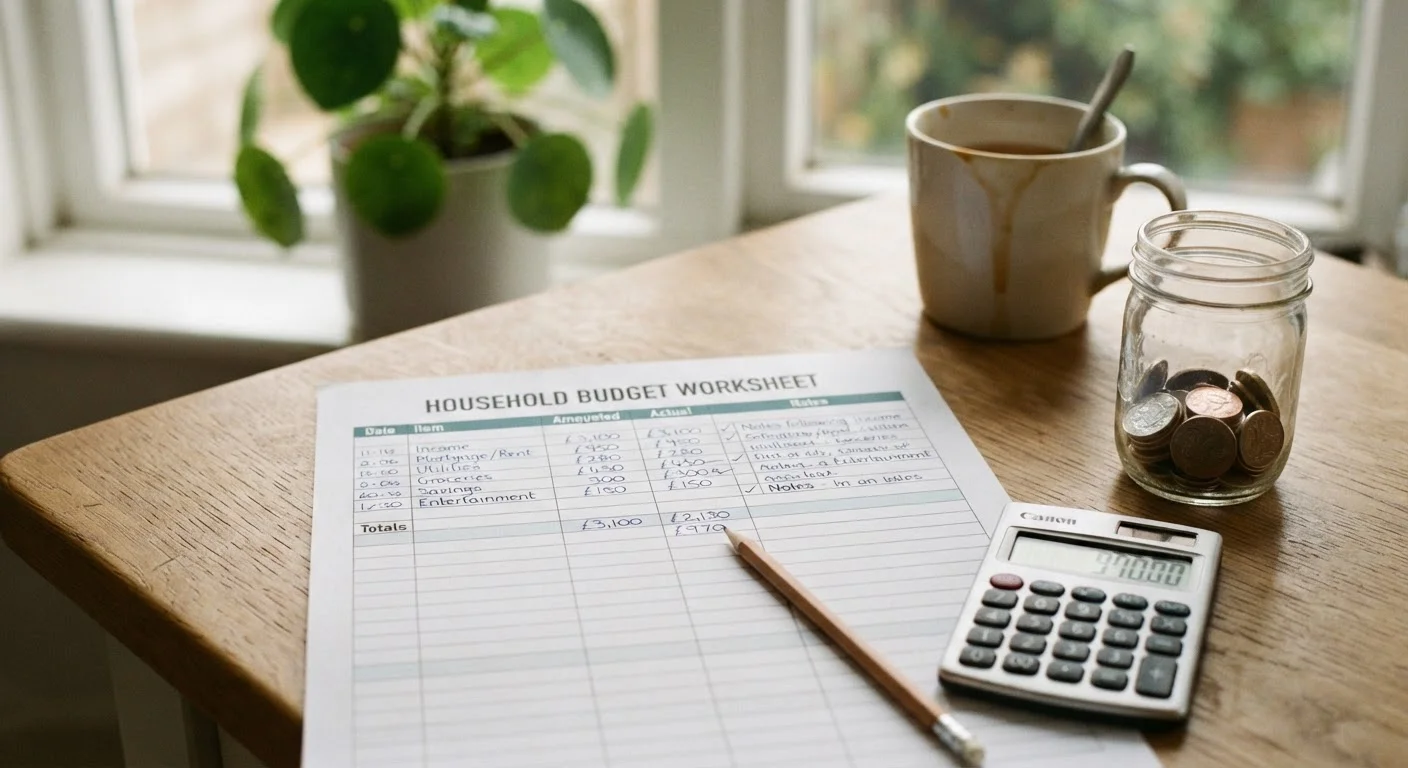
Zero-based budgeting takes real time to set up — typically 30 to 60 minutes at the start of each month to build a fresh plan. During the month, you also need to track spending against each category and make adjustments when life doesn't match the plan. This ongoing maintenance is what makes it powerful, but also what makes some people abandon it.
The envelope method has a lower setup cost. Once you decide which categories get envelopes and how much goes in each, the system mostly runs itself. The friction is at the point of spending: you have to use cash, which can feel inconvenient for online purchases or subscriptions. That friction, though, is intentional — it slows down impulse decisions.
| Criterion | Zero-Based Budgeting | The Envelope Method |
|---|---|---|
| Scope | Covers entire monthly budget | Covers select spending categories |
| Setup time | 30–60 minutes per month | Under 30 minutes initially |
| Works with cards/apps | Yes, fully compatible | Primarily cash-based |
| Best for variable income | Yes, rebuilt each month | Less adaptable |
| Overspending guardrail | Tracking-based awareness | Hard stop when envelope empties |
| Learning curve | Moderate | Low |
If you find strict financial controls stressful, it's worth reading about the real trade-offs of strict budgeting before committing to either method.
Where Each Method Tends to Fall Short
Zero-based budgeting can become burdensome if your income is unpredictable. Rebuilding the entire budget from scratch each month — especially when you don't know exactly what you'll earn — adds stress on top of an already uncertain situation. It also requires genuine honesty about every spending category, which some people find uncomfortable at first.
The envelope method struggles with modern spending. Credit cards, automatic bill payments, and online subscriptions don't fit neatly into a cash envelope system. Using cash also means you lose purchase protections that credit cards offer. And if you only apply envelopes to three or four categories, the rest of your spending remains untracked — which can mask problems elsewhere in your budget.
Neither method is fail-proof. Success with either depends on consistency, not perfection. For households still figuring out the basics, building your first monthly budget is a practical starting point before layering in either system.
Digital Envelope Tools Exist
If carrying physical cash feels impractical, several budgeting apps offer a digital envelope feature — separate virtual categories that function like cash envelopes. This preserves the psychological benefit of a hard category limit without requiring you to withdraw cash. Verify that any app you consider has appropriate data security before linking financial accounts.
Combining Elements of Both
Many households find that the sharpest results come from pairing the two approaches. Use zero-based budgeting to plan your full month — covering rent, utilities, savings, and debt payments — then apply envelopes specifically to the discretionary categories where you historically overspend. This hybrid keeps the big picture under control while adding a physical guardrail exactly where you need it.
The right system is the one you'll actually use. Both zero-based budgeting and the envelope method outperform having no structure at all. If you're also carrying debt, other budgeting frameworks designed for saving while managing debt may offer useful context alongside either method.
This article is for general informational purposes only and does not constitute personalized financial advice. Consider speaking with a licensed financial professional about your specific situation.