

The Budget Category Nobody Adds—Until They Regret It
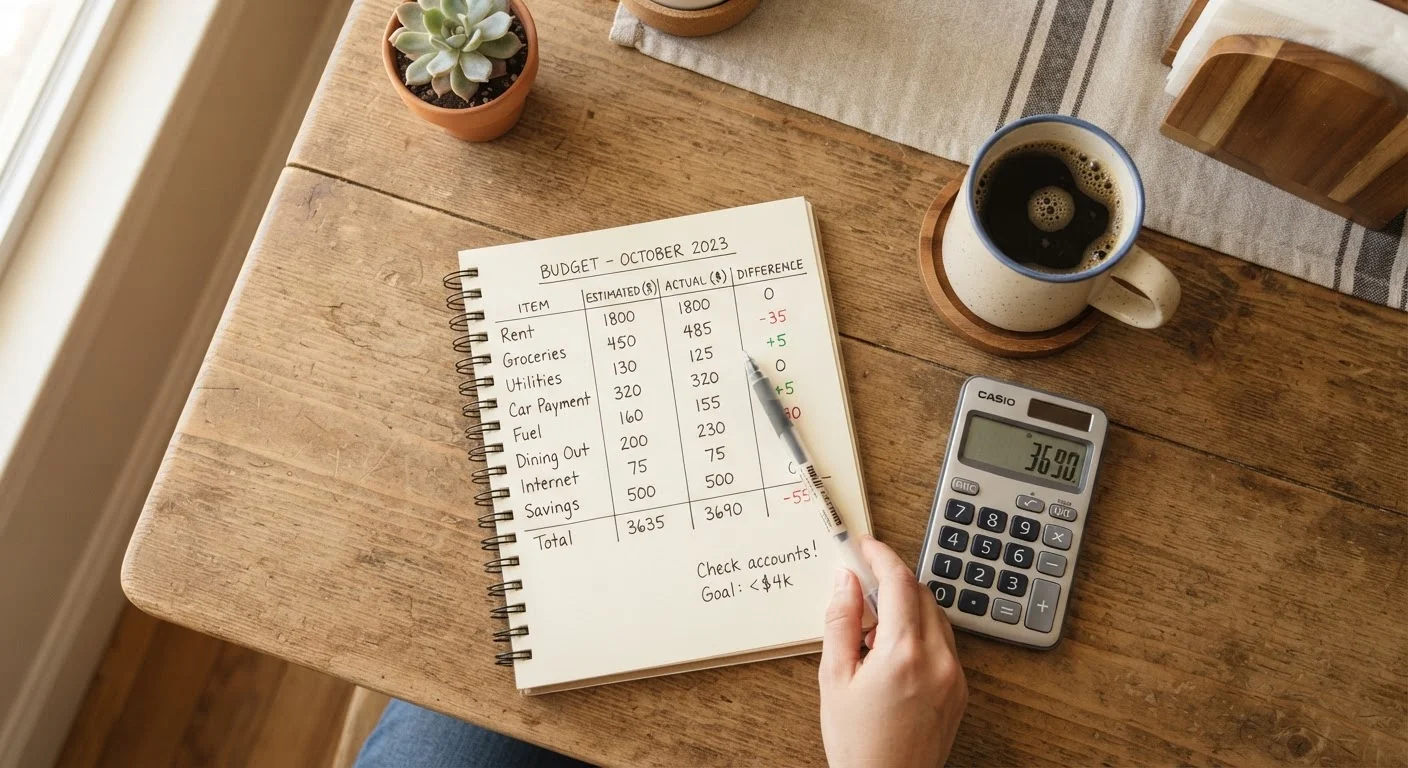
Most household budgets account for rent or mortgage, utilities, groceries, and maybe a savings goal. What they rarely capture is a whole class of expenses that are neither monthly nor surprising — costs like vehicle registration, annual insurance premiums, back-to-school supplies, holiday gifts, or a semi-annual dentist visit. These aren't emergencies. They're irregular but predictable, and that distinction matters enormously.
When these bills arrive without a plan, households typically do one of three things: pull money from savings, put it on a credit card, or simply scramble. All three options carry a cost — whether in interest charges, depleted cushions, or financial stress. The solution is a budget category that most people skip entirely: the sinking fund.
A sinking fund is simply a pool of money you build gradually over time for a specific future expense. You decide in advance what the expense will cost, divide it by the number of months until it's due, and set aside that smaller amount each month. When the bill lands, the money is already there. If you're just getting started with a broader budget framework, see our ground-up budgeting guide for the foundation this strategy fits into.
Start With a Simple Annual Expense Audit
Before setting a monthly savings target, look back through 12 months of bank and credit card statements and flag every non-monthly charge. Total those amounts and divide by 12 — that's your baseline sinking fund contribution. You can always refine the number as you get a clearer picture of what your household actually spends each year.
Six Irregular Expenses Worth Building a Sinking Fund For
Vehicle registration and licensing fees
State vehicle registration fees vary widely — from under $50 to several hundred dollars annually depending on where you live and what you drive. Because the bill arrives once a year, it's easy to treat it like a surprise. It isn't. Check your prior year's registration notice for the amount, divide by 12, and set that aside monthly. If you want a broader view of how deferred vehicle costs compound over time, the lifetime cost of skipping routine maintenance illustrates a similar dynamic.
Vehicle registration is a known annual cost — it only feels like a surprise when you haven't saved for it.
Annual insurance premiums
Many households pay homeowners, renters, or auto insurance in a lump sum once or twice a year to avoid installment fees. If you pay semi-annually or annually, divide the total by the number of months until the next due date and save accordingly. Even if your insurer allows monthly payments, setting aside your own reserve gives you flexibility to shop policies at renewal without scrambling for a down payment.
Saving for insurance premiums yourself gives you flexibility that monthly installment plans don't always allow.
Back-to-school and seasonal shopping
Back-to-school costs — clothing, supplies, activity fees, sports equipment — can run several hundred dollars per child depending on age and school requirements. Holiday gift-giving is another predictable seasonal spike. Both arrive on the same schedule every year. If last year's back-to-school spending was $400, that's about $33 per month to set aside. If holiday gifts typically cost $500, that's roughly $42 per month. Combining seasonal categories into one sinking fund simplifies the math.
Seasonal spending spikes like back-to-school and holidays hit the same time every year — plan for them like any other bill.
Home maintenance and repair reserves
A commonly cited rule of thumb in personal finance holds that homeowners should expect to spend roughly 1% to 2% of their home's value annually on maintenance — though actual costs vary significantly by home age, condition, and region. That covers things like HVAC servicing, gutter cleaning, appliance repairs, and minor plumbing. Renters aren't off the hook either — items like replacing vacuum filters, pest control, or renter-responsible repairs add up. A modest monthly reserve prevents these costs from landing on a credit card.
A small monthly maintenance reserve turns an unpredictable repair bill into a planned, manageable expense.
Medical and dental out-of-pocket costs
Even with insurance, annual deductibles, co-pays, and dental work create predictable out-of-pocket exposure. If you know your plan's annual deductible is $1,500 and you typically meet it, that's $125 per month to reserve. Health savings accounts (HSAs) and flexible spending accounts (FSAs) — where available through your employer — offer a tax-advantaged way to hold these funds, but a regular savings account works too. The key is expecting these costs rather than reacting to them.
Health plan deductibles and dental bills are predictable enough to save for monthly — don't wait until the bill arrives.
Travel and family obligations
Weddings, family visits, holiday travel, and even annual vacations are recurring costs that rarely make it into a monthly budget line. If you travel home for the holidays most years, that flight or gas money is a known expense — even if the exact amount shifts. Estimating conservatively and saving monthly removes the pressure of last-minute financial decisions. This approach also applies to irregular travel surprises; the hidden costs that catch budget travelers off guard covers what to anticipate beyond the ticket price.
Recurring travel costs like holiday flights or family visits are predictable enough to plan for — even if the amount shifts year to year.
This list isn't exhaustive — your household will have its own version. The point is to sit down once a year, list every non-monthly cost you can think of, total them up, and divide by 12. That number becomes your monthly sinking fund contribution. For more ways to stay consistent once the category is in place, the habits that keep a budget working article covers the behavioral side of budgeting in detail.
How to Actually Set This Up
The mechanics are simple. Open a separate savings account — most banks and credit unions allow multiple accounts at no charge — and label it something specific like "Annual Expenses" or "Sinking Fund." Set up an automatic transfer on payday so the money moves before you have a chance to spend it elsewhere. This is not a general emergency fund; it's a dedicated holding account for known future costs.
If you share finances with a partner or family members, doing this exercise together helps surface expenses one person might forget. Back-to-school costs, for instance, tend to be remembered by whoever handles school shopping. Car registration tends to be remembered by whoever drives more. A shared list prevents gaps.
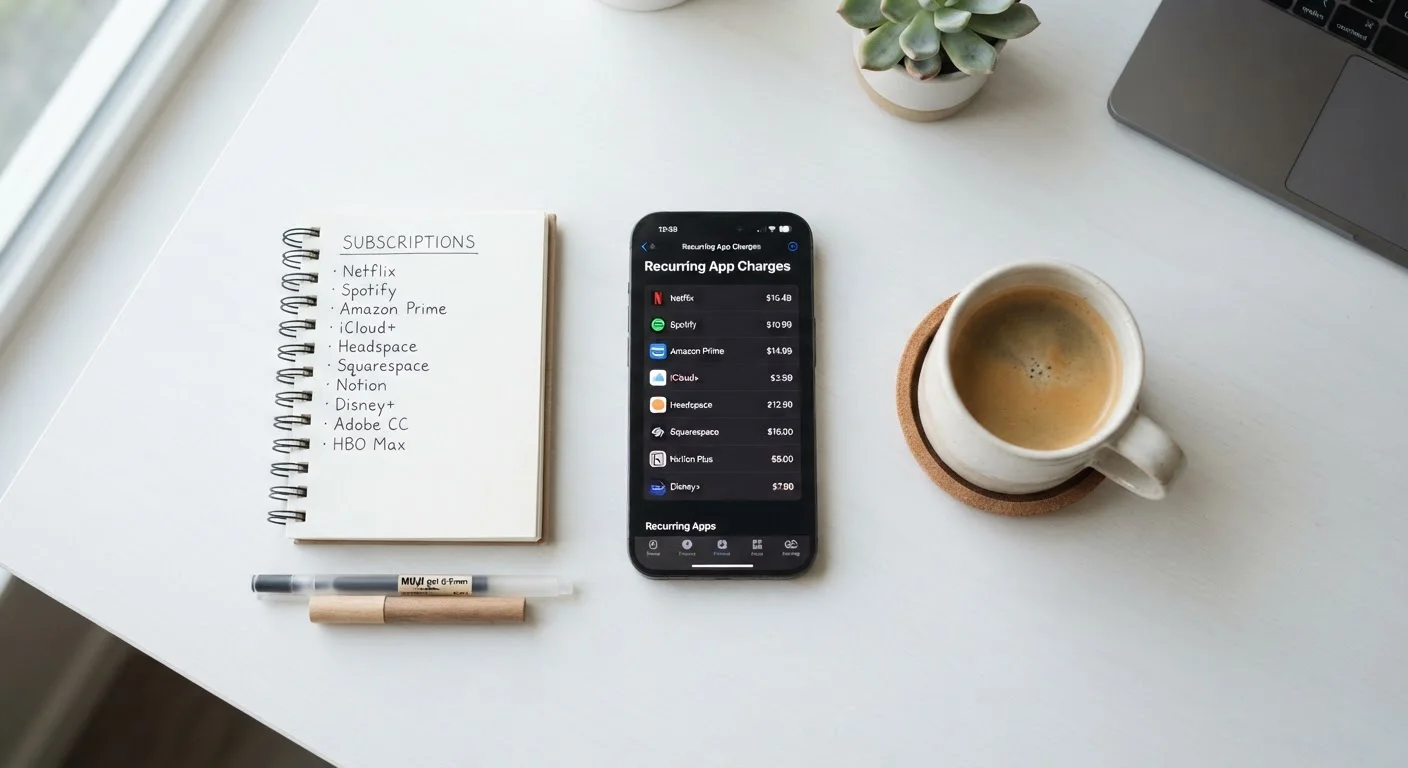
One practical tip: keep a running document — a notes app, a spreadsheet, or even a paper list on the fridge — where you log irregular expenses as they come up throughout the year. This becomes next year's planning tool. It also prevents the common mistake of underestimating what you actually spend. If you're also managing subscriptions that quietly renew each year, a periodic audit of those charges connects directly to this exercise — see how to audit your subscriptions for a structured approach.
This article is for general informational purposes only and does not constitute personalized financial advice. For guidance tailored to your specific situation, consider consulting a qualified financial professional.