
Why Budget-Friendly Eating Is Worth Getting Right
For many American households, the assumption that eating healthfully requires premium spending creates a real barrier. In practice, nutritious eating and tight budgets are far more compatible than grocery store marketing suggests. The challenge isn't access to good food — it's knowing which strategies reliably stretch your dollars without trading away food quality.
This article focuses on proven approaches grounded in how food is produced, priced, and prepared. If you're also building out your kitchen setup to support home cooking, our guide on setting up a functional kitchen without overbuying can help you identify which tools genuinely earn their place.
This content is for general informational purposes only and is not a substitute for personalized dietary advice. Consult a registered dietitian or qualified healthcare professional for guidance specific to your health needs.
Core Practices for Eating Well Without Overspending
These strategies are practical, repeatable, and don't require specialty stores or expensive ingredients. They work together — adopting even a few can meaningfully reduce your weekly food spend while maintaining nutritional quality.
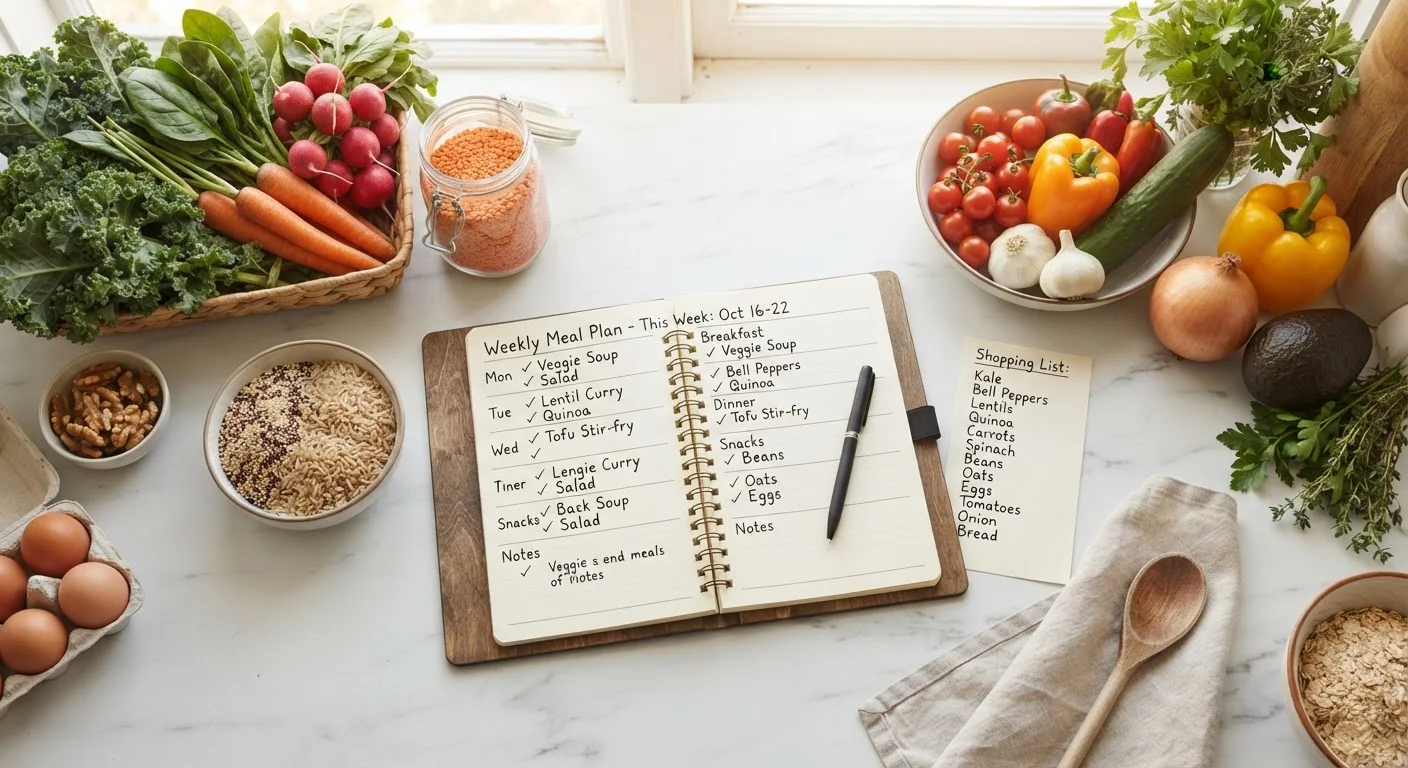
Plan your meals before you write your shopping list
Shopping without a plan is one of the leading causes of food waste and impulse purchases that inflate grocery bills. Deciding what you'll eat for the week before entering the store keeps your cart focused on what you'll actually use. It also reduces the likelihood of resorting to costly last-minute takeout when there's nothing planned for dinner.
Build meals around low-cost, nutrient-dense staples
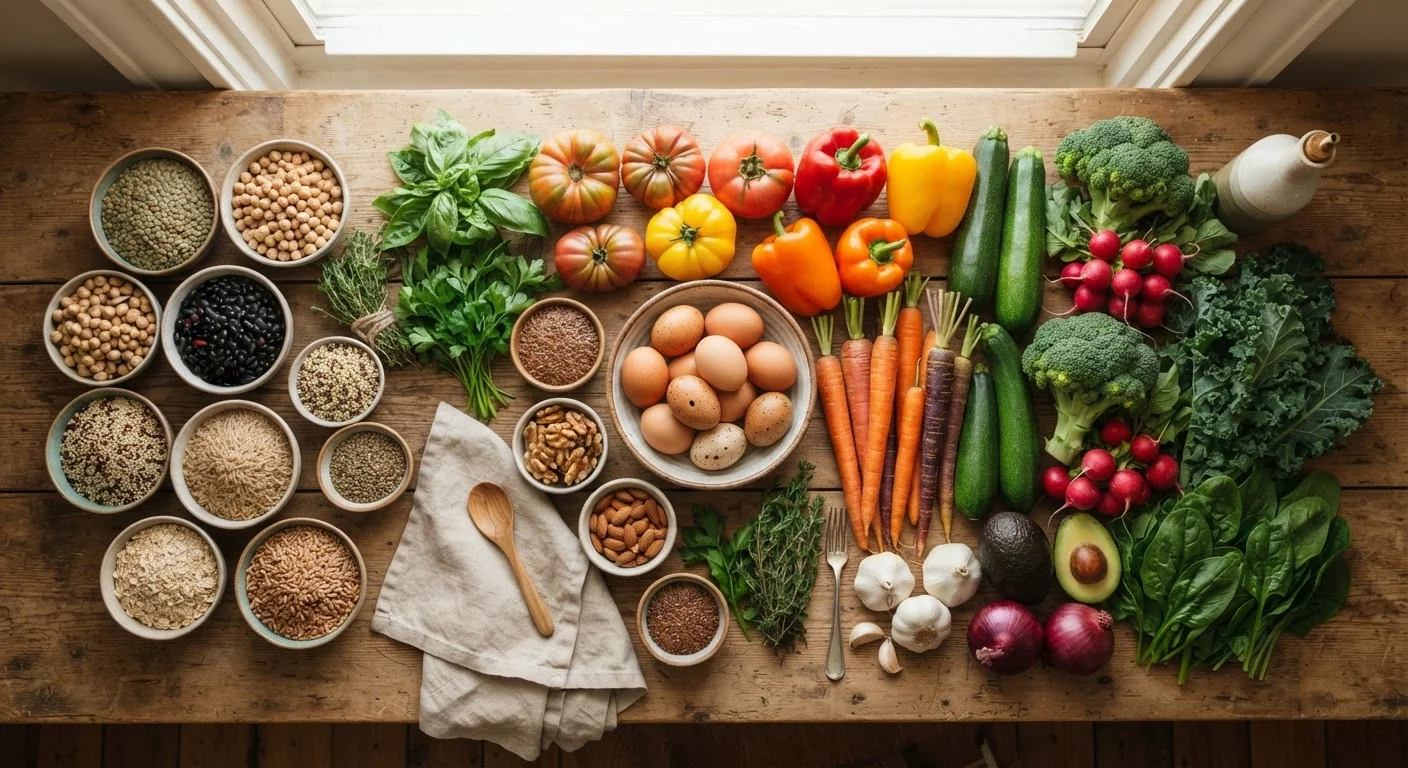
Foods like dried lentils, canned beans, oats, eggs, frozen vegetables, and brown rice consistently deliver strong nutritional profiles at low per-serving costs. Centering meals on these ingredients — rather than treating them as sides — maximizes nutritional value per dollar spent. These items also have long shelf lives, reducing spoilage loss.
Compare unit prices rather than package prices
The sticker price of a product tells you very little about its true value. Unit pricing — cost per ounce, per pound, or per serving — reveals which size or brand actually gives you more for your money. Many shoppers skip this step and consistently pay more than necessary. Our article on unit pricing in grocery stores walks through how to read these labels correctly.
Choose store-brand and frozen options without hesitation
Store-brand products are typically manufactured to the same standards as name-brand equivalents and often share the same production facilities. Frozen fruits and vegetables are harvested at peak ripeness and flash-frozen, preserving nutrients comparably to fresh — sometimes better, when fresh produce has traveled long distances. Defaulting to these options where available routinely cuts grocery costs without nutritional trade-offs.
Cook in larger batches and repurpose leftovers intentionally
Batch cooking reduces the per-meal time and energy investment of home cooking while stretching ingredients across multiple meals. Intentional repurposing — using roasted vegetables one night as a grain bowl topping the next — avoids waste and adds variety without extra spending. This approach also reduces the temptation to spend on convenience food during busy evenings.
Track what you throw away and adjust buying habits accordingly
Food waste is effectively money discarded. Most households underestimate how much produce, bread, and dairy they routinely discard before use. Keeping a simple mental or written note of what gets thrown out each week helps identify where buying habits need to adjust — whether that means buying smaller quantities, storing food differently, or substituting shelf-stable for perishable ingredients.
Quick Actions You Can Take This Week
You don't need to overhaul your entire grocery routine at once. Start with one or two of these actions and build from there. Consistency compounds over time — small shifts in how you shop and cook add up to meaningful savings and better nutrition.
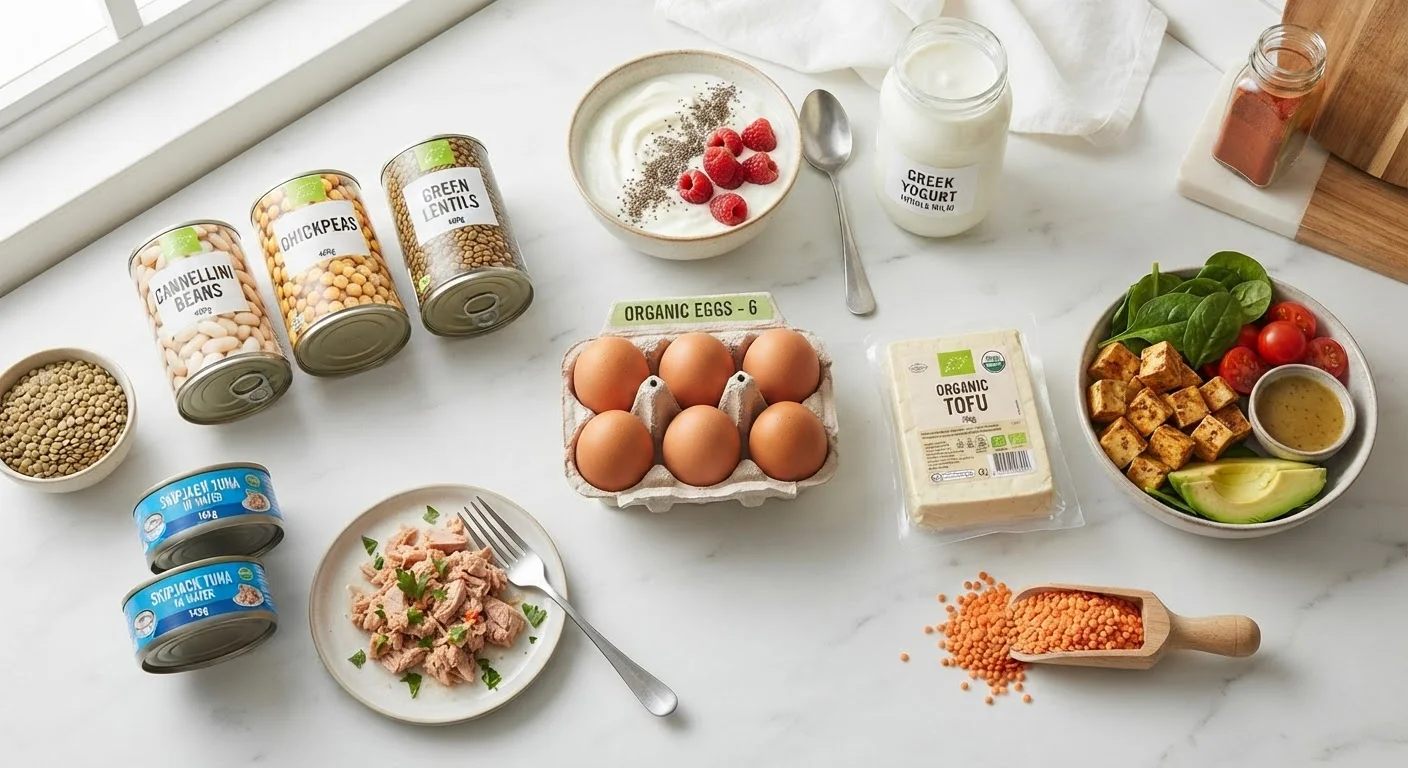
For a structured approach to weekly shopping, see our weekly meal-planning checklist for balanced, budget-conscious eating. And if protein sourcing is a concern, affordable high-protein foods worth knowing about breaks down some of the most cost-effective options available.
The Bigger Picture: Habits That Sustain Over Time
Budget eating isn't just about individual trips to the store — it reflects a broader set of habits around planning, cooking, and awareness. Research consistently shows that households that plan meals in advance waste less food and spend less overall, even when buying the same types of ingredients.
Understanding how your grocery cart affects your health goals is equally important. Our article on common grocery shopping pitfalls identifies habits that quietly erode both nutrition and budget discipline. For a foundational overview of balanced eating itself, The Everyday American's Introduction to Balanced Eating covers core nutrition concepts in plain language.
Nutritional needs also change across life stages, so strategies that work for one household member may need adjustment for another. Families with children, older adults, or members with specific health conditions should consult a healthcare professional or registered dietitian for personalized guidance.