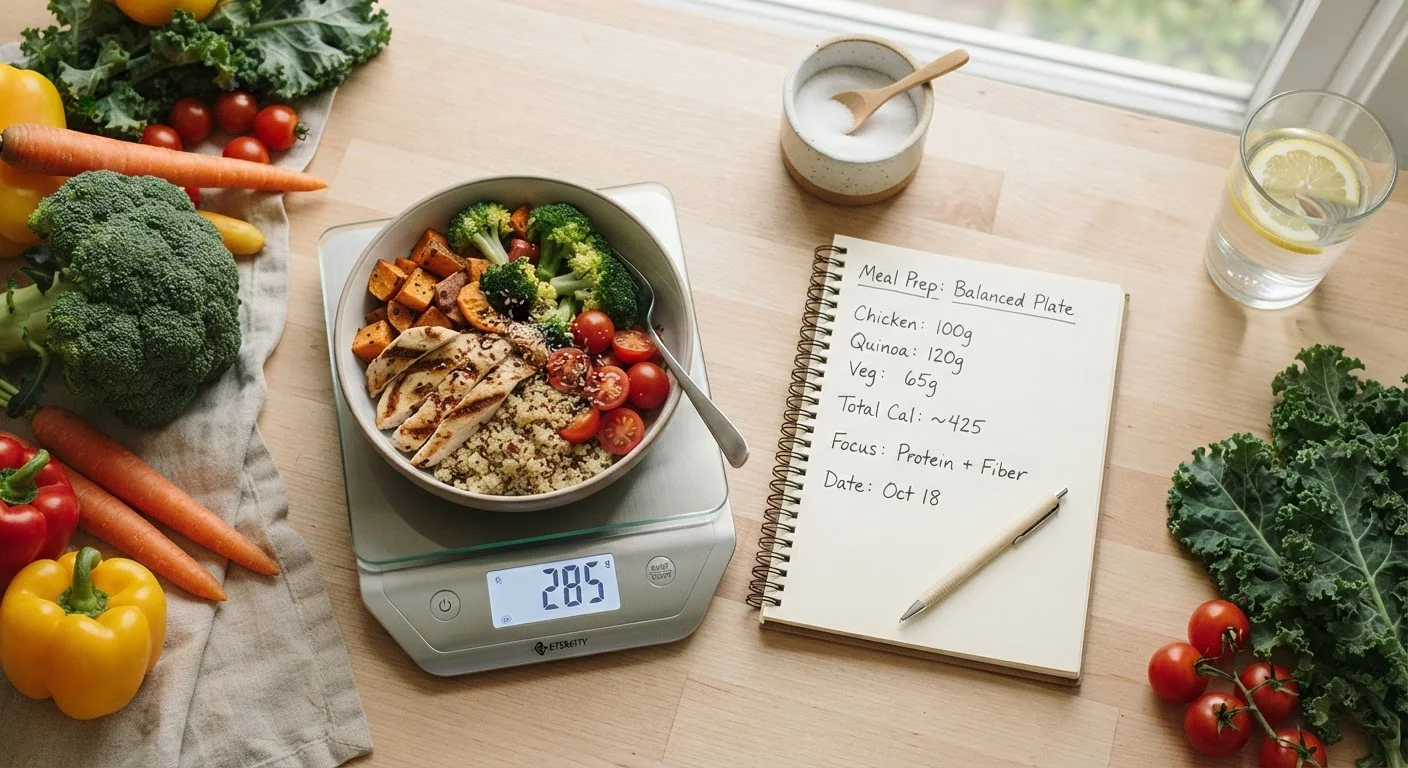


What Balanced Eating Actually Means
The phrase "balanced diet" gets used constantly — yet for most people starting out, it remains vague. At its core, balanced eating means regularly consuming a variety of foods across different food groups so your body gets the full range of nutrients it needs to function well.
It is not about eating perfectly at every meal, eliminating carbohydrates, or following a rigid plan. Nutrition science consistently shows that overall dietary patterns — what you eat most of the time across weeks and months — matter far more than any individual meal or food choice. This framing takes pressure off perfection and puts it on building sustainable habits instead.
Balanced eating also connects to broader wellbeing. Research suggests that what we eat influences not just physical health but also mood and mental clarity. For a broader look at daily wellbeing, the Mental Wellness hub offers practical strategies that complement good nutrition habits.
This article is for general informational and educational purposes only. It is not a substitute for advice from a qualified healthcare provider or registered dietitian.
The Core Food Groups and What They Do
Understanding what each food group contributes helps you make intentional choices rather than following rules you don't understand.
Macronutrients
The three main nutrient categories — carbohydrates, protein, and fat — that provide energy and are needed in relatively large amounts daily.
Micronutrients
Vitamins and minerals your body needs in smaller amounts but that are essential for immune function, bone health, energy production, and more.
Dietary fiber
A type of carbohydrate found in plant foods that the body cannot fully digest. It supports digestive health, helps you feel full, and may reduce the risk of certain chronic conditions.
Nutrient density
How many beneficial nutrients a food delivers relative to its calorie count. Foods like vegetables, legumes, and whole grains tend to be high in nutrient density.
Whole foods
Foods that are minimally processed and close to their natural state — such as vegetables, fruit, whole grains, and legumes — as opposed to heavily processed packaged products.
Antioxidants
Compounds found in many fruits, vegetables, and other plant foods that help protect cells from damage linked to aging and disease.
- Vegetables and fruits supply vitamins, minerals, fiber, and antioxidants. Variety matters here — different colors signal different nutrients. Frozen options are nutritionally comparable to fresh and are often more affordable.
- Whole grains (oats, brown rice, whole-wheat bread, corn tortillas) provide sustained energy through complex carbohydrates and also deliver fiber that supports digestive health.
- Protein sources — including legumes, eggs, poultry, fish, dairy, and meat — are essential for building and repairing tissue. Dried beans and lentils are among the most cost-effective protein options available.
- Healthy fats from sources like nuts, seeds, avocados, and olive oil support brain function and help the body absorb certain vitamins. Fat is not something to avoid — the type and context matter more than the presence of fat itself.
- Dairy or fortified alternatives provide calcium and vitamin D, nutrients important for bone health across all life stages.
For a deeper look at how energy from food works in the body, see our overview of the calorie balance framework and its limitations.
Portion Awareness Without Obsessing Over Numbers
Portion size affects how much of each nutrient you actually consume, but most people don't need to weigh food or track every gram. Practical awareness is enough for most healthy adults.
A commonly used visual guide: fill roughly half your plate with vegetables and fruit, one quarter with whole grains, and one quarter with a protein source. Add a small amount of healthy fat. This isn't a prescription — it's a mental framework for building a meal without a calculator.
Use Your Hand as a Portion Guide
A rough visual shortcut: a fist approximates a cup of grains or vegetables, a palm represents a serving of protein, and a thumb is roughly a tablespoon of fat-rich foods like nut butter. These aren't precise measurements, but they provide a practical reference point when you're building a meal without tools.
Hunger and fullness cues are also worth paying attention to. Eating slowly and without distraction gives your body time to signal when it has had enough — a cue that's easy to miss when eating quickly. This isn't about restriction; it's about staying connected to your body's signals.
Budget-conscious eating and portion awareness often go hand in hand. Planning meals in advance reduces both food waste and unplanned spending. Our weekly meal-planning checklist walks through this process step by step.
Hydration: The Overlooked Foundation
Water is involved in nearly every process your body carries out — from digestion to temperature regulation to transporting nutrients. Yet many Americans consume less fluid than health authorities generally recommend.
Plain water is the most effective and least expensive hydration source. Beverages like coffee and tea contribute to daily fluid intake, though caffeinated drinks in large quantities can have a mild diuretic effect. Sugar-sweetened beverages add calories with little nutritional benefit and are worth limiting rather than treating as a primary hydration source.
Signs of mild dehydration include fatigue, difficulty concentrating, and headaches — symptoms that are easy to attribute to other causes. Keeping a reusable water bottle on hand during the day is one of the simplest, lowest-cost habits that supports both physical and cognitive function. Foods with high water content — cucumbers, watermelon, oranges, and soups — also contribute meaningfully to daily hydration.
Simple Habits That Make Balanced Eating Stick
Knowing what balanced eating looks like is only useful if it translates into consistent behavior. A few practical habits make a significant difference over time.
- Cook more at home. Home-cooked meals give you control over ingredients, portions, and cost. Even basic skills — boiling grains, roasting vegetables, assembling simple salads — open up a wide range of balanced meals. For strategies on making this affordable, see our guide to eating well on a tight budget.
- Plan before you shop. A loose weekly plan reduces impulse purchases and ensures you have the ingredients for balanced meals on hand. Our meal-planning checklist is a useful starting point.
- Make incremental changes. Swapping one processed snack for fruit or adding a vegetable to a familiar meal builds momentum without overhauling your routine overnight.
- Don't separate food from the rest of your finances. Food is a household expense. Thinking about nutrition alongside your broader budget makes both more manageable. The ground-up budgeting framework can help you see where food spending fits.
Lasting change comes from habits that fit your real life — not from following a plan that feels unsustainable after two weeks. Start small, repeat consistently, and adjust as you learn what works for your household.