
What Dietary Fiber Actually Is
Dietary fiber is a type of carbohydrate found in plant-based foods that the human body cannot fully digest. Unlike starches and sugars, fiber passes largely intact through the stomach and small intestine, reaching the colon where it plays important roles in gut health and overall function.
There are two main categories worth knowing:
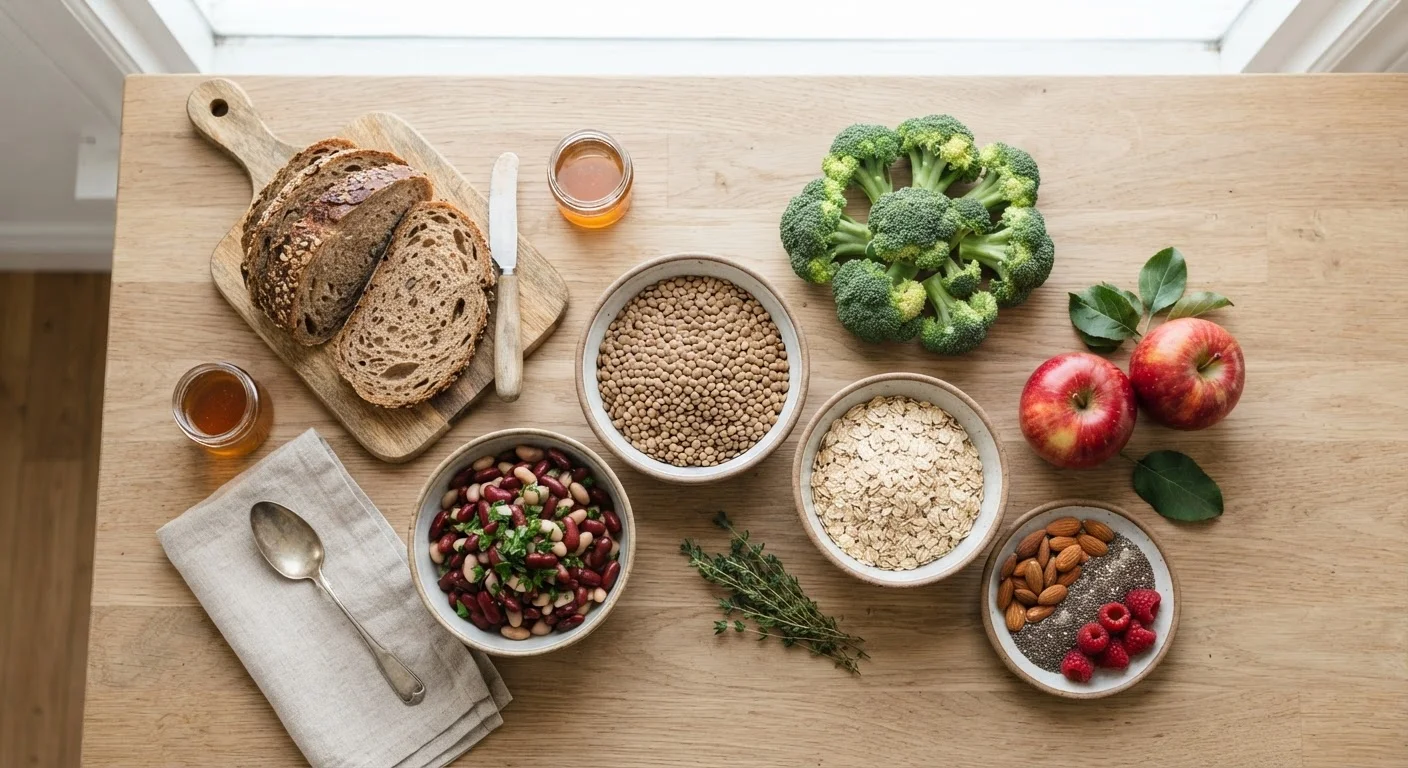
- Soluble fiber dissolves in water to form a gel-like substance. It is found in oats, legumes, apples, and citrus fruits. It may help slow digestion and support more stable blood sugar levels after meals.
- Insoluble fiber does not dissolve in water. It adds bulk to stool and helps material move through the digestive tract. Whole wheat, nuts, and many vegetables are good sources.
Most high-fiber foods contain both types in varying proportions, so focusing on food variety rather than tracking fiber types individually is a practical approach for everyday eating. For more foundational nutrition concepts, see The Everyday American's Introduction to Balanced Eating.
Dietary Fiber
A type of carbohydrate from plant foods that the body cannot fully digest. It passes through the digestive system largely intact and supports gut health, digestion, and other bodily functions.
Soluble Fiber
A form of fiber that dissolves in water to form a gel. It is found in oats, legumes, and some fruits, and is associated with supporting stable blood sugar and cholesterol levels.
Insoluble Fiber
A form of fiber that does not dissolve in water. It adds bulk to stool and helps move waste through the digestive tract, supporting regular bowel movements.
Refined Grain
A grain that has been processed to remove the bran and germ layers, which significantly reduces its fiber and nutrient content compared to the whole grain version.
Legumes
A family of plants whose seeds grow in pods, including beans, lentils, peas, and chickpeas. Legumes are among the most fiber-dense and affordable foods widely available in the U.S.
Prebiotic
A type of dietary fiber that feeds beneficial bacteria in the gut. Prebiotic fibers are found in foods like garlic, onions, oats, and bananas and support a healthy gut microbiome.
This article is for general informational purposes only and is not a substitute for personalized medical or dietary advice. Consult a qualified healthcare professional for guidance specific to your health situation.
Why Most Americans Don't Get Enough
Current dietary guidelines suggest most adults aim for roughly 25–38 grams of fiber per day, depending on age and sex. National nutrition surveys consistently show that average American adults consume only about 15 grams per day — well below that target.
~15g
Average daily fiber intake for U.S. adults
National nutrition surveys estimate average American adults consume about 15 grams of fiber per day — roughly half the recommended amount for women and less than half for men.
<10%
Americans meeting daily fiber recommendations
Research published in nutrition and lifestyle medicine literature consistently finds that fewer than one in ten Americans reaches recommended daily fiber targets.
~15.6g
Fiber in one cup of cooked lentils
According to USDA FoodData Central, a single cup of cooked lentils provides over 15 grams of fiber — more than most Americans consume in an entire day — at a very low cost per serving.
The gap exists largely because the American diet tends to emphasize refined grains, processed foods, and animal proteins over whole plant foods. Refined grains — white bread, white rice, many crackers and cereals — have had much of their fiber stripped away during processing.
Busy schedules, food access challenges, and familiarity with convenience foods all contribute. Cost is sometimes cited as a barrier, but many high-fiber foods are actually among the least expensive items in the grocery store, making the gap more of an awareness and habit issue than a purely financial one. You can learn more about fiber content on food packaging in our guide to reading a nutrition label.
Affordable Sources of Dietary Fiber
Increasing fiber intake does not require expensive specialty products or supplements. The following are among the most cost-effective, widely available sources:
| Recommended daily fiber intake (adult women) | ~25 grams per day (Dietary Guidelines for Americans) |
| Recommended daily fiber intake (adult men) | ~38 grams per day (Dietary Guidelines for Americans) |
| Average American daily fiber intake | ~15 grams per day (National Health and Nutrition Examination Survey (NHANES)) |
| Fiber in 1 cup cooked lentils | ~15.6 grams (USDA FoodData Central) |
| Fiber in 1 cup rolled oats (cooked) | ~4 grams (USDA FoodData Central) |
| Fiber in one medium apple (with skin) | ~4.4 grams (USDA FoodData Central) |
| "Good source" threshold on a nutrition label | 3 grams or more per serving (FDA labeling guidance) |
| Share of Americans meeting fiber recommendations | Less than 10% (American Journal of Lifestyle Medicine, general estimates) |
- Dried and canned legumes — lentils, black beans, chickpeas, and kidney beans are among the richest fiber sources available and are inexpensive whether bought dried or canned.
- Oats — rolled or steel-cut oats provide soluble fiber and are typically one of the lowest-cost breakfast options per serving.
- Whole grain bread and pasta — choosing whole wheat versions over refined white versions adds meaningful fiber with little change in price or preparation.
- Potatoes with skin — a medium potato with the skin on provides several grams of fiber and is one of the most affordable vegetables available year-round.
- Frozen vegetables — frozen broccoli, peas, edamame, and Brussels sprouts retain their fiber content and are often more affordable than fresh equivalents.
- Apples, bananas, and pears — common, budget-friendly fruits that provide a meaningful amount of fiber, especially when eaten with their skin.
If you are also looking to increase protein while eating more plants, our article on affordable high-protein foods covers several options — like lentils and beans — that deliver both nutrients at once.
Practical Tips for Increasing Fiber Gradually
Adding fiber too quickly can cause temporary bloating, gas, or digestive discomfort. Increasing intake gradually — over several weeks — and drinking plenty of water allows the digestive system to adjust comfortably.
A few simple approaches that tend to work well for most people:
- Swap refined grains for whole grain versions one meal at a time rather than all at once.
- Add a handful of beans or lentils to soups, stews, or salads a few times per week.
- Keep fruit on hand as a default snack rather than processed snack foods.
- Leave the skins on potatoes, apples, and cucumbers where practical.
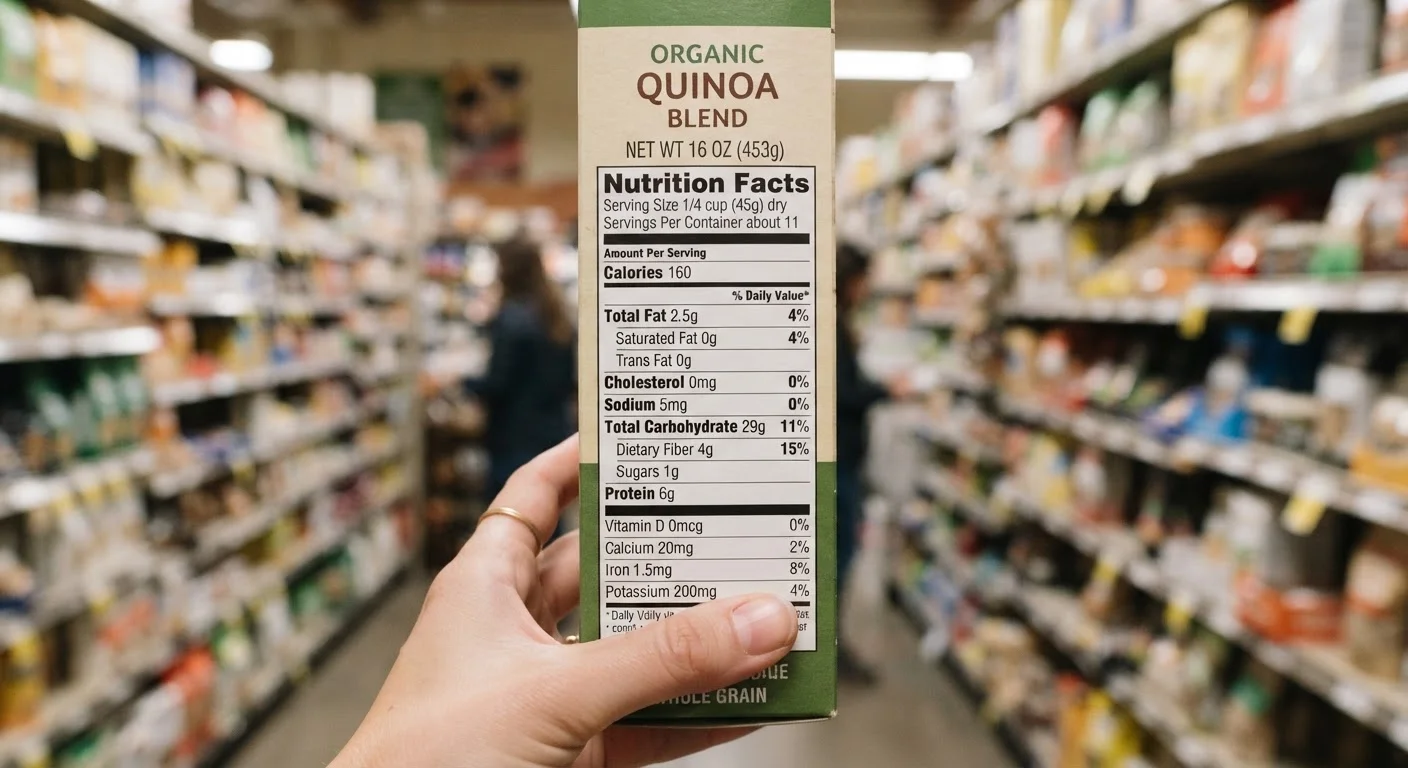
- Check nutrition labels for grams of dietary fiber per serving — foods providing 3 grams or more per serving are generally considered a good source. Our guide on reading nutrition labels explains exactly how to find and interpret that information.
People with certain digestive conditions — such as irritable bowel syndrome, Crohn's disease, or recent bowel surgery — may need tailored guidance on fiber intake. Anyone with a chronic health condition should consult a registered dietitian or physician before significantly changing their diet.