

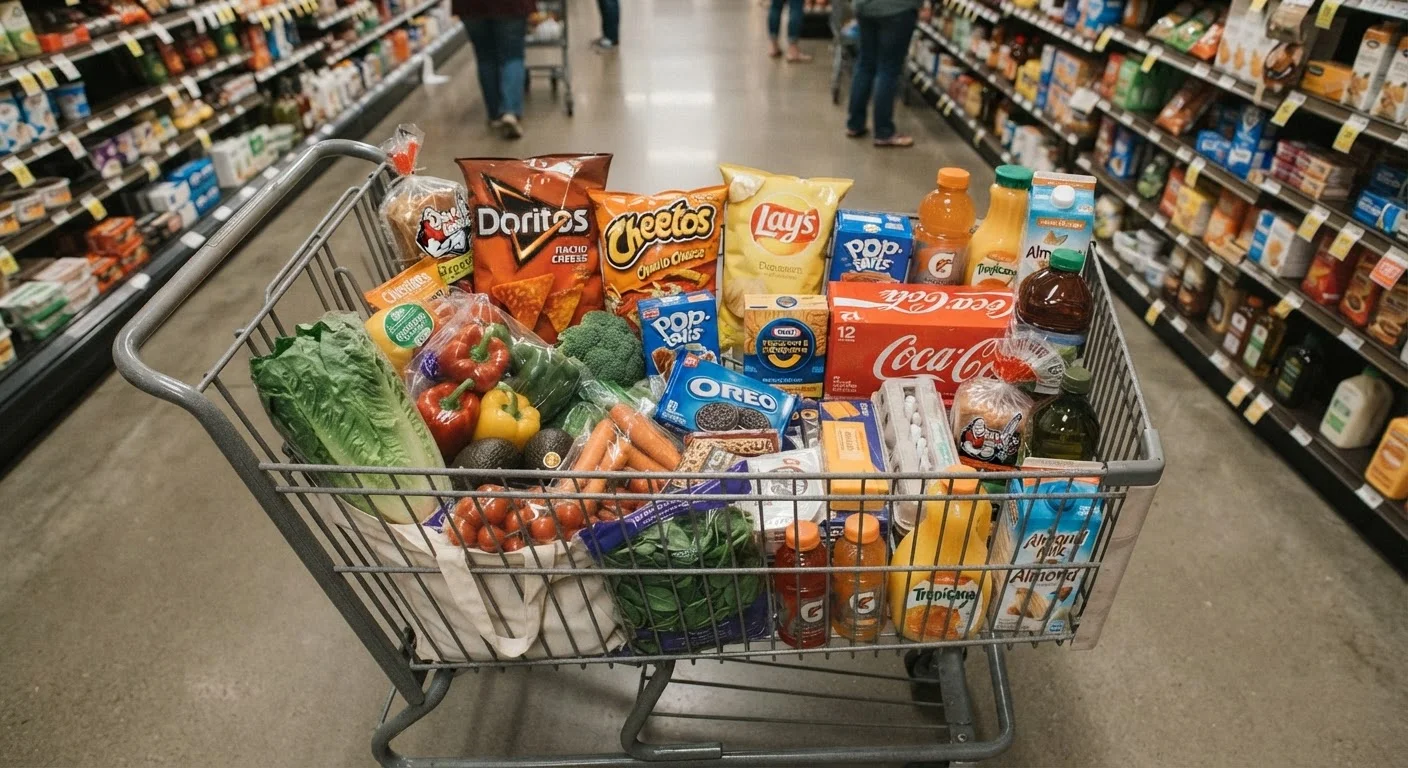
The Gap Between Intentions and the Cart
Most people don't leave the house planning to fill their cart with foods that work against their health. The gap between intention and outcome is almost always structural, not motivational. Store layouts, marketing language, hunger levels, and the absence of a plan all quietly steer purchasing decisions in directions that feel neutral in the moment but compound over weeks and months.
Understanding why these patterns repeat is the first step toward changing them. The mistakes below are among the most common — and most correctable — for everyday American shoppers trying to eat better without overhauling their budget. For a broader look at how spending habits shape long-term outcomes, the piece on why frugality fails offers useful context beyond the grocery aisle.
Shopping without a written or digital list.
Why it happens: Many shoppers assume they'll remember what they need, or prefer flexibility. In practice, unplanned shopping exposes you to aisle-by-aisle prompts designed to encourage additional purchases.
Trusting front-of-package health claims without checking the label.
Why it happens: Terms like 'low-fat,' 'high-protein,' or 'heart-healthy' are persuasive and quick to read. Shoppers in a hurry often make decisions based on these claims alone.
Defaulting to convenience foods because fresh options seem too time-consuming.
Why it happens: After a long day, cooking from scratch feels unrealistic. Convenience foods fill that gap — but they often carry high sodium, saturated fat, and added sugar loads.
Over-buying perishables that end up in the trash.
Why it happens: Aspirational shopping — buying the salad ingredients you intend to eat — is common. Enthusiasm at the store doesn't always translate to follow-through at home.
Treating bulk buying as automatically healthy and economical.
Why it happens: Large package sizes feel like smart value. But bulk buying saves money only when items are used before they expire — and buying more of a low-quality product doesn't improve its nutritional profile.
Building a Cart That Actually Reflects Your Goals
Correcting grocery habits isn't about perfection or restrictive rules — it's about removing friction from better choices. A few structural adjustments tend to have outsized impact: shopping with a list, reading past front-of-pack marketing, matching perishable purchases to realistic usage, and reserving bulk buying for items with long shelf lives and genuine nutritional value.
Hunger While Shopping Distorts Decisions
Research consistently shows that shopping on an empty stomach leads consumers to select higher-calorie, more impulsive items. This isn't a character flaw — it's a measurable biological response to hunger cues. Eating even a small snack before entering the store can meaningfully shift your purchasing patterns toward your actual goals.
None of these changes require spending more money. In many cases, they reduce spending by cutting waste and impulse purchases. The Smart Spending hub explores how these same principles apply across household budgets more broadly.
This article is for general informational and educational purposes only and does not constitute medical or nutritional advice. Consult a qualified healthcare professional or registered dietitian for guidance specific to your health needs.