
Why the DIY Question Matters
Car ownership comes with a steady stream of maintenance tasks — some routine, some urgent, and some that look simple but aren't. Doing certain jobs yourself can save real money and build useful knowledge about your vehicle. Getting others wrong can damage your car, void a warranty, or create a safety hazard on the road.
The goal here isn't to talk you into or out of DIY maintenance. It's to help you draw a clear line between tasks that are genuinely low-risk and those where professional expertise is worth every dollar. For a broader look at what gets checked and why, see what a mechanic actually does during a routine tune-up.
What Most Drivers Can Safely Handle
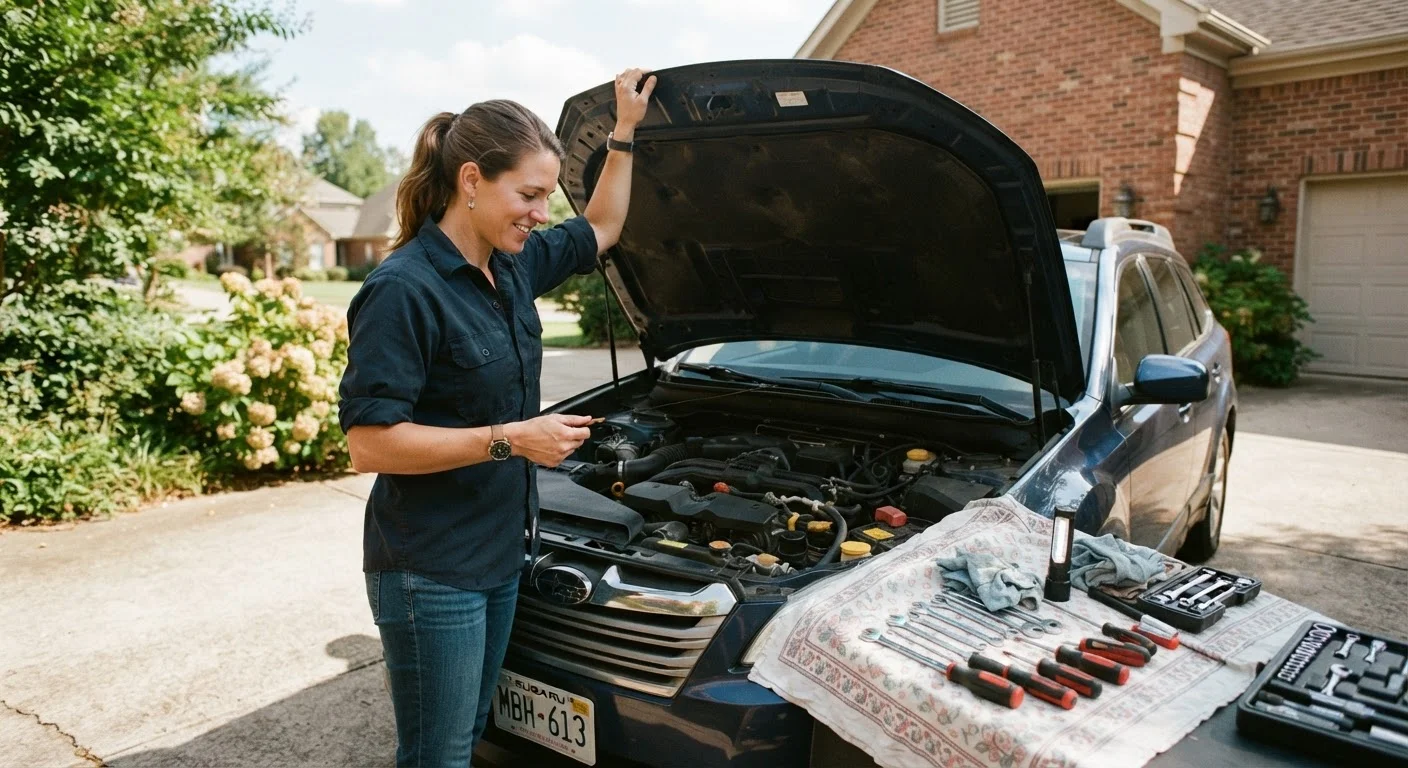
Several maintenance tasks require little more than basic tools, a clean workspace, and a careful read of your owner's manual. These are generally considered low-risk DIY jobs:
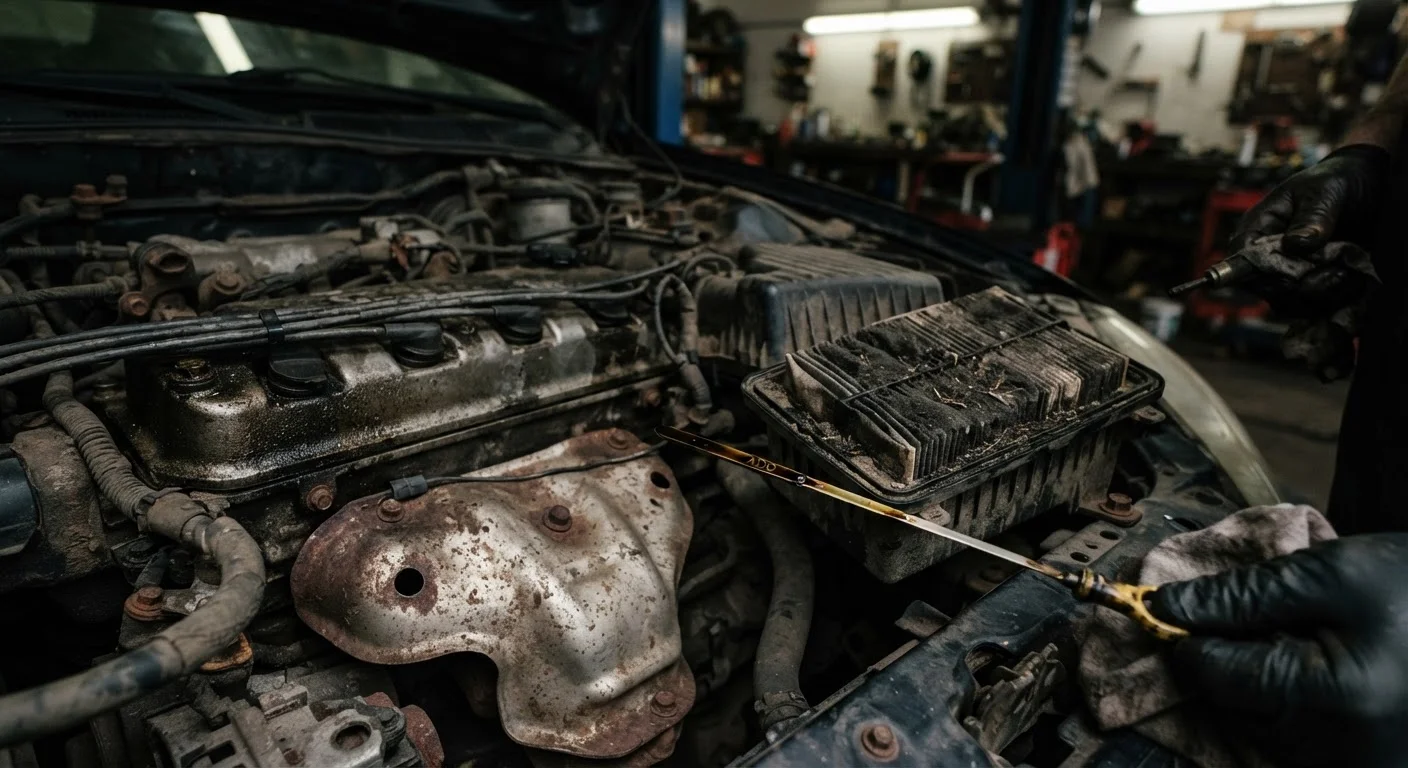
- Engine air filter replacement: Usually a matter of unclipping a housing, swapping the filter, and snapping it back. No special tools required.
- Wiper blade replacement: Most blades attach with a simple clip mechanism. Detailed instructions are often printed on the packaging.
- Cabin air filter: Typically located behind the glove box or under the dashboard. Replacement is usually tool-free.
- Exterior bulbs: Turn signals, brake lights, and some headlight bulbs can be replaced with basic hand tools. Always check your manual — some modern vehicles have complex housings that complicate this.
- Tire pressure checks and inflation: A digital tire gauge and a quality air compressor are all you need. This is something every driver should do regularly.
- Battery terminal cleaning: Corrosion on battery terminals can cause starting problems. Cleaning them with a wire brush and a baking soda solution is straightforward — just disconnect the negative cable first.
These tasks won't cover every situation. Vehicle designs vary significantly, and what's simple on one car may be involved on another. Always cross-reference your owner's manual before starting.
Reduces routine maintenance costs over time
Tasks like air filter swaps and wiper replacements cost a fraction of shop labor rates when done at home. These savings add up meaningfully over years of ownership.
Builds familiarity with your own vehicle
Regularly working on your car helps you notice changes in condition, sounds, or appearance that might otherwise go undetected until a problem worsens.
Flexible timing on your own schedule
You're not waiting for an appointment or sitting in a waiting room. Simple maintenance can be done on a weekend morning in your own driveway.
Straightforward tasks require minimal tools
Many DIY-safe jobs need only a screwdriver, a wrench set, and your owner's manual — tools most drivers can reasonably own without a large upfront investment.
Jobs Better Left to a Professional
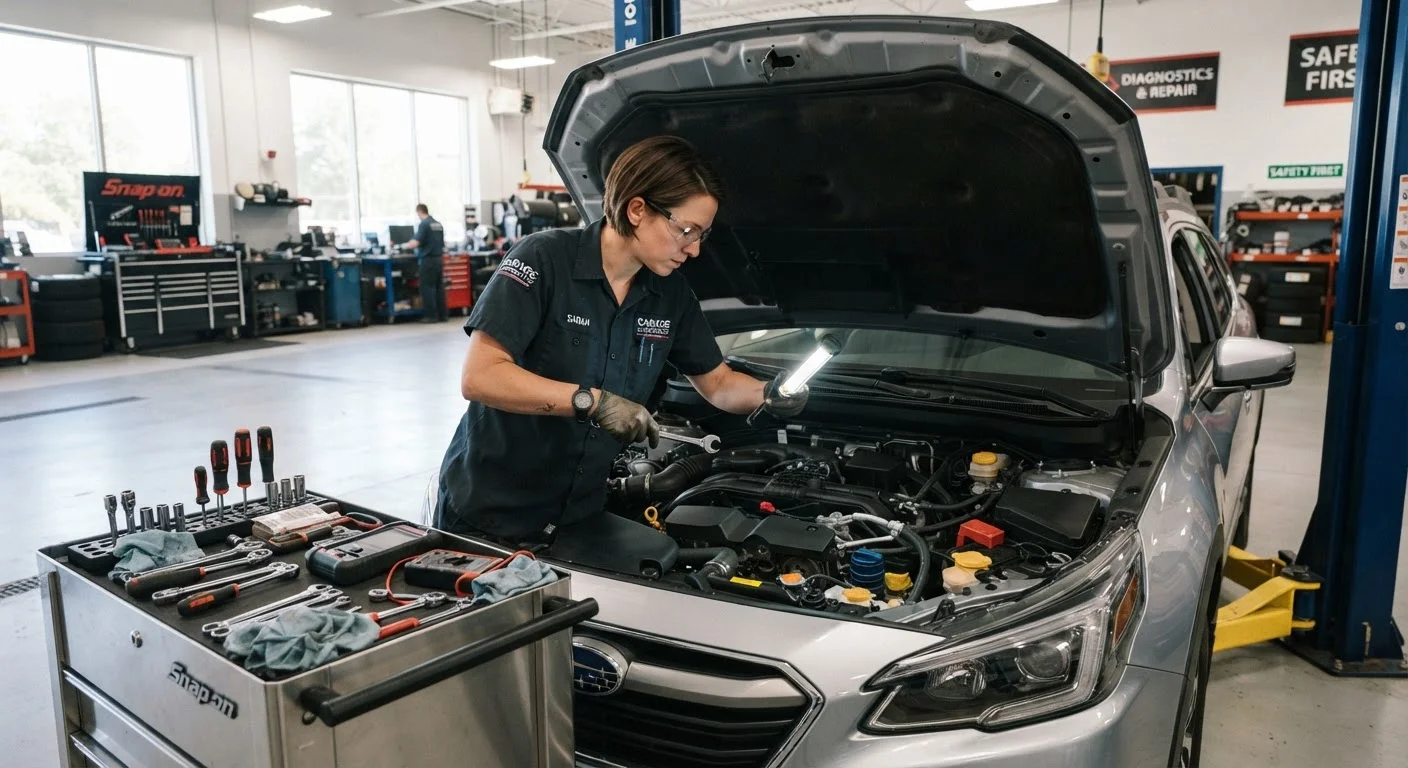
Other maintenance areas carry real consequences if something goes wrong. These are jobs where professional training, proper lift equipment, and calibrated tools make a meaningful difference:
- Brake system work: Replacing brake pads and rotors sounds manageable, but mistakes — wrong torque specs, improper bleeding of brake lines, or a missed wear indicator — can lead to brake failure. This is a safety-critical system.
- Suspension and steering components: Ball joints, tie rods, and control arms affect how your car handles and stops. Improper installation can cause unpredictable handling or component failure at highway speeds.
- Fuel system repairs: Working around fuel lines, injectors, or the fuel tank involves flammable vapors and pressurized components. Without proper precautions, the risk of fire or injury is real.
- Transmission service beyond fluid changes: Internal transmission work requires specialized tools and expertise. An error can result in a repair bill far exceeding what you'd have paid a shop.
- Airbag system (SRS) components: Airbag systems store electrical charge even when the battery is disconnected. Accidental deployment during DIY work can cause serious injury.
Skipping professional service on these systems isn't just a mechanical risk — it can affect other drivers and passengers too. See driver safety fundamentals for more on how vehicle condition connects to road safety.
Mistakes on safety systems carry serious consequences
Errors involving brakes, steering, or suspension don't just risk car damage — they can create dangerous conditions for you and other drivers. There's no margin for trial and error on these systems.
DIY work can miss underlying issues
A professional inspection often surfaces problems beyond the task at hand. Doing your own maintenance means you may not catch a developing issue until it becomes a larger repair.
Tool and equipment costs can offset savings
Some jobs that appear DIY-friendly require specialty tools — a torque wrench, an OBD-II scanner, or a floor jack with proper stands — that add cost if you don't already own them.
Warranty and insurance implications vary
Depending on your vehicle's age and coverage, improper DIY repairs may affect warranty claims. Keeping records and using the right parts matters if this applies to your situation.
The Real Costs and Benefits of Going DIY
DIY maintenance has genuine advantages, but it also comes with tradeoffs that aren't always obvious upfront.
~35%
Share of car owners who perform some DIY maintenance
Industry surveys consistently find that roughly one in three vehicle owners handles at least some basic maintenance tasks themselves, most commonly fluid checks and filter replacements.
$100–$150
Typical shop labor cost for a standard oil change service
Depending on oil type and location, professional oil change services vary widely; doing it yourself with the correct materials can cost considerably less, though disposal of used oil requires care.
One underappreciated factor is the risk of deferred problems. When a professional inspects your car, they often catch issues you weren't looking for. A DIY oil change doesn't come with that second set of eyes. For a look at how small oversights compound over time, see the lifetime cost of skipping routine maintenance.
It's also worth understanding that some maintenance intervals and requirements shift with the seasons. Seasonal car maintenance covers which checks matter most as temperatures swing — and several of them fall squarely in the safe-to-DIY category.
Check Your Owner's Manual First
Every vehicle has specific maintenance requirements, torque specifications, and fluid types that differ by make, model, and model year. What's straightforward on one vehicle can be complicated on another. Your owner's manual is the single most reliable source for your specific car — use it before starting any task, even one that seems simple.
Finally, before every drive — regardless of who does your maintenance — a quick pre-trip check is worth building into your routine. The pre-drive safety check takes just a few minutes and catches problems before they become emergencies.