
Why Skipped Maintenance Costs More Than the Service Itself
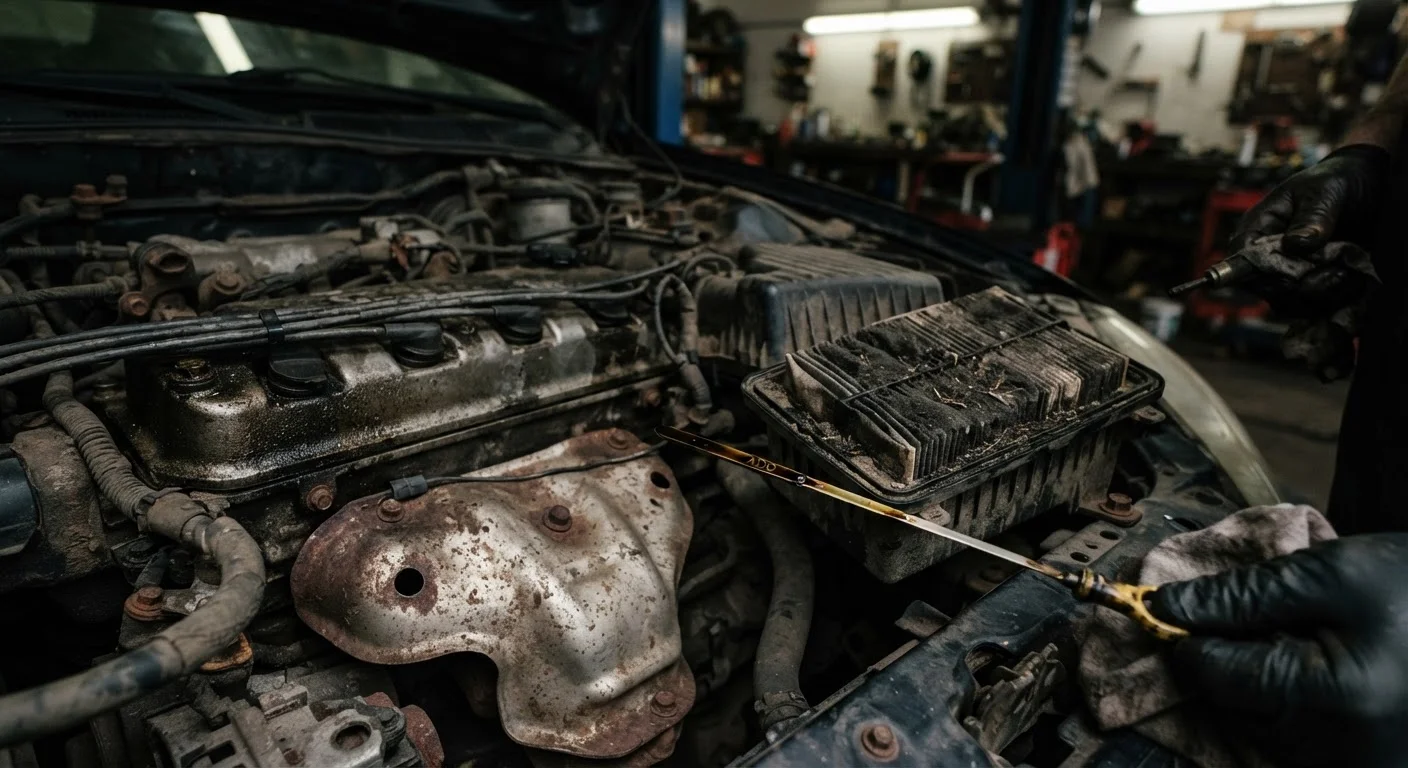
A $60 oil change feels optional when money is tight. But engine oil that breaks down from overuse stops lubricating moving metal parts effectively. The result can be accelerated wear on engine components — and eventually, premature engine failure. Replacing an engine can run several thousand dollars. The math rarely favors skipping the oil change.
This is the core mechanic behind deferred maintenance: small, predictable costs get pushed forward in time and return as large, unpredictable ones. It happens across nearly every system in a vehicle — brakes, coolant, transmission fluid, tires, belts, and filters all follow the same pattern. See our full breakdown of mileage intervals and service types to understand exactly what each service does and when it's due.
Understanding why drivers skip maintenance is just as important as understanding the cost. Time, inconvenience, and short-term budget pressure are real barriers. But so is a lack of information about what's actually at stake. The mistakes below are the ones that quietly do the most damage.
Common Maintenance Mistakes and How to Avoid Them
Delaying oil changes past the manufacturer's recommended interval.
Why it happens: Oil changes feel like a discretionary expense, and modern oil life monitoring systems sometimes give drivers a false sense of security about how much buffer they have.
Ignoring brake pad wear until metal-on-metal grinding begins.
Why it happens: Brake pads wear gradually, and the early warning signs — light squealing or slightly longer stopping distances — are easy to dismiss as normal.
Never flushing or replacing coolant on schedule.
Why it happens: Coolant is invisible under normal conditions, so it's out of sight and out of mind for most drivers. Many people don't realize it degrades chemically over time.
Skipping transmission fluid changes because the transmission seems to be working fine.
Why it happens: Transmission problems often develop slowly, and drivers assume a smooth-shifting transmission needs no attention. Some service facilities under-emphasize it because the job is less visible.
Running tires well past their safe tread depth to avoid replacement cost.
Why it happens: Tires are expensive, and tread wear is gradual enough that drivers adapt without noticing the reduced grip — until conditions demand it.
It's worth noting that not every piece of automotive advice you'll hear is grounded in fact. Some well-intentioned habits — like changing oil every 3,000 miles regardless of manufacturer guidance — can actually lead you to overspend without benefit. Separating maintenance myths from reality can help you spend where it actually matters.
Building Maintenance Into Your Budget Before It's an Emergency
The most reliable way to avoid deferred maintenance is to treat it as a fixed, predictable expense — because it largely is. A vehicle driven 12,000–15,000 miles per year will need oil changes, tire rotations, brake inspections, and air filter replacements on a fairly consistent schedule. Estimating annual maintenance costs ahead of time and setting that money aside monthly prevents the "I can't afford it right now" moment that leads to skipped service.
Creating a dedicated budget category for vehicle upkeep is one of the most underused personal finance moves for car owners. It keeps maintenance from competing with monthly bills when a service interval arrives.
Deferred Maintenance Can Void Your Warranty
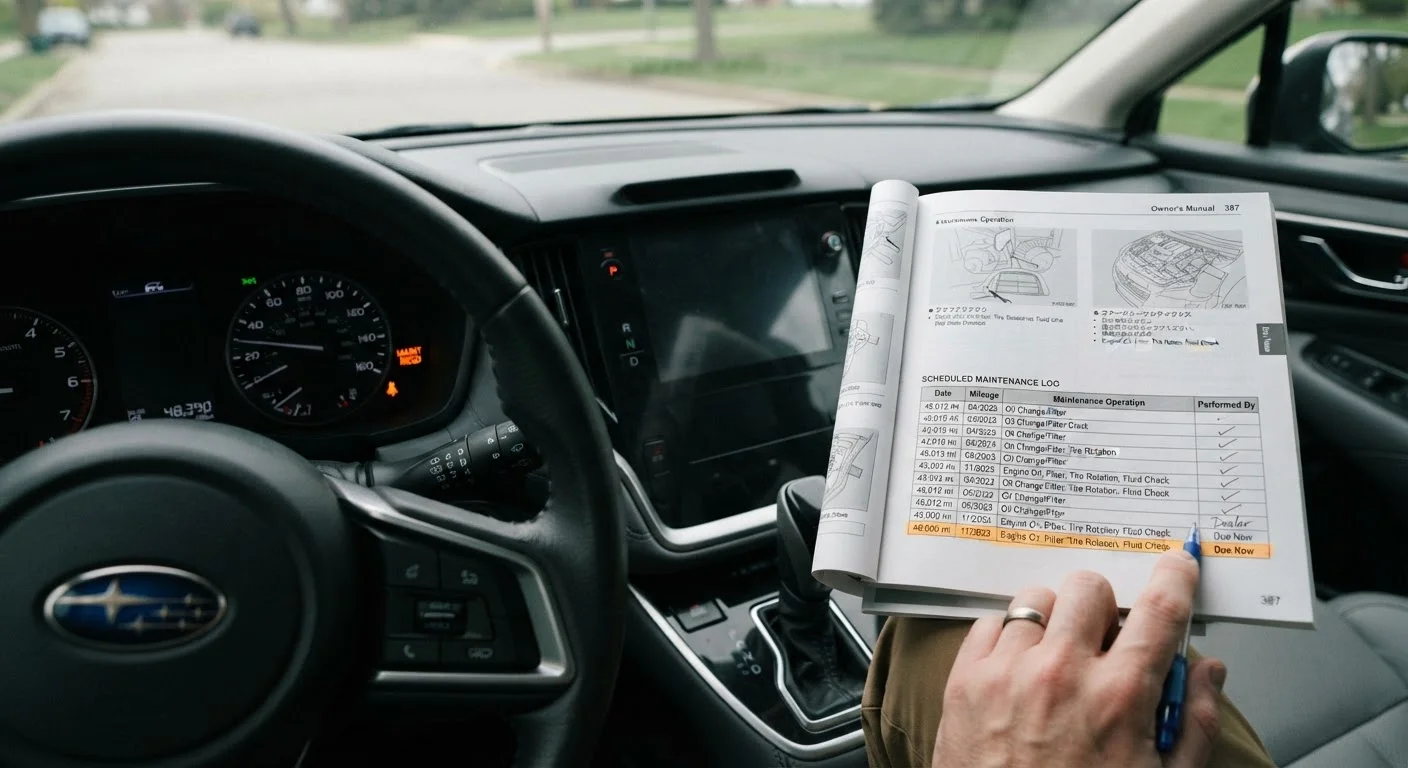
If your vehicle is still under a manufacturer or extended warranty, skipping documented service intervals can give the warranty provider grounds to deny related claims. Keep receipts and service records for every maintenance visit. A gap in documentation can be as costly as the skipped service itself.
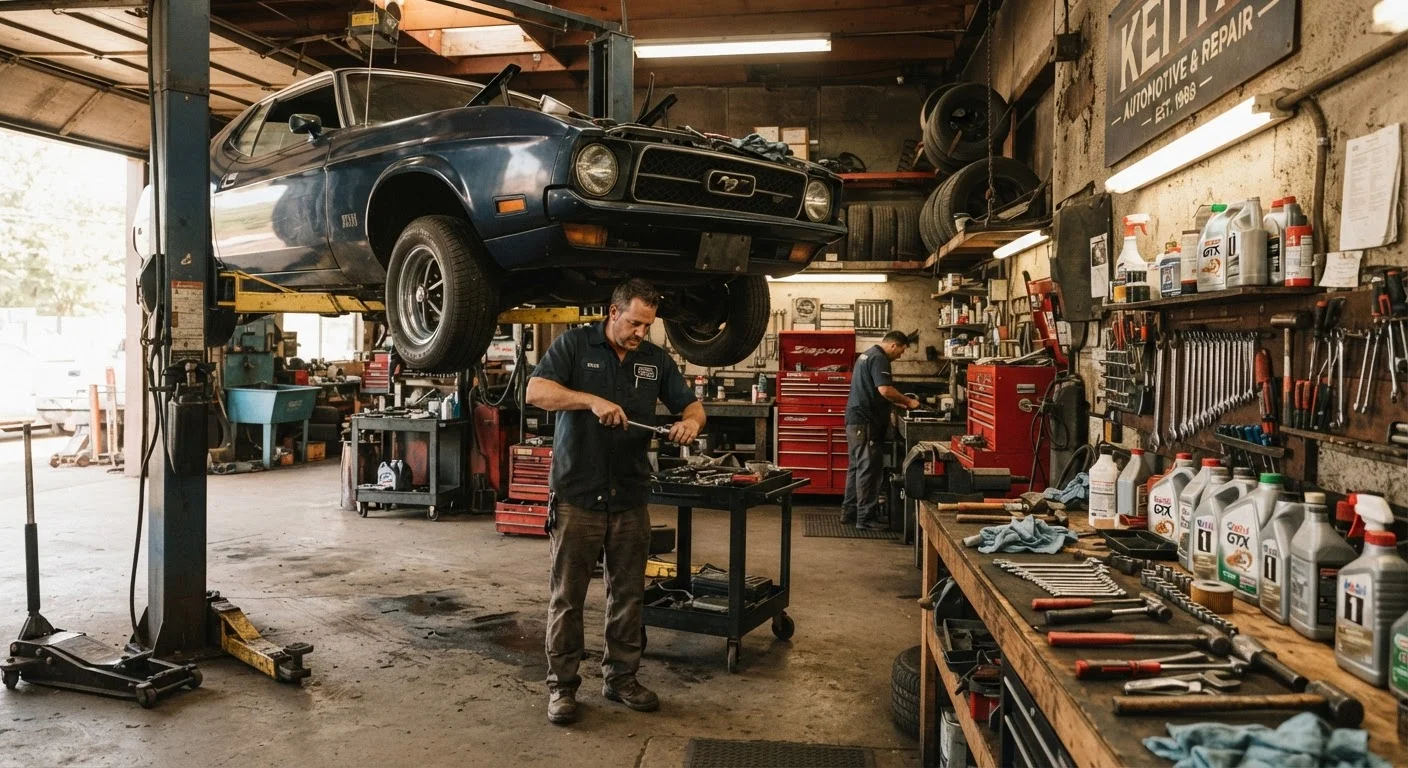
For tasks you're considering handling yourself, it's important to know the limits. Some jobs are straightforward for any driver; others carry real risk without proper tools. Attempting the wrong repair incorrectly can turn a manageable cost into a larger one — or create a safety issue.
Consistent maintenance also protects resale value. A vehicle with documented service history commands more confidence from buyers and typically fetches a higher price. Skipped service doesn't just cost you in repairs — it can cost you when it's time to sell or trade in.