
How Maintenance Schedules Are Structured
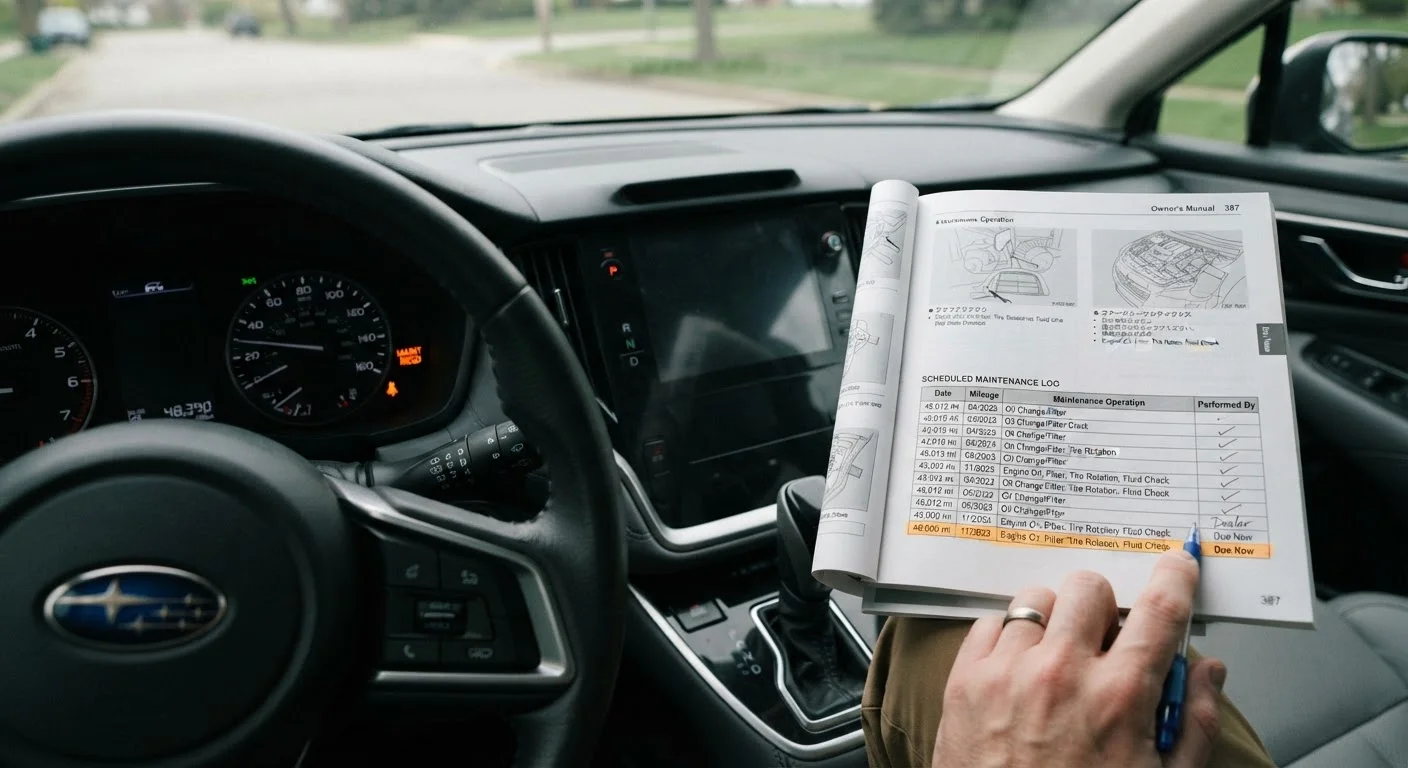
Most maintenance schedules are built around two things: mileage milestones and time intervals. A typical entry might read "every 5,000 miles or 6 months — whichever comes first." That dual structure exists because vehicle components degrade even when a car sits unused. Rubber seals dry out. Oil breaks down from heat cycles and moisture, regardless of how many miles you've driven.
Schedules generally group services into tiers. Frequent, lower-mileage intervals — say, every 5,000 to 7,500 miles — cover routine items like oil and filter changes. Intermediate intervals, often around 15,000 to 30,000 miles, add tasks like cabin air filter replacement and tire rotation checks. Major service milestones at 30,000, 60,000, or 90,000 miles typically include a broader inspection and replacement of components with longer service lives, such as spark plugs, coolant, and transmission fluid.
It's worth knowing that these schedules are vehicle-specific. A compact sedan's schedule will look different from a pickup truck's, especially if that truck is used for towing. Always reference your owner's manual rather than relying on generic advice.
What Gets Serviced and Why It Matters
Here's a plain-language breakdown of the most common maintenance items and what they protect:
- Engine oil and filter: Oil lubricates moving parts and absorbs heat. Dirty or depleted oil leads to increased friction and, over time, engine damage.
- Tire rotation: Tires wear unevenly depending on their position. Regular rotation extends tire life and keeps handling balanced.
- Air filter (engine): A clogged air filter restricts airflow to the engine, which can reduce power and fuel efficiency.
- Brake fluid: Brake fluid absorbs moisture over time, which lowers its boiling point and reduces braking effectiveness — a safety concern.
- Coolant (antifreeze): Keeps the engine from overheating in summer and freezing in winter. Degraded coolant can cause corrosion inside the cooling system.
- Transmission fluid: Lubricates the gearbox. Low or dirty fluid can cause rough shifting and long-term transmission wear.
- Spark plugs: Worn plugs reduce combustion efficiency, causing misfires, poor fuel economy, and hard starting.
- Timing belt or chain: This is a critical component — if it fails, engine damage is often severe. Replacement intervals vary widely by manufacturer.
For a deeper look at what changes based on the season, see our guide to seasonal car maintenance.
~$0.09/mile
Average vehicle maintenance cost per mile
The American Automobile Association (AAA) has estimated routine maintenance costs for average drivers at roughly this level, though actual figures vary by vehicle type and driving habits.
7,500–10,000 mi
Typical oil change interval for synthetic oil
Many automakers now specify extended oil change intervals for vehicles using full synthetic motor oil — a notable shift from older 3,000-mile guidance.
30,000–90,000 mi
Range for major service milestones
Major service intervals vary widely by manufacturer and model; always consult your specific owner's manual rather than assuming a universal threshold.
Normal vs. Severe Driving Conditions
One detail many drivers overlook: manufacturers publish two schedules — one for normal driving and one for severe conditions. If your daily routine fits the severe category, following the normal schedule may leave your vehicle underserviced.
Conditions typically classified as severe include:
- Frequent trips of five miles or less (the engine doesn't fully warm up, which accelerates wear and allows moisture buildup in the oil)
- Extended idling or heavy stop-and-go traffic
- Driving in extreme heat or cold
- Regular towing, hauling, or off-road driving
- Operating in dusty or sandy environments
If several of those apply to you, check the severe-duty schedule in your manual and plan service accordingly. And if you've ever wondered whether some maintenance intervals are more marketing than necessity, our breakdown of common car maintenance myths separates fact from fiction.
Keeping Records and Protecting Your Warranty
Following your maintenance schedule only helps you if you can prove it. Warranty claims, resale negotiations, and diagnosing repeat problems all depend on having a clear service history. Save every receipt, note the mileage and date, and store them in one place — whether that's a folder in the glove box or a phone photo album.
A well-kept log also helps you spot patterns. If a mechanic replaces the same part twice in a year, that's worth investigating. For more on what to document and how, see our guide to keeping a vehicle maintenance log.
Warranty coverage is another reason to stay on schedule. Manufacturers can deny warranty claims if they determine that neglected maintenance contributed to a failure. You don't have to use a dealership for routine work — independent shops qualify — but documentation is essential. Our full warranty and maintenance obligations guide explains exactly what your coverage requires.
Finally, before attempting any routine task yourself, know where the line is between safe DIY and work better left to a qualified mechanic. Our DIY car maintenance guide covers which jobs are approachable and which carry real risk without the right tools or training.