
What a Car Warranty Actually Covers
A vehicle warranty is a written promise from a manufacturer — or sometimes a dealer — that certain parts or systems will be repaired or replaced if they fail under normal use within a defined period. The key word is certain. Warranties do not cover everything, and many drivers discover the fine print only when something goes wrong.
Most factory warranties cover defects in materials or workmanship. That means if a part fails because it was made or assembled incorrectly, the repair should be covered. Wear-and-tear items — brake pads, tires, wiper blades — are generally excluded because they are expected to deteriorate with normal use.
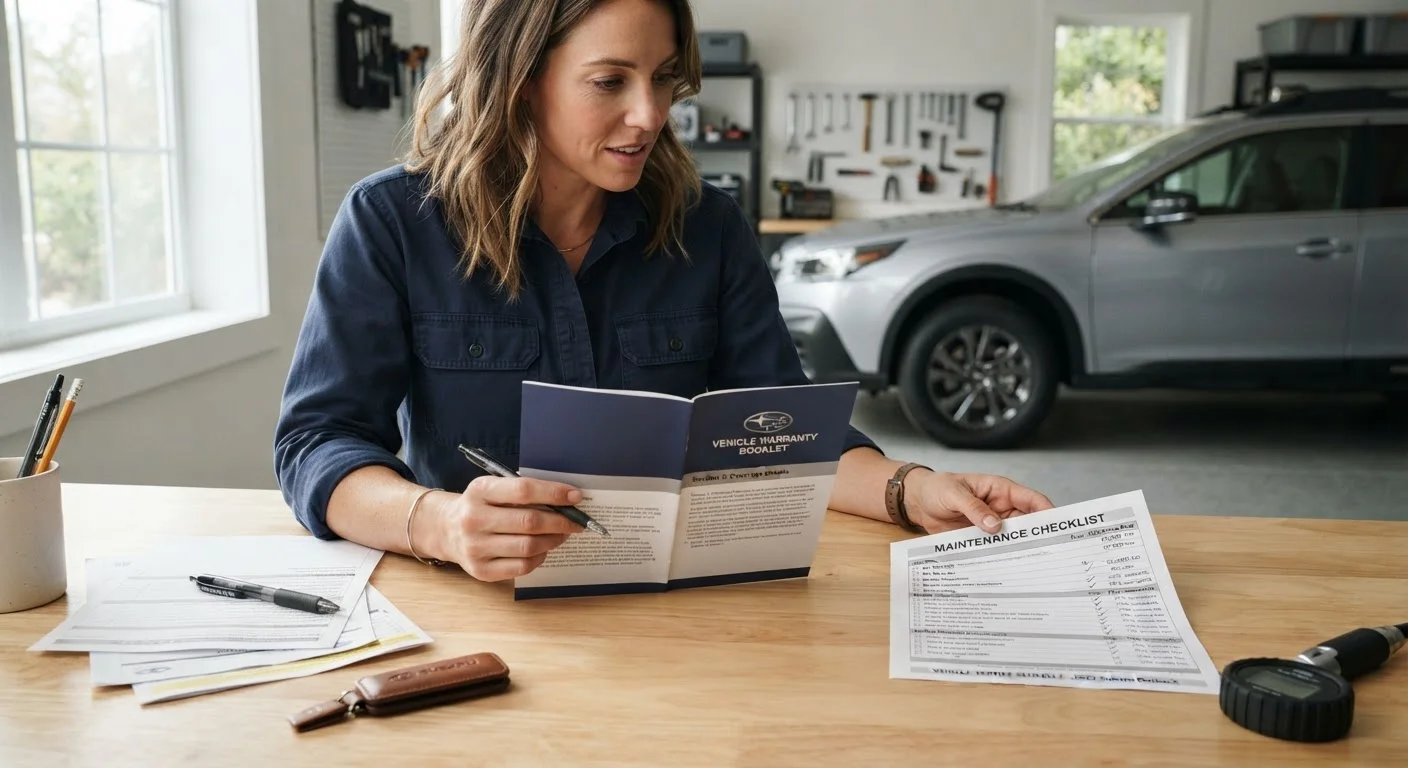
Before assuming something is covered, read your warranty booklet directly. It will specify covered components, any deductibles, and what the manufacturer considers normal wear.
Types of Warranties You May Have
New vehicles typically come with multiple overlapping warranties:
- Bumper-to-bumper (comprehensive) warranty: Covers most vehicle components, excluding wear items. Common terms range from 3 years/36,000 miles to 5 years/60,000 miles, whichever comes first.
- Powertrain warranty: Covers the engine, transmission, and drivetrain — typically for a longer period than bumper-to-bumper coverage.
- Emissions warranty: Federally required; covers emissions-related components for specific mileage thresholds.
- Corrosion/rust warranty: Covers perforation from rust, often for 5 to 7 years.
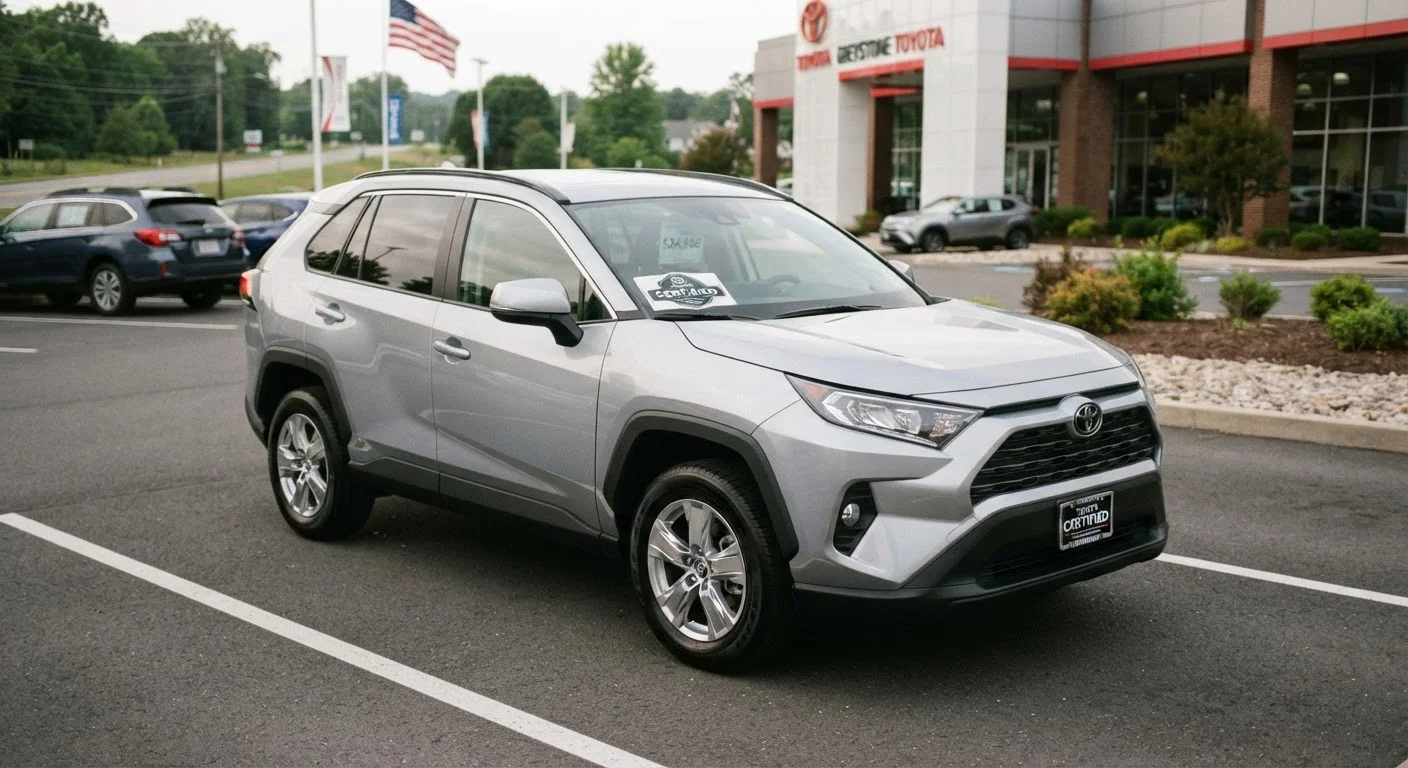
If you purchased a certified pre-owned vehicle, you may also have a manufacturer-backed CPO warranty. The specifics vary considerably between programs — see our guide on what CPO programs actually guarantee for a closer look.
Extended warranties — sometimes called vehicle service contracts — are separate products sold by dealers or third parties. They are not the same as factory warranties and carry their own terms, exclusions, and claims processes.
Read your warranty booklet within the first week of ownership, not when something breaks. Note the mileage and time limits for each coverage type and set calendar reminders before they expire.
Most drivers only open the warranty booklet when they have a problem, which is too late to understand what was required of them. Early familiarity prevents accidental coverage lapses.
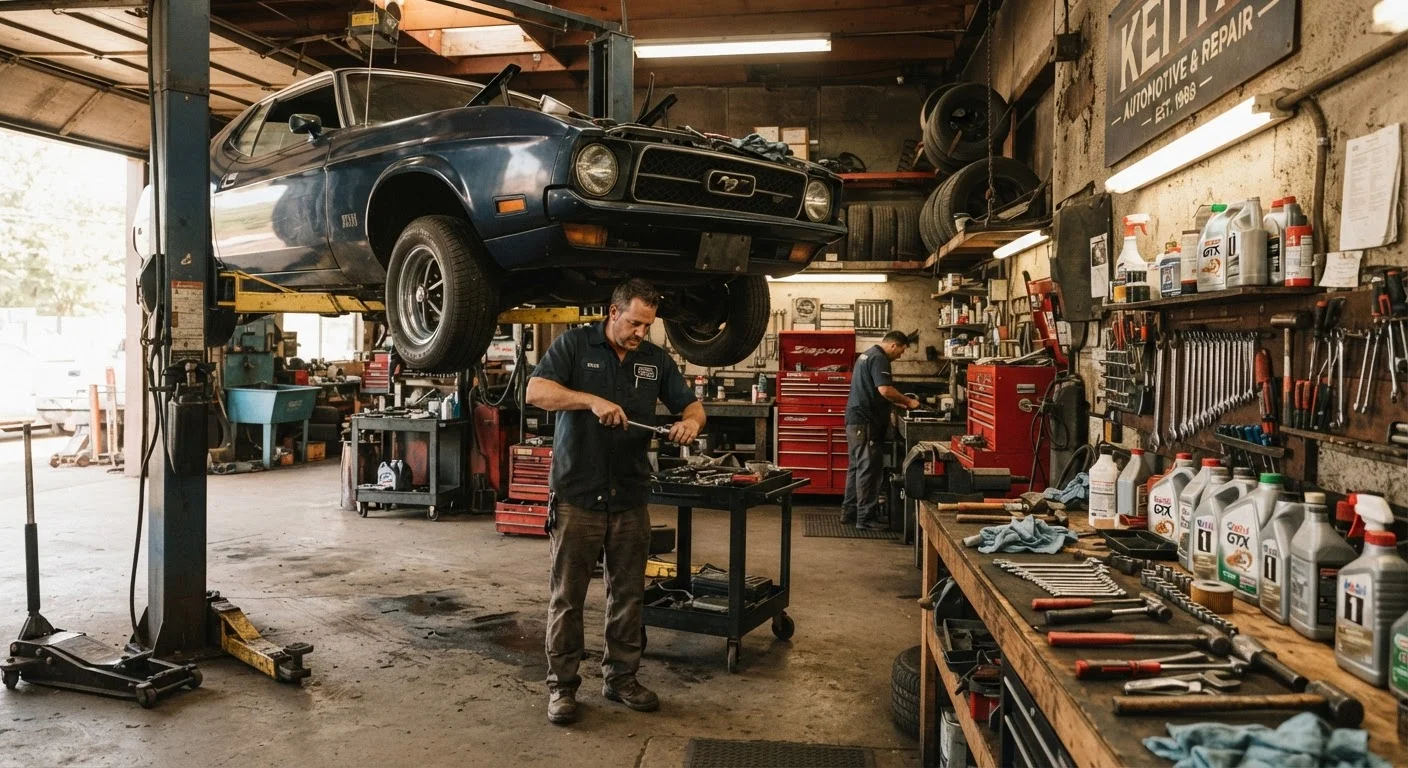
When an independent shop services your car, ask them to note the mileage and specific fluids or parts used on the invoice. That detail matters if a manufacturer later tries to argue an improper service caused a failure.
Specificity in service records closes the gap a manufacturer needs to dispute coverage. A vague "oil change" receipt is weaker than one listing fluid grade, filter part number, and technician notes.
What Your Warranty Requires You to Do
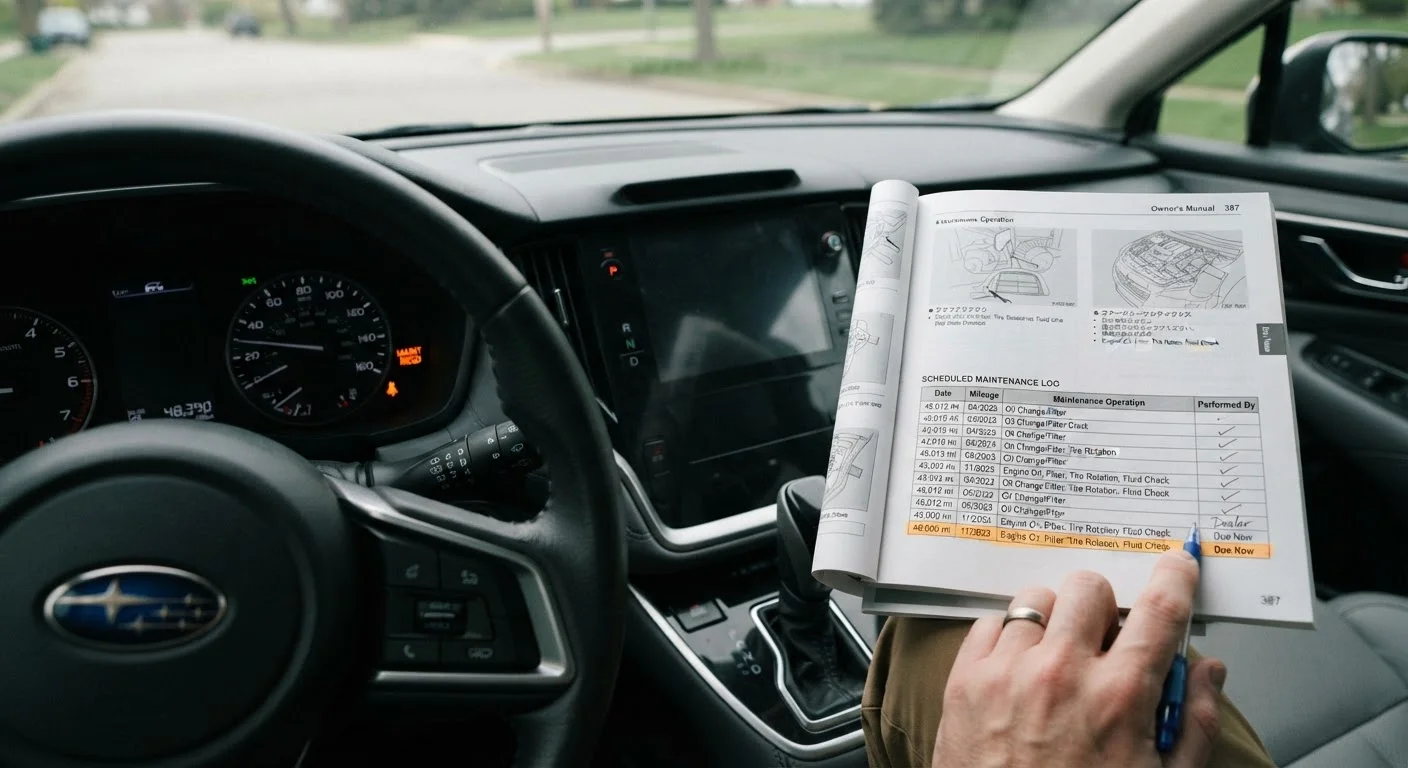
Warranties are not unconditional. Manufacturers require owners to follow a scheduled maintenance program as a condition of coverage. This typically means performing oil changes, fluid checks, filter replacements, and other services at the intervals listed in your owner's manual.
A common misunderstanding: you do not have to take your car to a dealership for routine maintenance in order to keep your factory warranty valid. Under the Magnuson-Moss Warranty Act (a federal consumer protection law), a manufacturer generally cannot void your warranty simply because you had an independent shop do an oil change — provided the work was done correctly and with appropriate parts.
For a clear breakdown of what those mileage intervals actually mean for your vehicle, our maintenance schedule guide explains each service type in plain language.
What matters is that the maintenance was performed and that you can document it. Keep every receipt, every shop invoice, and every record of parts purchased.
What Can Void Your Warranty Coverage
Certain actions can give a manufacturer legitimate grounds to deny a warranty claim. Common examples include:
- Neglected scheduled maintenance: If a dealer can show that a failure resulted directly from a skipped service (for example, an engine problem tied to documented oil change neglect), a claim may be denied for that related repair.
- Misuse or abuse: Using the vehicle in ways not consistent with its design — such as off-road use on a vehicle not rated for it, or towing beyond the stated capacity.
- Unauthorized modifications: Significant structural or mechanical changes, such as engine tuning that alters factory settings, can void coverage for affected systems.
- Incorrect fluids or parts: Using fluids or components that do not meet manufacturer specifications, which then cause damage.
Aftermarket parts alone — meaning parts made by companies other than the original manufacturer — do not automatically void a warranty. However, if an aftermarket part causes a component to fail, the manufacturer may deny the claim for that specific failure. The burden of proving the connection is on the manufacturer, not on you.
It is worth reviewing common car maintenance myths to avoid practices that could inadvertently put your coverage at risk.
How Service Records Protect You
If a warranty dispute arises, your service records are your primary evidence. A dated, itemized receipt showing what was done, when, and at what mileage creates a paper trail that is difficult to dismiss.
Good records to keep include:
- Shop invoices from any service center (dealer or independent)
- Receipts for parts and fluids if you did work yourself
- Oil change stickers or digital service summaries from quick-lube shops
- Any manufacturer recall or technical service bulletin documentation
Organizing these in one folder — physical or digital — takes minimal effort and can make a significant difference if a claim is ever challenged. Our article on keeping a vehicle maintenance log covers practical systems for staying organized without added hassle.
Service records also support your vehicle's resale value and help identify recurring issues before they become expensive failures.
Your Rights Under Federal Law
The Magnuson-Moss Warranty Act gives consumers meaningful protections. In plain terms, it means:
- Warranty terms must be made available to you before purchase.
- A manufacturer cannot require you to use a specific brand of part or service provider simply to maintain warranty coverage — unless that part or service is provided free of charge.
- If a dispute arises, many manufacturers are required to offer an informal dispute resolution process.
If you believe a warranty claim has been wrongfully denied, you have options. Start by documenting everything in writing. Contact the manufacturer's customer relations department directly — dealer-level decisions can sometimes be escalated. If that does not resolve the issue, your state's attorney general office or consumer protection agency may be able to assist.
Understanding these protections before you sign a purchase agreement is also valuable — see our walkthrough of what to do at a dealership before signing for context on reviewing warranty documents as part of the buying process.
This article is for general informational purposes only and does not constitute legal advice. Warranty terms vary by manufacturer and jurisdiction. Consult your warranty documentation and, if needed, a qualified legal professional for guidance specific to your situation.