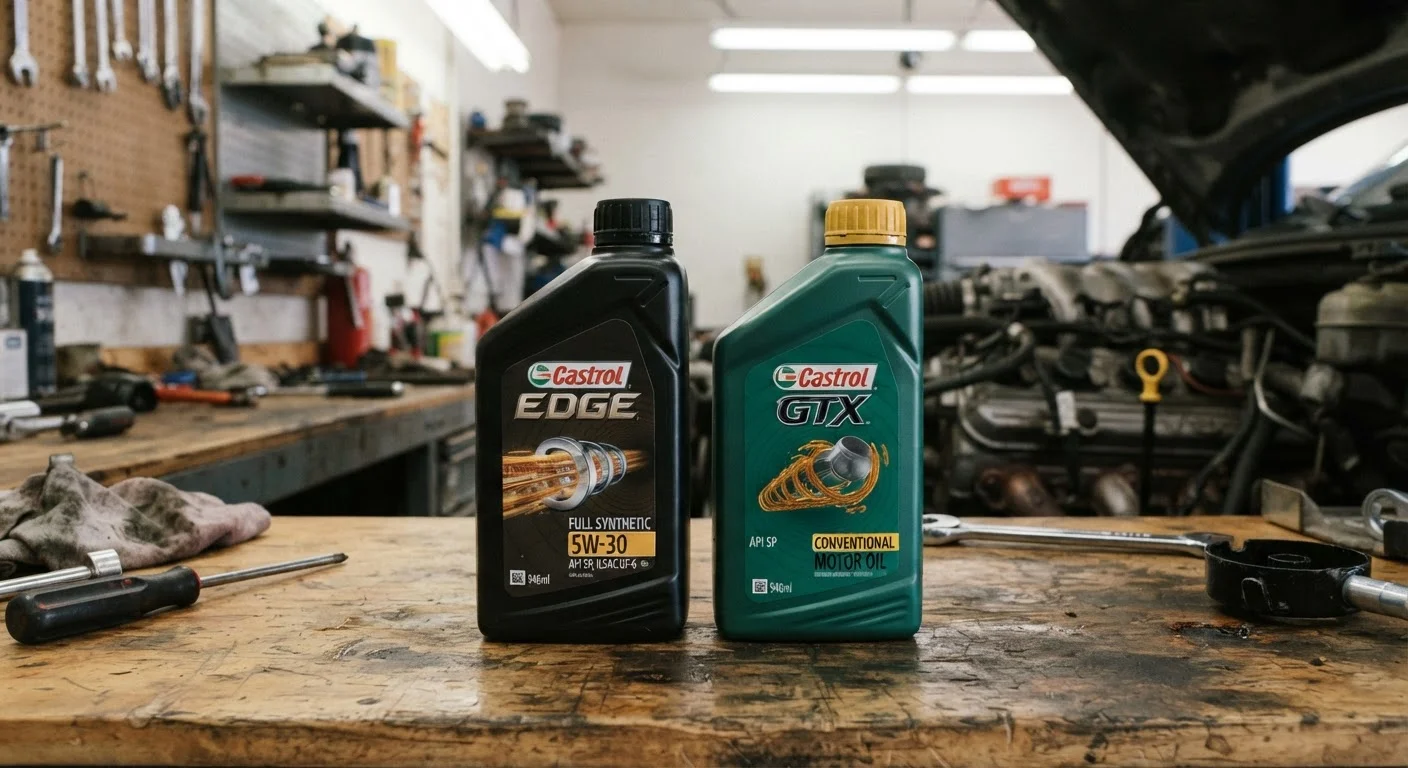

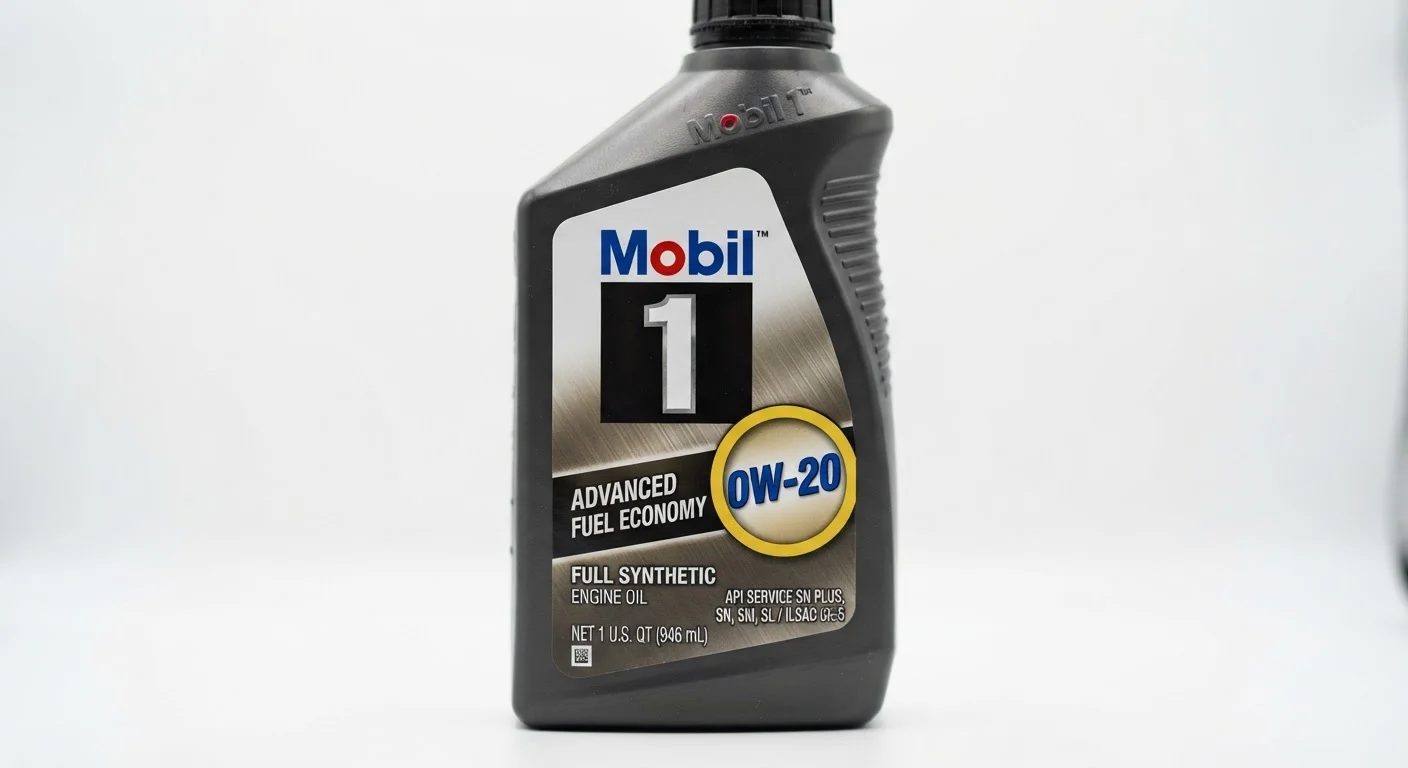
Breaking Down the Numbers: What 5W-30 Actually Means
Flip any bottle of motor oil and you'll see a code like 5W-30, 10W-40, or 0W-20. These aren't random — they're viscosity grades set by the Society of Automotive Engineers (SAE) that tell you exactly how the oil flows at different temperatures.
The number before the W describes cold-weather performance. The W stands for winter, not weight. A lower number here — say, 0W or 5W — means the oil stays thinner and flows more easily when your engine is cold. That's critical, because most engine wear happens in the first few seconds after a cold start, before oil reaches all the moving parts.
The number after the W describes the oil's viscosity at normal operating temperature (roughly 212°F or 100°C). A higher number, like 40 or 50, means the oil is thicker at operating temp. Thicker oil at heat can help maintain a protective film in high-stress engines or hot climates.
So a 5W-30 oil flows easily in cold weather (5W) and maintains a moderate thickness at operating temperature (30). It's one of the most common grades recommended for everyday passenger vehicles in the U.S.
| What the 'W' stands for | Winter — not weight (SAE International viscosity classification system) |
| Cold-start viscosity rating | The number before the W (e.g., 5 in 5W-30) |
| Operating-temp viscosity rating | The number after the W (e.g., 30 in 5W-30) |
| Standard operating temp for viscosity testing | 212°F (100°C) (SAE J300 standard) |
| Most common grade for U.S. passenger cars | 5W-30 and 5W-20 |
| Best source for your vehicle's required grade | Your owner's manual or manufacturer specification |
Why Viscosity Matters for Engine Protection
Think of viscosity as oil's resistance to flow. Too thin, and the oil film between metal parts breaks down under pressure — leading to increased wear. Too thick, and the oil struggles to circulate fast enough, especially when cold, leaving parts temporarily unprotected.
Modern multi-grade oils (the kind with a W rating) are engineered to handle both extremes. They use viscosity index improvers — polymer additives that help the oil behave like a thinner oil in the cold and a thicker one when hot. This is what makes a single bottle of oil work reliably across seasons.
Using the wrong viscosity can cause real problems. An oil that's too thick for your engine may not circulate fast enough at startup, increasing wear. An oil that's too thin may not hold up under high heat or heavy loads, allowing metal surfaces to contact each other more directly.
Your owner's manual specifies the viscosity grade your engine was designed for — and following that recommendation is the single most important step you can take. See our car maintenance schedule guide for more on how oil changes fit into your vehicle's overall service intervals.
Choosing the Right Grade for Your Climate and Driving
Climate plays a real role in which viscosity works best. If you live somewhere with harsh winters, a lower cold-weather rating (like 0W or 5W) helps ensure reliable startup protection. In consistently hot climates or for vehicles that tow or haul heavy loads, a slightly higher operating-temp rating (like 40 or 50) may offer additional protection under stress.
However, the most reliable guide is always your vehicle manufacturer's specification — not the climate alone. Many late-model engines are specifically tuned for a low-viscosity oil like 0W-20 or 5W-20 to improve fuel efficiency. Using a heavier oil than specified can actually reduce fuel economy and may stress engine components designed with tight tolerances.
Viscosity grade is also separate from oil type — conventional, synthetic blend, or full synthetic. A 5W-30 synthetic and a 5W-30 conventional oil share the same viscosity rating but behave differently in terms of longevity, temperature stability, and deposit control. For a deeper look at those differences, see our article on synthetic vs. conventional motor oil.
When in doubt, check your owner's manual first. If it's missing, a qualified mechanic or your vehicle manufacturer's website can confirm the right specification for your engine.