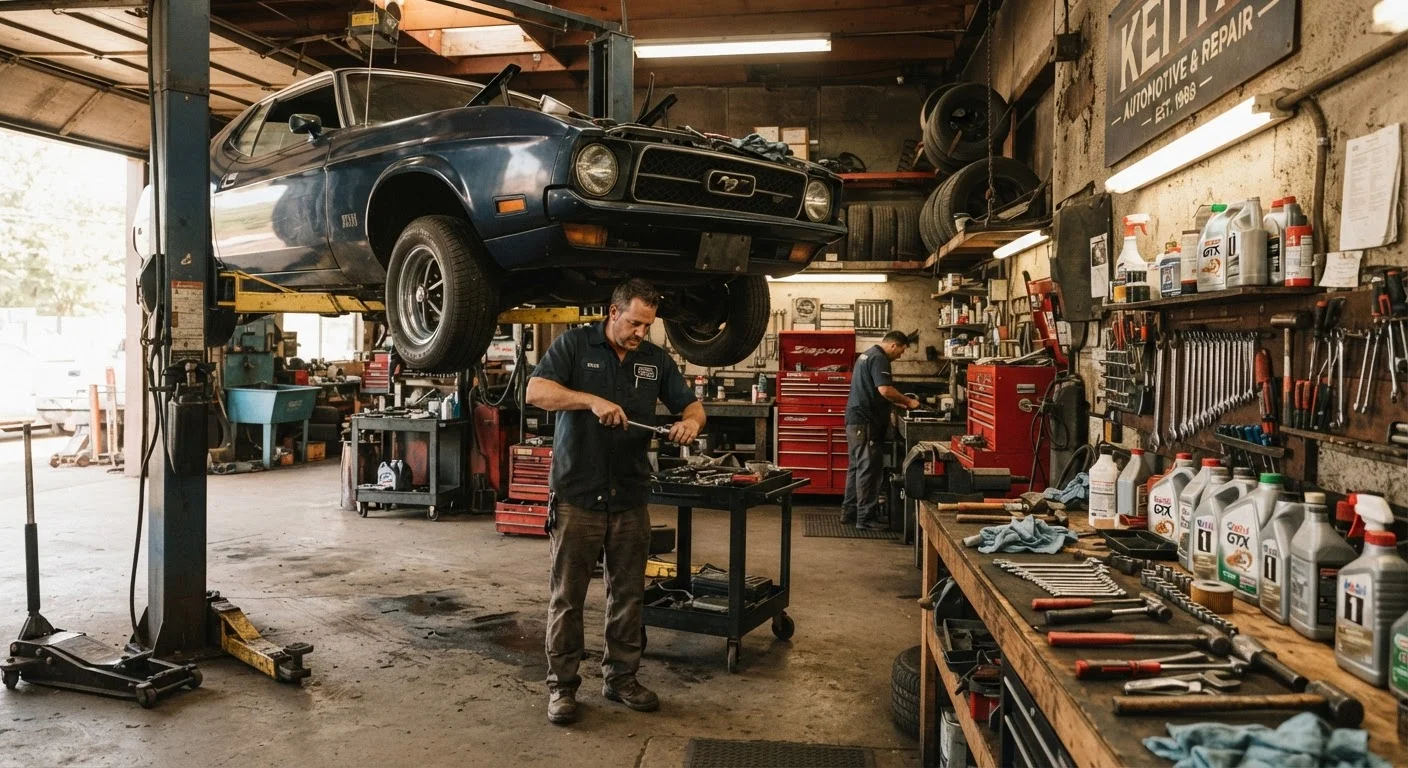

What a Maintenance Log Actually Is
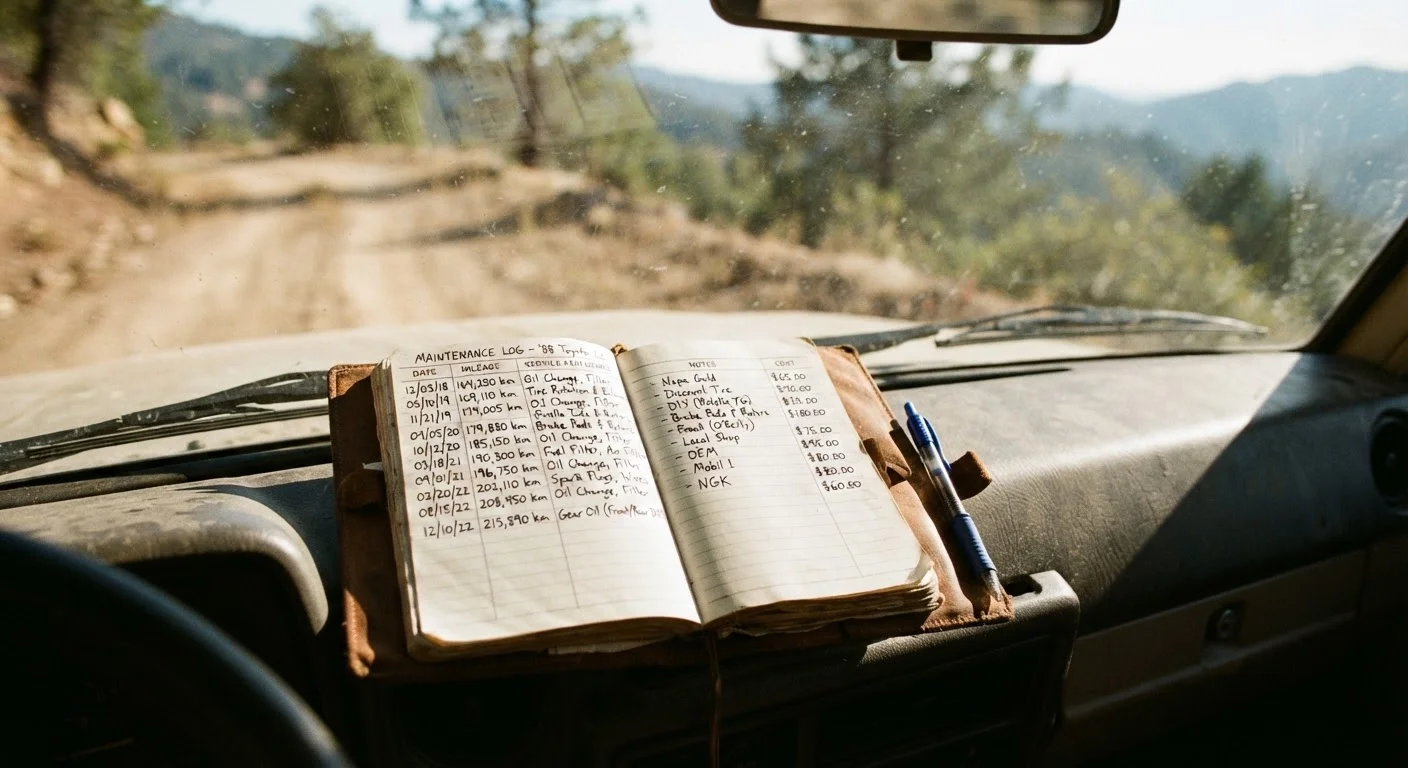
A vehicle maintenance log is a running record of every service, repair, and inspection performed on your car. It can be a notebook in your glove box, a spreadsheet on your phone, or a dedicated app — the format is less important than the habit of keeping it current.
Most drivers think of a service history as something only used-car sellers care about. In reality, a well-kept log is a working tool for the person who drives the vehicle every day. It tells you what was done, when, and by whom — and that information earns its keep every time something goes wrong or a service interval comes due.
Think of it the way you'd think of a medical history. A doctor can treat you better when they know what's happened before. A mechanic — or you — can make smarter decisions about your car when the record is clear.
What to Track in Every Entry
A good log entry doesn't need to be long. At minimum, record these details for every service:
- Date of the service
- Odometer reading (mileage) at the time of service
- Type of service performed (oil change, tire rotation, brake inspection, etc.)
- Parts replaced, including brand or part number if available
- Shop or technician who did the work, or "DIY" if you did it yourself
- Cost, so you can compare over time and budget accurately
- Next service due — mileage or date, whichever comes first
Also note any unusual observations: a noise the mechanic couldn't reproduce, a fluid that looked darker than expected, or a warning light that came and went. These details become useful later if a problem develops further.
If you want guidance on which services to expect at what intervals, your owner's manual is the most reliable source — not what a service advisor suggests in the moment. For more on separating routine needs from upsells, see our article on common car maintenance myths.
Why the Log Pays Off
Log every service at the time it happens, not weeks later from memory.
Details like exact mileage, parts used, and technician notes fade quickly. Recording immediately means the entry is accurate and complete, which matters if you ever need to reference it for a warranty claim or recurring problem.
Record both the date and the odometer reading for every entry.
Some service intervals are time-based (e.g., every 12 months), others are mileage-based (e.g., every 7,500 miles), and many are whichever comes first. Tracking both gives you the full picture and prevents missed intervals.
Note symptoms and observations, not just completed services.
A noise, a smell, or an unusual fluid color that gets recorded today becomes a data point if the same issue resurfaces in six months. Mechanics work more efficiently when you can give them a timeline.
Keep physical receipts or photos alongside your log entries.
Receipts provide an independent, time-stamped record of work performed. They're especially important for warranty disputes, where a handwritten note alone may not be considered sufficient documentation.
Review your log before every major repair or service appointment.
Arriving informed helps you ask better questions, catch duplicate recommendations, and notice whether a suggested service was already done recently. It also helps the mechanic understand your car's full context.
Beyond organization, a maintenance log serves several practical purposes that directly affect your wallet and your safety.
Warranty protection: If you ever need to make a warranty claim, the manufacturer or dealer may ask for proof that required maintenance was completed on schedule. A log with receipts attached is your evidence. Learn more about what's actually required in our guide to warranty and maintenance obligations.
Pattern recognition: When the same issue shows up twice in your log, that's a signal — not a coincidence. Repeated coolant top-offs, for example, suggest a slow leak rather than normal consumption.
Resale transparency: A documented history sets your vehicle apart from one sold with no records. Buyers — and dealers — respond to proof. And as our article on vehicle history reports explains, third-party reports have real gaps that a personal log can fill.
Building the Habit Without Overthinking It
The biggest barrier to keeping a log isn't complexity — it's getting started and staying consistent. A few practical approaches help.
Keep a simple index card or small notebook in your glove compartment. Right after any service, write down the date, mileage, and what was done. It takes two minutes. If you prefer digital, several free apps let you log services and set reminders by mileage or date.
Attach receipts when you can. A receipt from a shop already captures most of the fields you need, so taping or photographing it does most of the work. For services you do yourself — like checking tire pressure or topping off fluids — a quick note is still worth making.
Pair your log habit with your seasonal checkups. If you're already doing a winter or summer inspection, that's a natural moment to review recent entries and confirm you're on schedule. Our seasonal car maintenance guide walks through what to check at those intervals.
Finally, don't let a gap in the record stop you from starting now. Begin with today's mileage and the most recent service you remember. An imperfect log is more useful than no log at all.