

What a Vehicle History Report Actually Is
A vehicle history report is a compiled record of a car's documented past, pulled from databases that aggregate information from government agencies, insurance companies, auto auctions, and repair shops. You access one by entering a car's VIN — the 17-character code stamped on the dashboard and door frame — into a reporting service.
The report doesn't tell you everything about a car. It tells you what was reported about a car. That distinction matters a lot when you're deciding whether to buy.
| What you need to run a report | The vehicle's 17-digit VIN |
| Common title brands to watch for | Salvage, rebuilt, flood, lemon law buyback, junk |
| Accidents that may not appear | Any collision not reported to an insurer or auction |
| Report vs. inspection | Reports cover documented history; inspections assess current physical condition |
| Open recalls | Most reports flag unresolved safety recalls; verify at NHTSA.gov (NHTSA (National Highway Traffic Safety Administration)) |
| Odometer fraud | Federal law prohibits odometer tampering; mileage discrepancies are a red flag (Federal Odometer Act) |
If you're still weighing whether to pursue a used vehicle at all, see our piece on what the price gap between new and used really means for your budget.
What Reports Typically Include
Most vehicle history reports cover several categories of information. Here's what you can generally expect to find:
- Title records: Whether the car carries a clean title, or has been branded as salvage, rebuilt, flood-damaged, or a lemon law buyback. These flags are significant and can affect insurance coverage and resale value.
- Odometer readings: Recorded mileage at various points — useful for spotting rollbacks, where the odometer has been tampered with to show lower miles than the car actually has.
- Accident and damage history: Collisions reported to insurance companies or noted at auctions. Not all accidents are reported here — more on that below.
- Number of previous owners: How many times the car has changed hands, and sometimes whether it was a personal vehicle, rental, fleet, or lease unit.
- Service and maintenance records: Entries from shops that report to the database, which may include oil changes, inspections, and major repairs.
- Open recalls: Whether the vehicle has any unresolved safety recalls issued by the manufacturer.
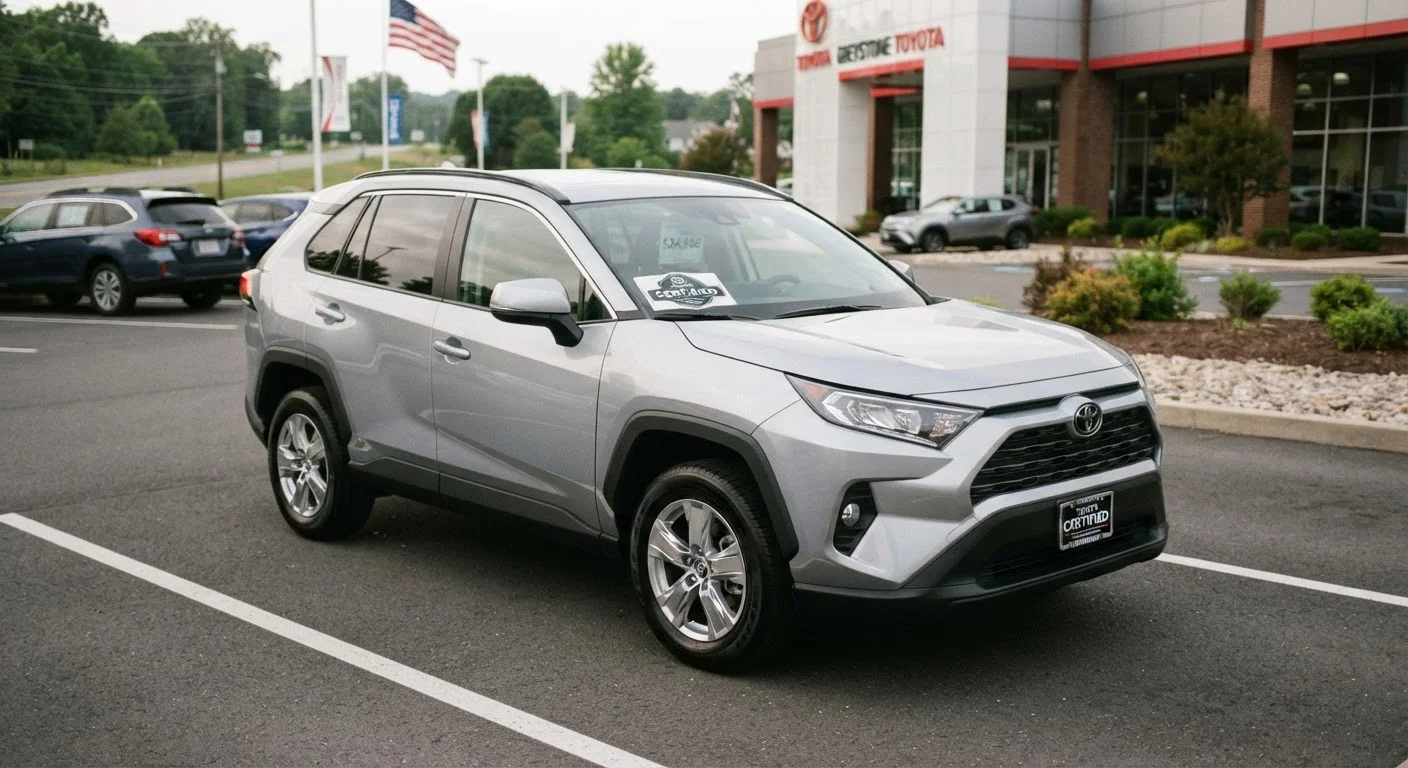
Understanding these categories is also relevant if you're considering a certified pre-owned vehicle, since CPO programs typically screen for title brands and major damage.
The Gaps You Need to Know About
This is where many buyers get tripped up. A clean report doesn't mean a clean car. There are several categories of problems that vehicle history reports commonly miss:
- Unreported accidents: If a seller paid for repairs out of pocket and didn't file an insurance claim, that collision may never appear on the report. Minor fender-benders handled privately often leave no trace.
- Flood damage (partial): Flood-related title brands depend on insurance claims or state agency reports. A car that was damaged in a flood but never submitted to an insurer can pass through the system without a flag.
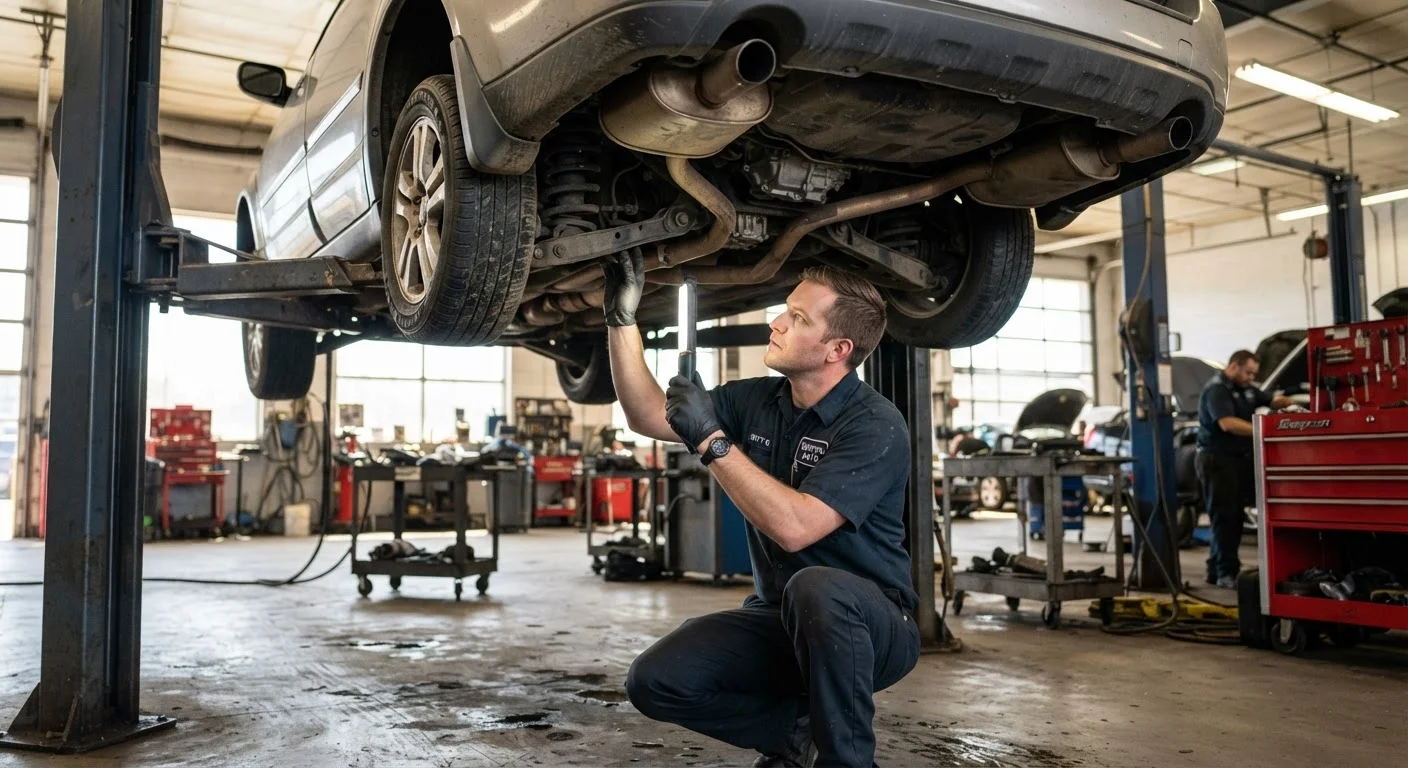
- Mechanical wear and deferred maintenance: Reports don't show whether a timing chain is stretched, brake pads are worn thin, or a transmission is slipping. Condition issues require a physical inspection — not a database query.
- Work done at independent shops or by owners: Many maintenance and repair events never reach a reporting database. A car maintained entirely at a small independent shop may show a sparse service history even if it was well cared for.
- Odometer fraud loopholes: While rollbacks are more difficult than they once were, analog odometer manipulation still occurs in some older vehicles.
This is exactly why a vehicle history report should be treated as a screening tool, not a final verdict. Pair it with a pre-purchase inspection by a qualified mechanic before committing to any used car purchase.
How to Use a Report Effectively
Think of the report as your first filter, not your only one. Here's a practical approach:
- Check for title brands first. Salvage, rebuilt, and flood titles carry real risks and should prompt serious scrutiny — or walking away.
- Compare mileage entries over time. Do the recorded odometer readings make sense given the car's age and reported use? Large gaps or sudden drops are warning signs.
- Look for accident entries and follow up. Ask the seller directly about any incidents shown. Their response tells you as much as the report does.
- Notice what's missing. Thin service records don't necessarily mean neglect, but they warrant a closer physical inspection. A thorough maintenance log kept by the owner can help fill in what the database doesn't show.
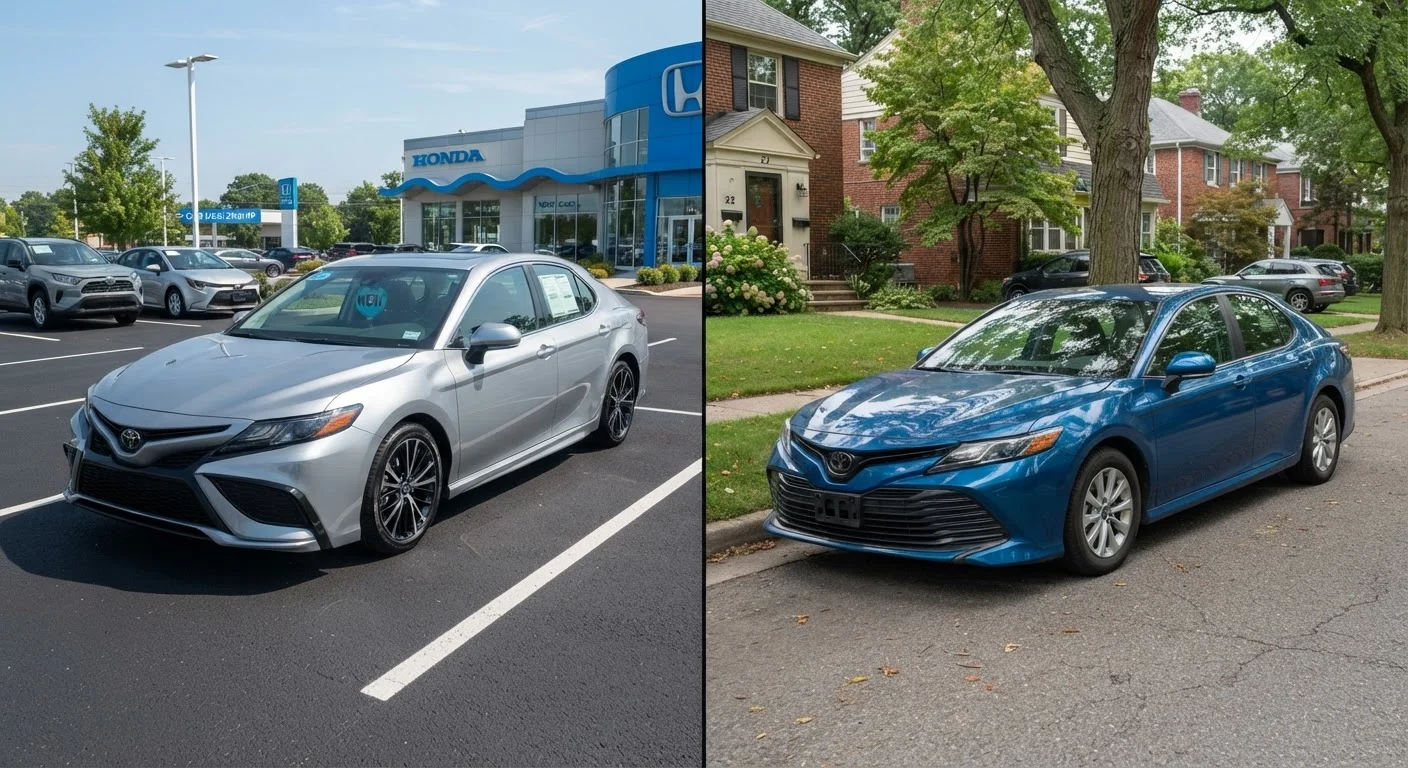
- Factor in the seller context. Where you buy affects what protections you have. Our guide on private sellers versus dealerships covers the trade-offs in detail.
Going in prepared with research habits matters too. See smart habits for researching a car before visiting a dealership for a broader checklist.
VIN
Vehicle Identification Number — a unique 17-character code assigned to every vehicle. It's used to pull history records and verify a car's identity. You'll find it on the dashboard (visible through the windshield), the driver's side door jamb, and on the title.
Salvage Title
A designation given by a state agency when an insurance company declares a vehicle a total loss — typically because repair costs exceed a percentage of the car's value. Salvage-titled cars can sometimes be repaired and retitled, but carry higher risk and can be harder to insure.
Rebuilt Title
A title status assigned to a formerly salvage-titled vehicle that has been repaired and passed a state inspection. It signals the car has had significant prior damage, even if it now functions properly.
Odometer Rollback
Deliberate tampering with a vehicle's odometer to display lower mileage than the car has actually traveled. This is illegal under federal law and can be detected by comparing mileage entries across a vehicle history report.
Open Recall
A safety recall issued by a manufacturer that has not yet been repaired on a specific vehicle. Recalls are performed at dealerships at no cost to the owner, and unresolved ones can pose safety risks.
Title Brand
A permanent notation added to a vehicle's title to disclose a significant event — such as flood damage, salvage status, or a lemon law buyback. Title brands follow the vehicle regardless of how many times it changes hands.