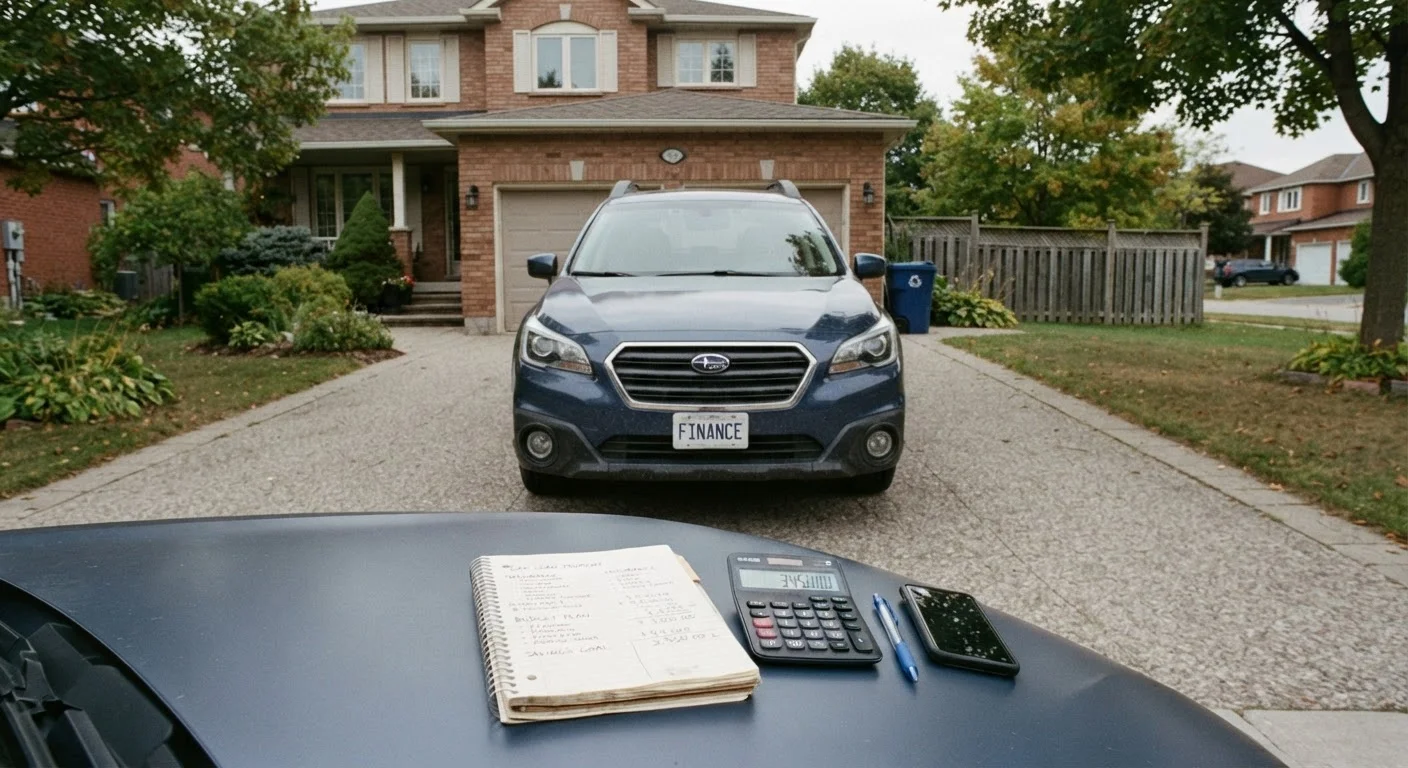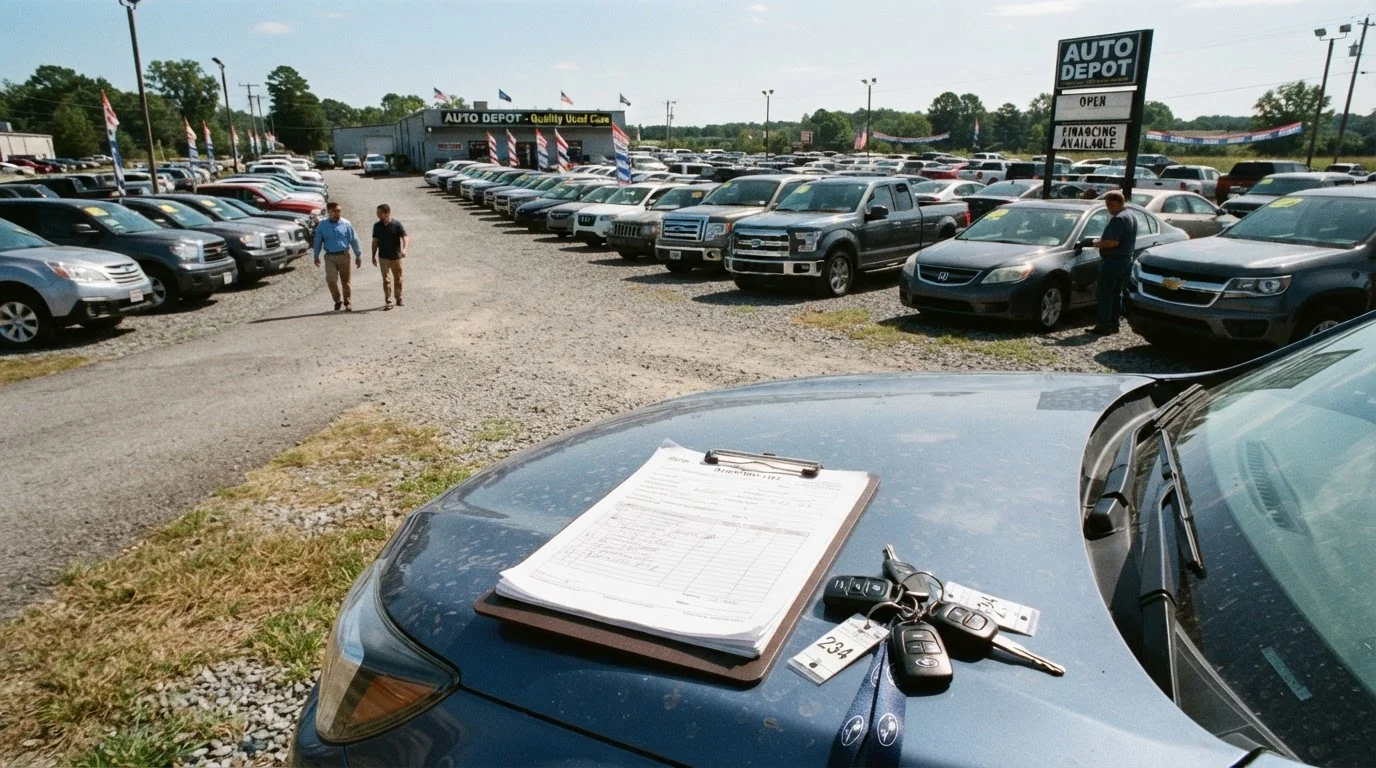

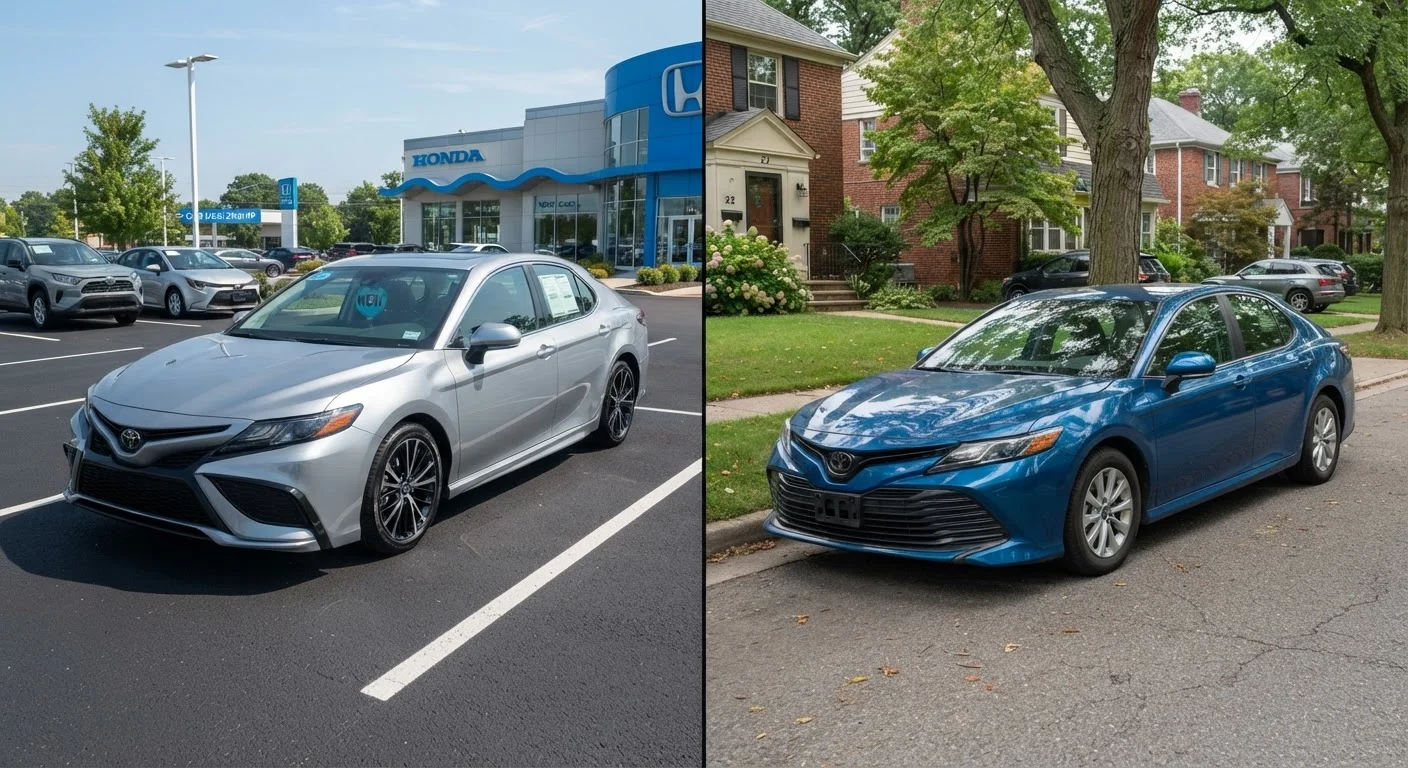
The Depreciation Factor: Where the Real Money Goes
Depreciation — the loss in a vehicle's value over time — is the single biggest cost most car owners never directly pay out of pocket, yet it quietly eats into their finances every year. A new car can lose roughly 20% of its value within the first year alone, and often another 10–15% in years two and three. That means a $35,000 vehicle could be worth around $22,000 to $25,000 by year three, depending on the model and market conditions.
When you buy used, you're letting a previous owner absorb that steepest portion of the curve. A three-year-old vehicle that originally sold for $35,000 might now be priced around $22,000–$24,000 — and from that point, depreciation slows considerably. If you plan to sell or trade in after a few years, starting from a lower baseline means you give up less value during your ownership window.
Understanding this math is critical before you sign anything. See our full breakdown of total ownership costs to put depreciation alongside fuel, insurance, and maintenance in one picture.
| Criterion | New Car | Used Car |
|---|---|---|
| Purchase price | Full market price | Post-depreciation price |
| Depreciation risk | Highest in year 1–3 | Slower, already absorbed |
| Typical loan APR | Lower (often 4–6%) | Higher (often 7–11%) |
| Warranty coverage | Full factory warranty | Limited or expired |
| Repair cost certainty | High (warranty covers most) | Lower — varies by age/mileage |
| Safety technology | Latest available | Depends on model year |
| CPO option available | No | Yes, on qualifying vehicles |
Financing, Interest Rates, and What Lenders Actually Charge
New cars typically qualify for lower annual percentage rates (APRs) on auto loans. Lenders see a new vehicle as lower-risk collateral because its value is well-established and it carries a factory warranty. Used car loans, by contrast, often carry APRs that are two to five percentage points higher, depending on your credit profile and the vehicle's age.
That difference adds up. On a $20,000 used car loan at 9% APR over 60 months, you'd pay roughly $4,900 in interest. The same balance at 5% APR — a rate more typical of new car financing — would cost about $2,600 in interest. The used car's lower sticker price may still win out overall, but the gap shrinks more than many buyers expect.
Run the full numbers before committing. A lower price doesn't automatically mean lower total cost when interest rates diverge significantly. Our guide to the car buying process walks through how to evaluate financing offers at every stage.
Warranties, Repairs, and the Risk You're Taking On
A new car typically comes with a bumper-to-bumper warranty covering most components for three years or 36,000 miles, plus a powertrain warranty (engine, transmission, drivetrain) that can extend to five years or 60,000 miles or longer. During that period, most major repairs are covered at no out-of-pocket cost to you.
Used cars are a different story. Depending on the vehicle's age and mileage, the original warranty may have expired entirely. A repair that costs $1,500 on a used car effectively widens the gap between what you paid and what you've spent — fast. Certified pre-owned (CPO) vehicles, which go through a manufacturer-approved inspection and come with an extended warranty, offer a middle-ground option worth considering if repair risk is a concern.
What 'Certified Pre-Owned' Actually Means
A certified pre-owned (CPO) vehicle has passed a manufacturer-approved multi-point inspection and typically comes with an extended limited warranty backed by the automaker — not just the dealership. CPO programs vary by manufacturer, so read the specific terms carefully. They generally offer more peace of mind than a standard used car purchase, though the purchase price is usually higher to reflect that added protection.
Also factor in that older vehicles can be more expensive to insure if they lack modern safety features like automatic emergency braking or lane-departure warnings — or conversely, cheaper to insure because their replacement value is lower. It varies by model and coverage type. Check with your insurer before finalizing a choice. For a closer look at surprise costs, see our piece on hidden costs that flip the math on apparent bargains.
Making the Right Call for Your Situation
There's no universal answer here. A new car is not always wasteful, and a used car is not always the smart move. What matters is matching the decision to your actual financial situation — your monthly cash flow, your risk tolerance for repairs, how long you plan to keep the vehicle, and how much you'll be driving.
If you're buying used, you'll also face a secondary decision: private seller or dealership. Each option carries its own trade-offs on price, protection, and paperwork. Our article on private seller vs. dealership trade-offs breaks that down clearly. And if you already own a vehicle you're thinking of trading in, be prepared: trade-in values often come in lower than sellers expect, and understanding why helps you negotiate more effectively.
Whichever direction you lean, treat the sticker price as just the starting point. Build out the full cost picture — loan interest, insurance, expected maintenance, and depreciation over your ownership horizon — before deciding what your budget can actually support.