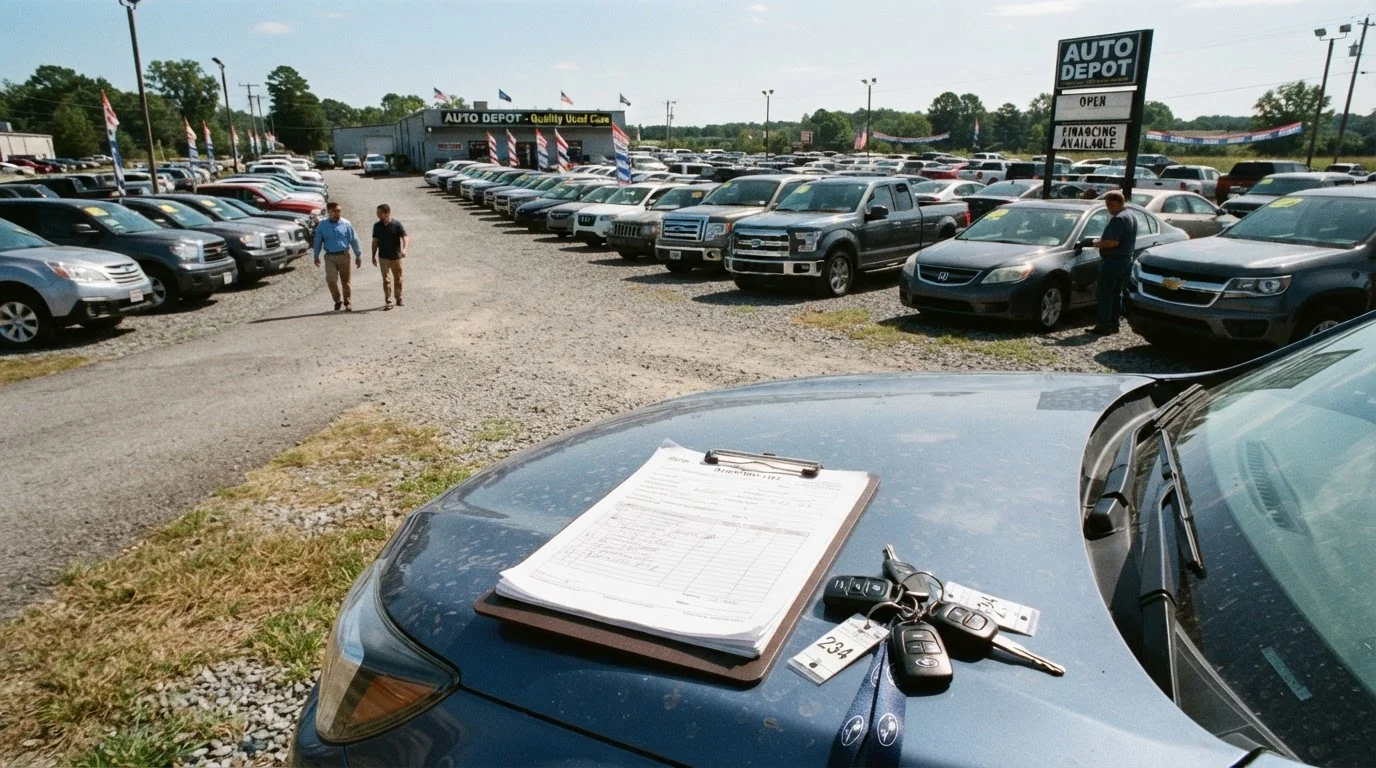

Why the Sticker Price Is Only the Starting Point
When most people budget for a car, they focus on the purchase price and the monthly payment. That's understandable — those are the biggest numbers on the page. But the full cost of owning a vehicle includes several recurring expenses that can easily add $500 to $1,000 or more per month on top of your loan payment, depending on your situation.
Understanding these costs upfront helps you avoid a common trap: buying a car you can technically afford to purchase but can't comfortably afford to own. Before signing anything, read through the full car buying process so you know what to expect at every stage.
The Main Cost Categories You Need to Estimate
Insurance
Auto insurance is often the second-largest ownership expense after the loan itself. Rates vary widely based on your age, driving history, location, the vehicle's value, and the coverage level you carry. A newer or more expensive vehicle typically requires comprehensive and collision coverage, which costs more than a basic liability-only policy.
Fuel
To estimate annual fuel cost, divide your expected annual mileage by the vehicle's combined MPG rating, then multiply by the average price per gallon in your area. A vehicle rated at 25 MPG driven 12,000 miles per year consumes about 480 gallons annually. At $3.50 per gallon, that's roughly $1,680 per year — just in fuel.
Maintenance and Repairs
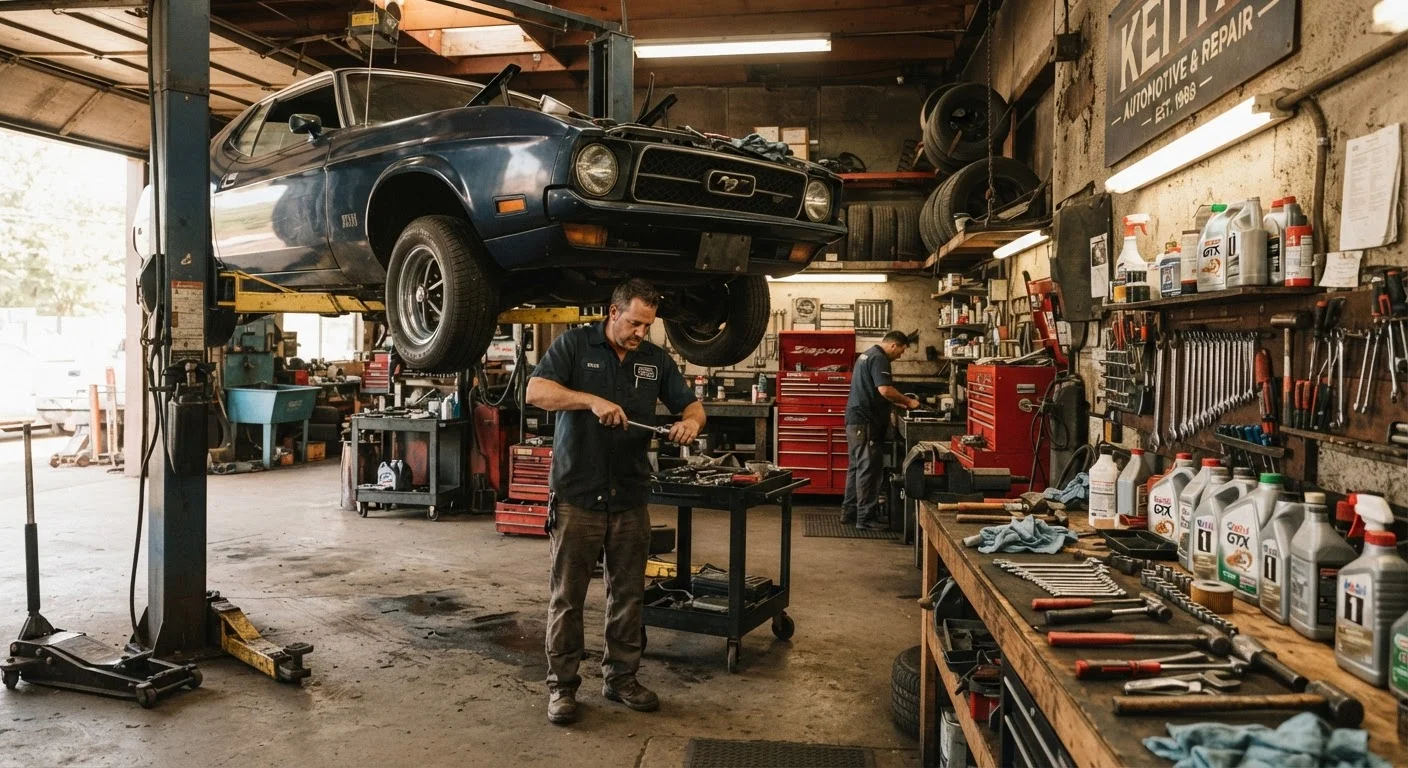
Routine maintenance — oil changes, tire rotations, brake pads, filters, and scheduled service — runs most drivers somewhere between $500 and $1,200 per year under normal conditions. Older vehicles or those with higher mileage tend to require more frequent and more expensive repairs. It's worth checking what common ownership issues exist for any specific vehicle type before you buy. Our article on common car maintenance myths also covers which upkeep expenses are actually necessary versus oversold.
Registration and Taxes
Annual registration fees and any applicable property taxes vary significantly by state. Some states charge a flat fee; others base it on the vehicle's value or weight. Budget at least a few hundred dollars annually and verify the actual rate in your state before buying.
Depreciation
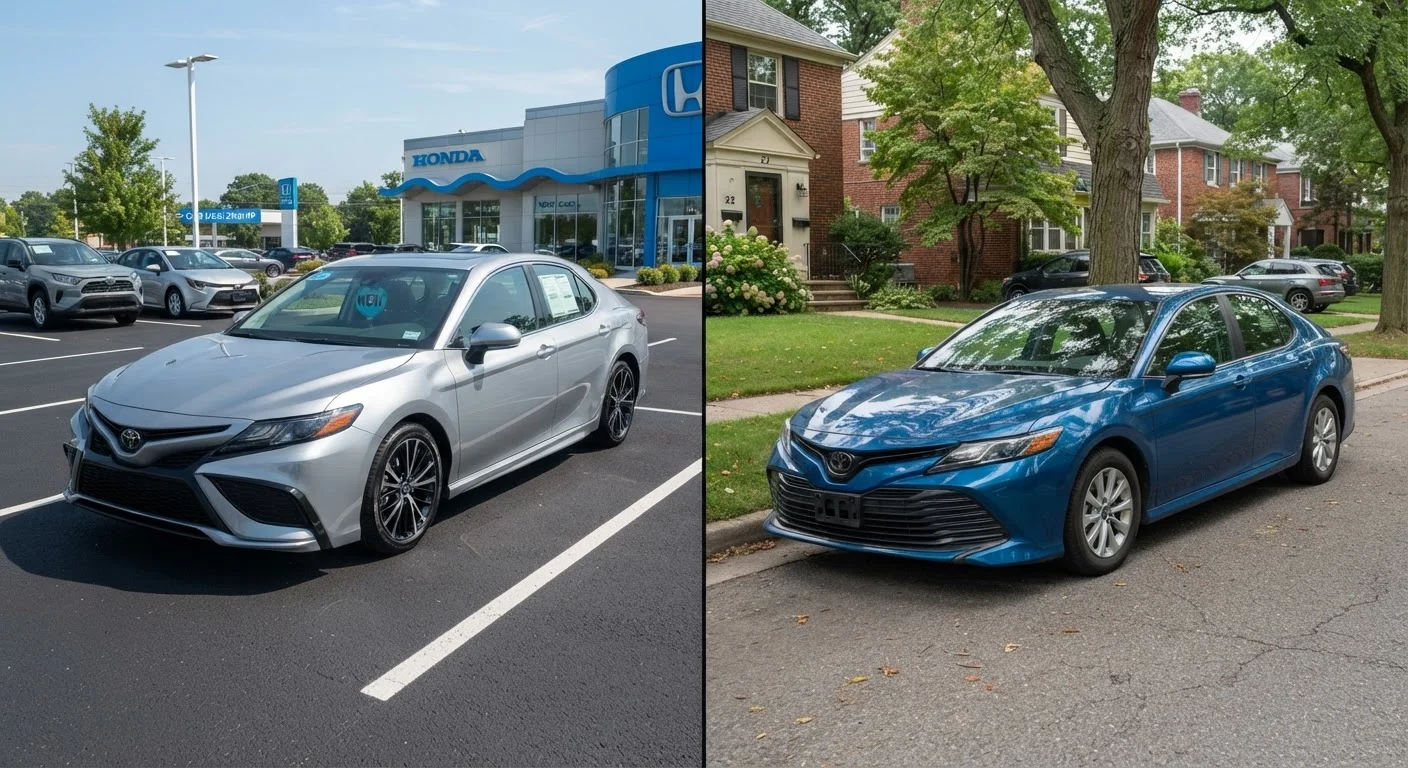
Depreciation — the loss in a vehicle's value over time — is the largest hidden cost of car ownership for most people. New vehicles can lose a significant portion of their value in the first few years. This matters most if you plan to sell or trade in the vehicle later. The depreciation math shifts considerably between new and used vehicles, and it's worth understanding before you commit.
Putting It All Together
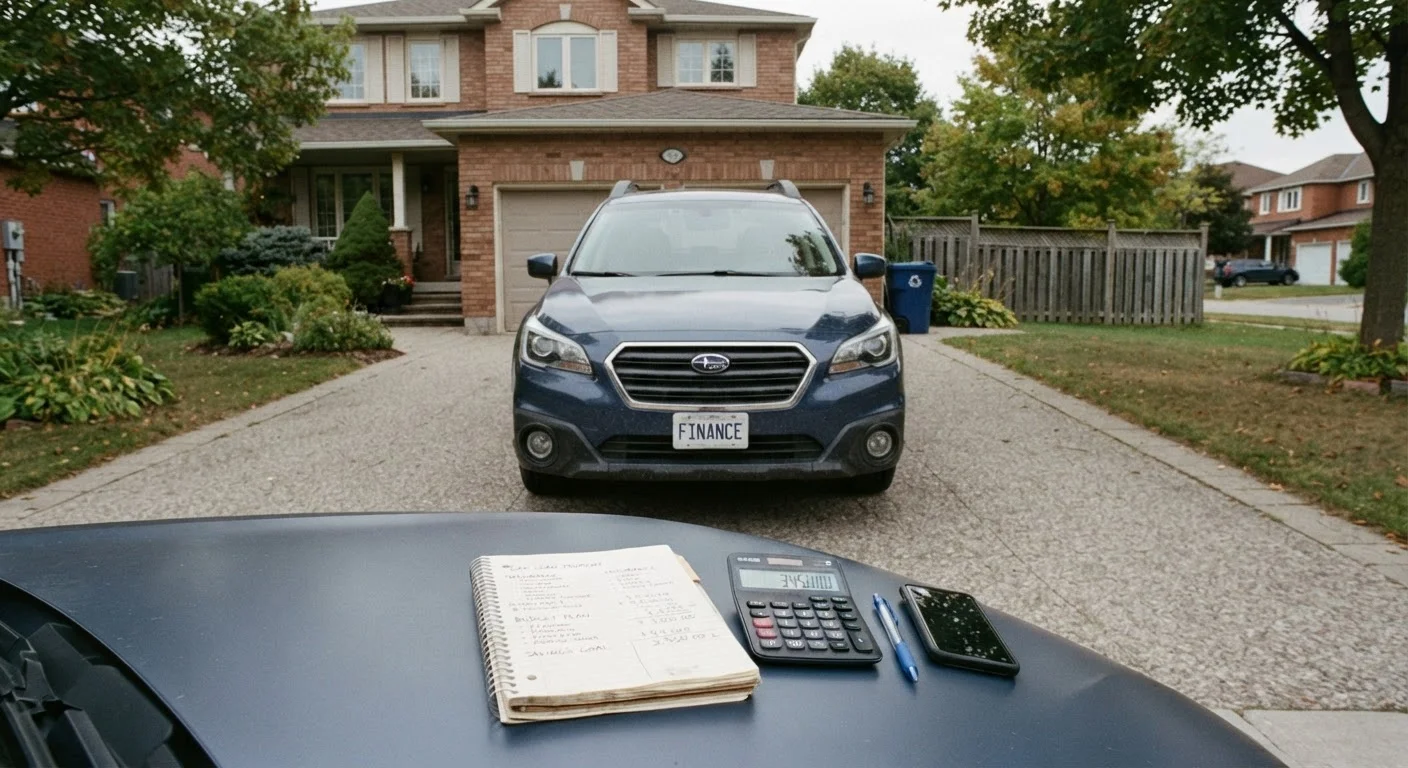
A practical way to think about total ownership cost is to calculate a monthly number that includes all the pieces: loan or lease payment, insurance premium, estimated fuel, a monthly maintenance reserve, and a prorated registration amount. Add those together and compare it against your actual monthly budget — not just what the dealership approves you for.
Also keep in mind that apparent deals can carry hidden costs. A lower purchase price doesn't always mean lower total cost — especially if the vehicle has higher insurance rates, worse fuel economy, or a known repair history.
For ongoing upkeep guidance after your purchase, the Car Maintenance hub covers essential tips to keep your vehicle running reliably without overspending.
This article is for general informational purposes only and does not constitute financial or legal advice. Always verify costs specific to your situation, state, and vehicle before making a purchase decision.