
How Each Transaction Works
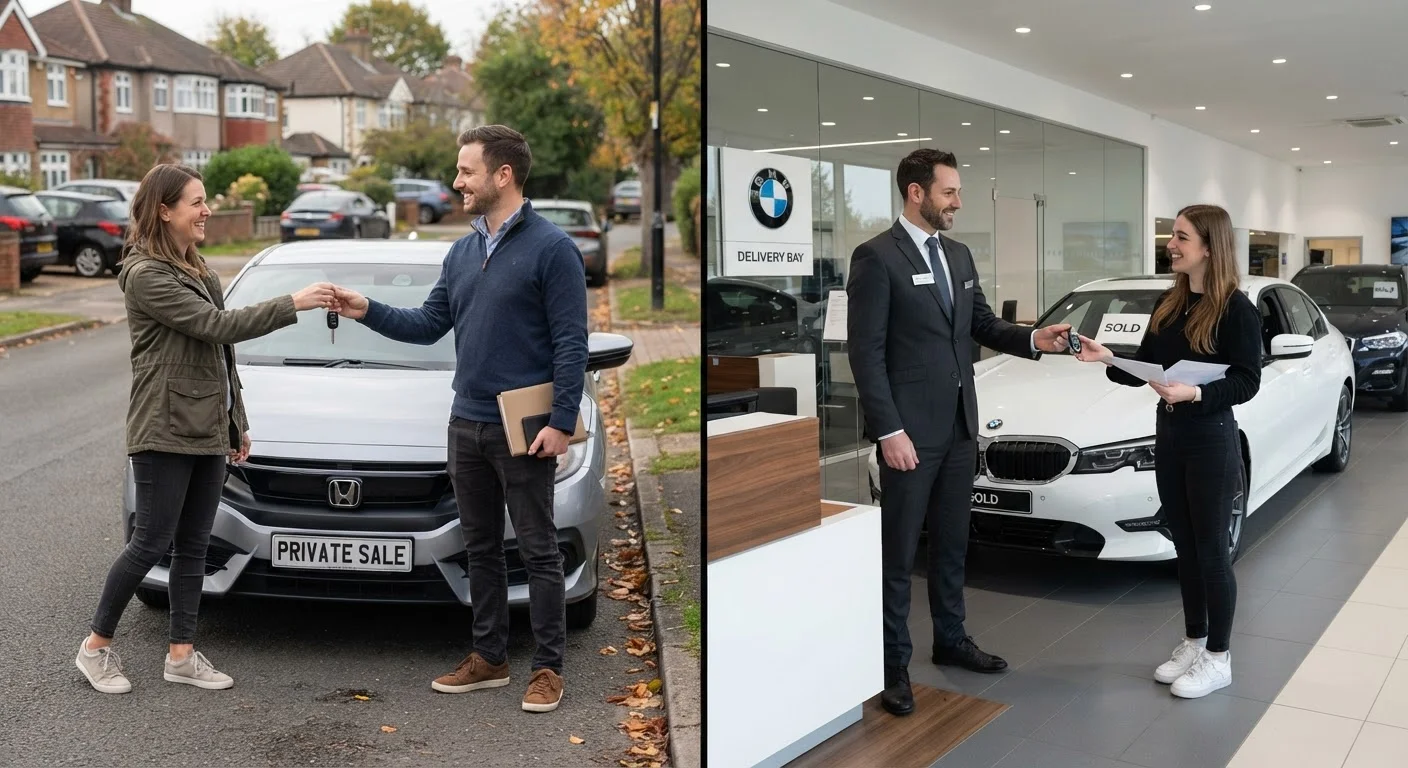
When you buy from a private seller, you're dealing directly with an individual — typically someone selling a car they own outright or have mostly paid off. There's no intermediary, no showroom, and no dealership overhead. Transactions happen through platforms like Craigslist, Facebook Marketplace, and similar listing sites. The process tends to be informal: you contact the seller, arrange a viewing, negotiate a price, and exchange cash or a cashier's check for the title.
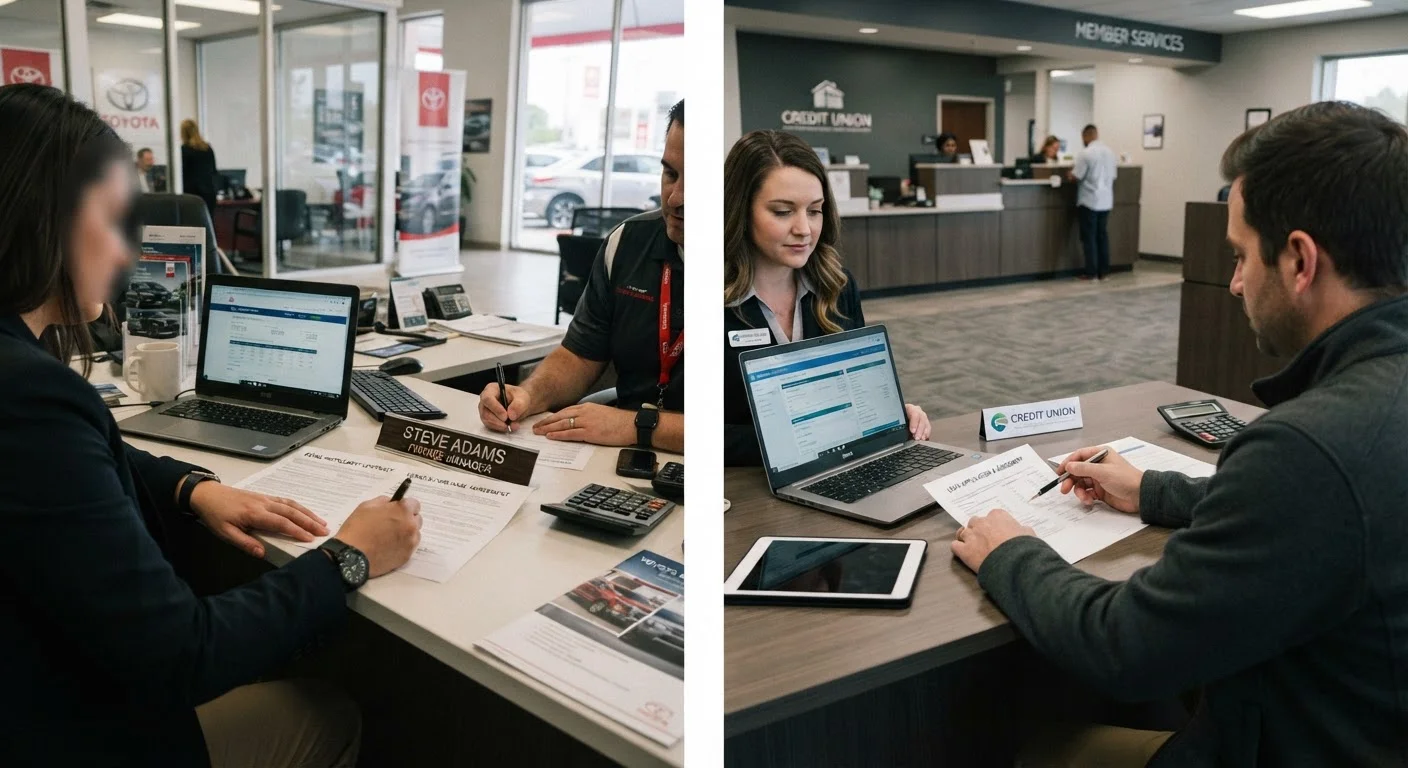
When you buy from a dealership, you're working with a licensed business that's subject to state and federal consumer protection laws. Dealerships acquire used cars through trade-ins, auctions, and lease returns, then recondition and resell them. The buying process involves a salesperson, potentially a finance office, and paperwork that's more standardized. For a closer look at how financing fits into this, see our guide on dealer financing vs. getting pre-approved.
Pros of Buying from a Private Seller
The appeal of the private market comes down to price and simplicity. Here's what typically works in a buyer's favor:
Lower asking prices than dealer listings
Private sellers aren't recouping reconditioning costs or dealer overhead, so their prices tend to reflect what the car is actually worth in the current market, not what a dealership needs to profit.
More room for direct negotiation
Without a sales manager structure behind them, private sellers often have more flexibility to negotiate on price, especially if the car has been listed for a while.
No dealer fees or finance office pressure
Private transactions skip the documentation fees, dealer prep charges, and add-on products that can quietly inflate the final cost at a dealership.
Simpler, faster transaction
Many private deals close in a day — no waiting for financing approval, manager sign-offs, or back-and-forth between departments.
Because private sellers aren't recovering reconditioning costs or dealer overhead, the asking price is usually lower — often noticeably so. That gap can be significant on older, higher-mileage vehicles.
Cons of Buying from a Private Seller
The savings come with real trade-offs. Understanding these before you commit is part of buying smart:
Almost always an as-is sale
Private sellers are rarely required to offer any warranty or guarantee. If a problem surfaces after you drive away, the cost is yours to absorb.
No financing arranged for you
Private sellers don't offer loans. You'll need cash, or you'll need to secure financing on your own through a bank or credit union before you shop.
Harder to verify vehicle condition
There's no reconditioning report or inspection record included by default. Sellers aren't required to disclose every known issue, and some genuinely may not know what's wrong with the car.
Title and paperwork risks
Buyers must verify the title is clean and the seller has legal authority to sell. Complications like liens, salvage titles, or ownership disputes can create serious legal headaches.
Fewer consumer protections
Private sellers aren't subject to the same disclosure laws and regulations that licensed dealers must follow, which shifts more of the buyer responsibility onto you.
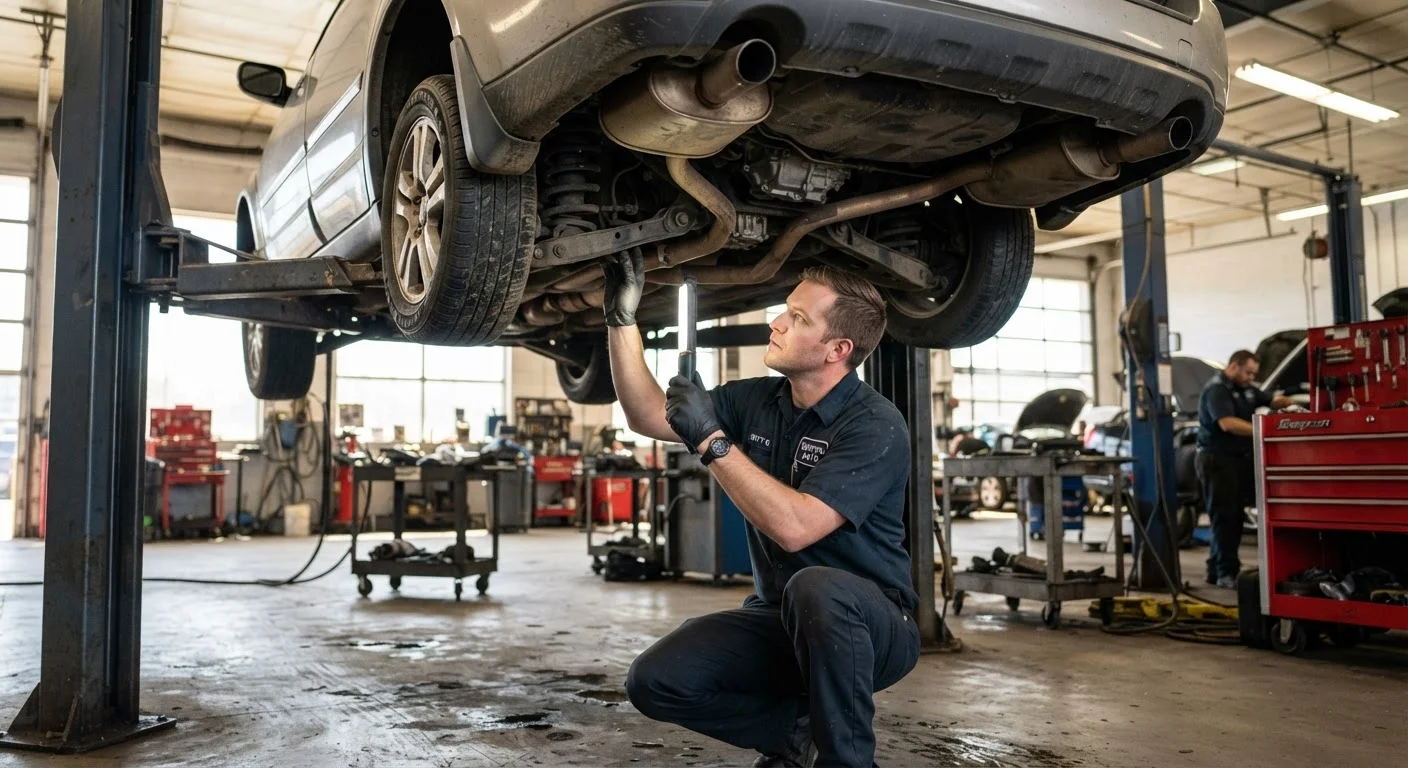
Most private sales are legally "as-is" transactions. Once the title changes hands, what you drove home is what you own — problems and all. This is exactly why getting a pre-purchase inspection before any used-car purchase makes sense, regardless of how trustworthy the seller seems.
Title Check: Don't Skip This Step
Before handing over any money in a private sale, run the VIN through a vehicle history service and confirm the title is clean — meaning no active liens, no salvage designation, and no open recalls affecting safety systems. Your state DMV can also help you verify title status. A seller who resists a title check or inspection is a meaningful warning sign.
Pros and Cons of Buying from a Dealership
Dealerships operate in a regulated environment, which changes the nature of the transaction in several meaningful ways — for better and for worse.
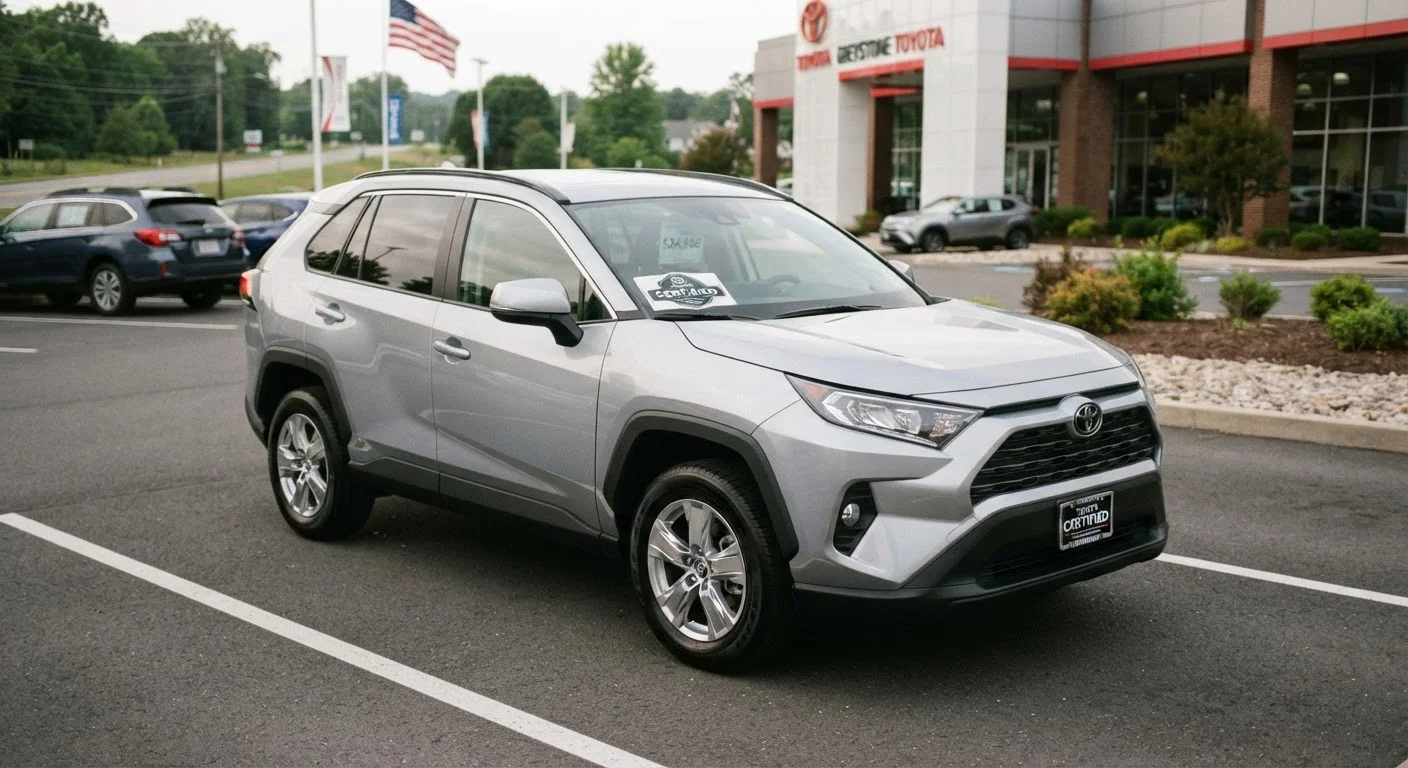
What works in your favor: Licensed dealers must comply with state lemon laws and disclosure requirements. Many offer certified pre-owned (CPO) programs with limited warranties — though the specifics vary widely, as explained in our piece on what CPO programs actually guarantee. Dealers also typically report sales to the DMV and provide cleaner paperwork trails.
What to watch out for: Dealers make money in multiple ways beyond the sticker price — trade-in spreads, financing markups, and add-ons in the finance office. Understanding how car dealers make money on a sale gives you a clearer picture of where to push back. Always review paperwork carefully; our guide on what to do at a dealership before you sign anything walks through the key steps.
~40%
Share of used car sales through private parties
Industry estimates have long placed roughly 35–40% of used vehicle transactions as private-party sales, though the share fluctuates with market conditions.
$1,000–$3,000+
Typical private-sale price gap vs. dealer
Consumer advocates and automotive analysts commonly note that private-party prices run meaningfully lower than dealer retail for comparable vehicles, with the gap growing on older models.
Making the Right Call for Your Situation
The choice between a private seller and a dealership isn't just about sticker price. It's about how much uncertainty you're prepared to manage.
If you have a trusted mechanic who can inspect a car before you buy, have cash or pre-approved financing in hand, and feel comfortable negotiating with individuals, the private market may serve you well. If you'd rather have a documented vehicle history, access to financing in one place, and some layer of recourse if the car has undisclosed problems, a dealership transaction offers more structure — even if it costs more upfront.
In either case, arrive prepared. Research the vehicle's history using its VIN, understand what fair market pricing looks like for the model you're considering, and don't skip the inspection step. Our guide on researching a car before visiting a dealer covers the groundwork that applies just as well to private purchases. And if you're new to the process overall, the car buying process, start to finish provides a solid framework to follow.