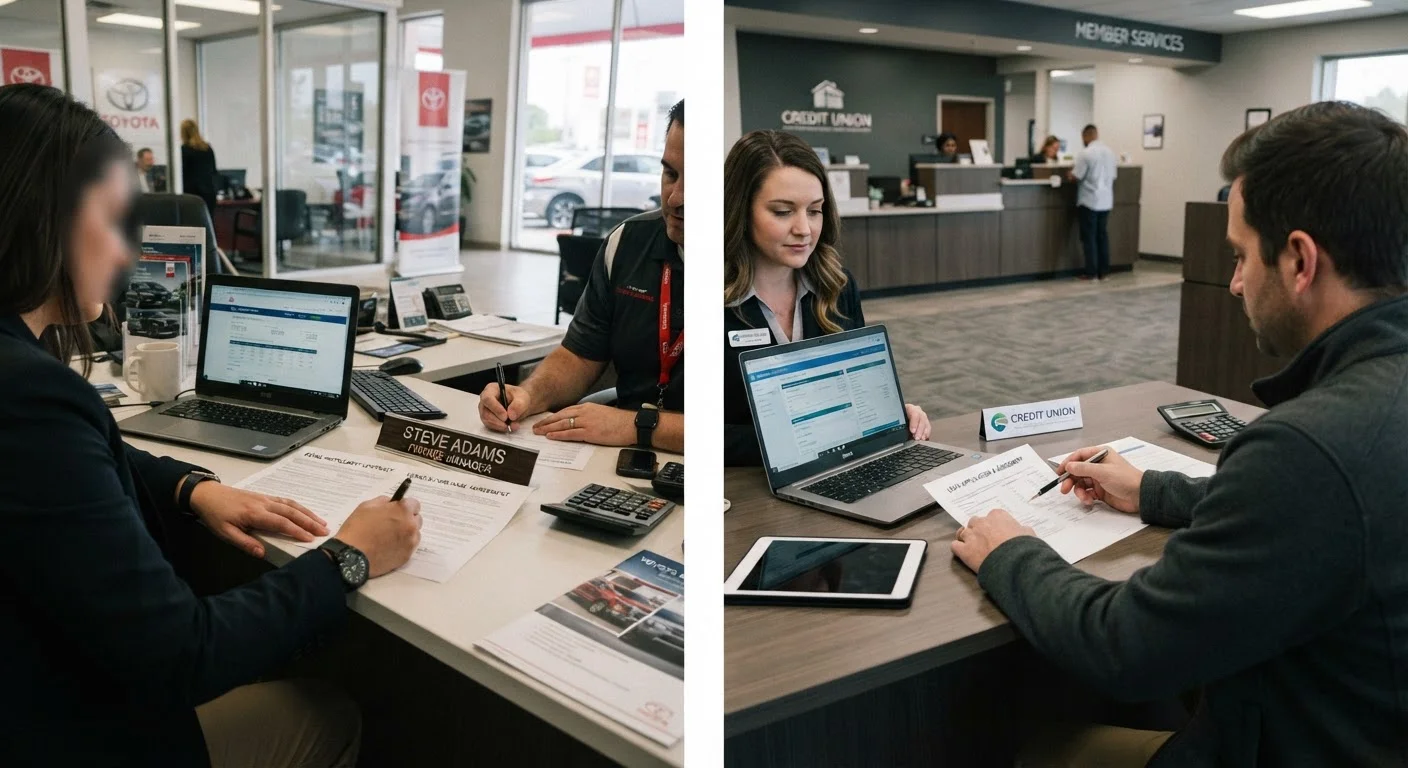


The Vehicle Price: Front-End Gross
The most visible source of dealer profit is the difference between what the dealer paid for the vehicle and what you pay for it. This is called the front-end gross. On new vehicles, that spread is often smaller than buyers expect — manufacturer invoice prices are widely published, and competition keeps margins relatively thin.
What many buyers don't see is the dealer holdback — a payment manufacturers make to dealers, usually 1%–3% of the sticker price, after a sale closes. This means a dealer selling a car close to invoice price may still earn a holdback payment on top of the visible margin. Manufacturers also offer dealer incentives that don't appear on any window sticker.
On used vehicles, front-end margins are typically wider. A dealer acquires a used car through trade-ins or auctions, then sets a retail price based on market conditions. Buyers have less access to what the dealer actually paid, so it's worth researching comparable market prices before negotiating.
~$1,000–$1,500
Typical new-car front-end profit per vehicle
Industry analysts have historically cited average new-vehicle front-end gross profits in this range, though figures shift with market conditions.
1%–3%
Common dealer holdback as share of MSRP
Holdback percentages vary by manufacturer; most fall in this range and are paid to the dealer after the sale, separate from any visible incentives.
~$1,600+
Average F&I profit per vehicle at many dealerships
Industry reporting has consistently shown F&I as a significant contributor to dealer profitability, often exceeding front-end vehicle gross.
The Finance Office: Where Back-End Profit Is Built
After agreeing on a vehicle price, most buyers are moved to the finance and insurance (F&I) office to complete the paperwork. This is where dealerships commonly earn the most profit per transaction.
When a dealer arranges financing, the lender quotes an interest rate the buyer actually qualifies for. The dealer may then offer the buyer a slightly higher rate and keep the difference — called a finance reserve or rate markup. Over a multi-year loan, even a half-point difference adds up meaningfully. This is one reason getting pre-approved through your own bank or credit union before shopping is worth the effort — you'll have a real rate to compare. See our guide to dealer financing vs. bank pre-approval for a closer look at the trade-offs.
The F&I office also presents products like extended service contracts, GAP insurance (which covers the difference between what you owe and what the car is worth if it's totaled), paint protection, and credit insurance. Each product carries a markup. For a fuller breakdown of what's typically offered and what's optional, see our explainer on the finance and insurance office.
Trade-Ins: A Separate Transaction
Trading in a vehicle is convenient, but it's a distinct financial transaction — not a discount on your new purchase. Dealers acquire trade-ins below retail value, then resell them for a profit in their used-car inventory or through wholesale channels.
A common negotiating mistake is combining the trade-in discussion with the new car price negotiation. When both numbers move at the same time, it's harder to tell whether you got a fair price on either. Settling the purchase price of the new vehicle first, then negotiating the trade-in separately, keeps the math clearer.
Knowing your trade-in's approximate market value ahead of time — using multiple reference tools — gives you a realistic baseline before you walk in. For a broader look at the decisions involved when choosing where to buy a used vehicle, our comparison of private sellers vs. dealerships covers the key trade-offs.
What This Means for Buyers
Understanding where dealer profit comes from isn't about assuming bad faith — dealerships are businesses with overhead, staff, and inventory costs. But knowing how revenue is structured helps you focus your energy on the right numbers at the right time.
The vehicle price matters, but so does the interest rate, the trade-in offer, and each product offered in the finance office. Treating each as a separate decision — rather than getting caught up in a single monthly payment figure — is one of the most practical ways to stay in control of the total cost.
Before you sign anything, it's worth knowing what questions to ask and what documents to review. Our walkthrough of what to do at a dealership before signing can help you go in prepared. And if you want to sharpen your negotiating approach, common negotiation assumptions that cost buyers money is a useful next read.