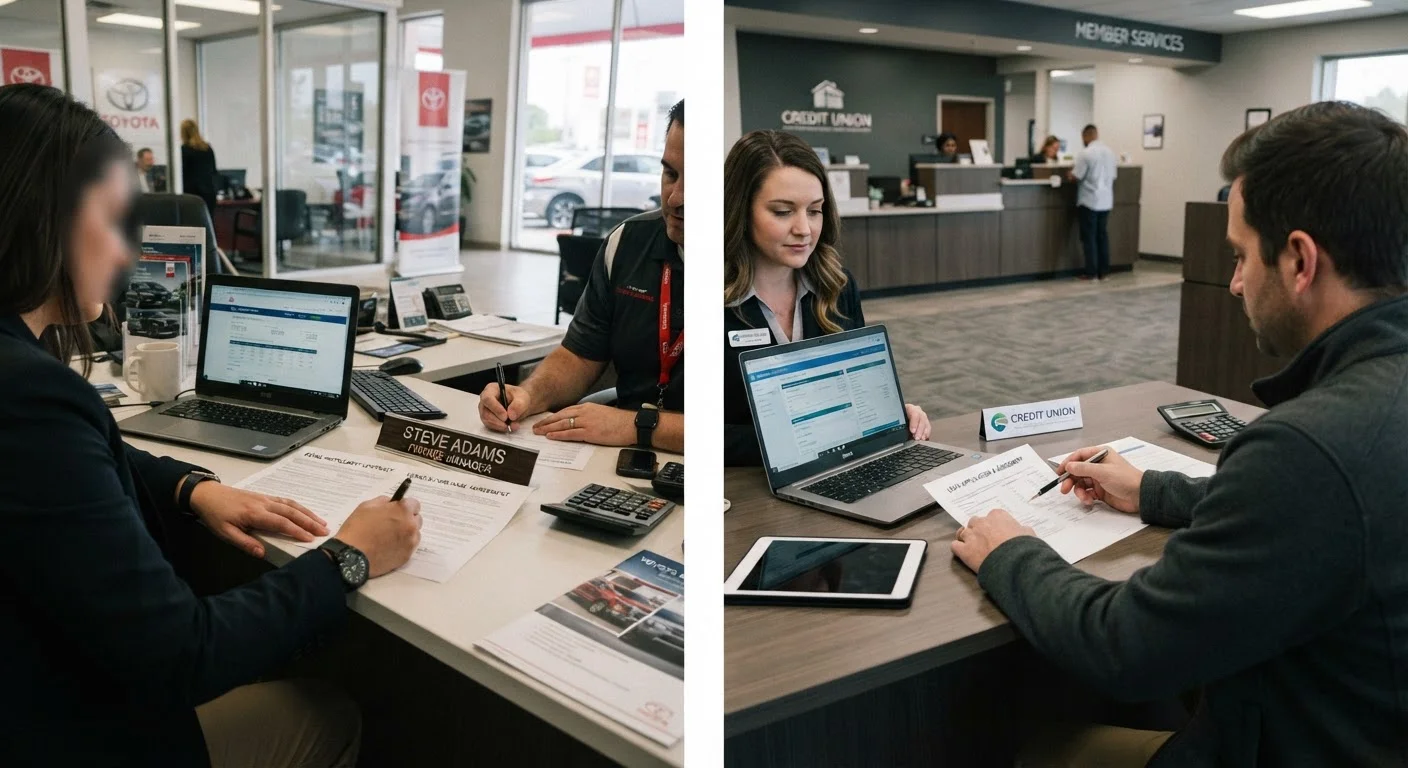


What Happens in the F&I Office
After you've agreed on a vehicle price with a salesperson, you're handed off to the Finance and Insurance manager. This person handles two core tasks: arranging your financing and presenting optional protection products.
On the financing side, the F&I manager will review your credit application, present loan terms including interest rate and monthly payment, and prepare the purchase contract. If you're paying cash, you'll still go through this office to sign the final sale documents.
On the product side, the manager typically works through a menu of add-ons. These might include an extended service contract, gap insurance, credit life or disability insurance, paint and fabric protection, tire and wheel coverage, and other similar items. Each is presented as optional — because it is.
Doing your homework before you arrive matters. Researching the process in advance means fewer surprises when you sit down across the desk.
Common F&I Products Explained
Understanding what each product actually does helps you evaluate whether it makes sense for your situation — without the pressure of figuring it out on the spot.
~$1,500
Average F&I profit per vehicle at U.S. dealerships
Industry analyses of dealer financial statements consistently show F&I products represent a substantial per-unit profit margin, separate from the vehicle sale itself.
4 in 10
New car buyers who purchase an extended service contract
Consumer research suggests a significant share of buyers add extended coverage at the dealership, often without comparing prices from third-party providers.
- Extended Service Contracts: These cover repair costs after the manufacturer's warranty expires. Coverage terms vary significantly, so ask specifically what's included, what's excluded, and whether any repair shop can perform the work or only authorized dealers.
- Gap Insurance: If your car is totaled or stolen, your standard auto insurance pays the vehicle's current market value — which may be less than what you still owe on the loan. Gap insurance covers that difference. It's most relevant on longer loans or when you financed most of the purchase price.
- Credit Life and Disability Insurance: These pay off your loan balance if you die or become disabled. Compare rates and terms against standalone life or disability policies before committing.
- Paint, Fabric, or Appearance Protection: These packages apply sealants or coatings to protect the vehicle's interior and exterior. Consumer opinions on their value vary; research what the treatment actually involves before deciding.
- Tire and Wheel Protection: Covers repair or replacement of tires and wheels damaged by road hazards. Worth considering if you live somewhere with rough roads or harsh winters — but read the claim process carefully.
How to Approach the F&I Office With Confidence
A few straightforward habits can make a real difference in how this process goes for you.
Know your financing baseline. If you arrive with a pre-approved rate from a bank or credit union, you have a concrete number to compare against the dealer's offer. Understanding how dealer financing compares to outside lenders can help you enter this conversation prepared.
Ask to See the Full Contract Before Signing
Request a copy of all documents you'll be asked to sign before you commit to anything. In many states, you're entitled to this. Reviewing the full contract — including the itemized list of products — in advance of signing reduces the chance of misunderstanding what you've agreed to.
Evaluate add-ons individually. The F&I manager may bundle products or present them as a single monthly payment increase. Ask to see each item priced separately so you can evaluate what you're actually paying for each one.
Read before you sign. Every document you sign in the F&I office is a binding legal agreement. You're entitled to read each one fully. If something is unclear, ask for clarification. Don't let time pressure — real or implied — cause you to skip this step.
How you buy the vehicle matters too. Buying from a private seller versus a dealership involves very different processes — private sales don't include an F&I office at all, which changes the protections and the paperwork involved.