

Start With a Budget, Not a Wish List
Most buyers start by picking a car they like and then trying to make the numbers work. That order tends to cost money. The smarter move is locking down your total budget first — including insurance, registration, fuel, and maintenance — before you fall for any particular model.
Focus on the total purchase price, not just the monthly payment. A low monthly payment can hide a longer loan term that means paying significantly more interest over time. Decide what you can genuinely afford as a lump sum, then use that figure to filter your search. For a broader look at how money decisions fit into the car buying timeline, the full car buying process walks through each financial stage.
If you're working with limited funds, it also helps to explore smart spending habits before committing to any long-term vehicle payment.
Learn the Market Price Before You Talk to Anyone
Dealers set prices knowing that most buyers walk in without a clear sense of what a vehicle is actually worth. Your goal is to close that gap. Use publicly available pricing tools and automotive databases to learn the typical price range for the specific make, model, trim level, and year you're considering — in your region, since prices vary by geography.
Look at prices across multiple listings, not just one. This gives you a realistic range rather than an outlier. When you understand what similar vehicles are actually selling for, you're in a much better position to evaluate whether a dealer's number is reasonable. Our guide on car negotiation mistakes covers how buyers who skip this step often negotiate the wrong number entirely.
Dig Into Ownership Costs and Reliability
The purchase price is just the entry point. Two vehicles priced the same can cost very different amounts to own over three to five years. Look into fuel economy ratings (miles per gallon or equivalent for EVs), insurance cost estimates for your age and location, and the frequency and average cost of common repairs for that model.
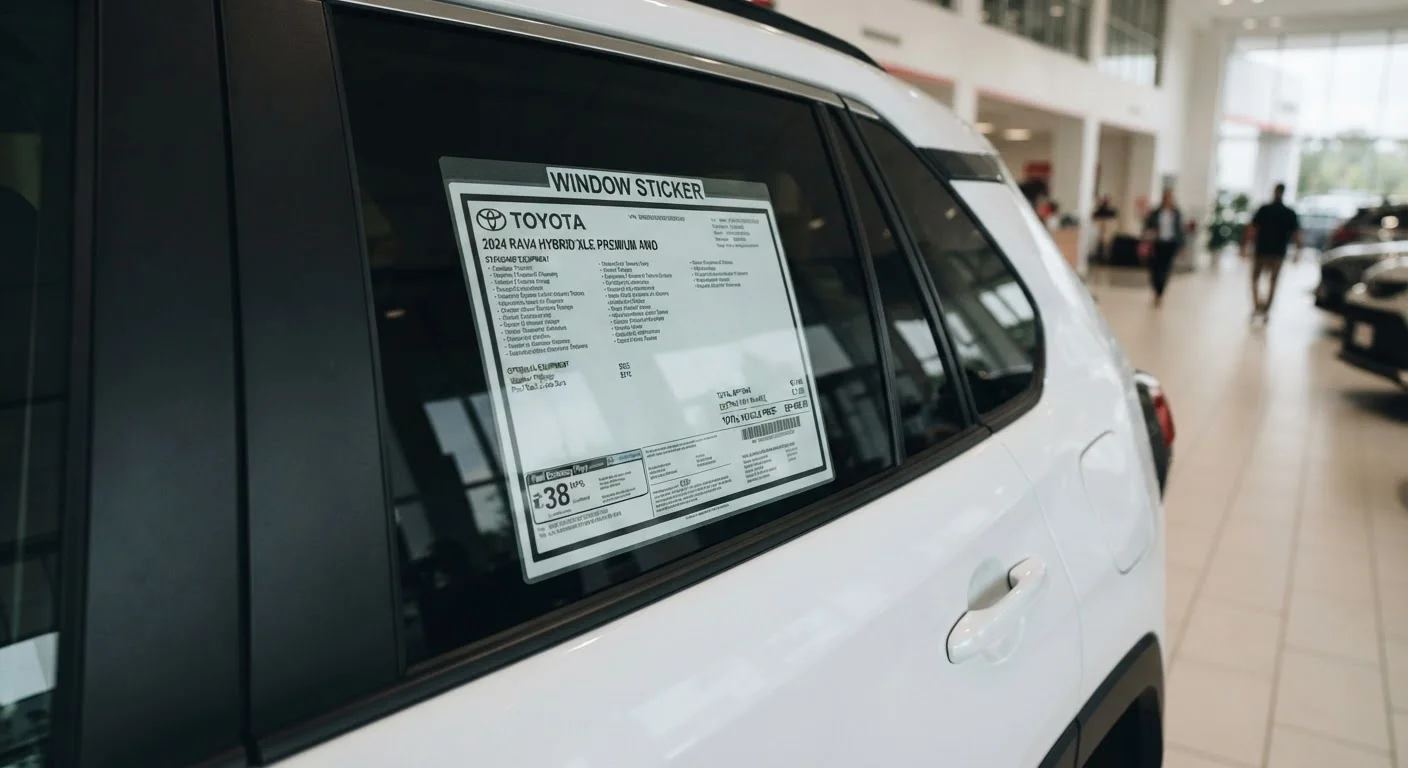
Consumer reliability data — available through automotive journalism outlets, owner forums, and nonprofit testing organizations — can surface known problem areas before you're committed. A vehicle that seems like a deal can turn expensive quickly if it has a track record of transmission issues or requires premium fuel. Once you're at the lot, knowing how to read the window sticker also matters — our window sticker guide explains every section of that label clearly.
Get Financing Sorted Before You Shop
Walking into a dealership without a financing baseline is one of the easiest ways to lose ground. Before visiting any lot, check your credit score so there are no surprises. Then contact at least one bank or credit union and get a pre-approval — this tells you the interest rate you qualify for independently.
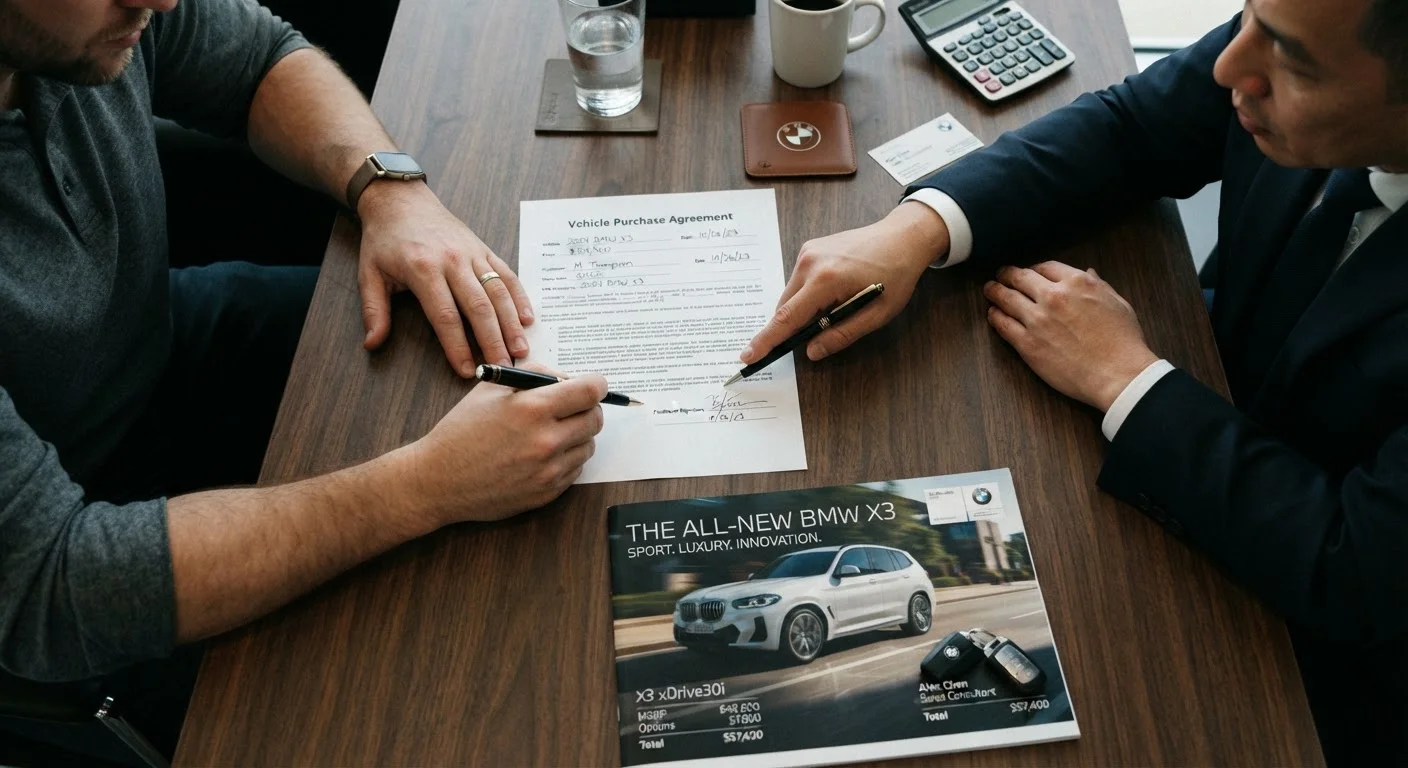
That number becomes a reference point. Dealer financing can sometimes be competitive, but you won't know unless you have something to compare it to. A pre-approval also lets you treat financing separately from the vehicle price during any negotiation, which generally works in your favor. For a detailed comparison of your financing options, see our piece on dealer financing vs. bank pre-approval.
For Used Cars, Add These Steps
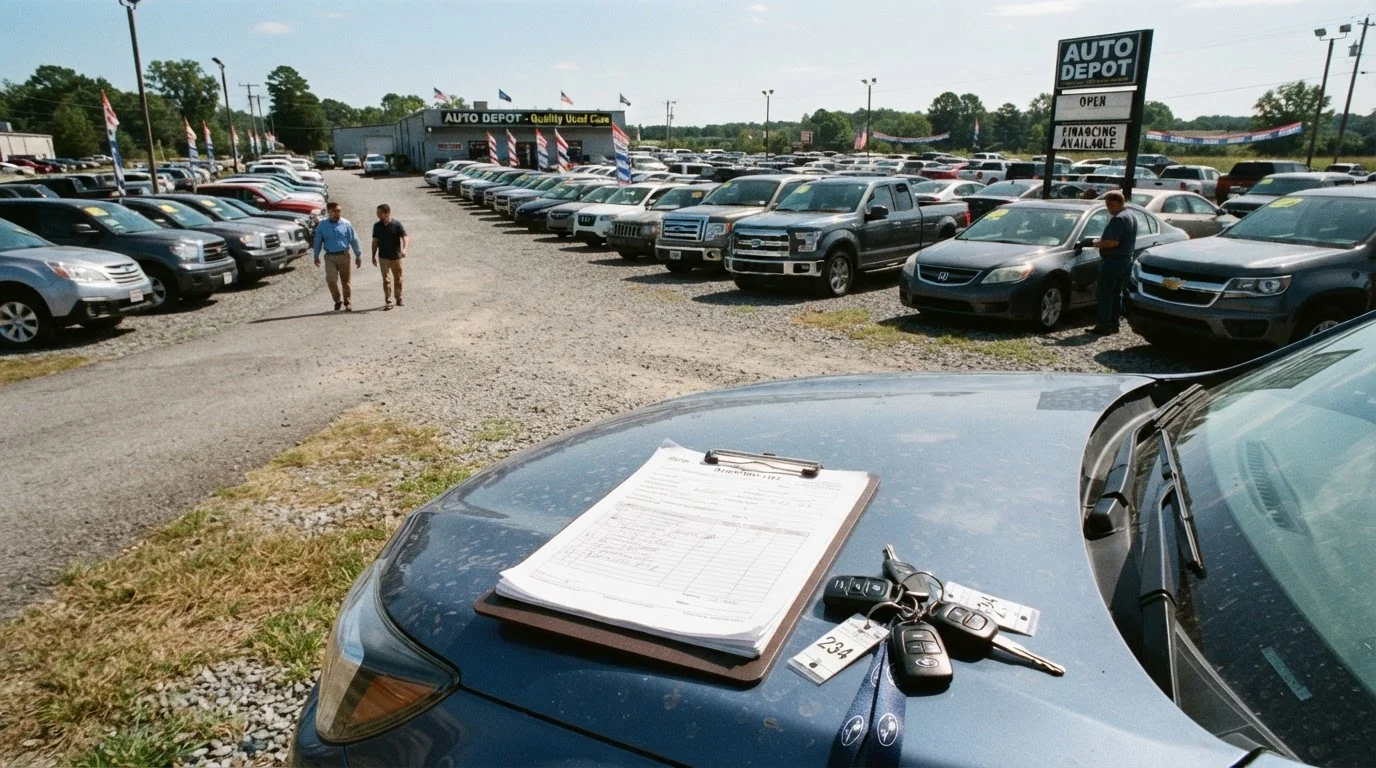
Buying used requires a few extra layers of research. Start with a vehicle history report using the car's VIN (Vehicle Identification Number) — a 17-character code found on the dashboard or door jamb. History reports can reveal past accidents, title issues, odometer discrepancies, and service records.
A history report doesn't catch everything, though. Any used vehicle you're seriously considering should be inspected by an independent mechanic before you commit — not the dealer's service department. The inspection typically costs under $150 and can surface problems that aren't visible on a test drive. If you're weighing whether to buy from a private seller instead of a dealership, our comparison of private seller vs. dealership trade-offs covers the protections and risks on each side. Once you've done this groundwork, review what to do at the dealership before signing so you're ready for the final steps.