
Why a Pre-Purchase Inspection Is Worth the Cost
A used car listing tells you what the seller wants you to know. A pre-purchase inspection — often called a PPI — tells you what the car actually needs. These two pictures don't always match.
PPI fees typically run between $100 and $200 depending on the shop and your region. That cost can feel unnecessary when you're already stretching a budget on a car purchase, but consider the alternative: a transmission problem you didn't catch could cost several thousand dollars to fix. An inspection is cheap insurance against a much larger surprise.
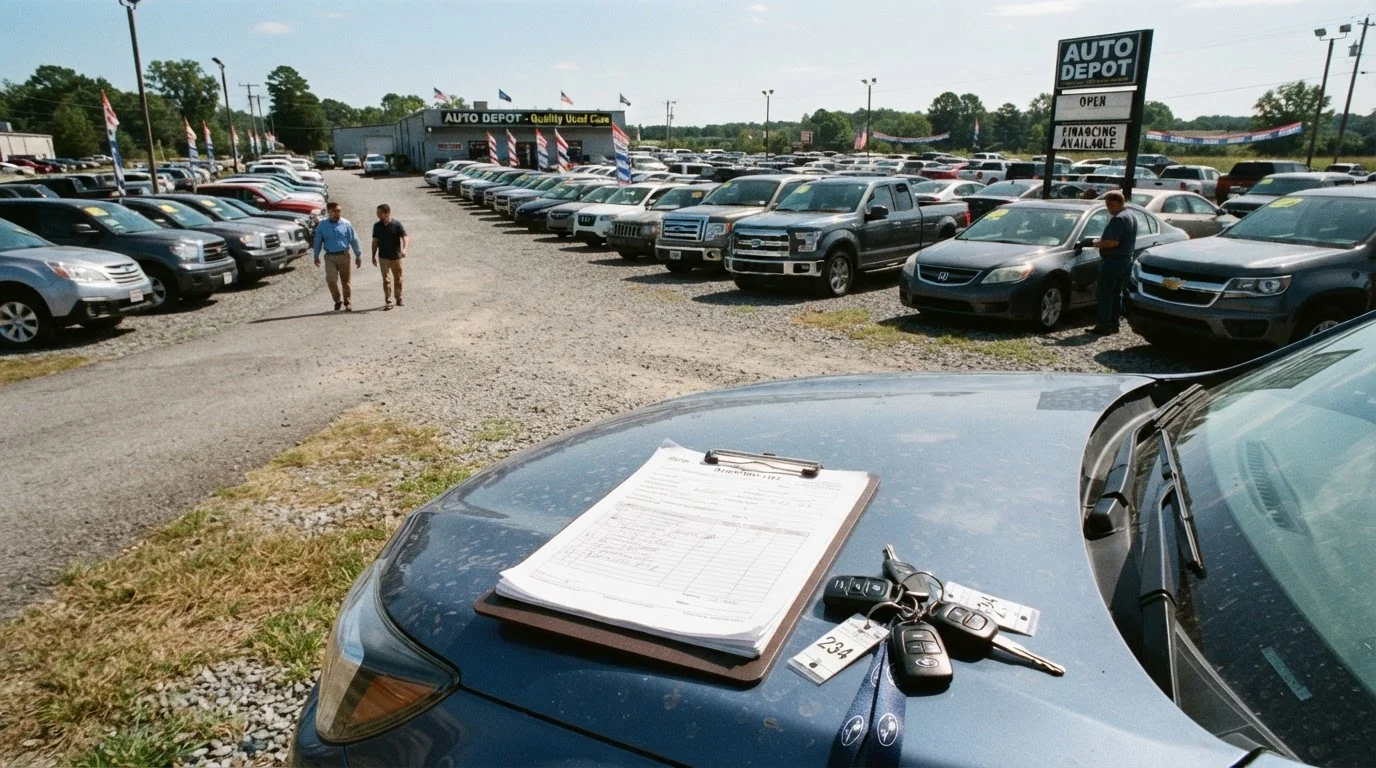
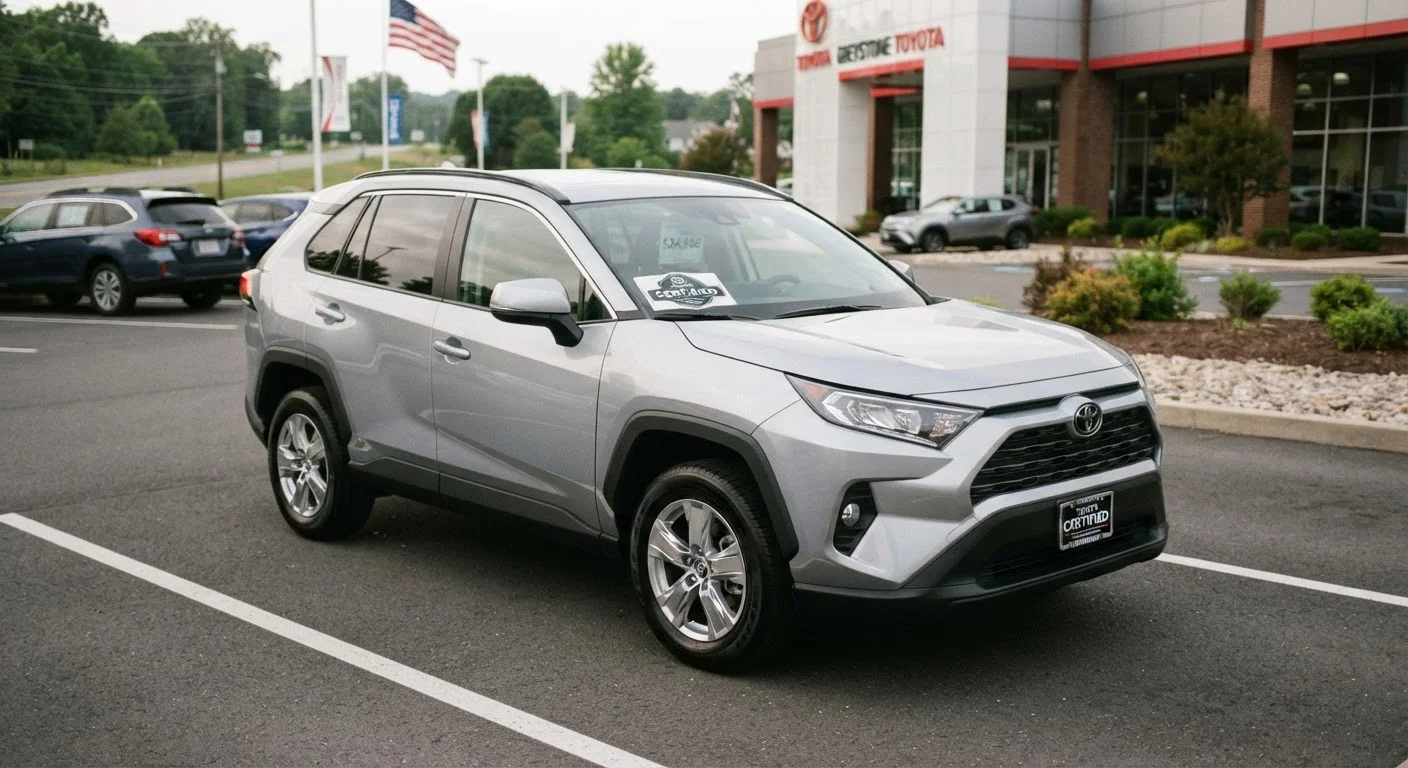
A PPI is especially valuable when buying from a private seller, where there's no warranty and no regulatory framework protecting you after the sale closes. Even certified pre-owned vehicles benefit from a second opinion — for context on what CPO programs actually guarantee, see Certified Pre-Owned Programs: What the Label Actually Guarantees.
If you're weighing where to shop in the first place, Private Seller vs. Dealership: Weighing the Trade-Offs breaks down the risks and protections on each side.
Pair Your PPI with a History Report
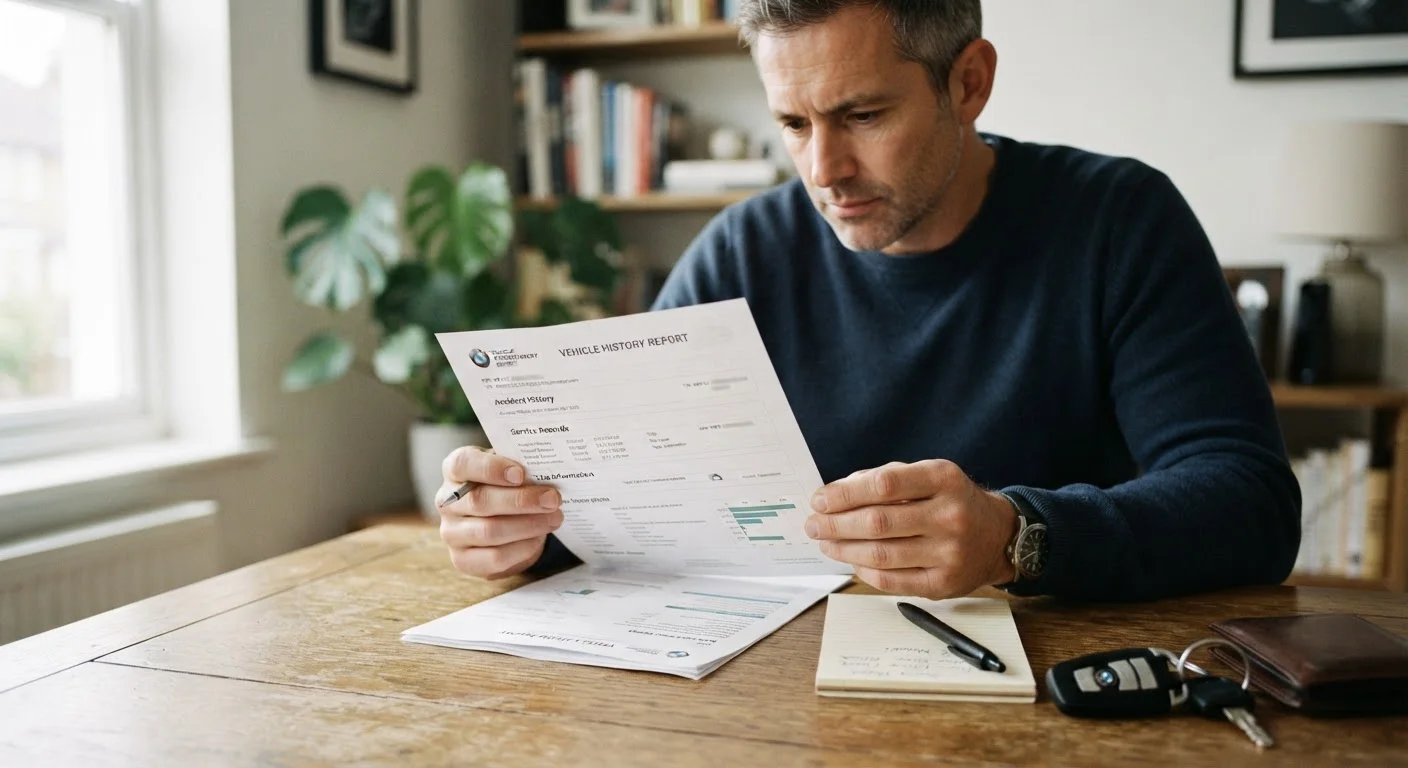
A pre-purchase inspection tells you the car's current condition; a vehicle history report reveals its past. Used together, they give you the most complete picture available before buying. Learn more about what history reports reveal and what they miss before you rely on one alone.
How to Get a Pre-Purchase Inspection Done
The process is straightforward, but the details matter. Follow the steps below to arrange a proper inspection and make the most of what you learn from it.
What you will need
Choose an independent mechanic — not the seller's shop
The most important word in pre-purchase inspection is independent. The mechanic you hire must have zero connection to the seller. A dealership's in-house service department is not an appropriate choice when buying from that same dealership.
Search for a licensed shop in your area, or ask friends or family for a recommendation. Many AAA-approved repair shops offer PPIs, and independent shops with strong local reviews are generally a reliable option. Call ahead to confirm they perform PPIs and ask about their fee and what the inspection covers.
Get the seller's agreement before scheduling
Before you book anything, ask the seller directly whether they'll allow a pre-purchase inspection at an independent shop. Frame it matter-of-factly — this is a standard step for any serious buyer.
If the seller refuses or becomes evasive, treat that as a significant red flag. Legitimate sellers — whether private individuals or dealerships — generally have no reason to block an inspection. A refusal often signals the seller knows something about the vehicle they'd rather you not discover.
Schedule the inspection and arrange vehicle transport
Work out the logistics with both the seller and the shop. In most cases, the seller drives the car to the shop or you drive it there yourself (if the seller allows a test drive to the location). Confirm the shop has the time and equipment to perform a full inspection — some shops require 24–48 hours of advance notice.
Let the shop know the year, make, model, and mileage ahead of time. Some vehicles — diesel engines, hybrids, or older cars — may require specialized knowledge or equipment.
Understand what the mechanic will check
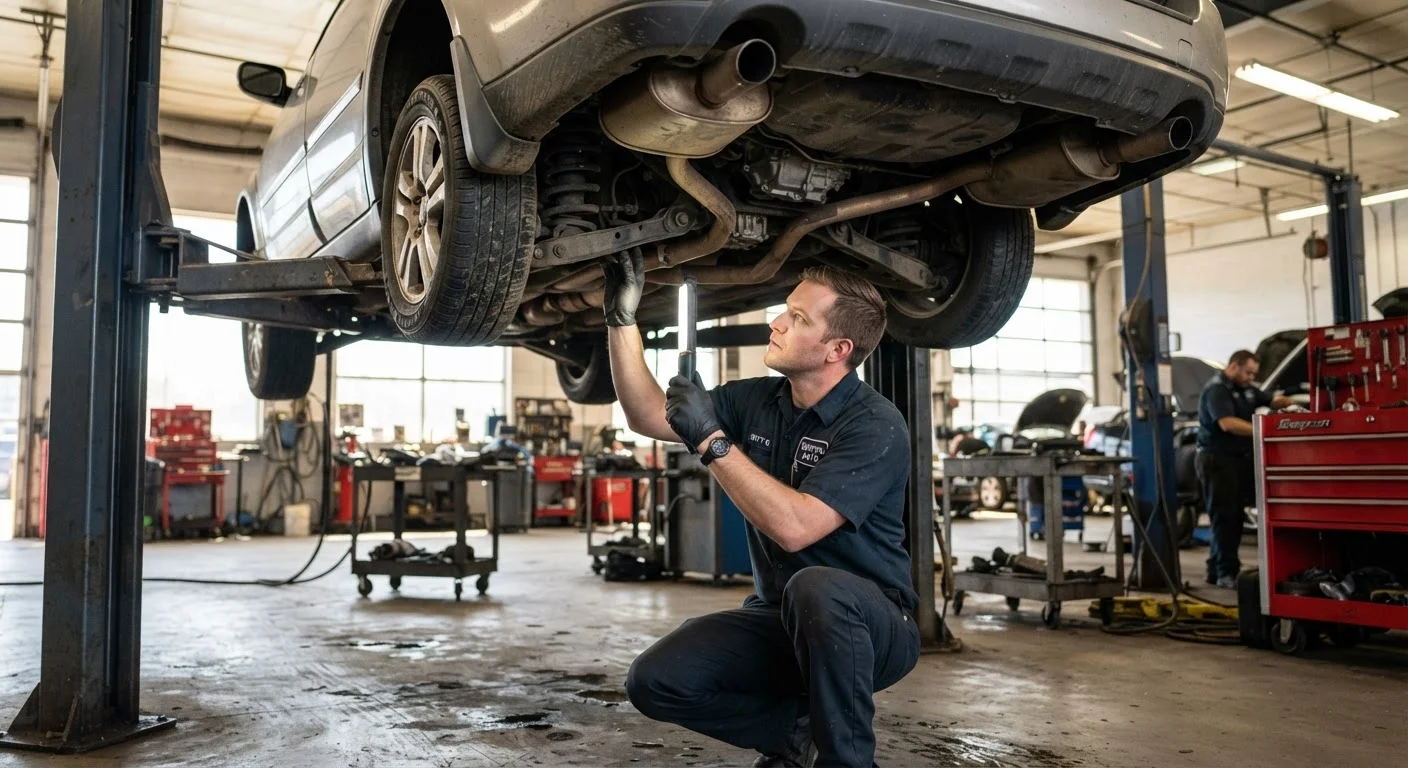
A thorough PPI typically covers:
- Engine and transmission: fluid levels, leaks, unusual wear, and function
- Brakes: pad thickness, rotor condition, and brake lines
- Suspension and steering: worn bushings, ball joints, shocks, and alignment
- Tires: tread depth and even wear patterns (uneven wear can indicate alignment or suspension issues)
- Body and frame: signs of collision repair, rust, or structural damage
- Electrical systems: lights, windows, HVAC, and dashboard warning indicators
- Undercarriage: rust, leaks, and exhaust system condition
- OBD-II scan: reading the car's onboard diagnostic codes for any stored fault codes
Ask the shop for a written report. A good mechanic will note which issues are minor maintenance items and which are serious safety or cost concerns.
Review the findings and decide how to proceed
Once you have the inspection report, evaluate findings in three categories:
- Safety concerns — brake failure, structural damage, or worn tires require immediate attention. Factor the full repair cost into your offer or walk away.
- Deferred maintenance — items like aging belts, filters, or tires that will need replacement soon. These are legitimate negotiating points.
- Minor issues — small cosmetic flaws or cheap fixes that don't significantly affect value or safety.
Use the report to negotiate a lower price or request that the seller address specific repairs before the sale closes. If major problems surface that the seller won't acknowledge in the price, it's entirely reasonable to walk away. For a broader view of the purchase process, see The Car Buying Process, Start to Finish.
Once the inspection is done and you're ready to move forward, see What to Do at a Dealership Before You Sign Anything for guidance on what to verify before the paperwork is finalized.
A PPI Is Not a Guarantee
Even the most thorough inspection can miss intermittent issues, problems that only appear under specific driving conditions, or internal engine wear not yet visible. A PPI significantly reduces your risk, but it cannot eliminate it entirely. Use it alongside — not instead of — a vehicle history report and a careful test drive.